Counting objects Grade 2 Math Worksheets
9 filtered results
-
From - To
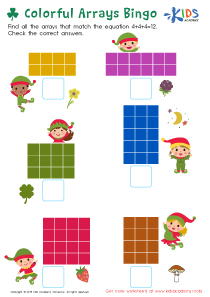
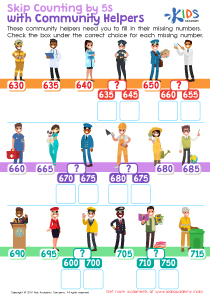
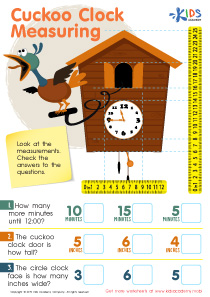
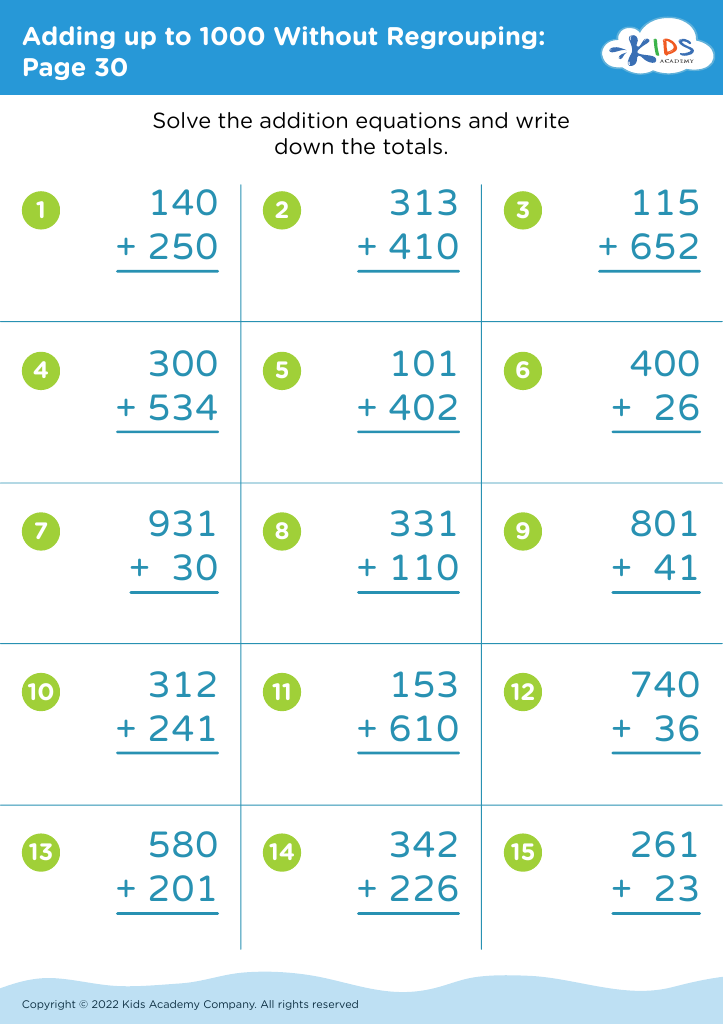
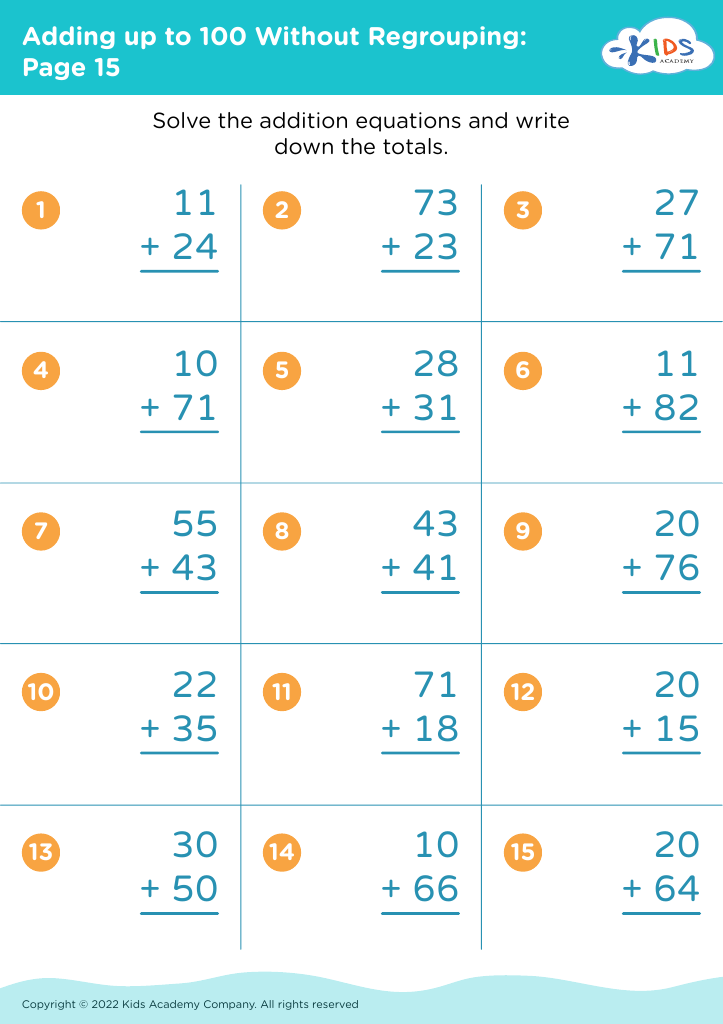
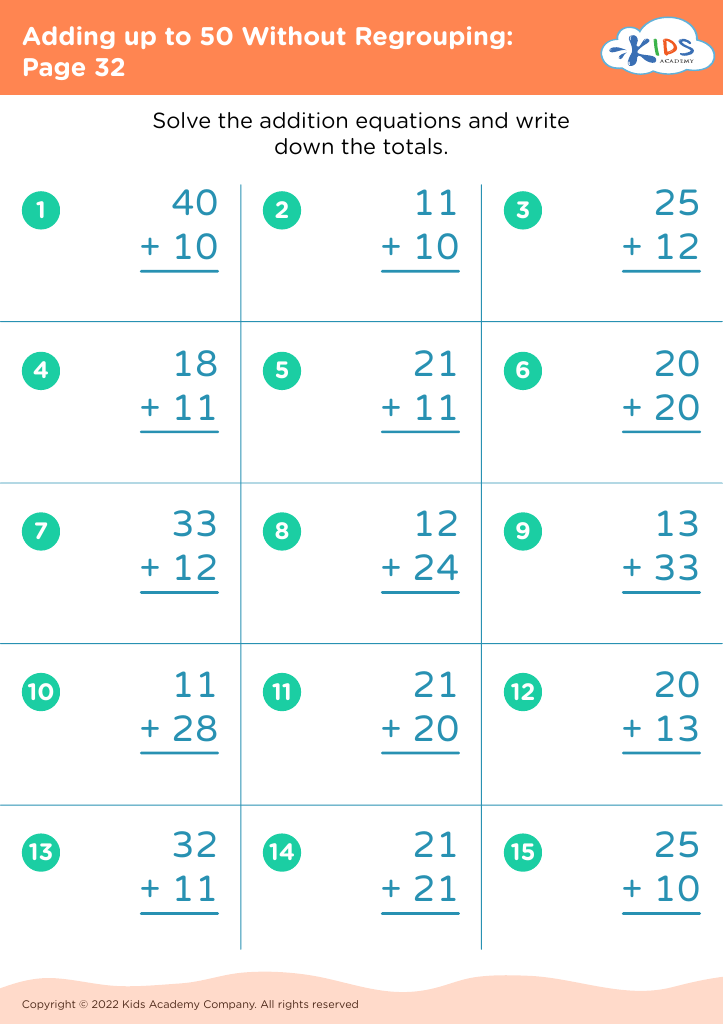
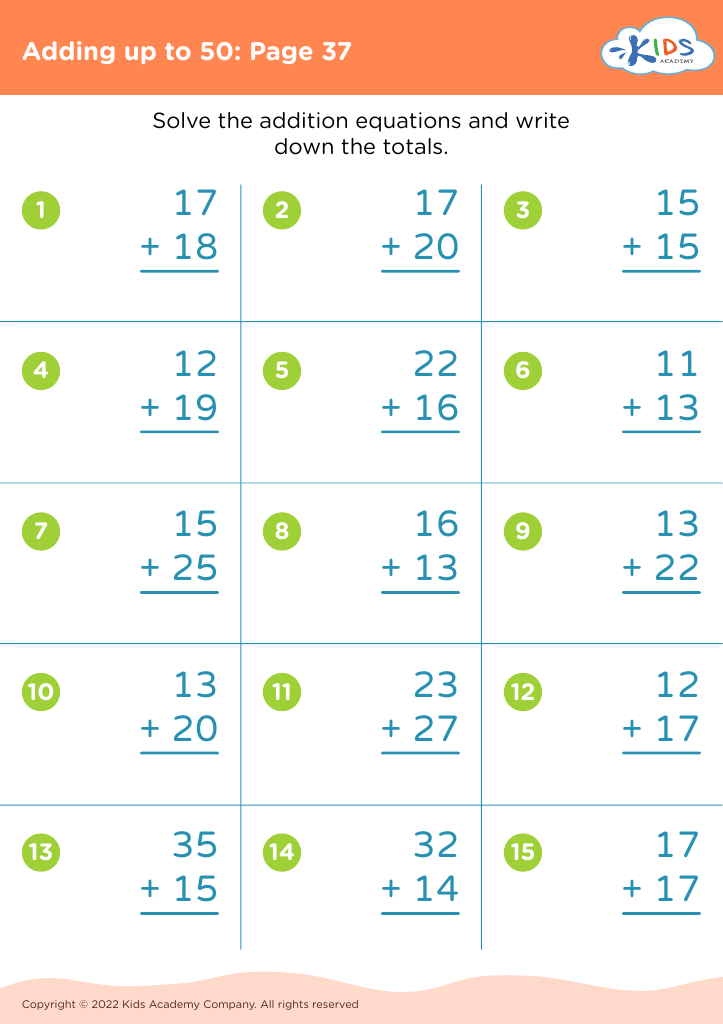
Explore our engaging Grade 2 Math worksheets focused on counting objects! These printable resources are designed to help young learners develop essential counting skills through fun and interactive activities. Students will practice counting a variety of objects, enhancing their number recognition and understanding of quantity. Our worksheets cater to different learning styles, ensuring every child can grasp these foundational mathematical concepts. With vibrant visuals and age-appropriate challenges, these materials will keep your second graders motivated while they build confidence in their counting abilities. Ideal for classroom use or home practice, our worksheets make learning math exciting and effective!
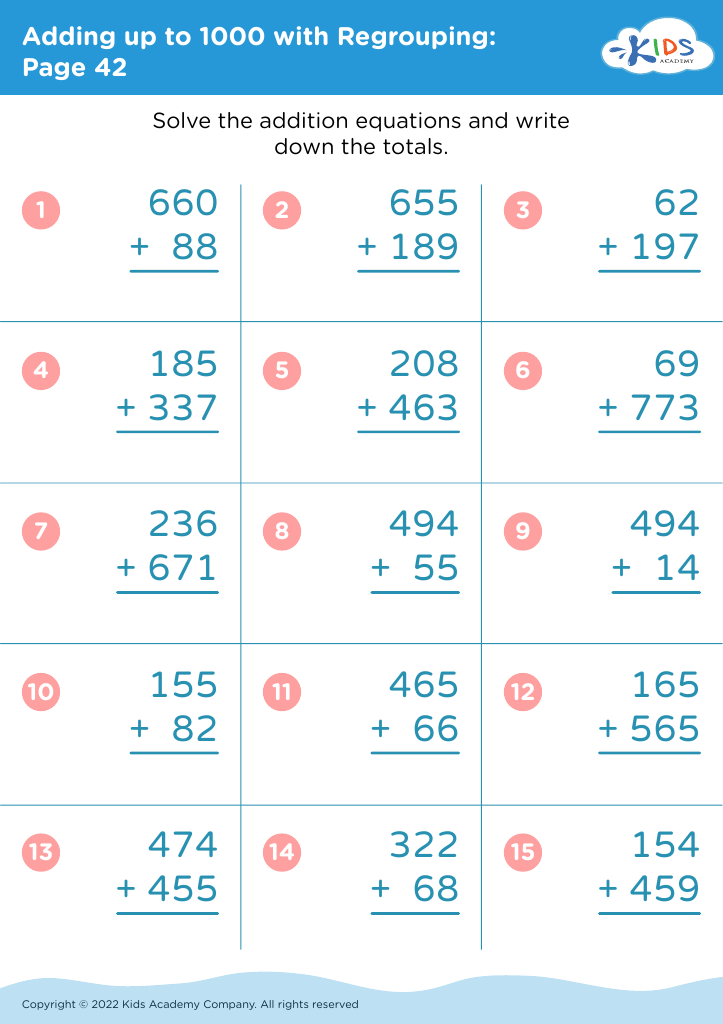
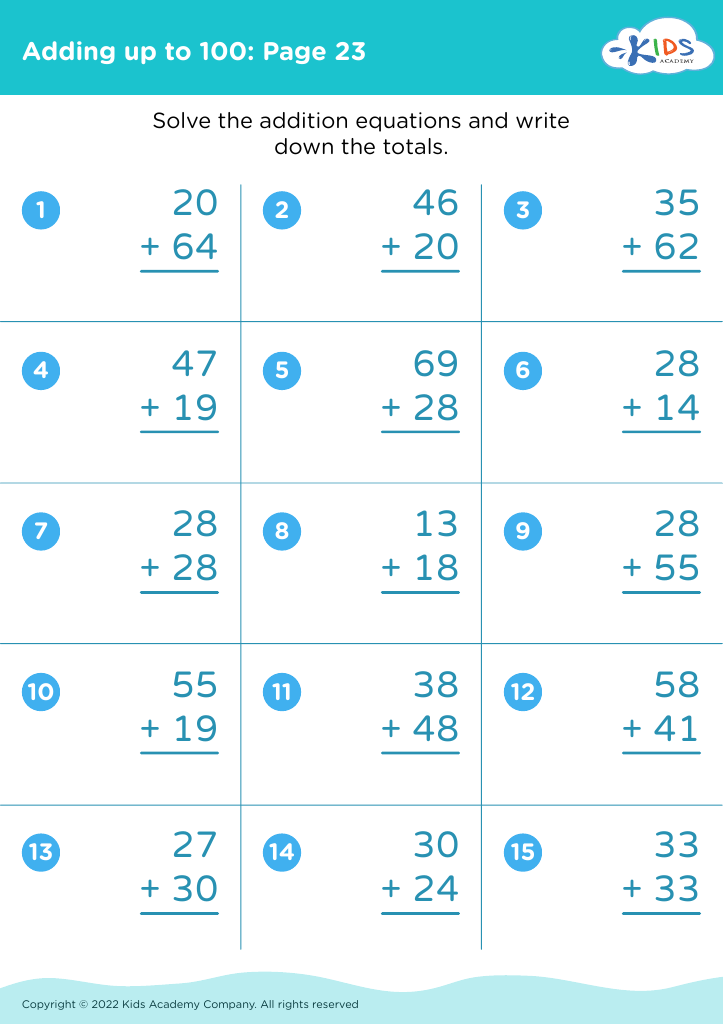
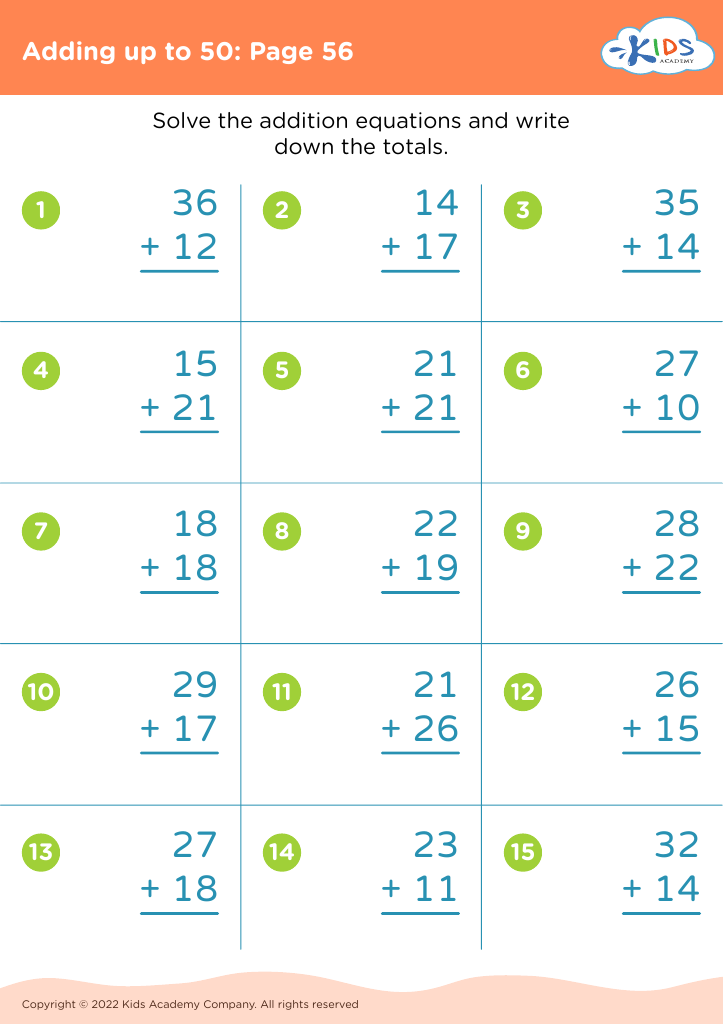
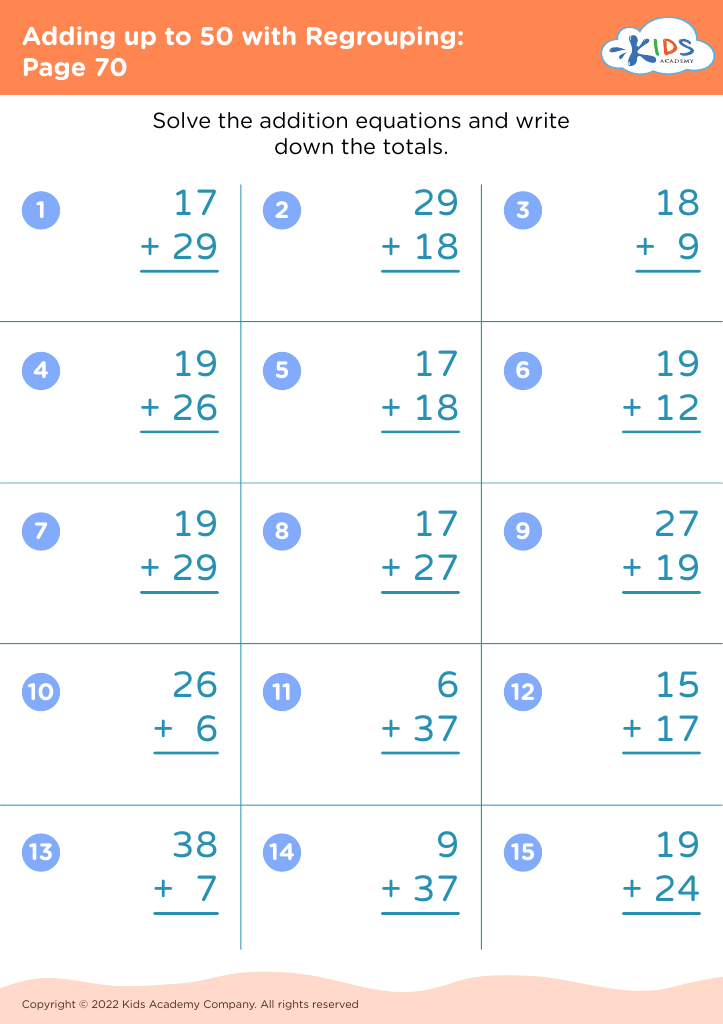
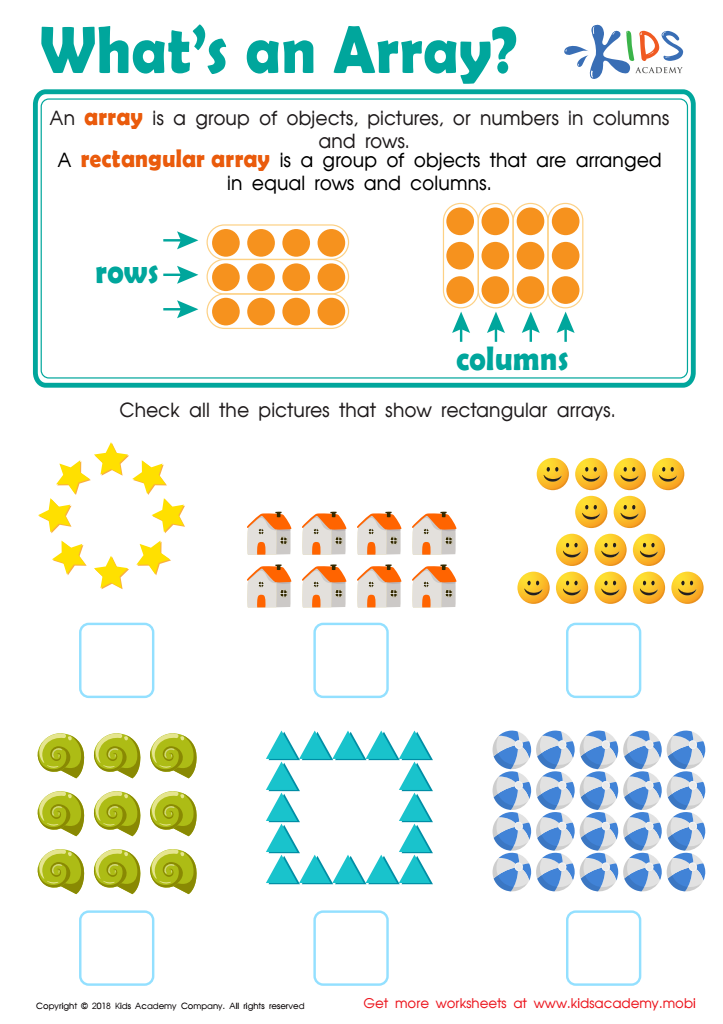
What's an Array? Worksheet
 Assign to My Students







Counting objects is a foundational skill in Grade 2 math that significantly impacts a child's overall learning and development. First and foremost, it enhances a child’s numerical sense, which helps in understanding more complex mathematical concepts later on, such as addition, subtraction, and even multiplication. Proficiency in counting builds confidence and fosters a positive attitude towards math.
Additionally, counting objects promotes critical cognitive skills. It encourages children to develop their observational skills, problem-solving abilities, and logical thinking. These skills extend beyond mathematics and are essential in everyday life, as they help children analyze situations and make informed decisions.
Moreover, counting is vital for early literacy as it often involves using language to describe quantities, compare items, and communicate ideas—skills that are transferable to reading and writing. Engaging in counting activities also fosters parent-teacher collaboration, creating opportunities for discussions and joint learning experiences.
When parents and teachers emphasize the importance of counting objects, they not only cultivate a solid mathematical foundation but also support holistic child development, making it essential for any early-grade education approach. In inclusive and supportive environments, children learn to appreciate the joy of numbers and their real-world applications.