Develop counting skills Grade 2 Math Worksheets
5 filtered results
-
From - To
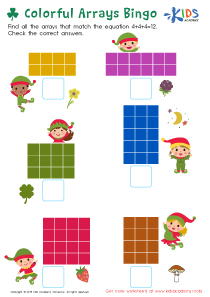
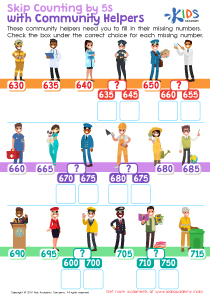
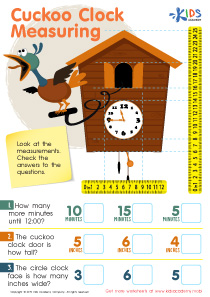
Explore our engaging Grade 2 Math Worksheets designed to develop essential counting skills for young learners. Our carefully crafted activities provide a variety of fun and interactive exercises that encourage children to practice counting objects, skip counting, and recognizing number patterns. These worksheets aim to enhance number sense and boost confidence in early math skills through colorful visuals and relatable themes. Whether used in the classroom or at home, our resources offer a solid foundation for mastering counting concepts. Help your second grader thrive in math with our easy-to-use, print-friendly worksheets that make learning both enjoyable and effective!
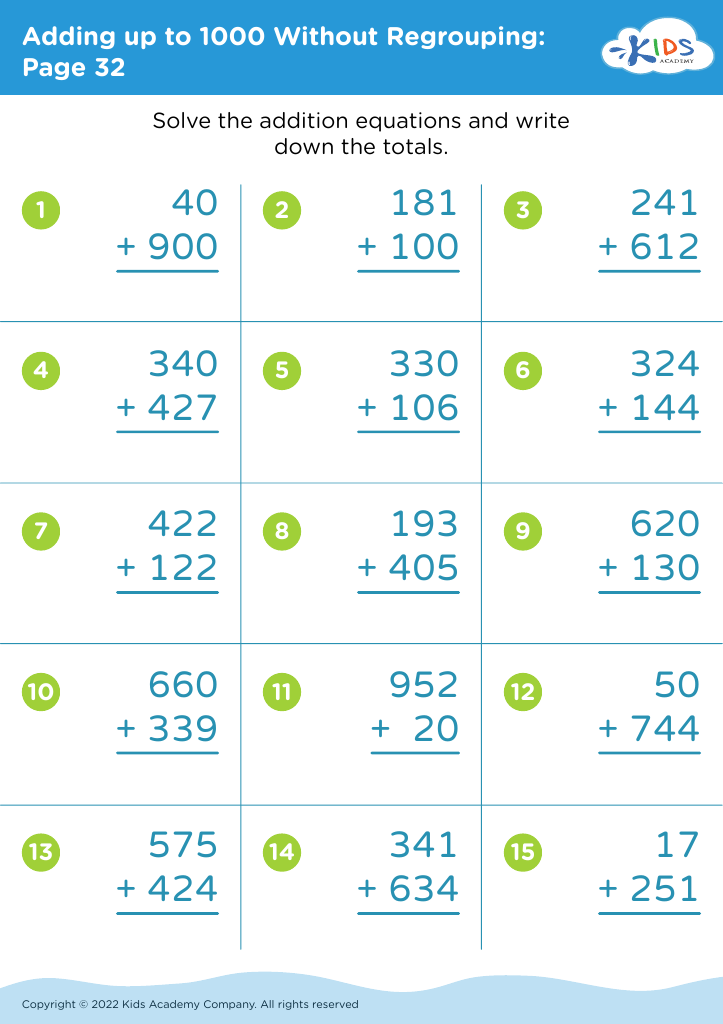
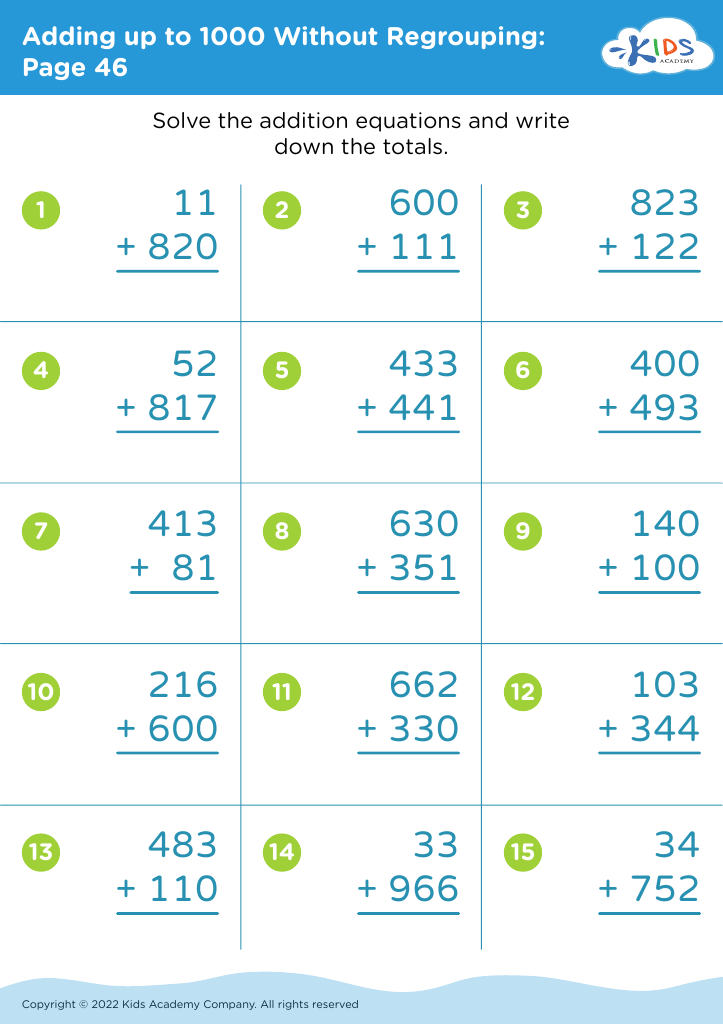
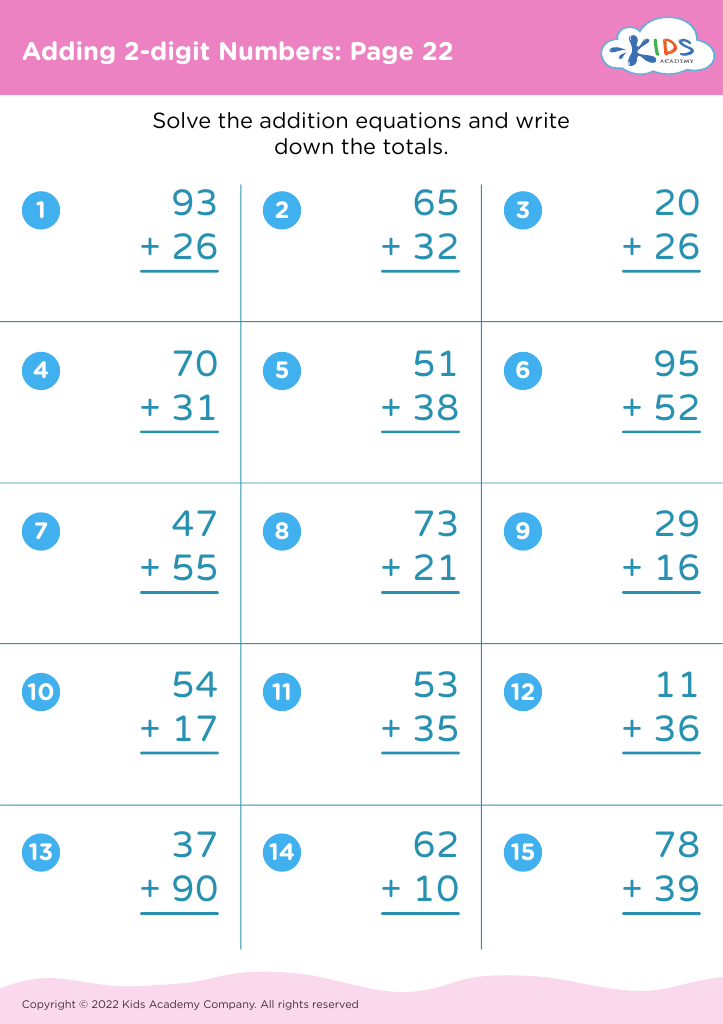
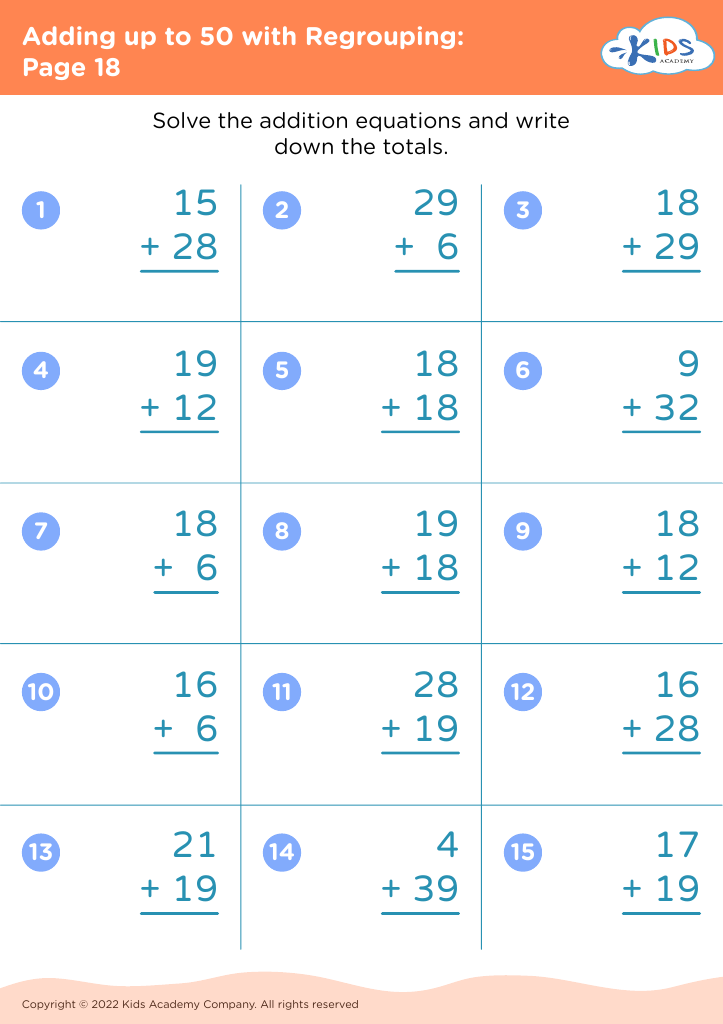
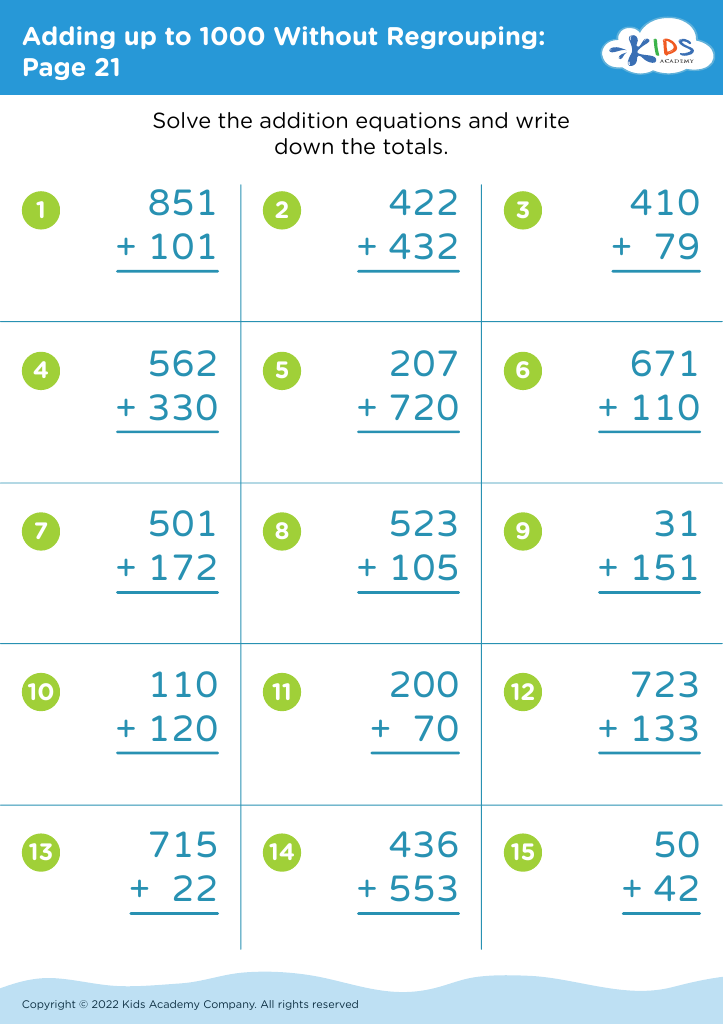







Developing counting skills in Grade 2 math is crucial for several reasons that parents and teachers should prioritize. First, foundational counting skills support children in grasping more complex mathematical concepts, such as addition and subtraction. Mastery of these skills allows students to progress confidently to higher-level arithmetic, enabling them to tackle multiplication and division effectively.
Moreover, counting skills foster a sense of number sense—helping children understand the relationships between numbers, enhancing their ability to compare quantities, and developing estimation tactics. Beyond mathematics, strong counting abilities promote critical thinking and problem-solving skills; children learn to take organized steps to arrive at solutions, which is applicable in various subjects.
Socially, counting is often incorporated in everyday life—transactions, measuring, and time management—contributing to practical life skills. When parents and teachers work together to reinforce counting skills, they provide a supportive environment that encourages learning and perseverance.
Ultimately, prioritizing counting skills equips students with the confidence and tools essential for academic success and real-life situations. This early investment lays the groundwork for lifelong mathematical understanding and logic, supporting children’s future educational journeys.