Develop logical thinking Grade 2 Math Worksheets
9 filtered results
-
From - To
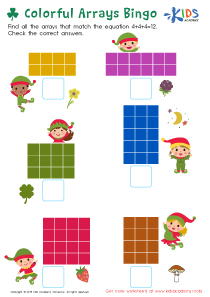
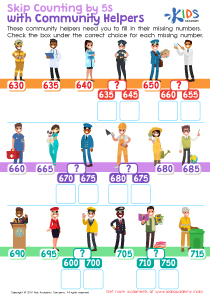
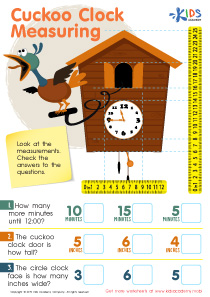
Enhance your Grade 2 students' logical thinking skills with our engaging math worksheets! At Kids Academy, we provide a variety of interactive activities designed to boost problem-solving abilities and critical thinking. Our worksheets focus on pattern recognition, sequencing, and logical reasoning, helping young learners grasp essential math concepts in a fun, hands-on way. Each worksheet is aligned with educational standards to ensure comprehensive learning and growth. Perfect for classroom use or at-home practice, these resources make learning enjoyable. Empower your child to tackle math challenges confidently and cultivate a strong foundation in logical thinking with our expertly crafted worksheets!
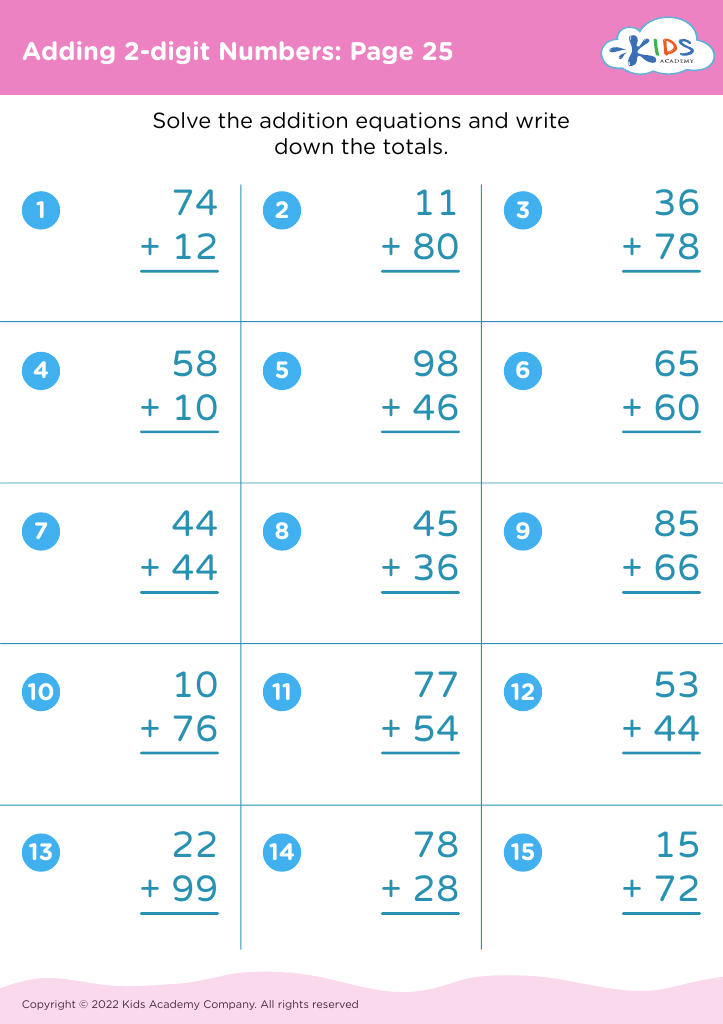
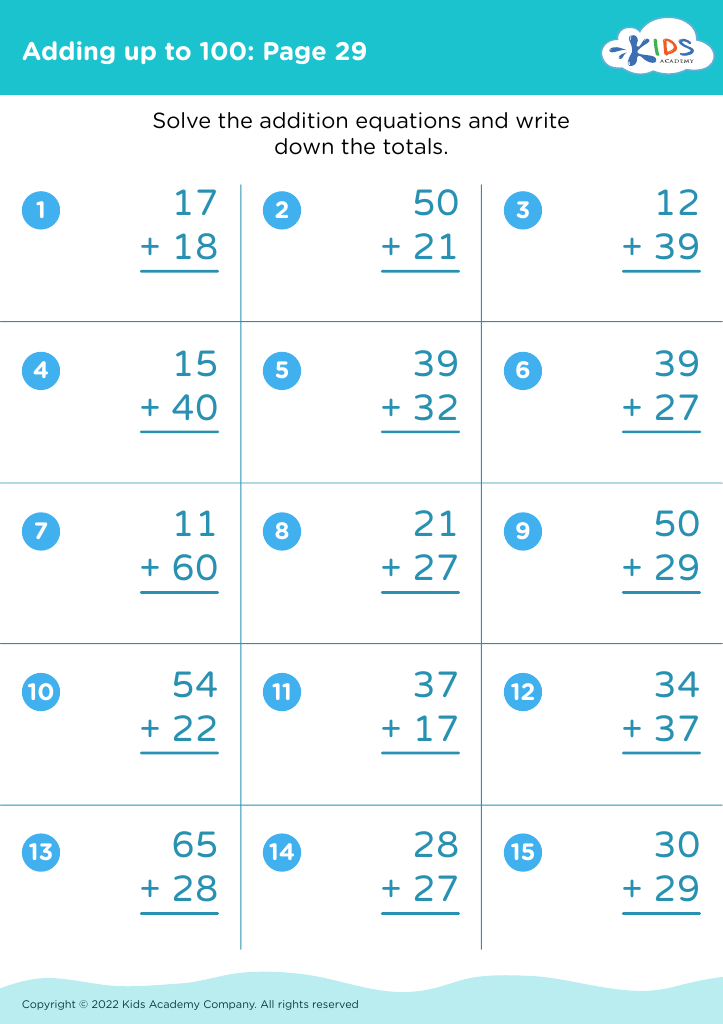
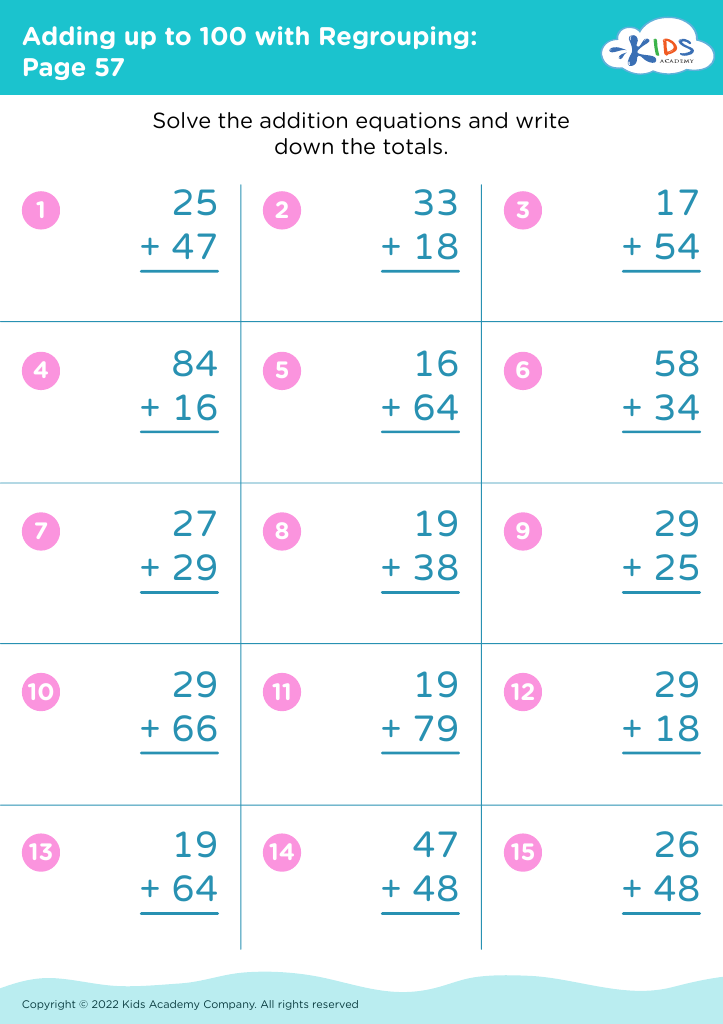
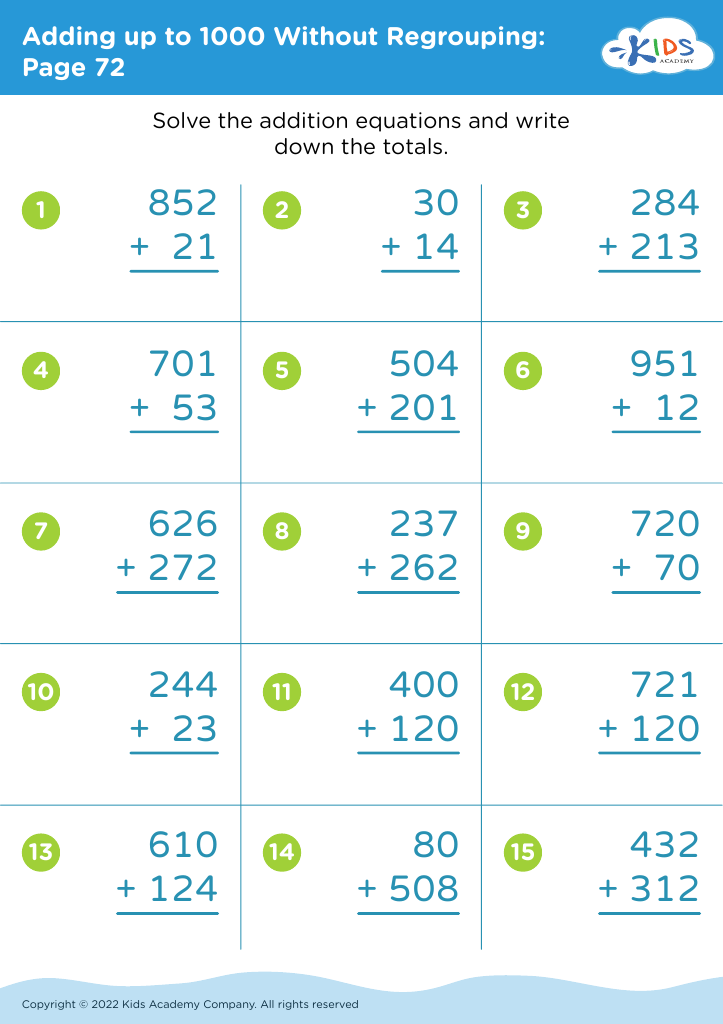
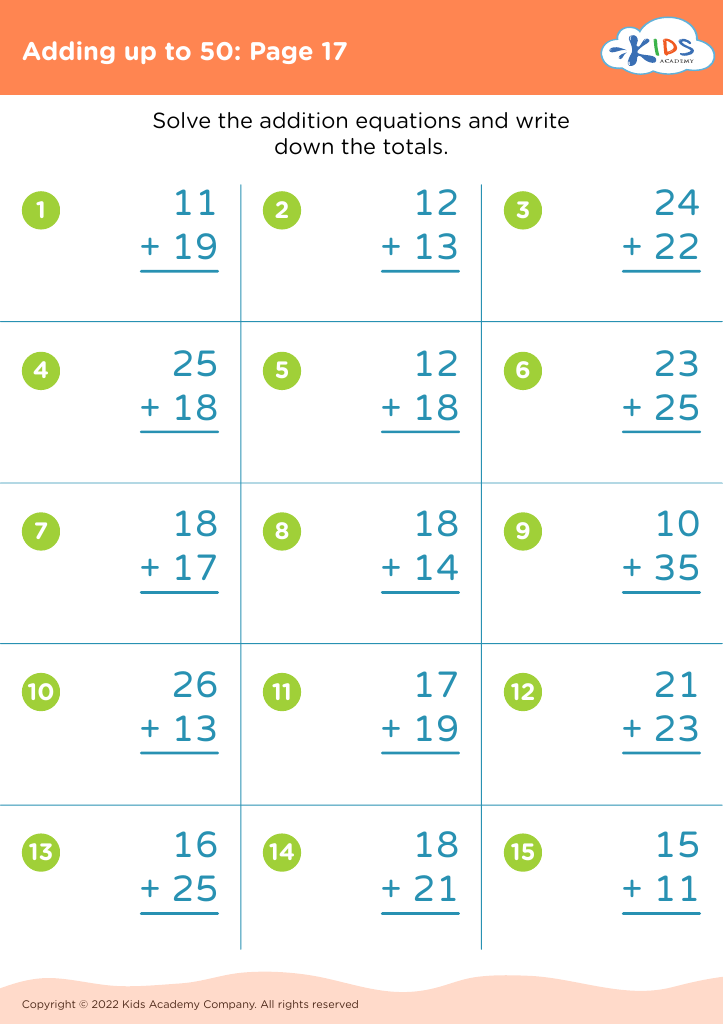
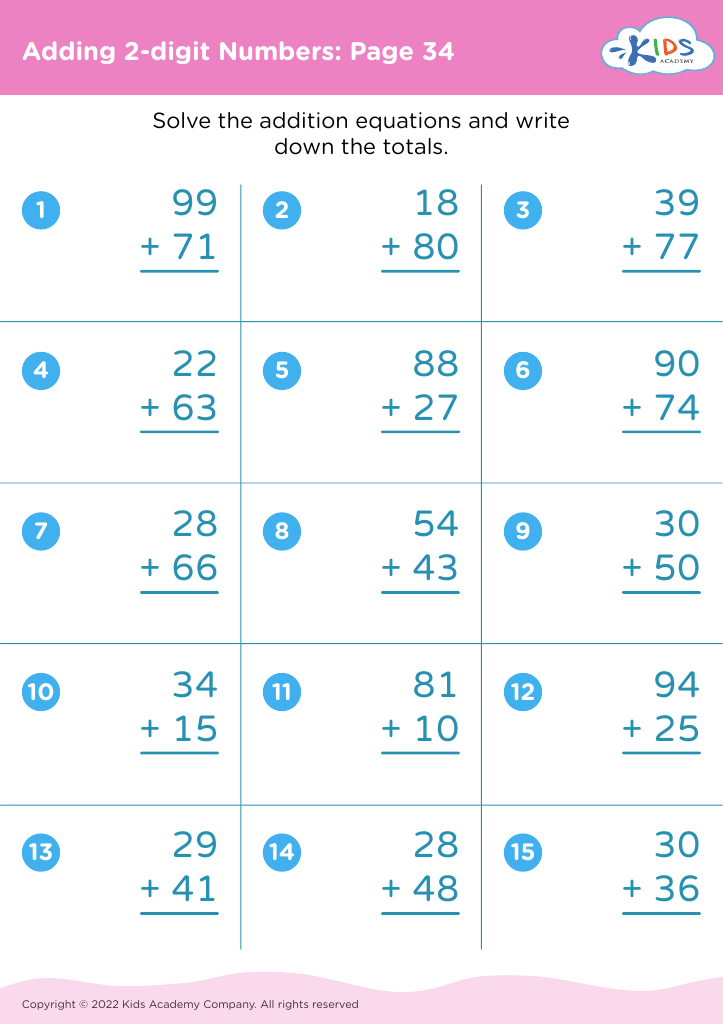
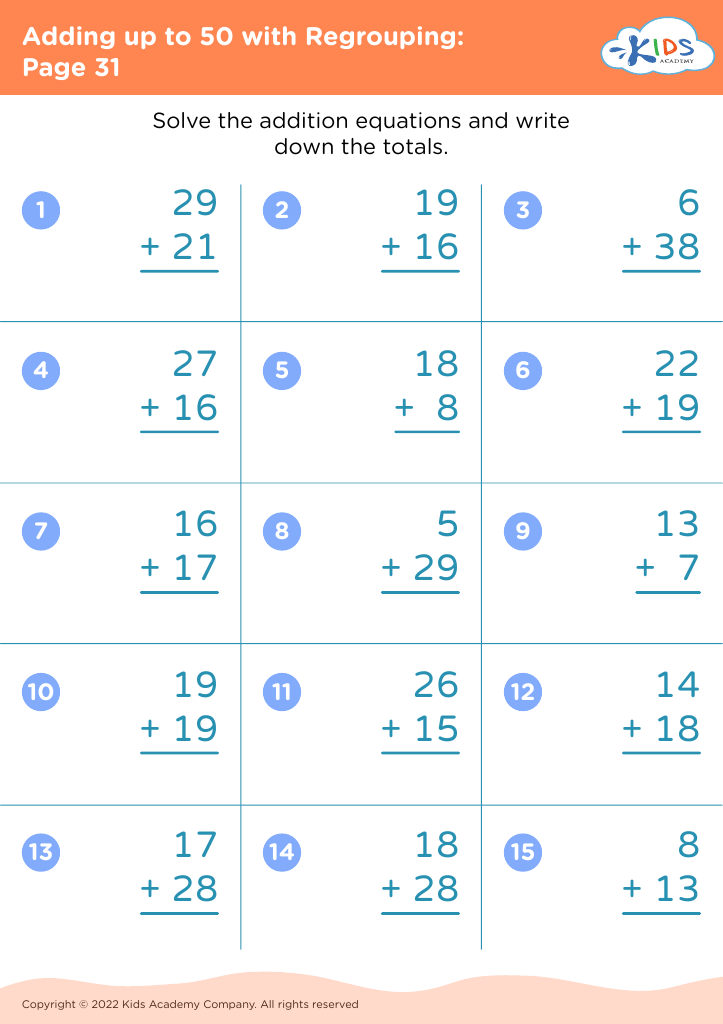
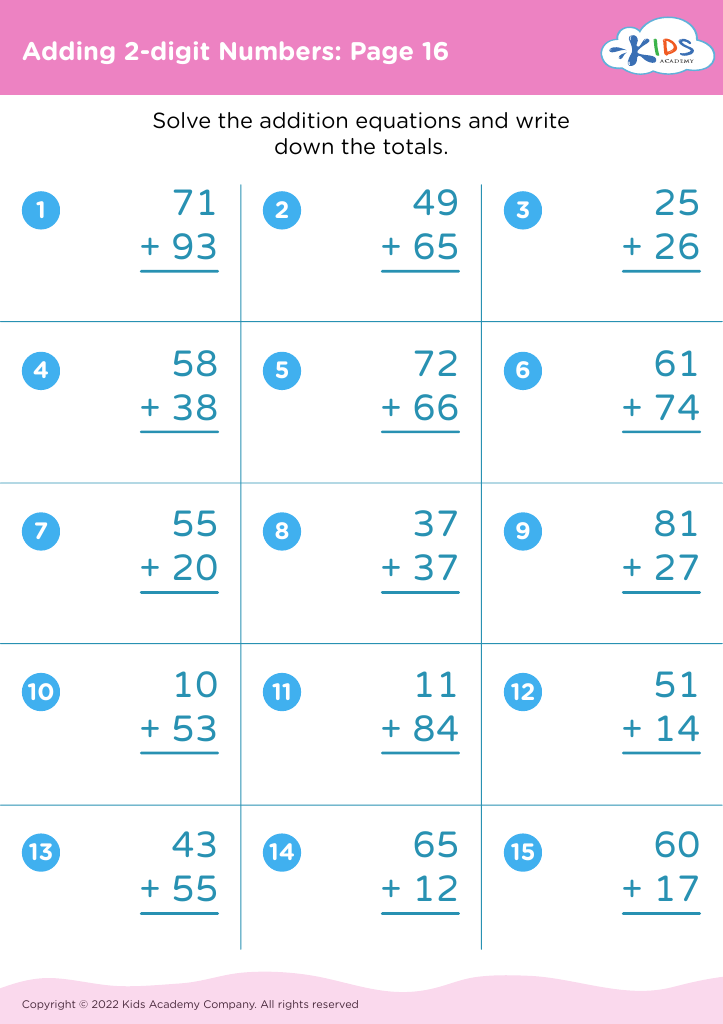
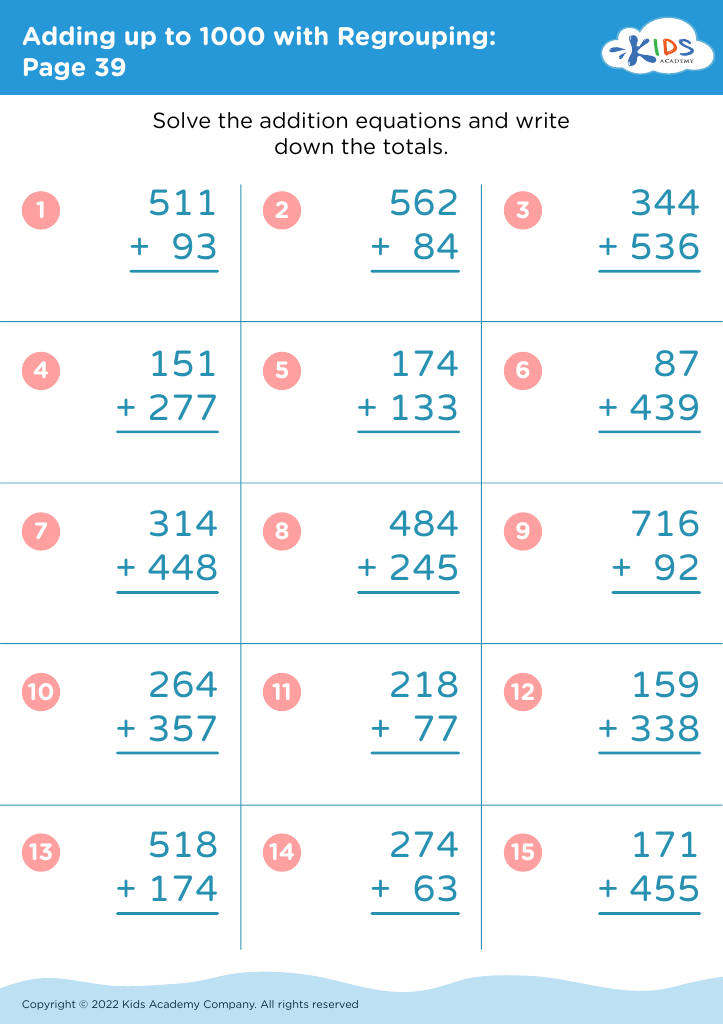








Developing logical thinking in Grade 2 math is crucial for both parents and teachers because it lays the foundation for critical problem-solving skills that children will use throughout their academic careers and in everyday life. At this stage, students are introduced to basic mathematical concepts such as addition, subtraction, patterns, and simple reasoning. Engaging young learners in logical thinking encourages them to analyze and approach problems systematically, fostering a mindset that values reasoning over mere memorization.
Parents play a key role in reinforcing these skills at home by providing real-world scenarios that require children to apply logic, such as sharing snacks or organizing toys. Teachers can help by incorporating activities and games that promote logical reasoning, ensuring that learning remains enjoyable and interactive.
Moreover, developing strong logical thinking skills in early grades contributes to greater confidence in math, reduces anxiety related to the subject, and helps children tackle more complex concepts in the future. As a result, logically thinking students are better equipped for academic success and can approach challenges creatively and confidently, making early math education a pivotal aspect of overall child development. Both parents and teachers should prioritize fostering logical thinking to support holistic growth in young learners.