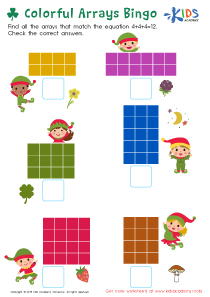
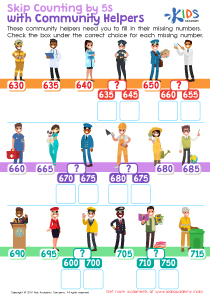
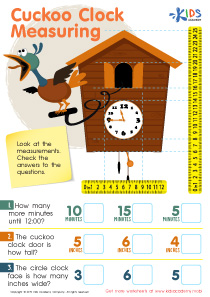
Enhance counting skills Grade 2 Math Worksheets
12 filtered results
Difficulty Level
Grade
Age
-
From - To
Subject
Activity
Standards
Unlock your child’s potential with our "Enhance Counting Skills" Grade 2 Math Worksheets! These expertly designed resources make learning fun and engaging, helping students master the essential skill of counting. Our worksheets cover various counting concepts, including numerals, skip counting, and more, all tailored to the second-grade curriculum. Bright visuals and interactive activities captivate young learners, promoting confidence and improving mathematical skills. Whether used at home or in the classroom, these worksheets are perfect for reinforcing counting skills in an enjoyable way. Download today and watch your child thrive in math, building a strong foundation for future success!
Favorites
With answer key
Interactive
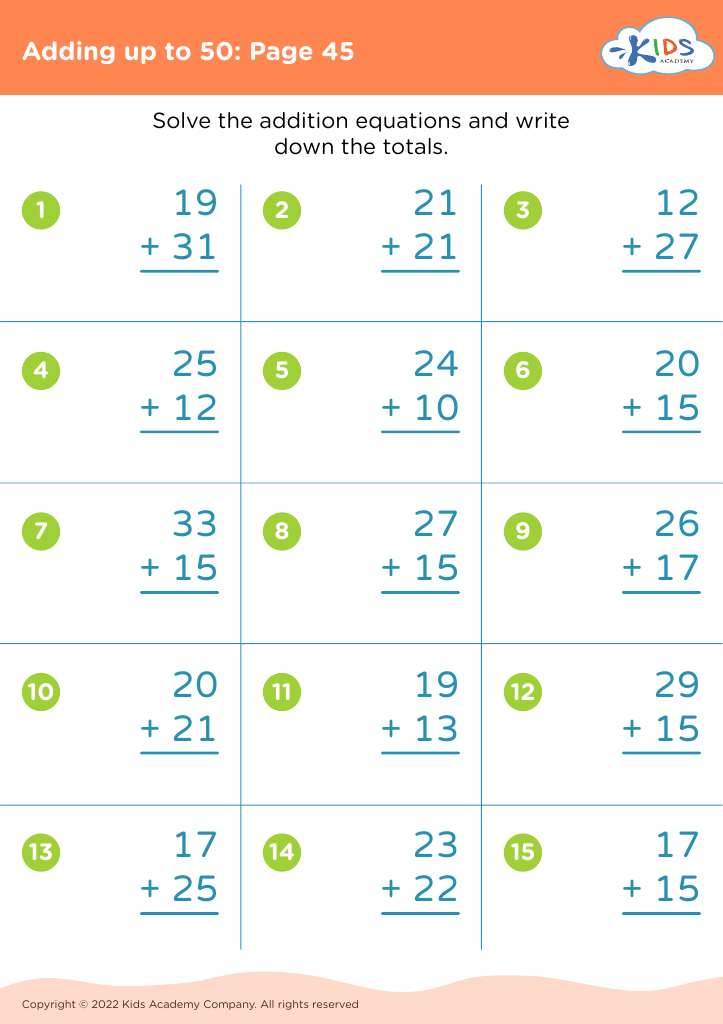
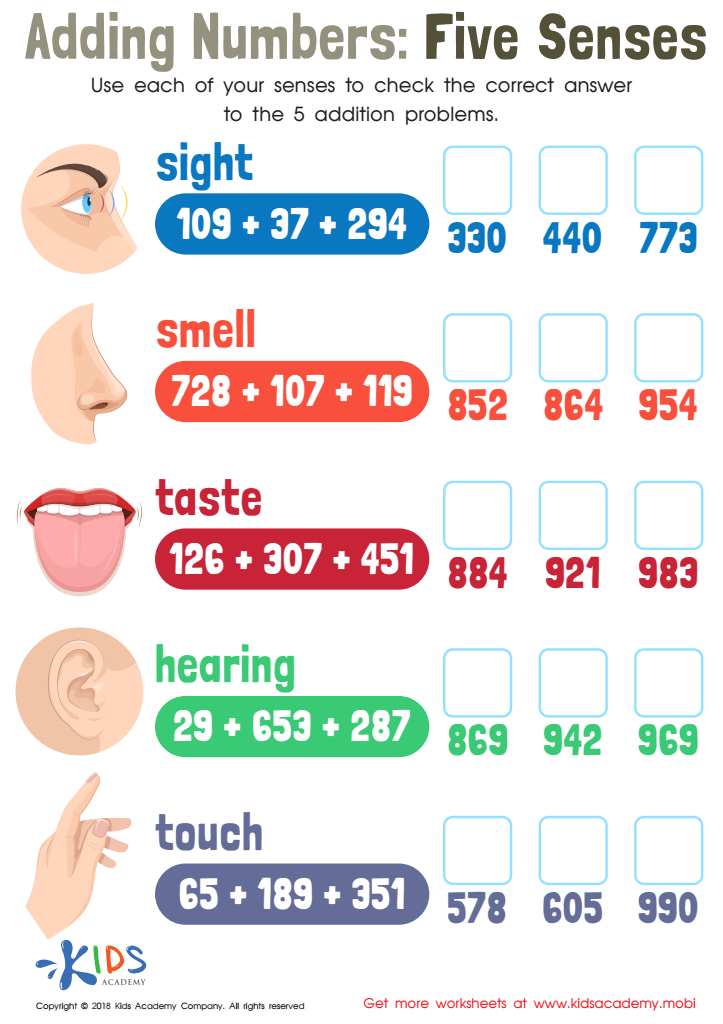
Adding Numbers: Five Senses Worksheet
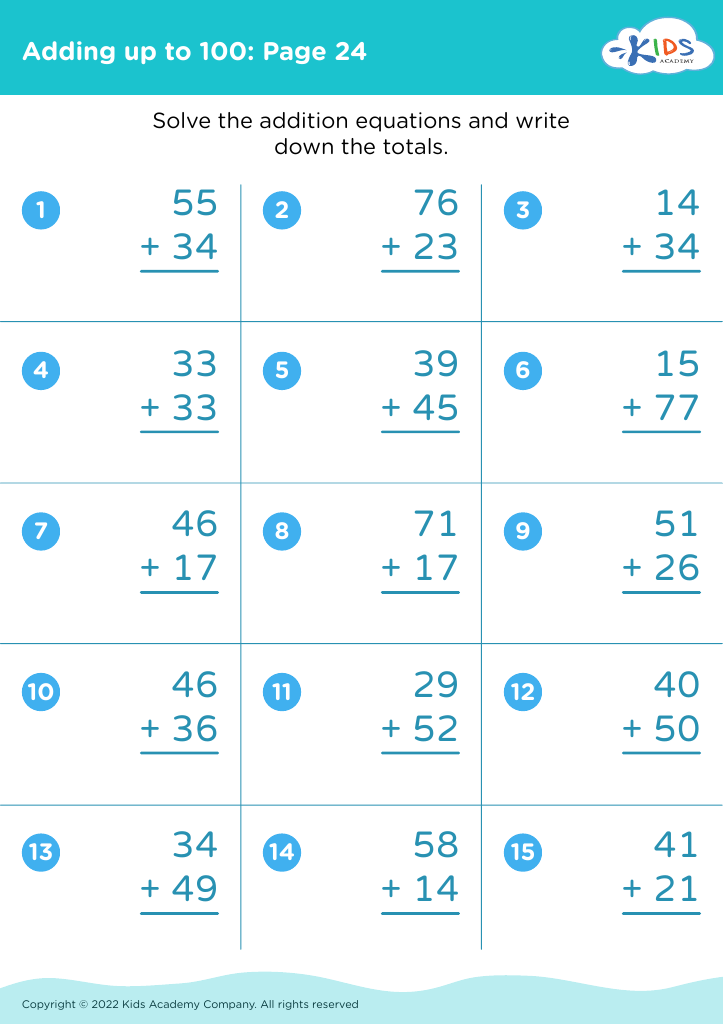
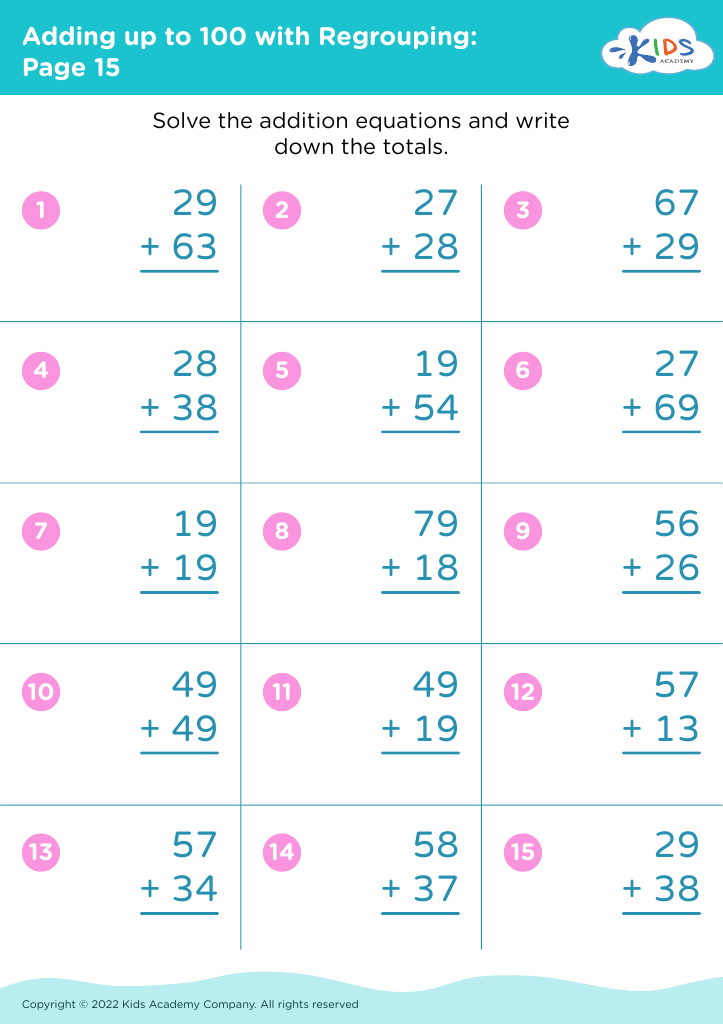
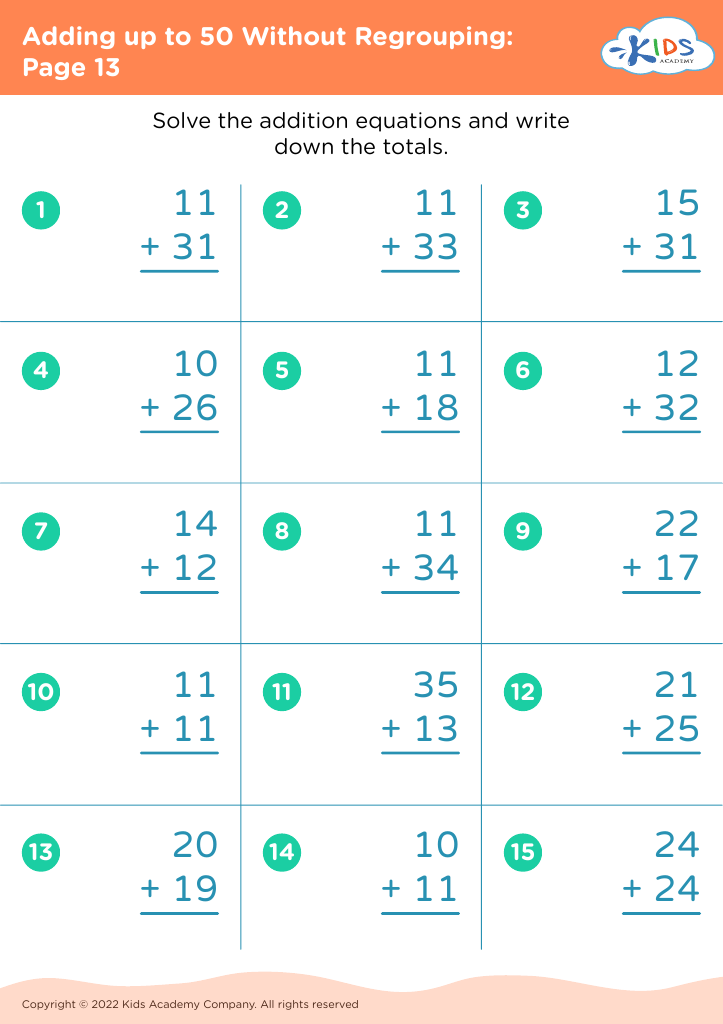
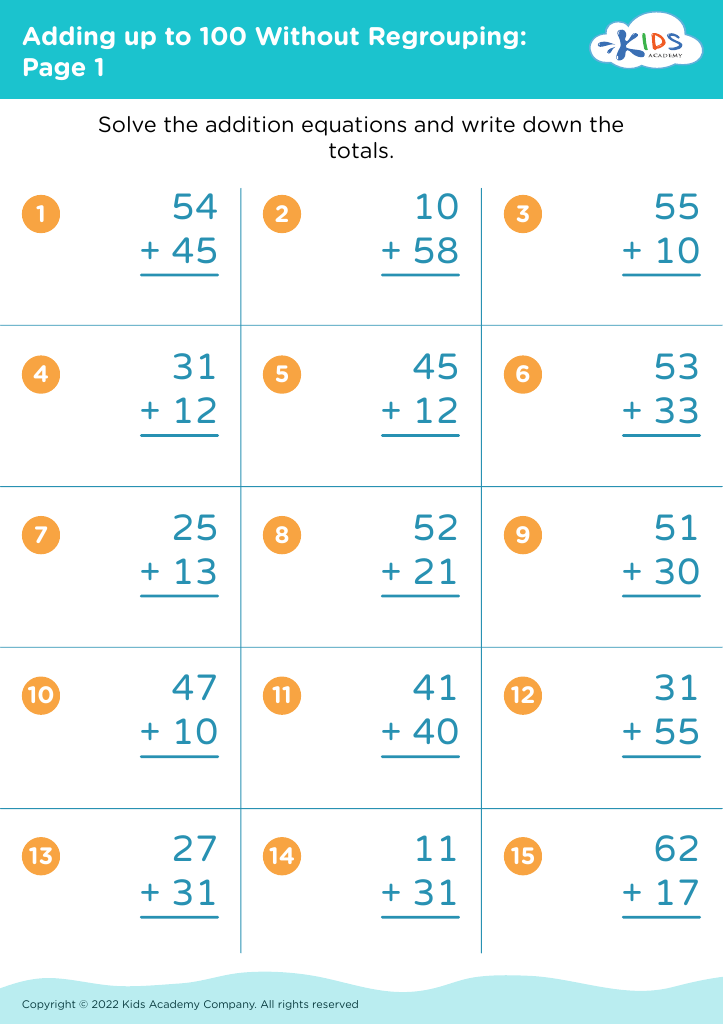
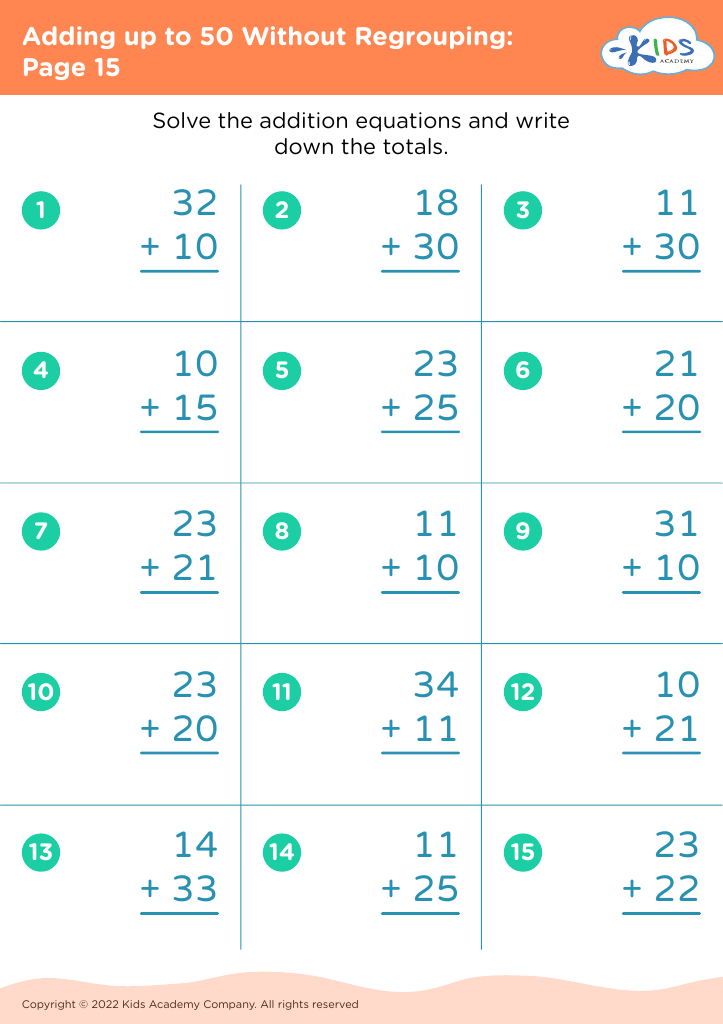
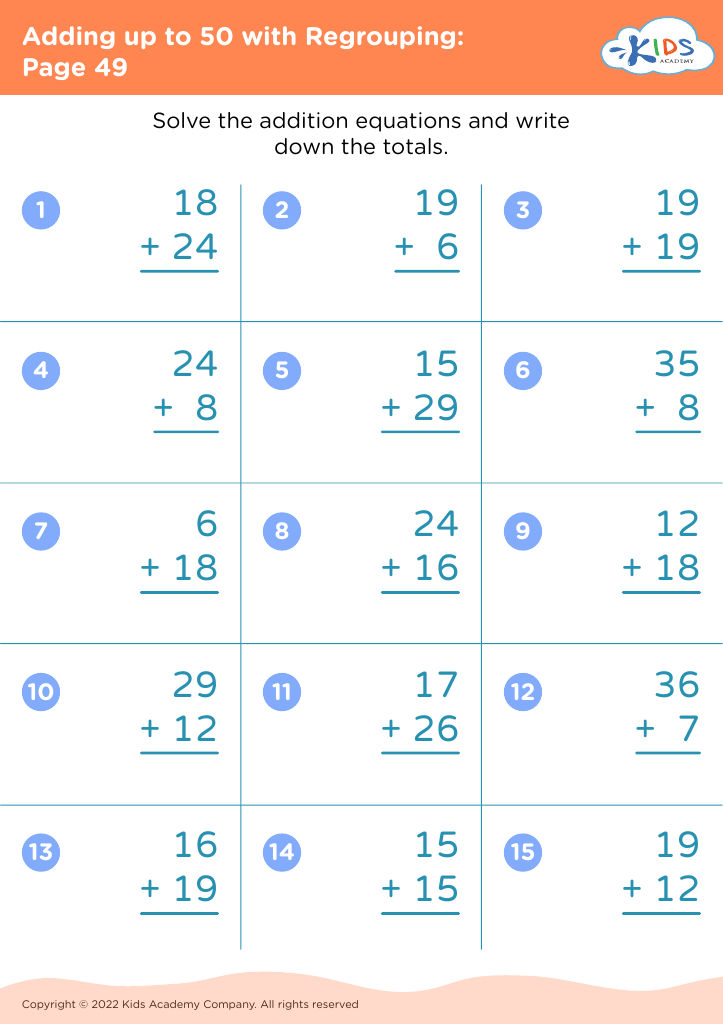
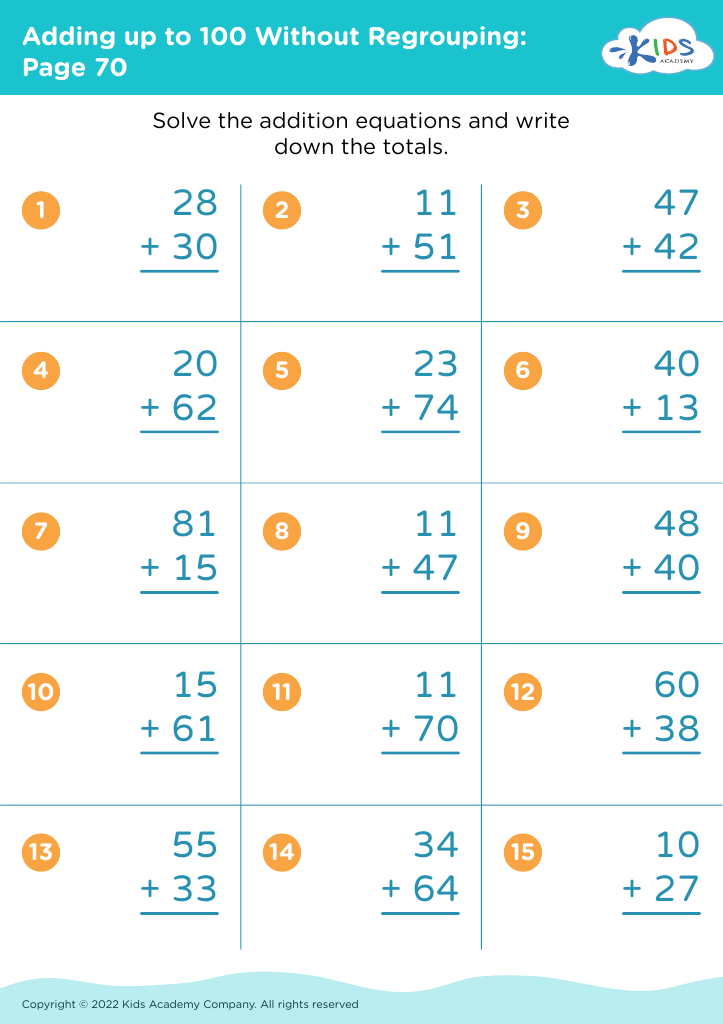
Help your child identify the five senses on their body: eye, nose, tongue, ear, and skin. Explain that they're used for seeing, smelling, tasting, hearing and touching. Then, have them solve the five addition problems in the worksheet and check the correct answers.
 Assign to My Students
Adding Numbers: Five Senses Worksheet
Worksheet
Join Kids Academy for Free
Who is primarily going to use this learning content?







Enhancing counting skills in Grade 2 is crucial for both parents and teachers as it serves as the foundation for a child's mathematical understanding. At this age, children transition from basic counting to more complex concepts such as addition, subtraction, and ultimately, multiplication and division. Improved counting skills not only help with mathematics but also develop logical thinking and problem-solving abilities essential in everyday life.
When children possess strong counting skills, they become more confident in tackling math-related tasks, reducing anxiety towards the subject. This empowerment leads to greater engagement in classroom activities and increased participation, creating a positive feedback loop for learning. Parents and teachers play an essential role in nurturing this skill by providing ample opportunities for practice through games, storytelling, and real-life applications, such as counting objects during shopping trips.
Additionally, proficient counting serves as a vital building block for next-level math skills, enhancing motility in mathematical literacy. As our society becomes increasingly reliant on technology and data, equipping children with sound counting abilities prepares them for future academic challenges and day-to-day decision-making. Ultimately, fostering these skills cultivates a lifelong love for learning and promotes overall cognitive development in young children.