Fraction conversion Grade 2 Math Worksheets
3 filtered results
Difficulty Level
Grade
Age
-
From - To
Subject
Activity
Standards
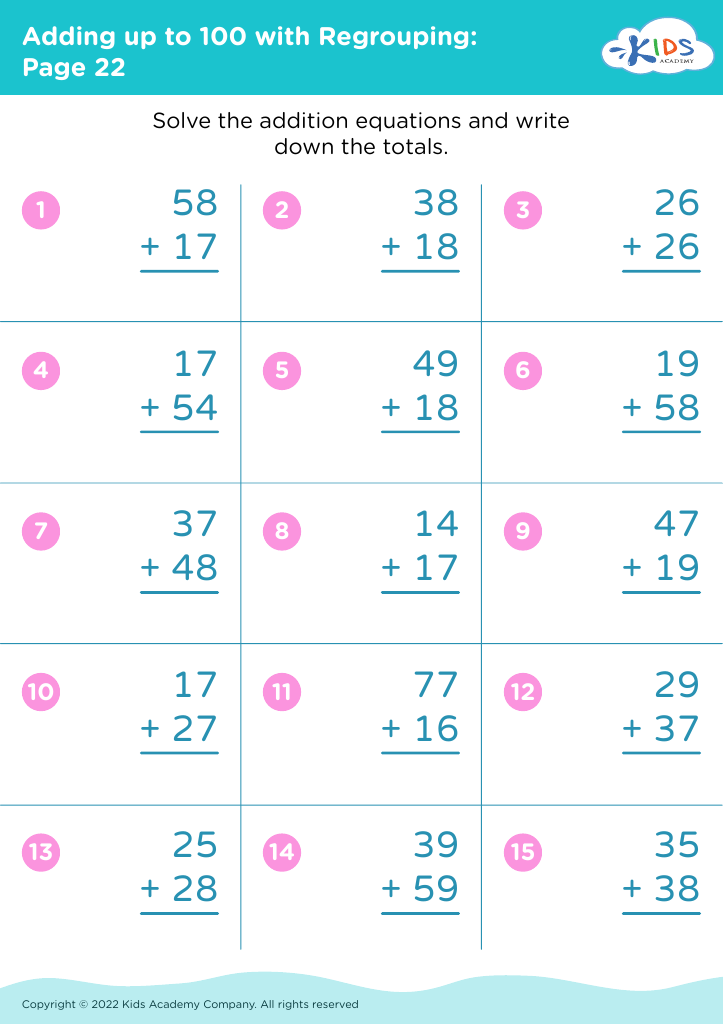
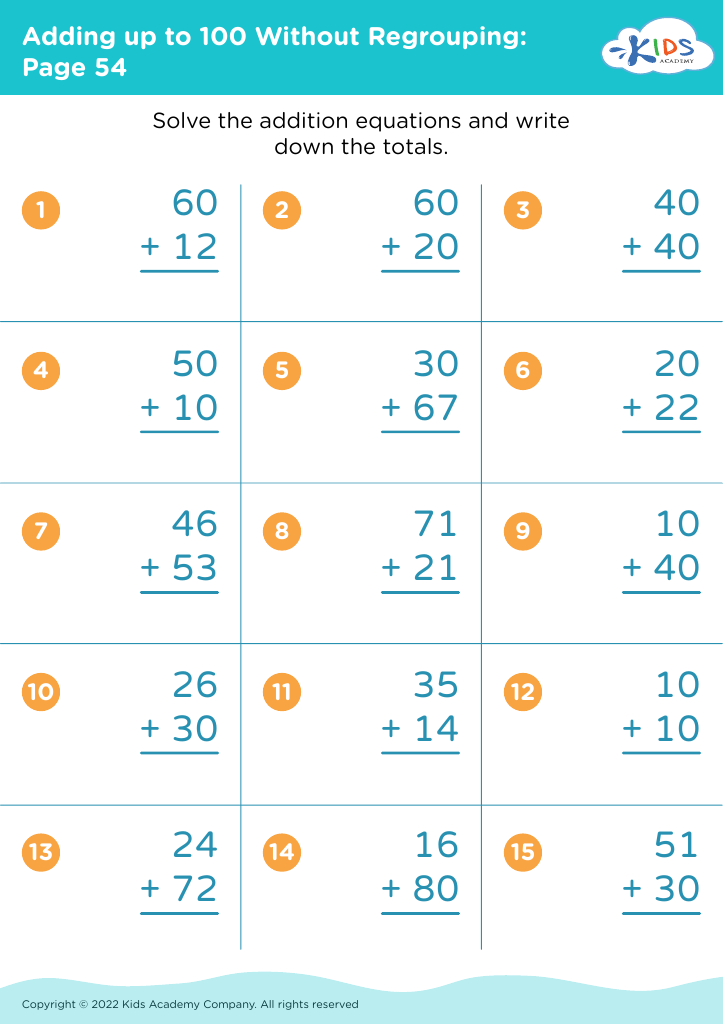
Welcome to our Grade 2 Fraction Conversion Math Worksheets! Designed to help young learners grasp the concept of fractions, these worksheets provide engaging activities that simplify the process of converting fractions. Children will explore visual aids and practice converting between improper fractions and mixed numbers, enhancing their understanding through fun exercises. Aligned with educational standards, our printable resources encourage independent learning and boost confidence in math skills. Whether in class or at home, these worksheets are perfect for reinforcing classroom concepts. Start your child's journey to mastering fractions today with our interactive and enjoyable worksheets tailored for second graders!
Favorites
With answer key
Interactive
Join Kids Academy for Free
Who is primarily going to use this learning content?








Fraction conversion is an essential component of grade 2 math that helps build a strong foundation for future mathematical learning. Understanding fractions supports critical thinking and problem-solving skills, which are vital not just in math, but across subjects and real-world scenarios.
Parents and teachers should care about fraction conversion for several reasons. First, learning to convert fractions improves number sense and enhances students’ ability to compare quantities. For example, figuring out that 1/2 is equivalent to 2/4 helps children grasp the concept of part-to-whole relationships, which is fundamental in understanding measurements and proportions.
Furthermore, fraction conversion fosters communication skills, urging students to articulate their reasoning and share their understanding. It encourages exploration with manipulatives and visual aids, making math interactive and engaging. This creates a positive perception of math as a valuable tool rather than a tedious task.
Lastly, these skills lay groundwork for more complex math concepts that will be encountered in later grades, such as adding and subtracting fractions and working with decimals. Therefore, emphasizing fraction conversion helps ensure that children develop confidence and competence in math, setting them up for long-term academic success.