Identifying fractions Grade 2 Math Worksheets
4 filtered results
-
From - To
Discover our engaging "Identifying Fractions Grade 2 Math Worksheets," designed to help young learners grasp the concept of fractions in a fun and interactive way. These worksheets incorporate vibrant visuals and age-appropriate exercises that simplify learning, making it easier for students to understand halves, quarters, and thirds. Perfect for classroom and home use, these worksheets reinforce critical skills required for 2nd grade math success. Encourage your child's mathematical reasoning while building their confidence in identifying and working with fractions. Explore our collection and watch your little ones enjoy mastering this essential math concept! Ideal for enhancing learning experiences.
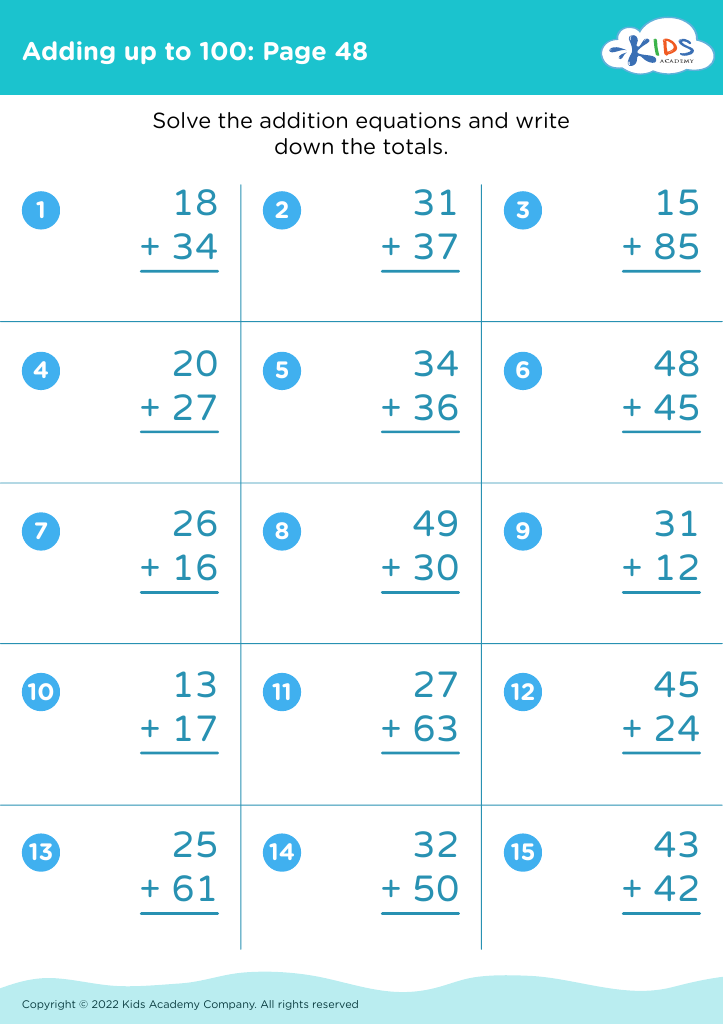
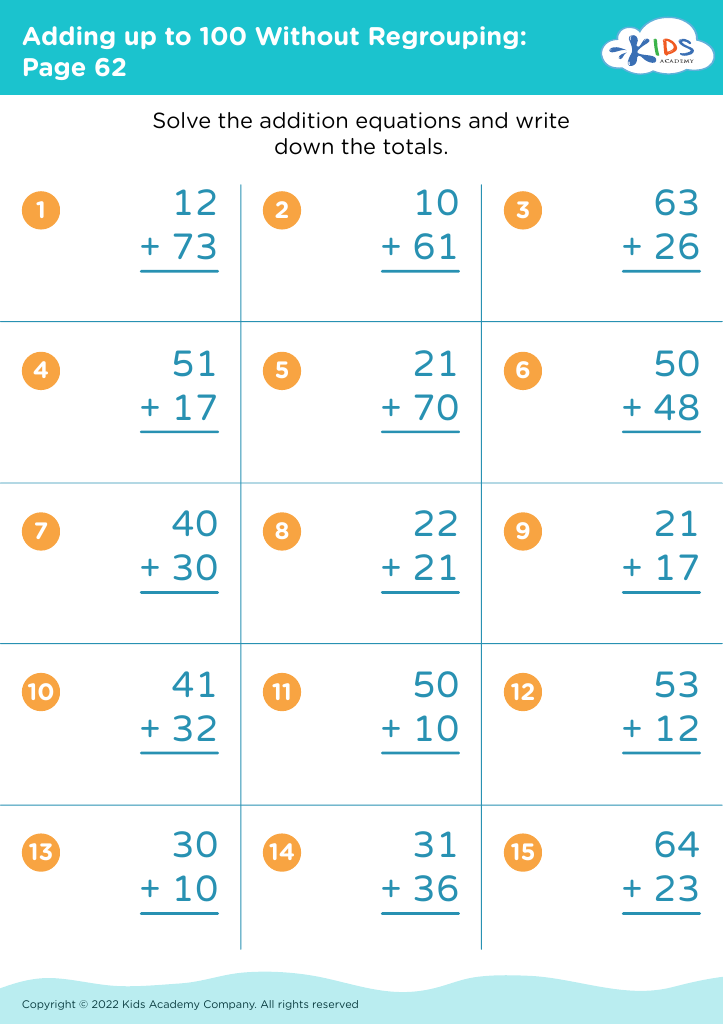
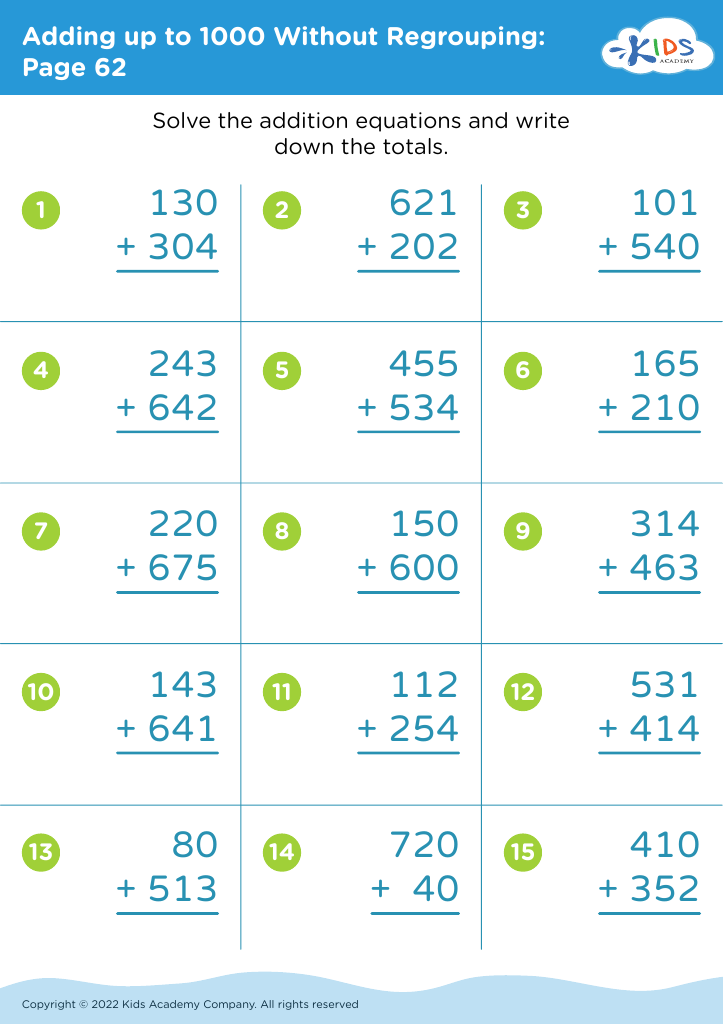








Identifying fractions in Grade 2 math is crucial for developing foundational mathematical skills that children will use throughout their academic journey and daily lives. At this stage, students begin to understand the concept of part-whole relationships, which is essential for comprehending numbers and measurements. Fractions introduce children to the idea of division, proportions, and comparisons, laying the groundwork for more complex mathematics they will encounter in later grades.
For parents and teachers, recognizing the importance of fractions fosters a child’s critical thinking skills and problem-solving abilities. Mastering fractions boosts confidence in math and can help reduce anxiety around the subject as students progress. Additionally, fractions have real-world applications—cooking, sharing, and time management involve dividing things into portions, reinforcing the relevance of learning about fractions.
By prioritizing the identification of fractions, adults can create engaging and supportive learning environments that encourage exploration and inquiry. Encouraging practical activities, like slicing fruits or measuring liquids, can make fractions more relatable and fun. Ultimately, a strong understanding of fractions allows children to excel in more advanced mathematical concepts, paving the way for future success in academics.