Learn new vocabulary Grade 2 Math Worksheets
4 filtered results
-
From - To
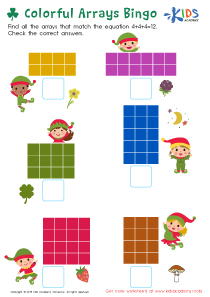
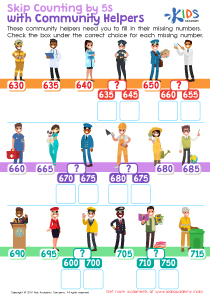
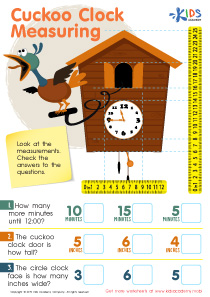
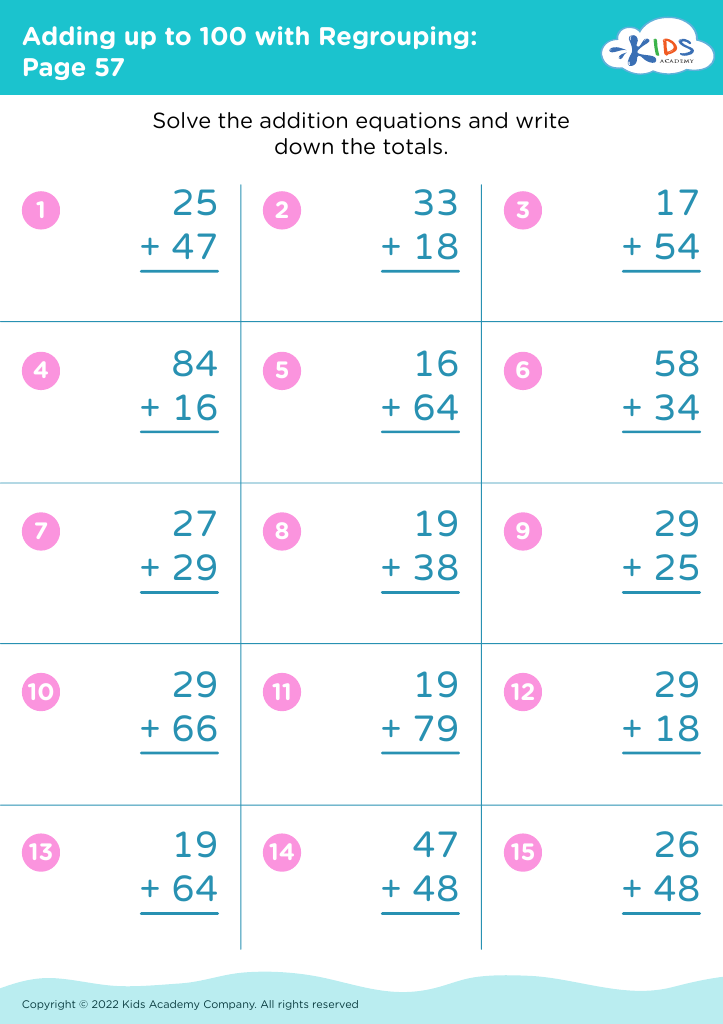
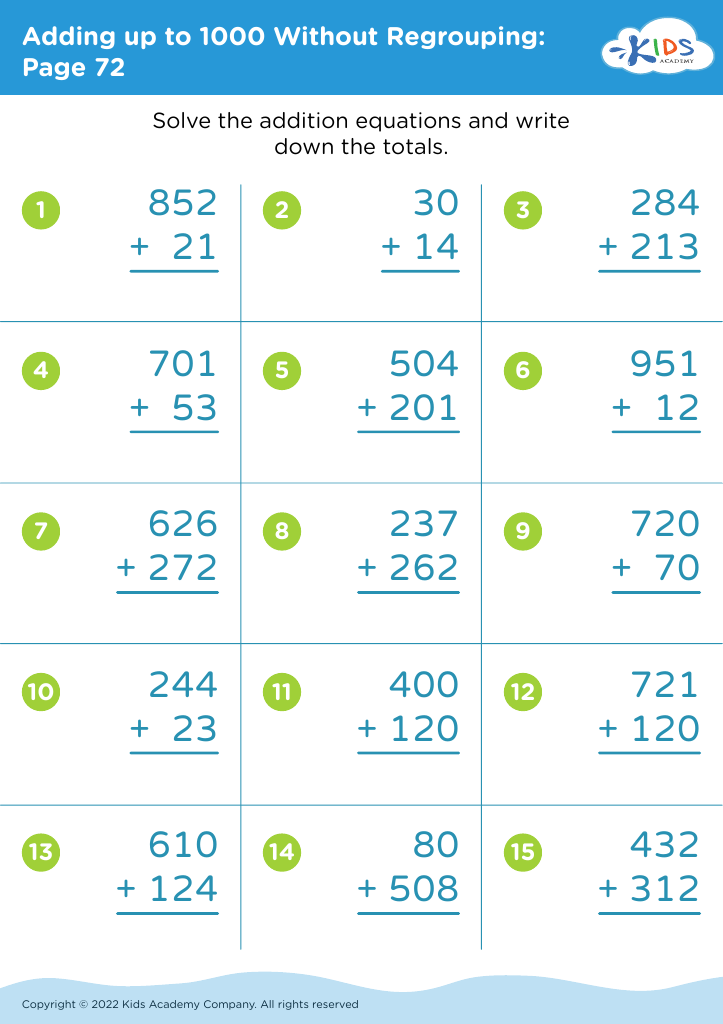
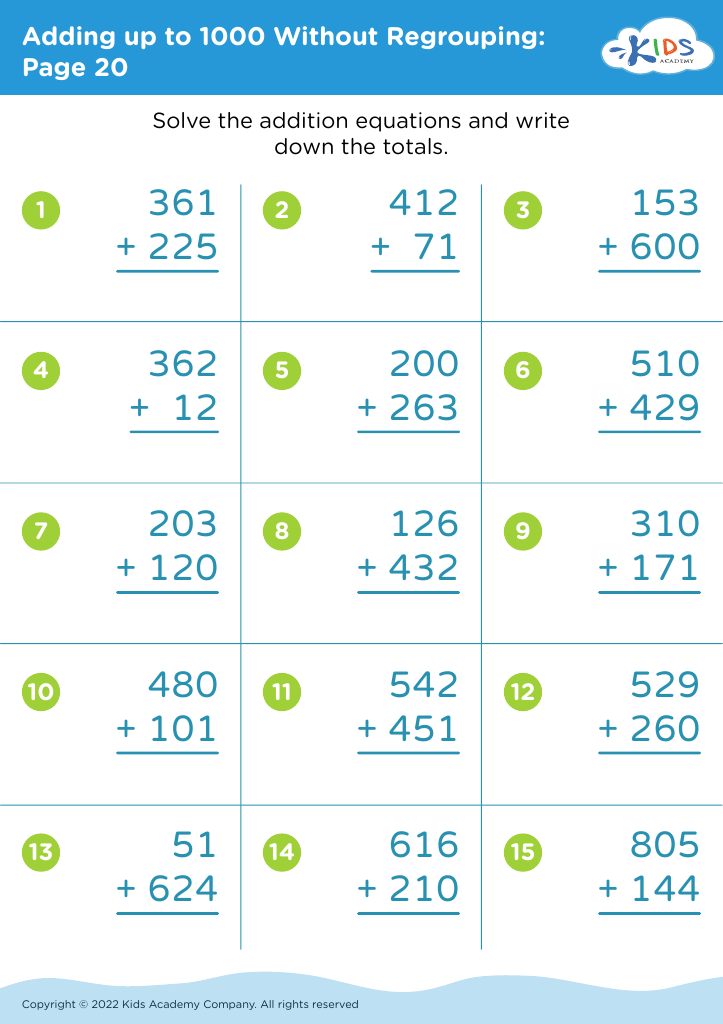
Discover engaging Grade 2 Math Worksheets designed to help young learners expand their vocabulary while mastering essential math concepts. Our carefully crafted worksheets combine fun activities with important mathematical terms, ensuring students not only understand the concepts but also acquire the language needed to express their ideas confidently. From common terms to specific math language, these worksheets encourage interactive learning through puzzles, matching exercises, and descriptive problems. Aimed at enhancing comprehension and communication skills, our resources nurture the curiosity of second graders while solidifying their math foundations. Perfect for classroom use or at-home practice, these worksheets promote a love for learning!
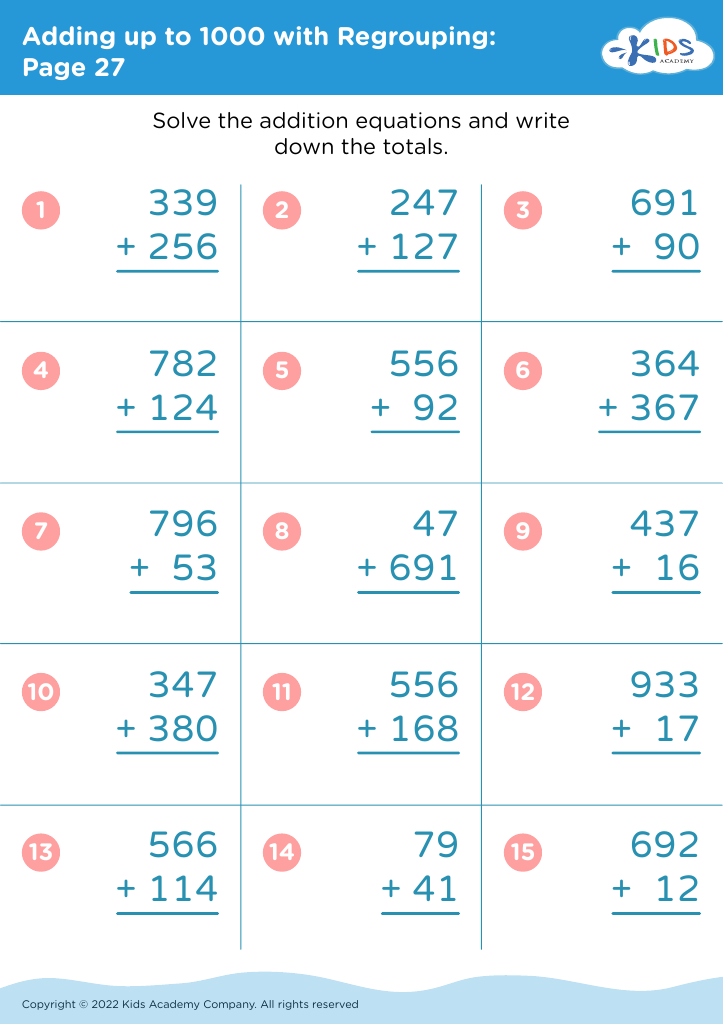







Parents and teachers should prioritize introducing new vocabulary in Grade 2 Math because language plays a crucial role in understanding mathematical concepts. At this developmental stage, children are fine-tuning their cognitive skills and building a foundational grasp of math. Introducing new terminology not only enhances comprehension but also equips students with the language necessary to express their thoughts and reasoning.
Understanding terms like "addition," "subtraction," "sum," and "difference" empowers students to articulate their problem-solving processes more effectively. This communication fosters confidence and encourages participation in class discussions. Furthermore, a strong vocabulary lays the groundwork for future learning; as students progress through their education, complex mathematical concepts will become much easier to grasp if they have a solid linguistic foundation in basic terms.
Involving parents in this process reinforces learning outside the classroom. Collaborative activities, such as using math vocabulary in everyday conversations, can support retention and understanding. By fostering a strong math vocabulary, educators and parents help create a positive learning environment that nurtures critical thinking, promotes academic success, and prepares children for more advanced numerical concepts in the future. Ultimately, enriching a child's mathematical vocabulary significantly enhances their educational journey.