Simplifying Fractions Grade 2 Math Worksheets
18 filtered results
Difficulty Level
Grade
Age
-
From - To
Subject
Activity
Standards
Welcome to our "Simplifying Fractions Grade 2 Math Worksheets"! Ideal for young learners, these engaging worksheets help students gain a solid understanding of fractions through fun activities and clear instructions. Designed specifically for second graders, our resources reinforce the concept of simplifying fractions using practical examples and visual aids. Each worksheet promotes critical thinking and problem-solving skills, making learning enjoyable and effective. Perfect for classroom use or at-home practice, these worksheets cater to various learning styles, empowering students to enhance their math skills while building confidence. Start simplifying fractions with our colorful and interactive worksheets today!
Favorites
With answer key
Interactive
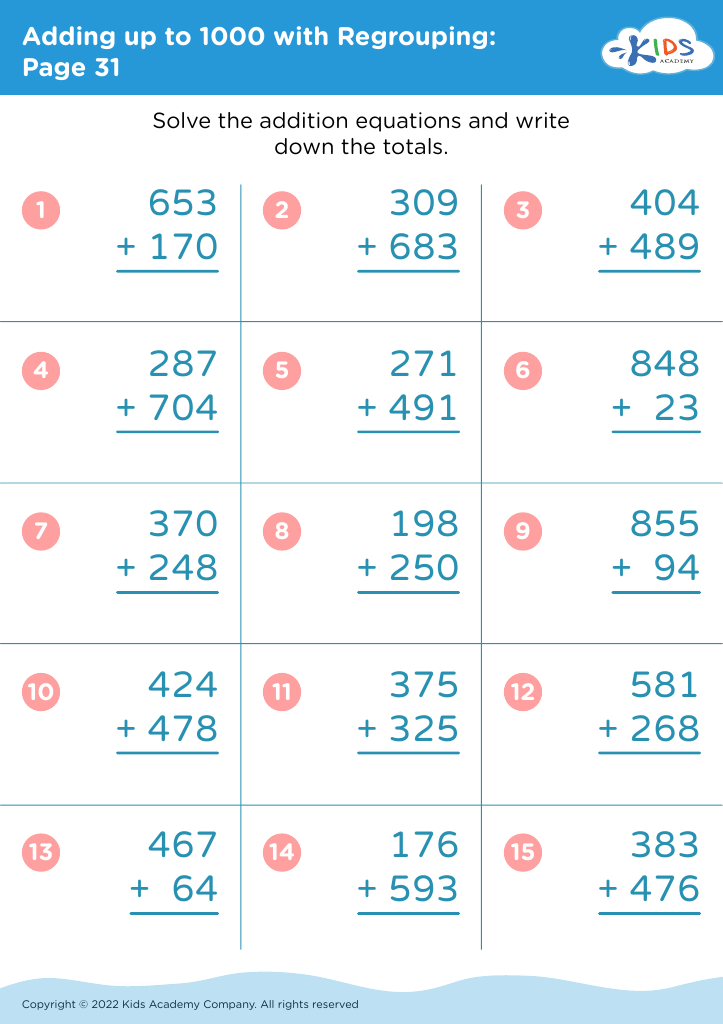
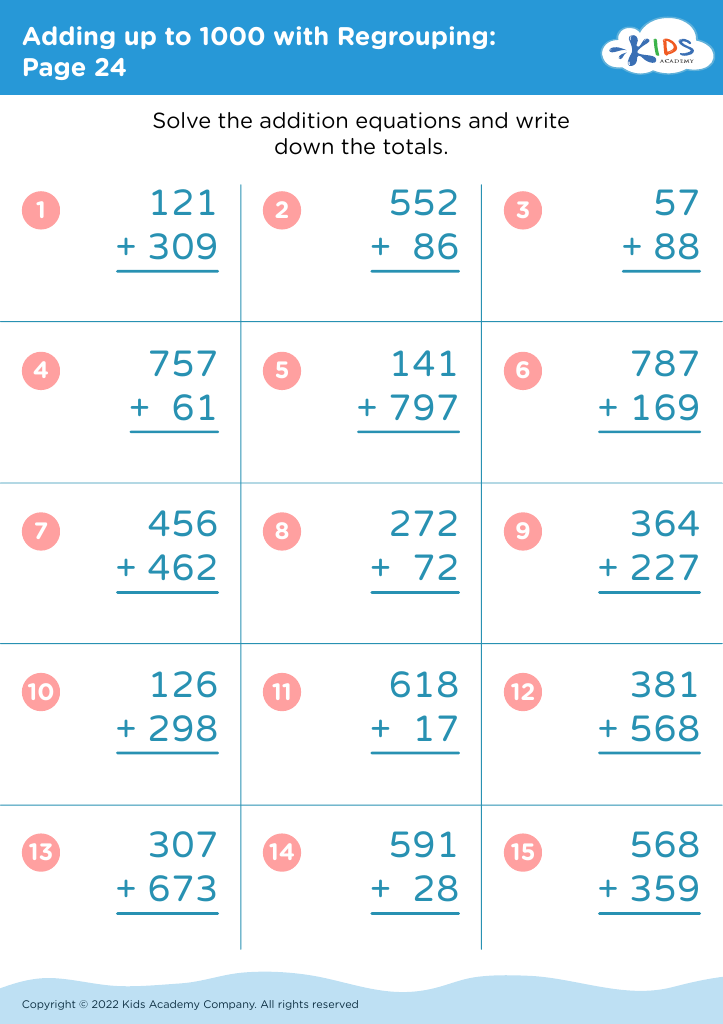
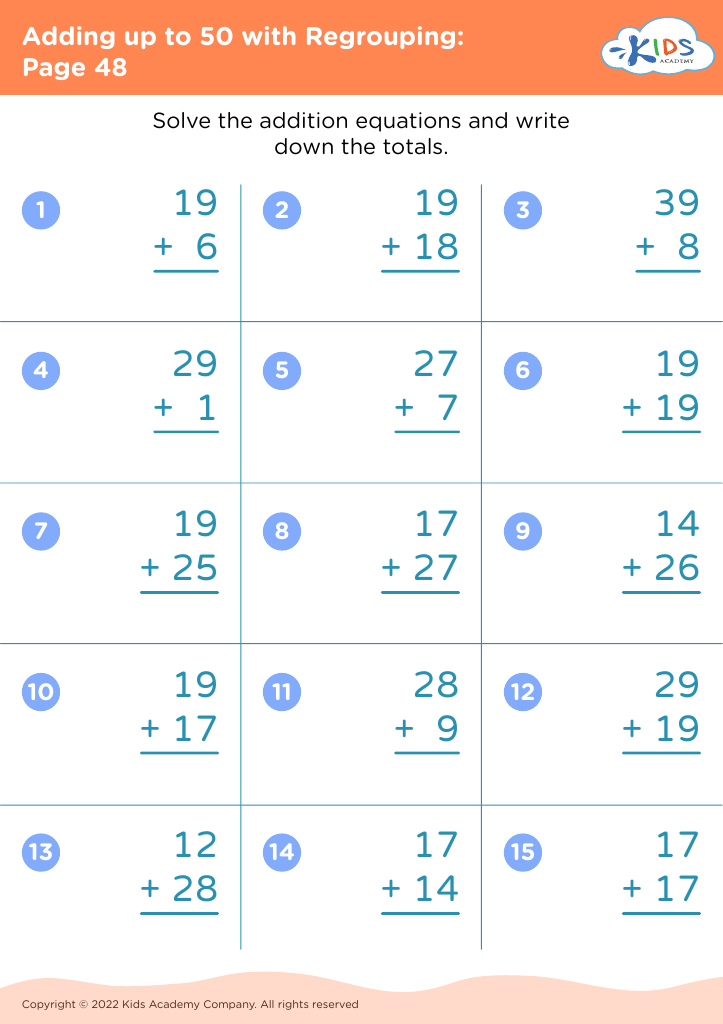
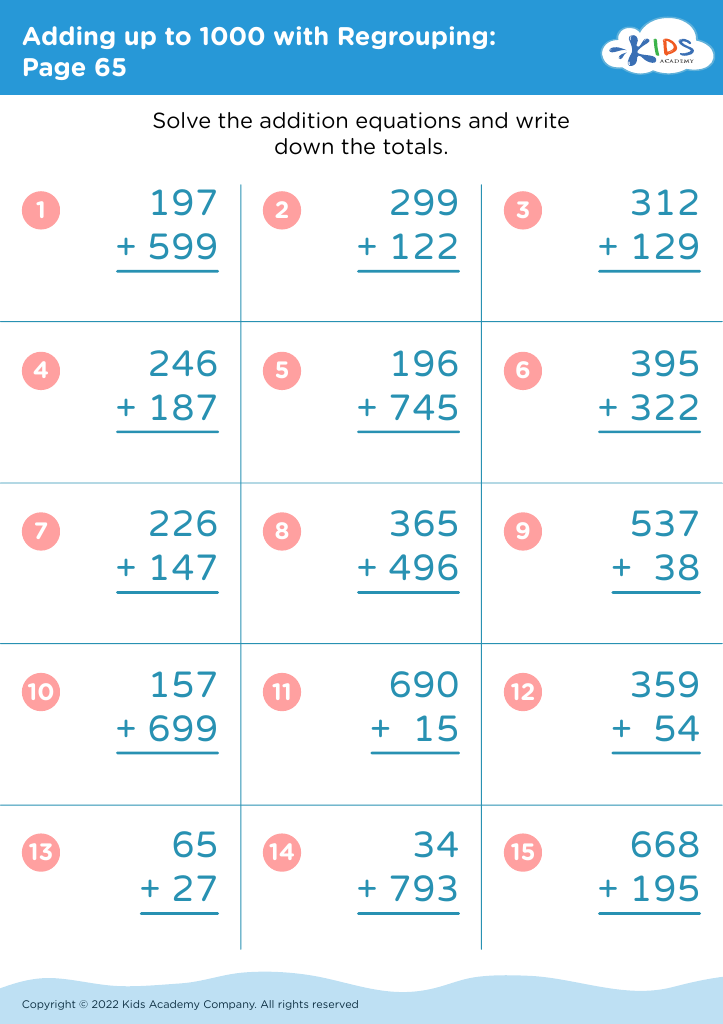
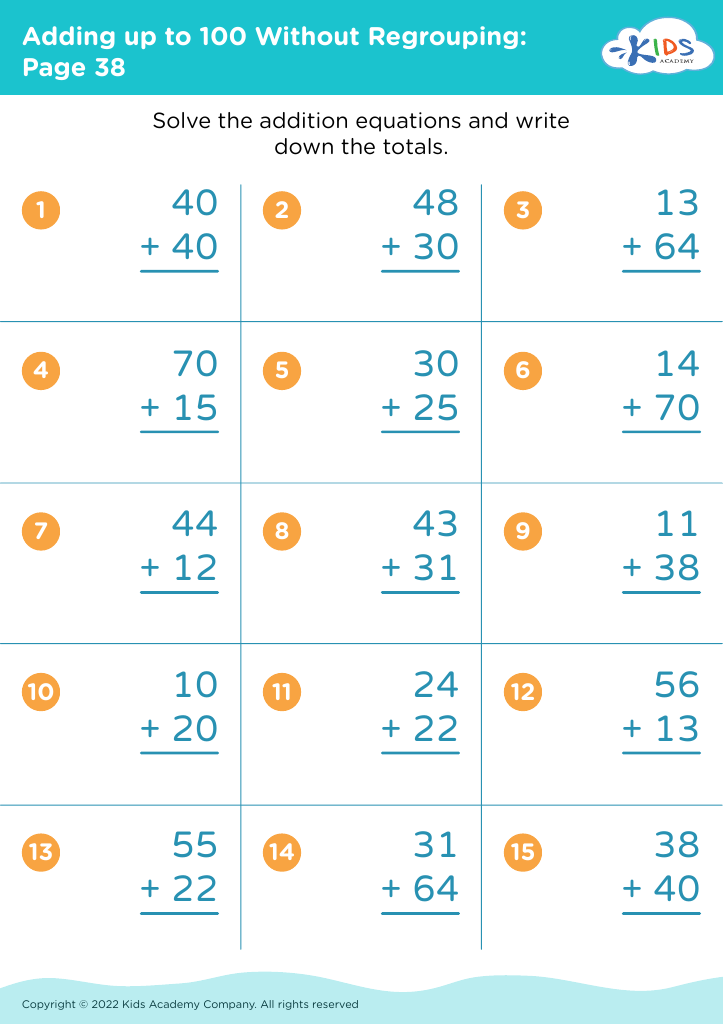
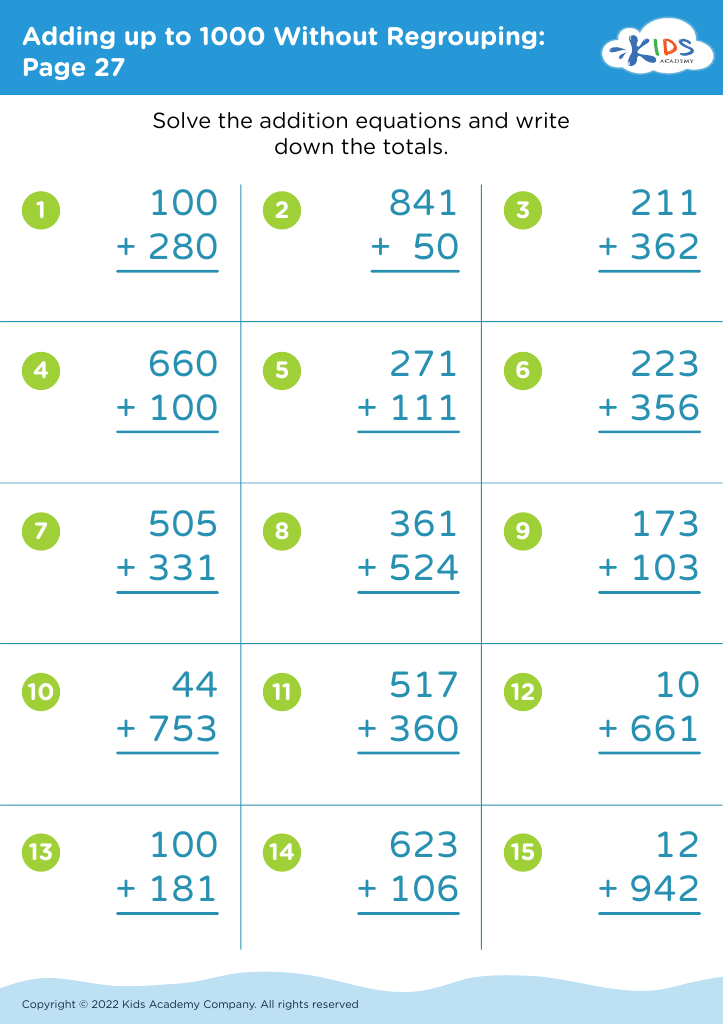
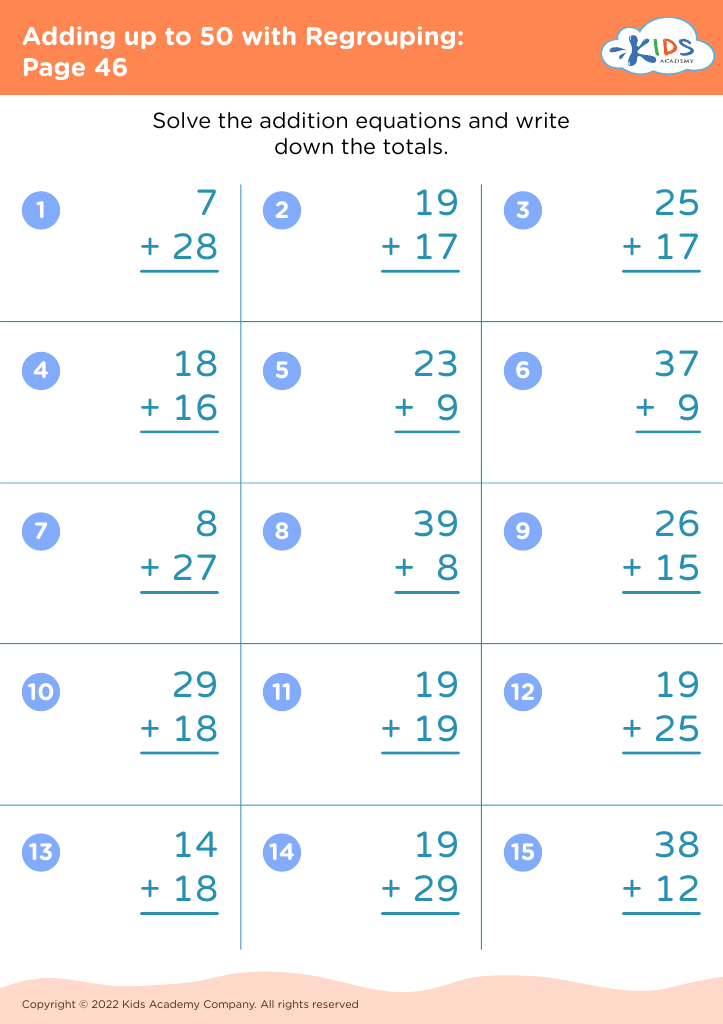
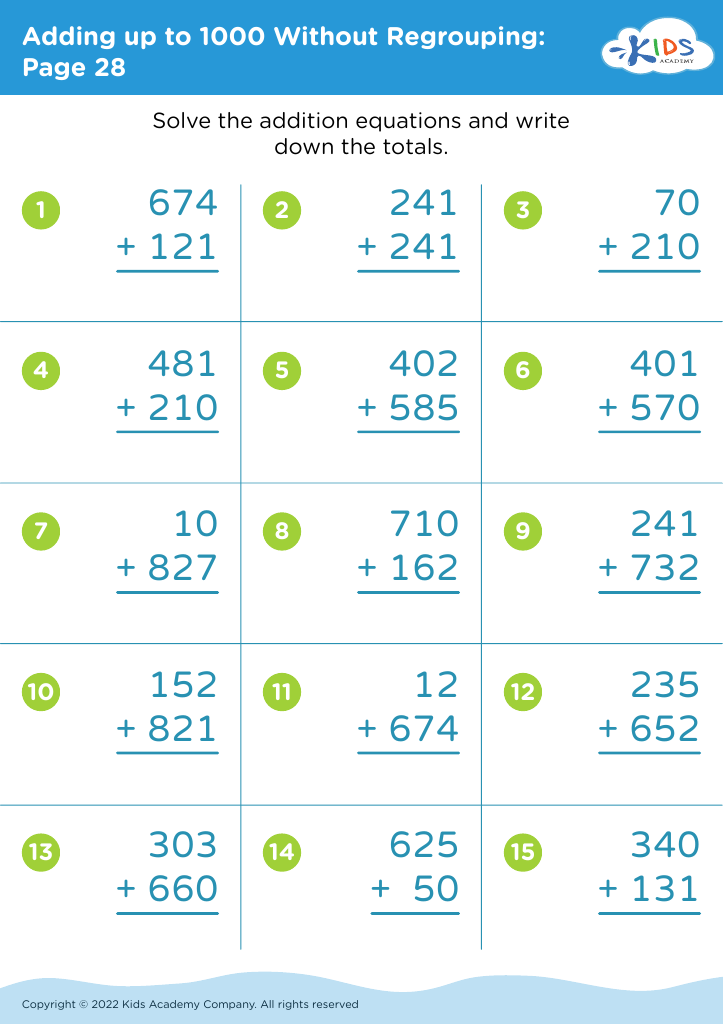
Join Kids Academy for Free
Who is primarily going to use this learning content?







Parents and teachers should prioritize teaching Grade 2 students about simplifying fractions because it lays a foundational understanding of math concepts critical for future learning. At this age, children are developing their number sense and early arithmetic skills, and building knowledge about fractions helps them grasp the idea of partitioning and comparing parts of a whole.
Simplifying fractions not only enhances their problem-solving skills but also encourages logical thinking and reasoning. When students learn to express fractions in their simplest forms, they gain confidence, making mathematical operations such as addition and subtraction of fractions easier later on.
Additionally, understanding simplified fractions helps students relate to real-world situations involving division, sharing, and cooking, fostering practical applications of math in everyday life. Simplifying fractions also sets the stage for more complex topics in higher grades, such as equivalent fractions and mixed numbers, and can ease transition to these concepts when the time comes.
Overall, when parents and teachers emphasize simplifying fractions, they equip students with essential skills that contribute to a positive attitude toward math and encourages a love for learning throughout their educational journey.