Check out this FREE Grade 2 Trial Lesson on Math!

Suffixes

Favorites
With answer key
Interactive
  • Grade 2
  • Understanding fractions
  • Math
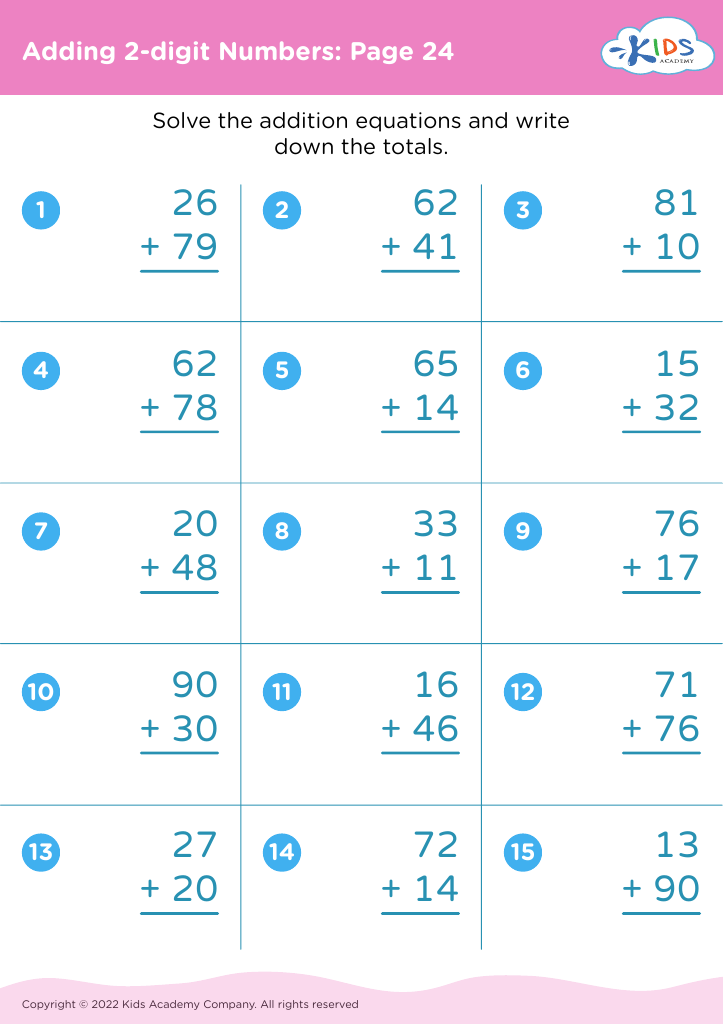
Adding 2-digit Numbers: Page 24

Adding 2-digit Numbers: Page 24

Adding 2-digit Numbers: Page 24
Worksheet
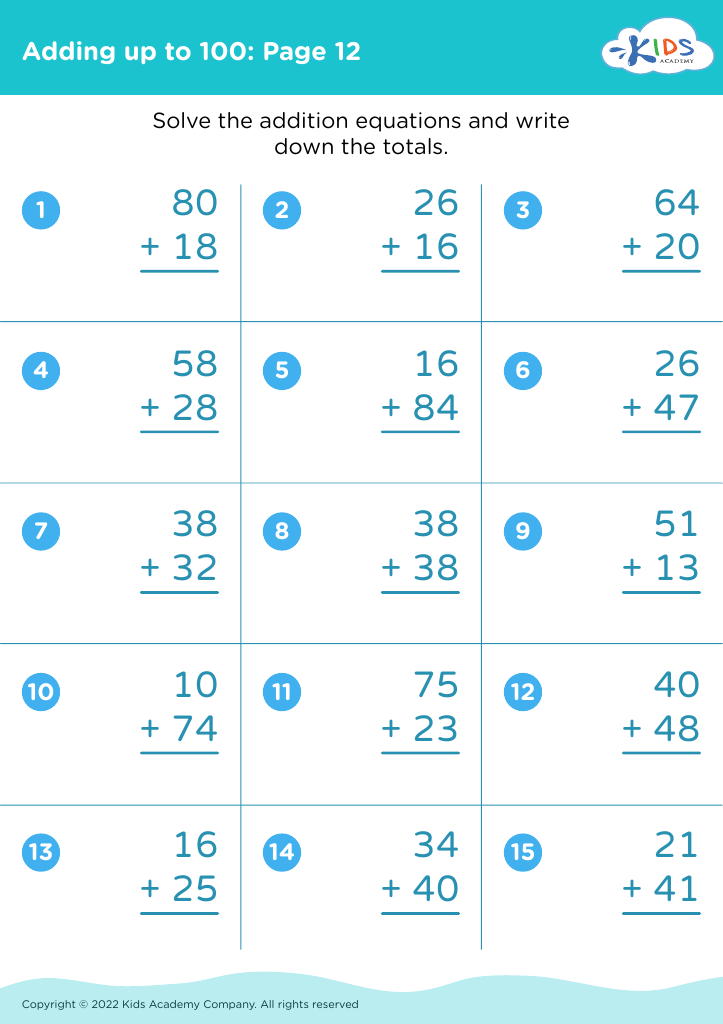
Adding up to 100: Page 12

Adding up to 100: Page 12

Adding up to 100: Page 12
Worksheet
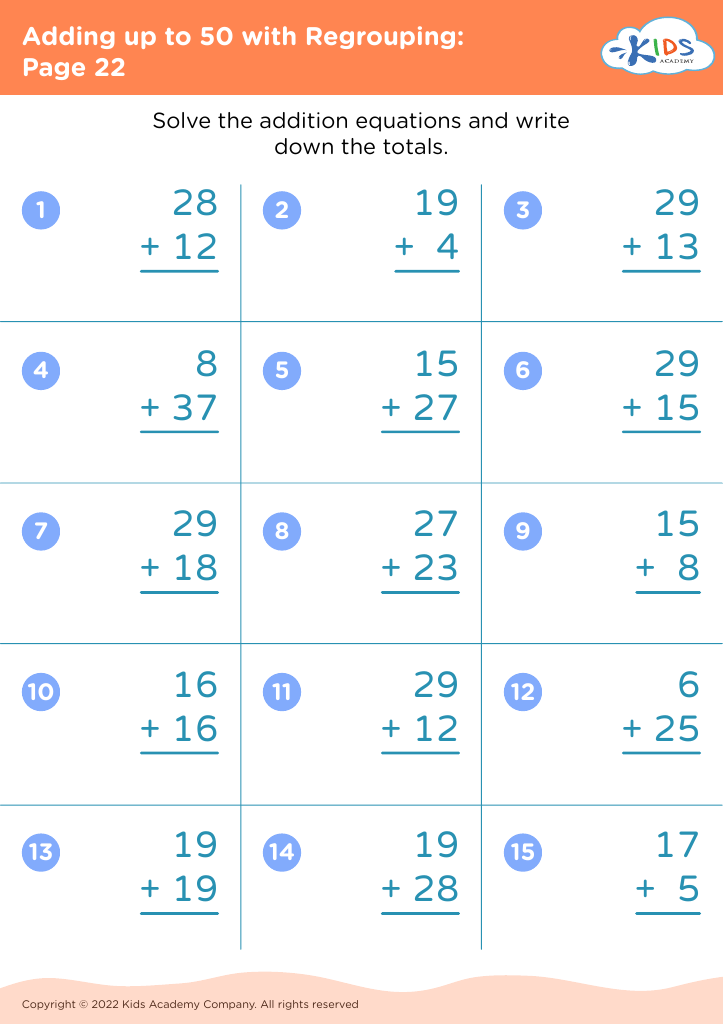
Adding up to 50 with Regrouping: Page 22
Worksheet
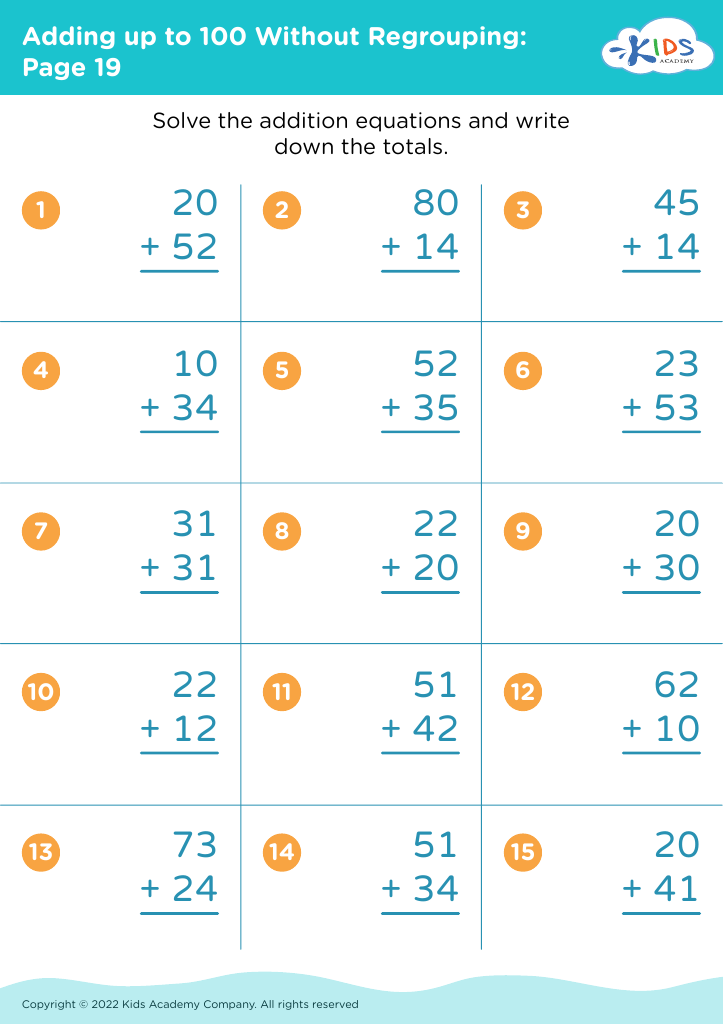
Adding up to 100 Without Regrouping: Page 19
Worksheet
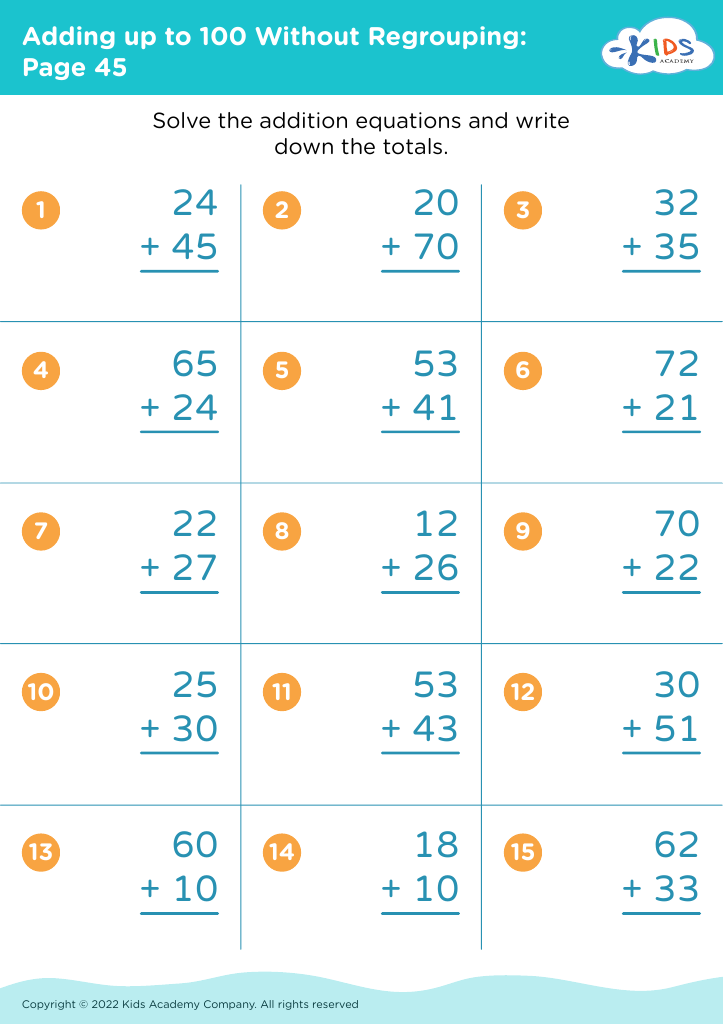
Adding up to 100 Without Regrouping: Page 45
Worksheet
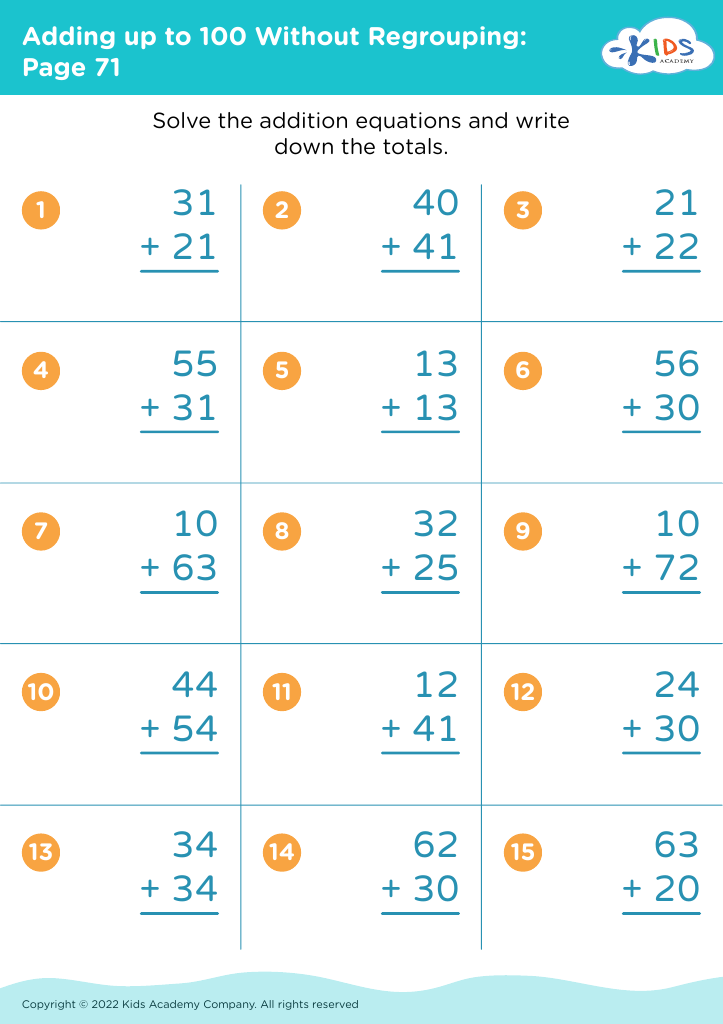
Adding up to 100 Without Regrouping: Page 71
Worksheet
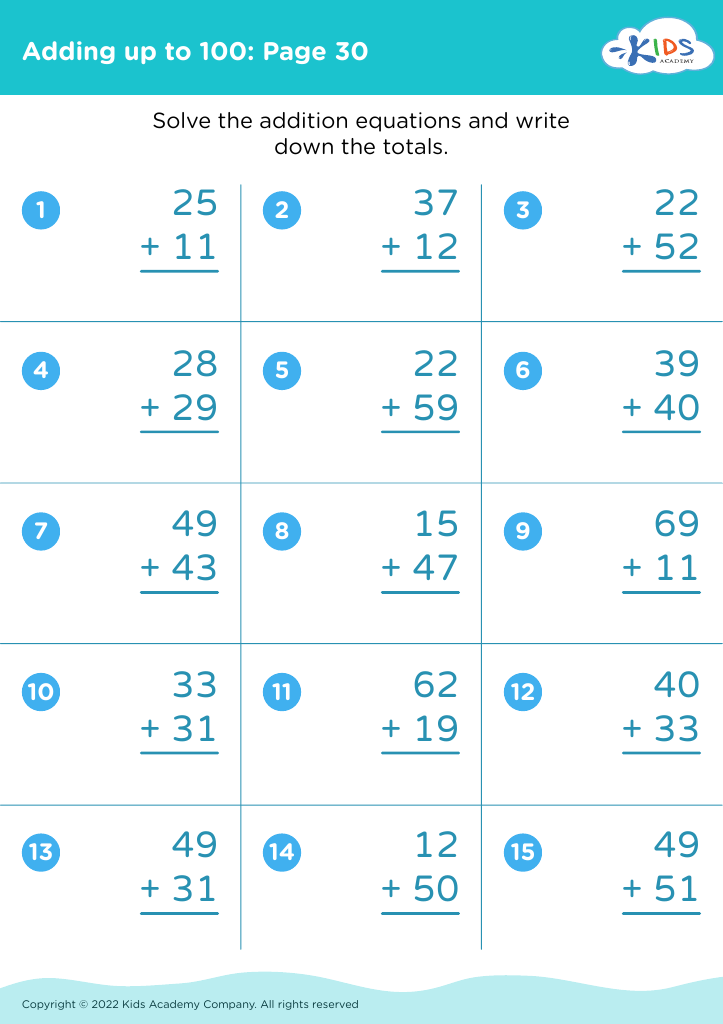
Adding up to 100: Page 30

Adding up to 100: Page 30

Adding up to 100: Page 30
Worksheet
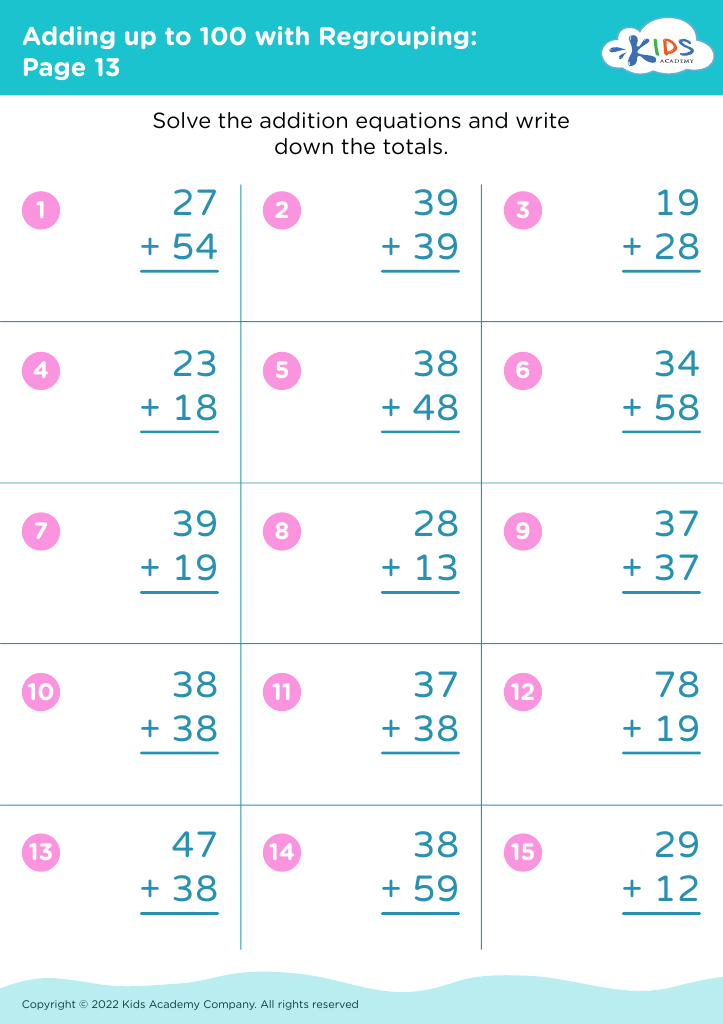
Adding up to 100 with Regrouping: Page 13
Worksheet
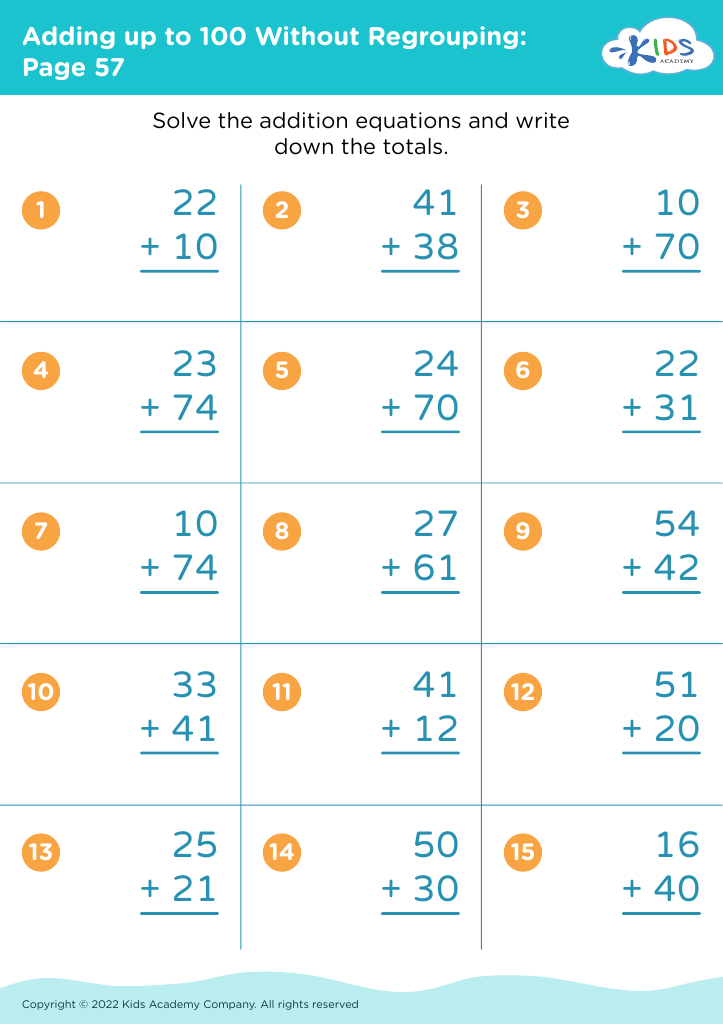
Adding up to 100 Without Regrouping: Page 57
Worksheet
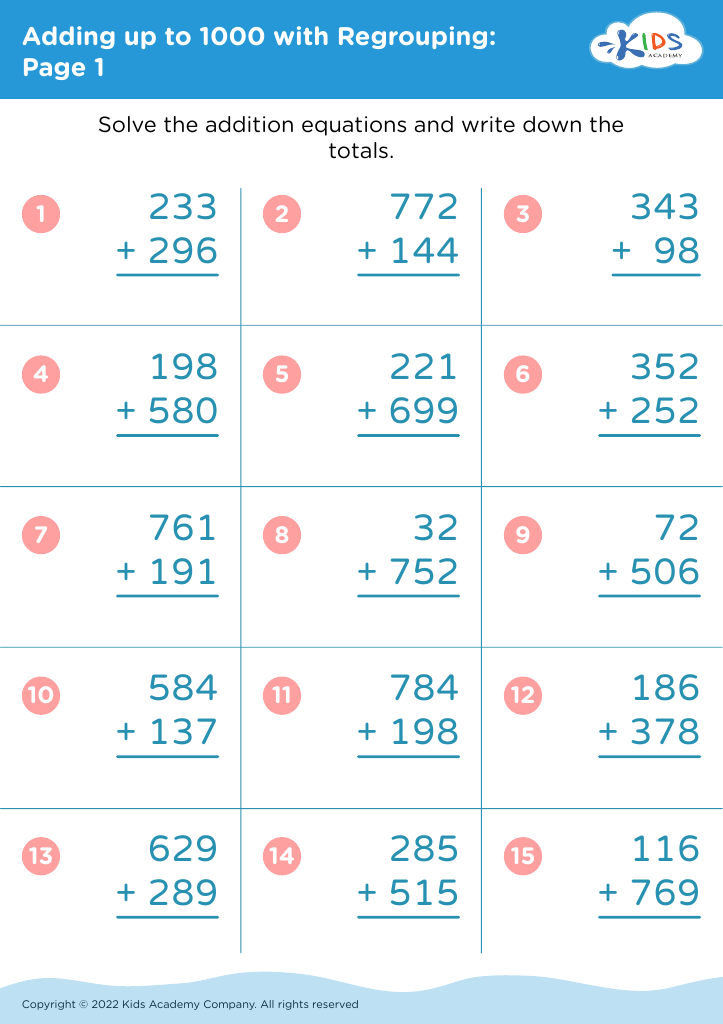
Adding up to 1000 with Regrouping: Page 1
Worksheet
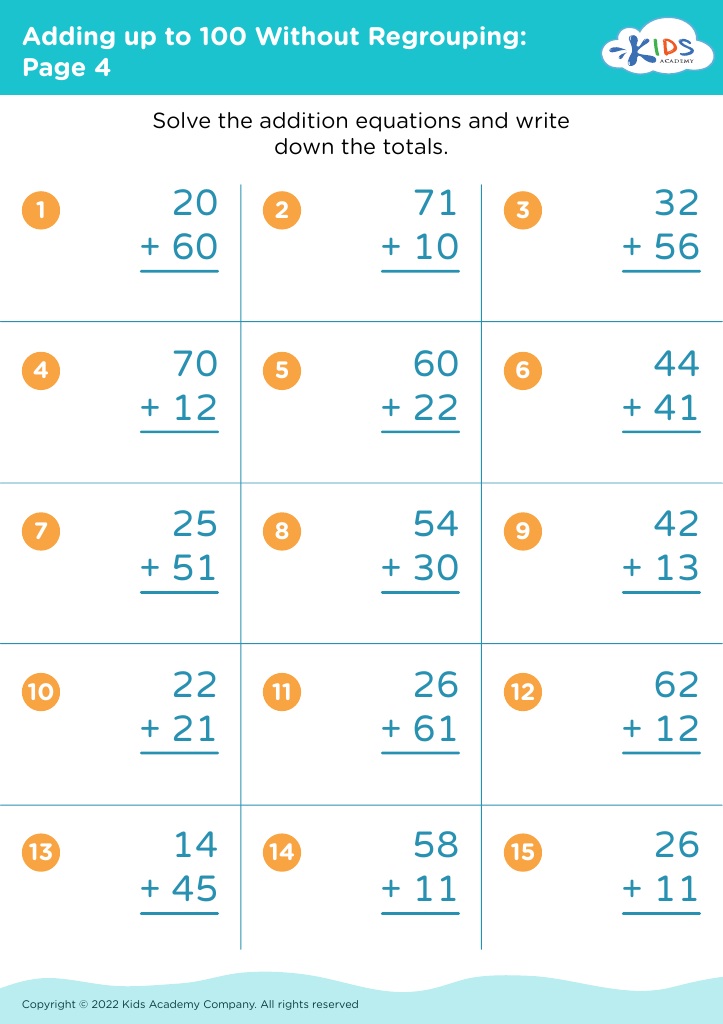
Adding up to 100 Without Regrouping: Page 4
Worksheet
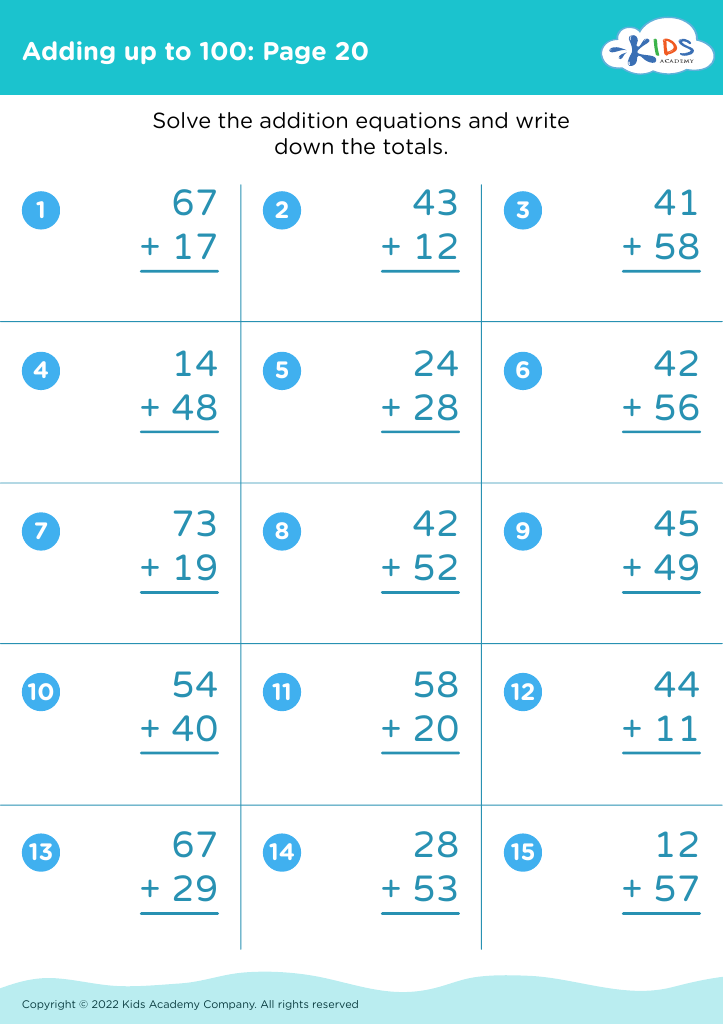
Adding up to 100: Page 20

Adding up to 100: Page 20

Adding up to 100: Page 20
Worksheet
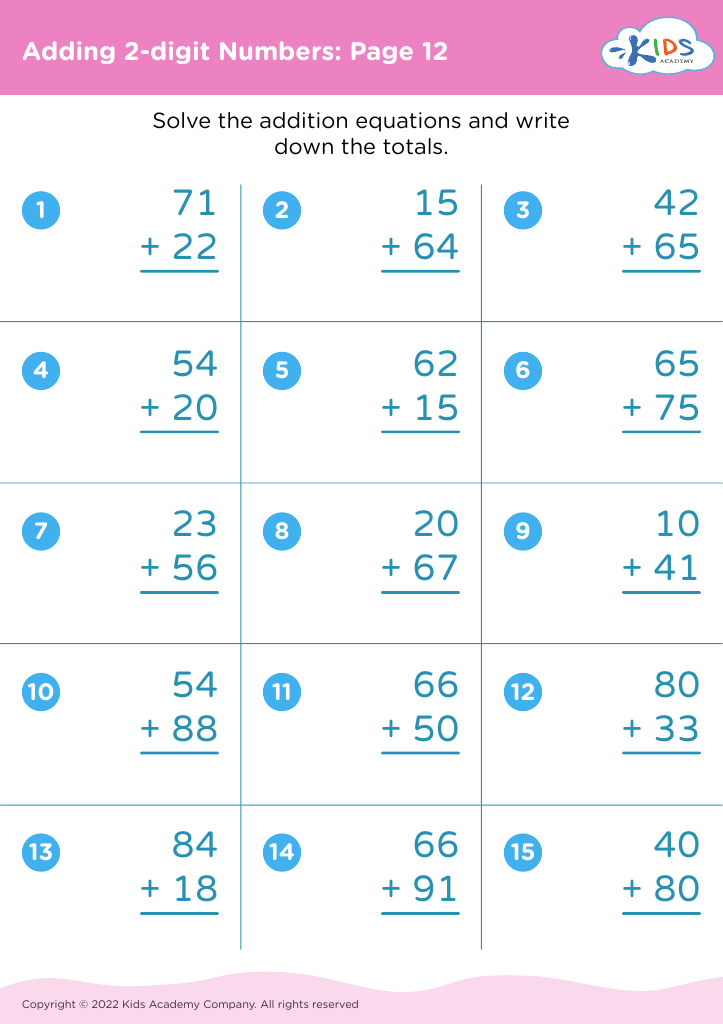
Adding 2-digit Numbers: Page 12

Adding 2-digit Numbers: Page 12

Adding 2-digit Numbers: Page 12
Worksheet
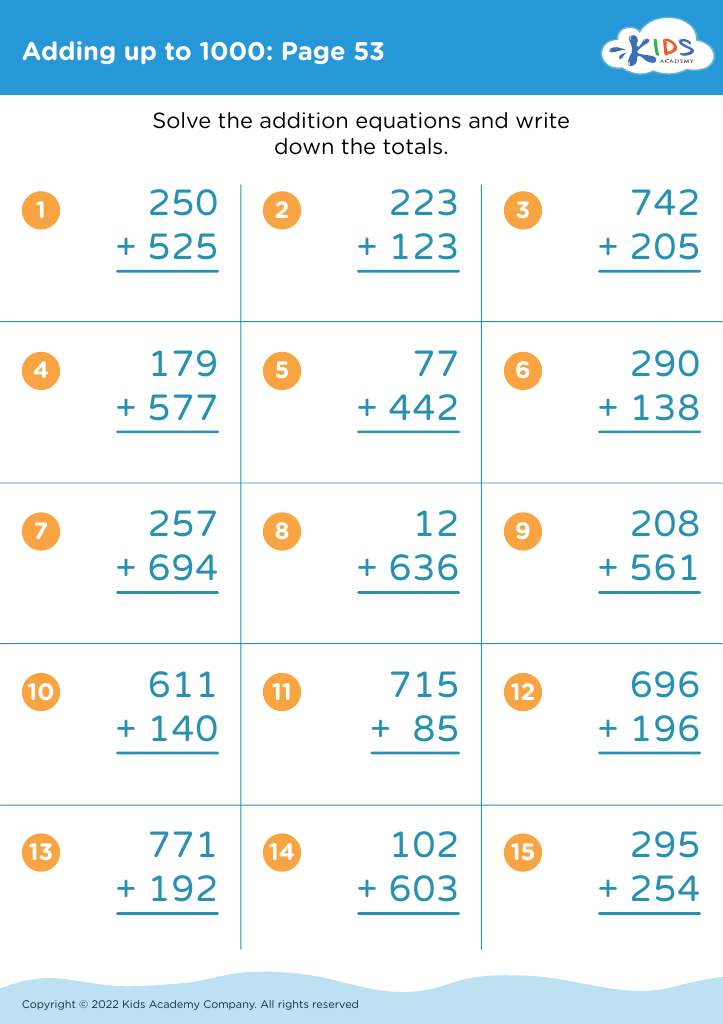
Adding up to 1000: Page 53

Adding up to 1000: Page 53

Adding up to 1000: Page 53
Worksheet
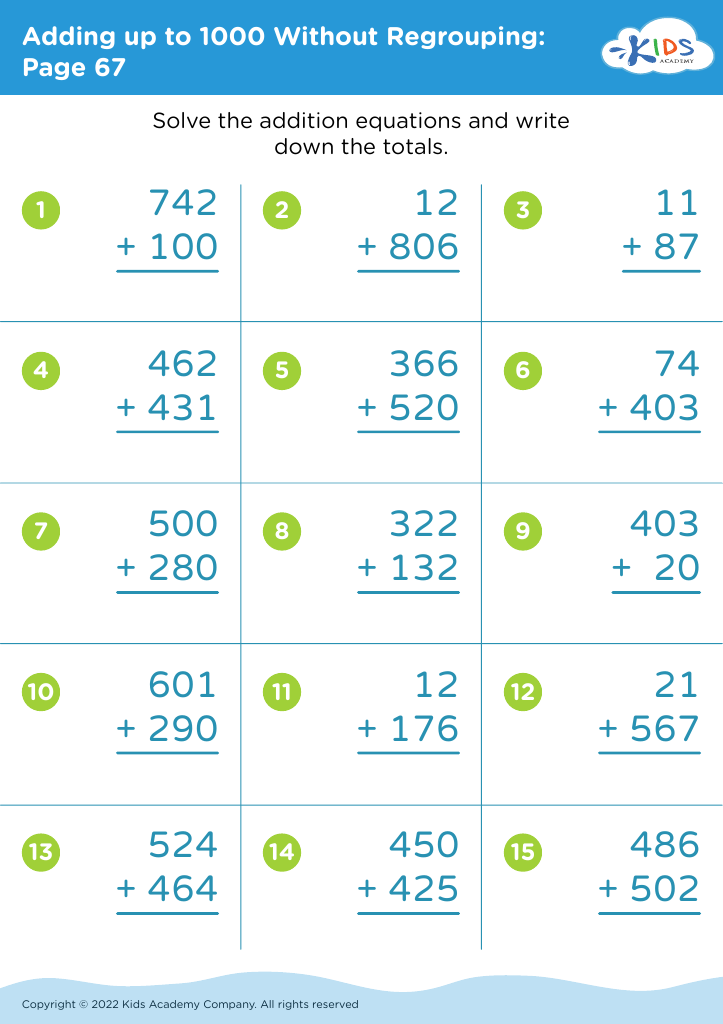
Adding up to 1000 Without Regrouping: Page 67
Worksheet
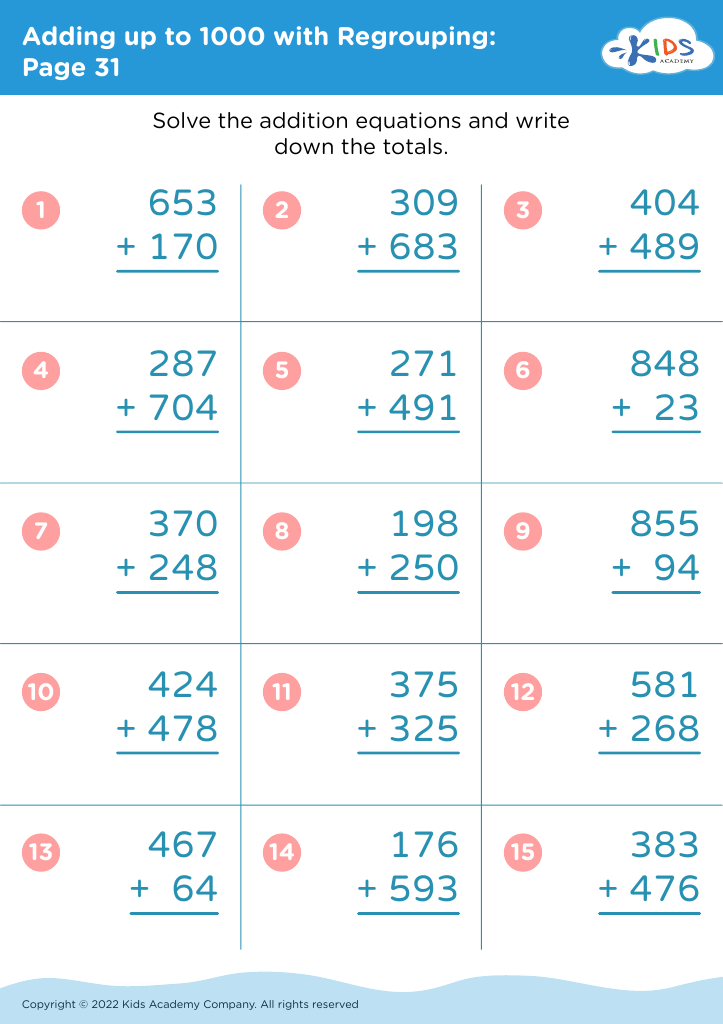
Adding up to 1000 with Regrouping: Page 31
Worksheet
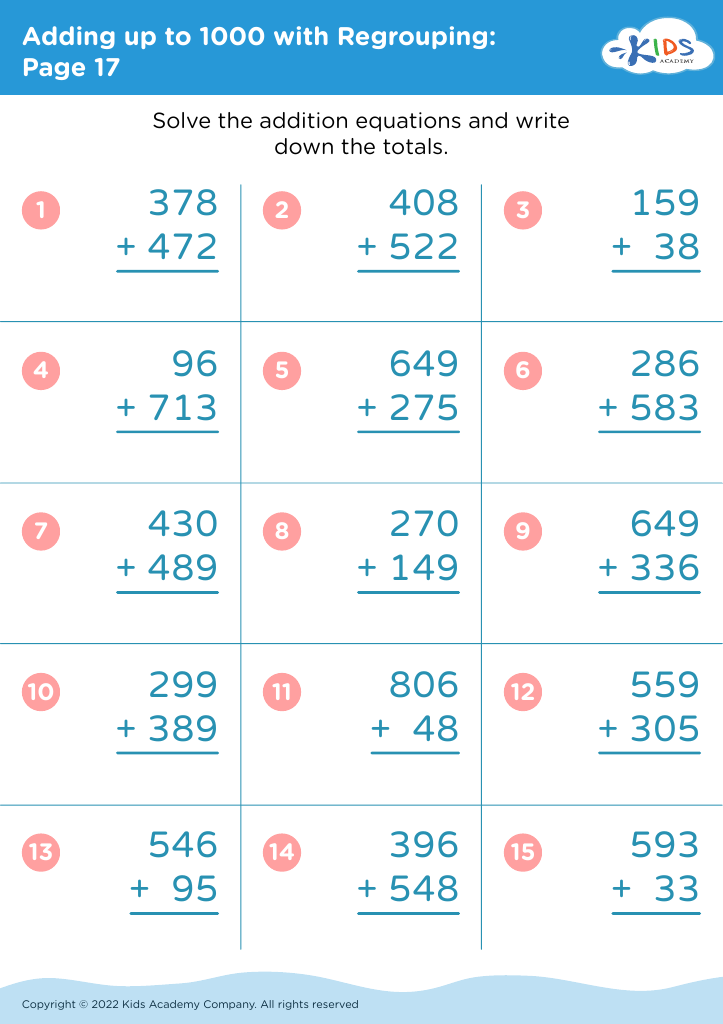
Adding up to 1000 with Regrouping: Page 17
Worksheet
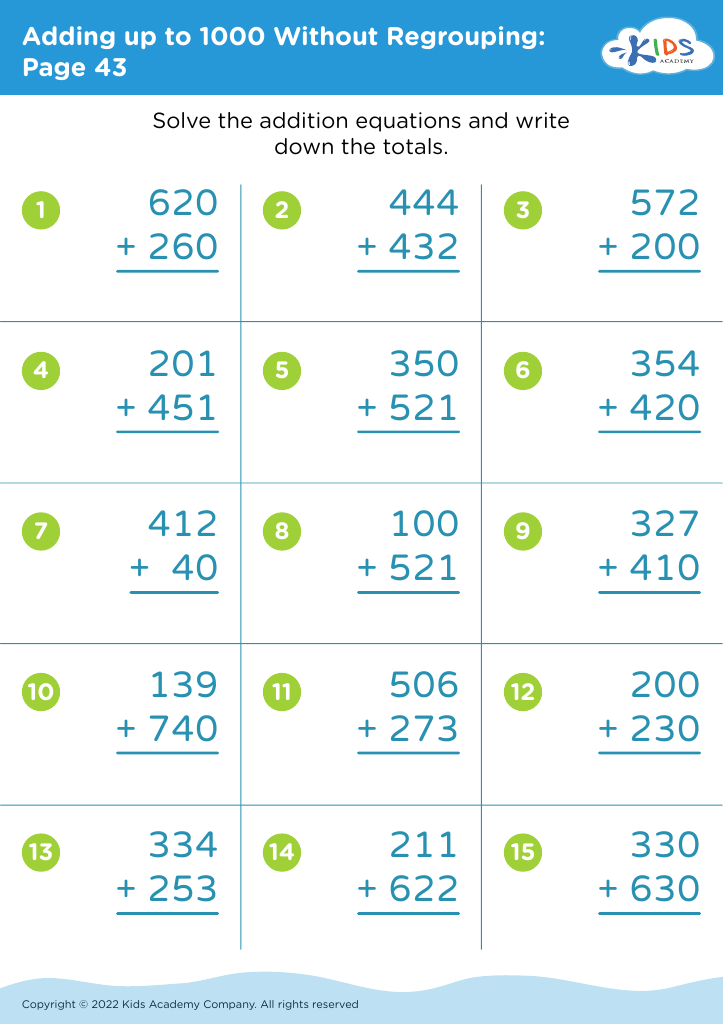
Adding up to 1000 Without Regrouping: Page 43
Worksheet
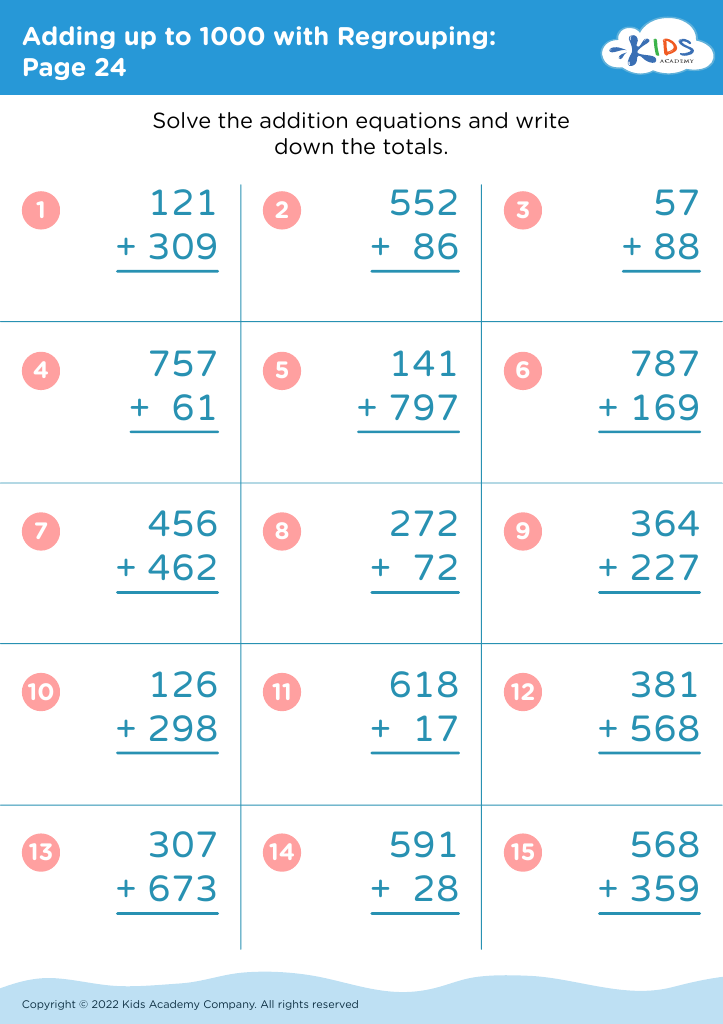
Adding up to 1000 with Regrouping: Page 24
Worksheet
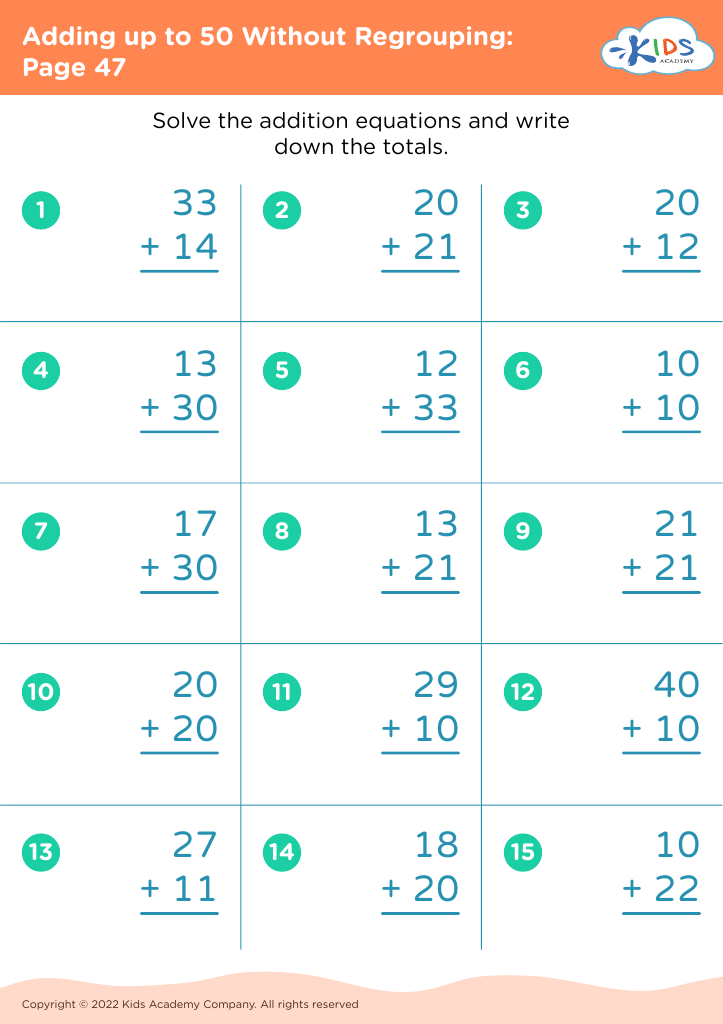
Adding up to 50 Without Regrouping: Page 47
Worksheet
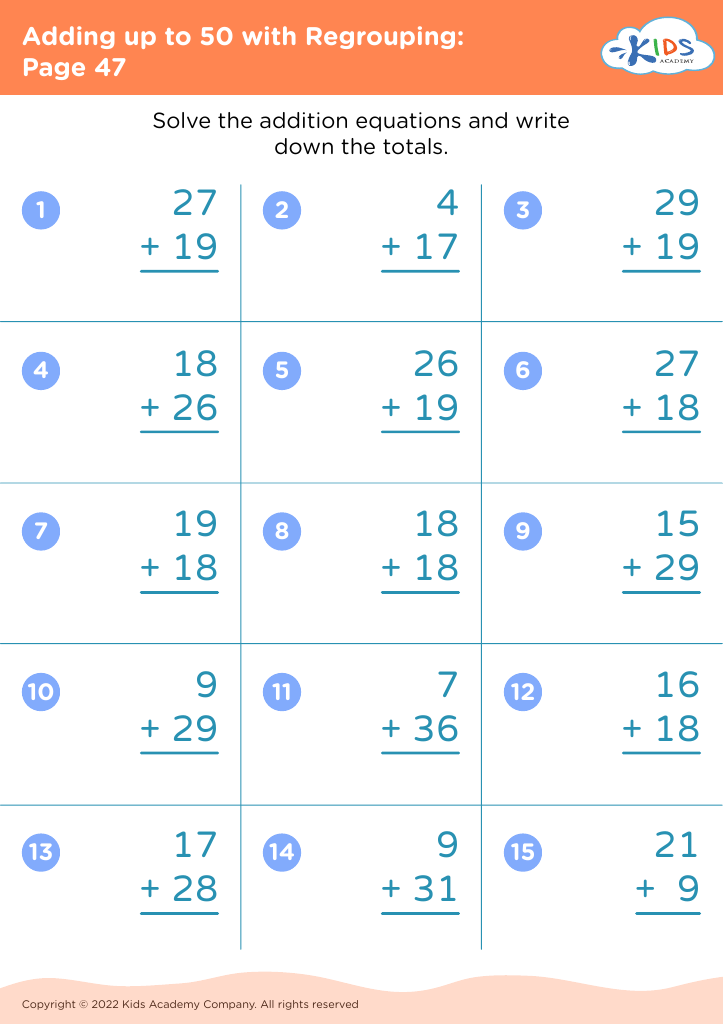
Adding up to 50 with Regrouping: Page 47
Worksheet
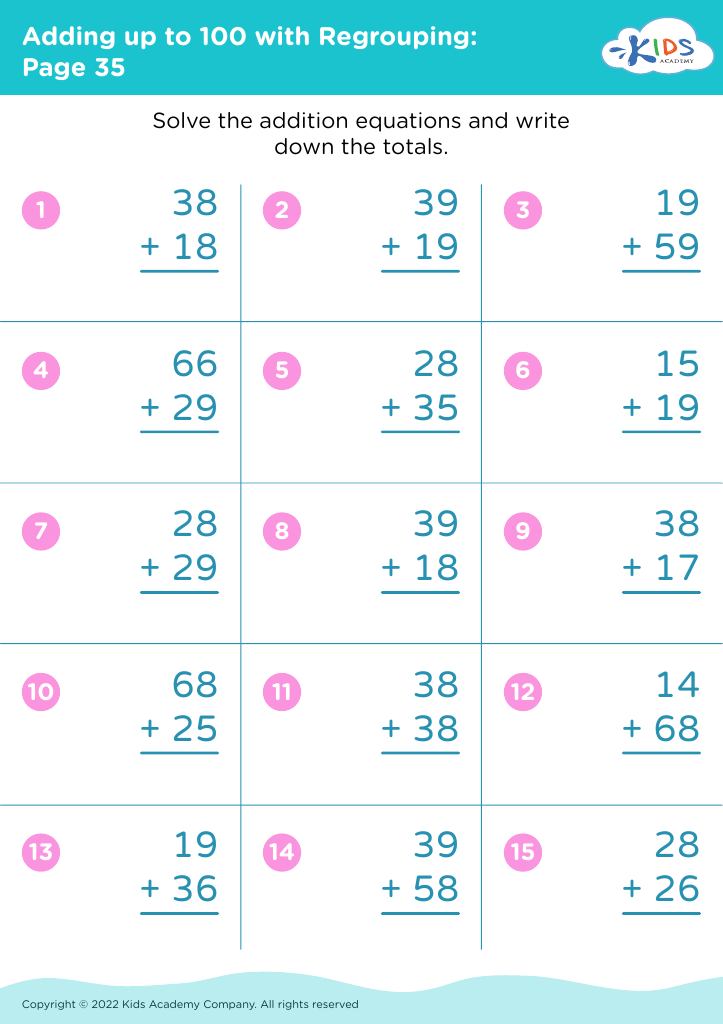
Adding up to 100 with Regrouping: Page 35
Worksheet
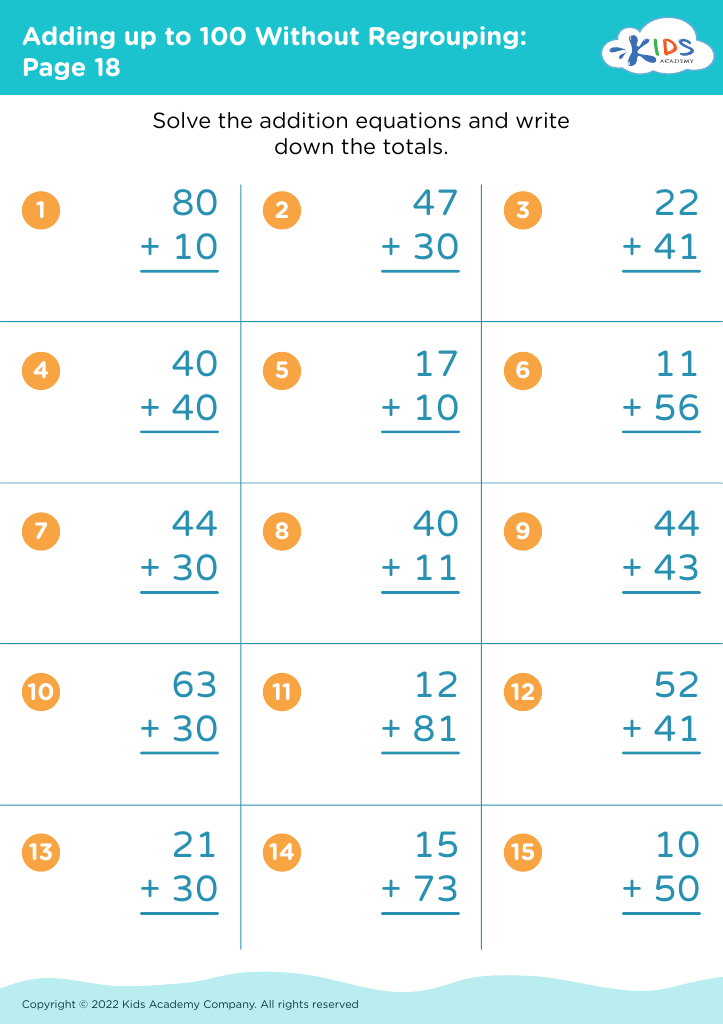
Adding up to 100 Without Regrouping: Page 18
Worksheet
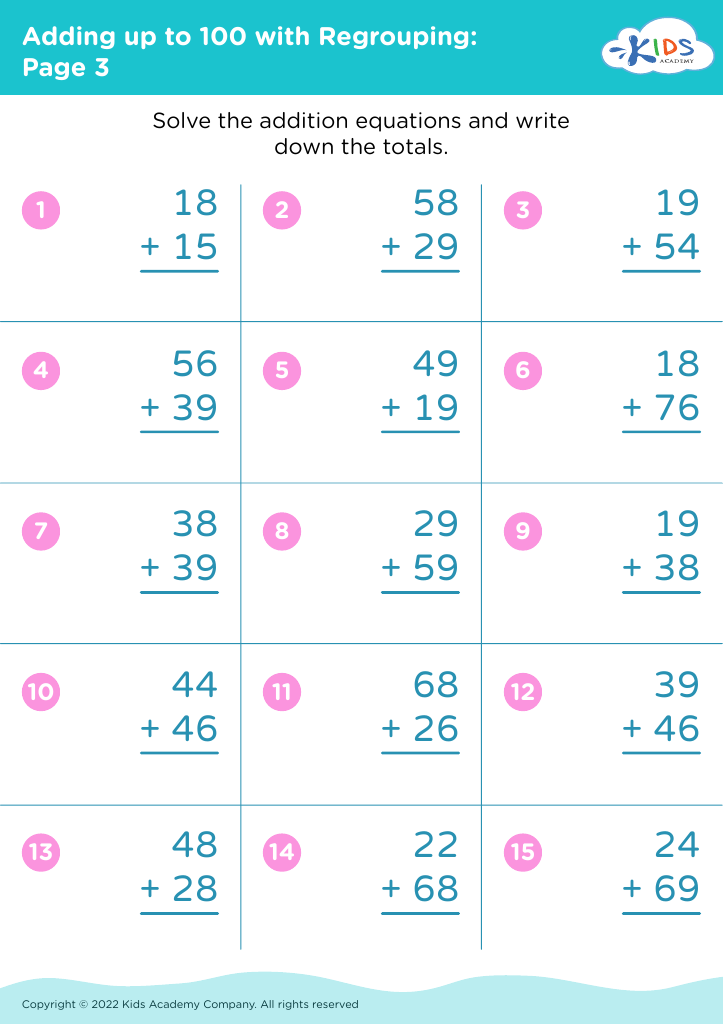
Adding up to 100 with Regrouping: Page 3
Worksheet


Understanding fractions in Grade 2 is crucial for several reasons that benefit both students and their future learning. At this age, children are beginning to grasp the concept of parts of a whole, which lays the groundwork for more advanced mathematical concepts. Familiarity with fractions helps students develop critical thinking and problem-solving skills, as they learn to interpret and manipulate numbers in different contexts.

For parents, encouraging their child’s understanding of fractions fosters a positive attitude towards math and boosts their confidence. Engaging in everyday activities—such as cooking or sharing food—provides practical examples of fractions, making the learning process fun and relatable. Teachers play a vital role in breaking down complex concepts into manageable pieces using visual aids and hands-on activities, which help students visualize and understand fractions better.

Furthermore, mastering fractions early on builds a solid foundation for future math lessons, including addition, subtraction, and even algebra. A strong understanding of fractions can help prevent learning gaps, ensuring that students are well-prepared for higher-level math in later grades. Thus, active involvement from both parents and teachers in teaching and understanding fractions is essential for developing essential mathematical skills.