Understanding sequencing Grade 2 Math Worksheets
7 filtered results
-
From - To
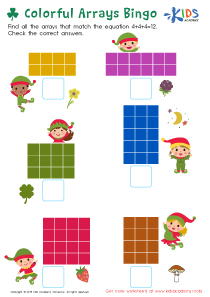
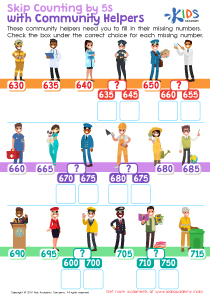
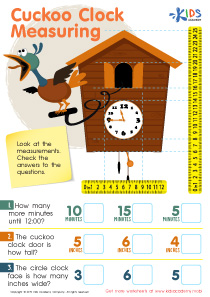
Explore our engaging Grade 2 Math Worksheets focused on understanding sequencing! These educational resources are designed to enhance critical thinking and problem-solving skills in young learners. Our worksheets offer a variety of activities that introduce sequencing concepts through fun and interactive methods, including visual aids and real-life scenarios. Students will learn to identify patterns, arrange numbers, and solve math problems using a sequence. With colorful graphics and appealing layouts, these worksheets make learning enjoyable for kids. Perfect for both classroom and at-home practice, our sequencing worksheets will help your child build a strong foundation in math. Start their learning journey today!
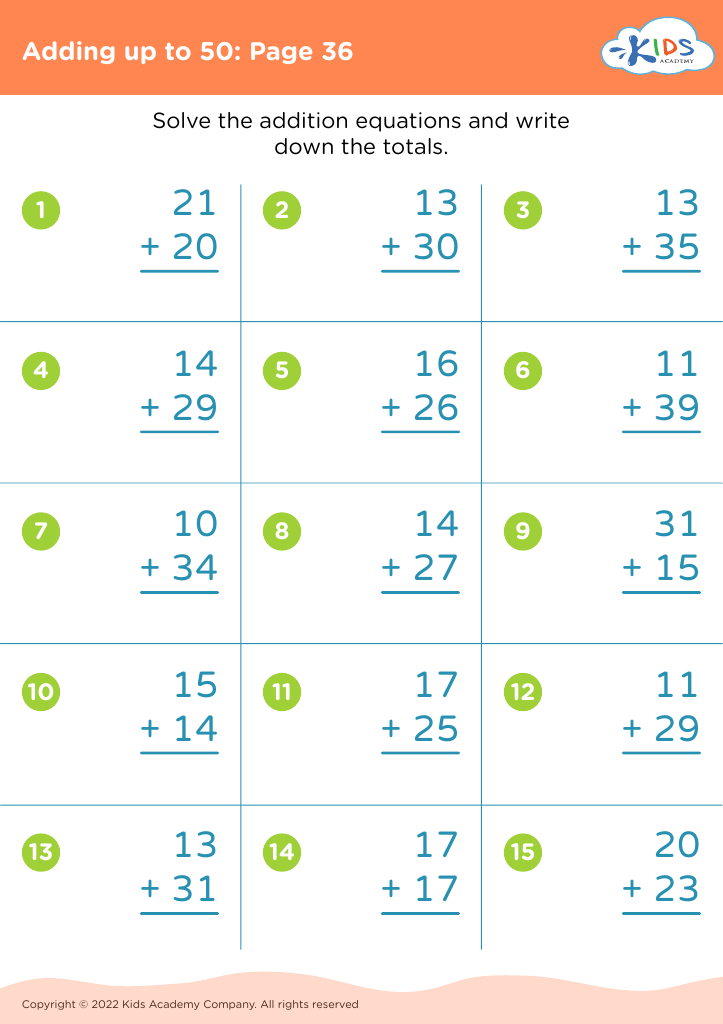
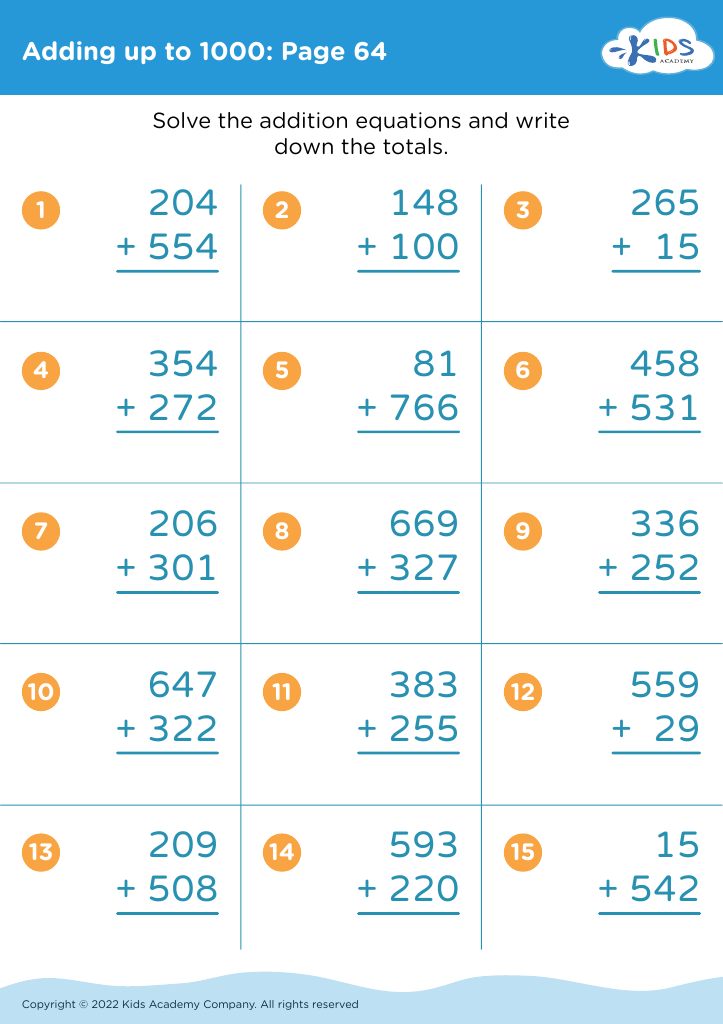
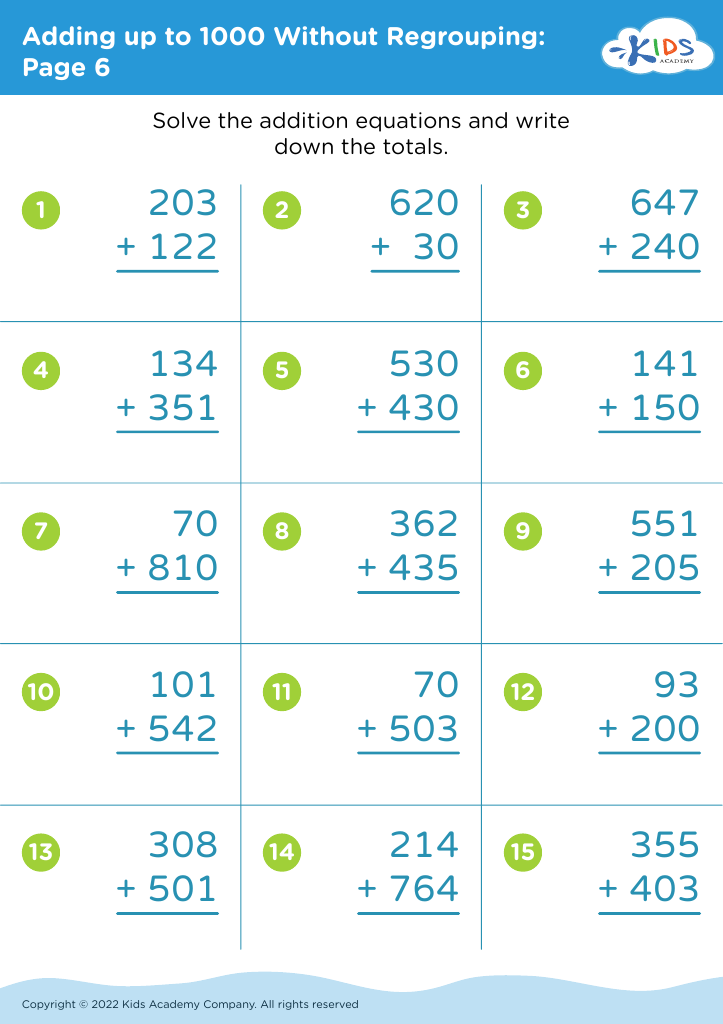
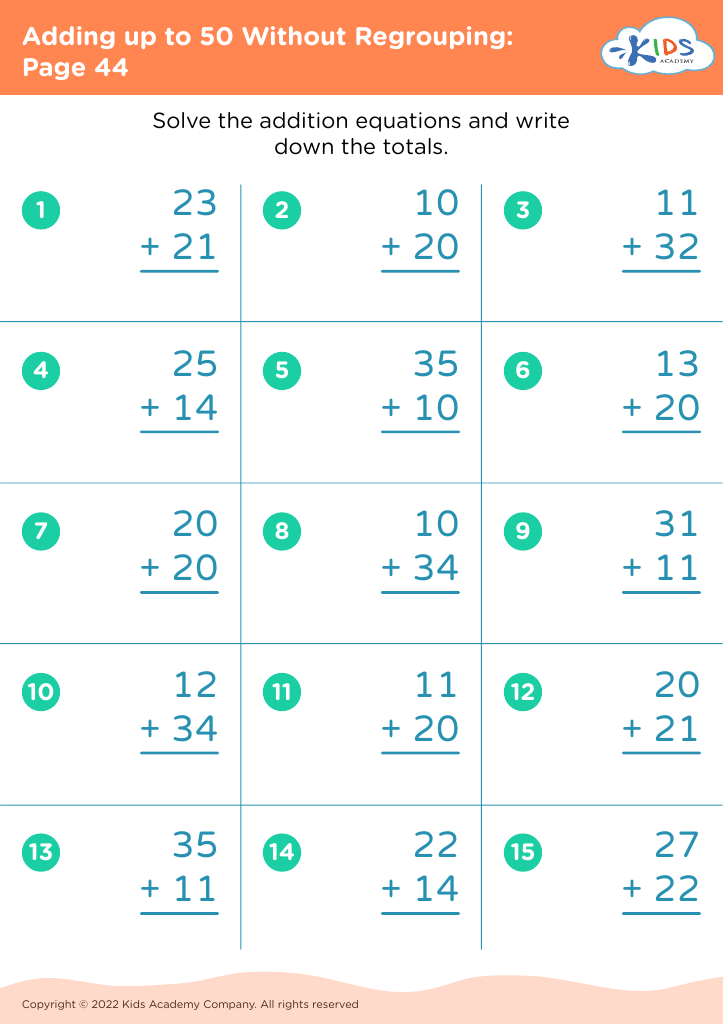
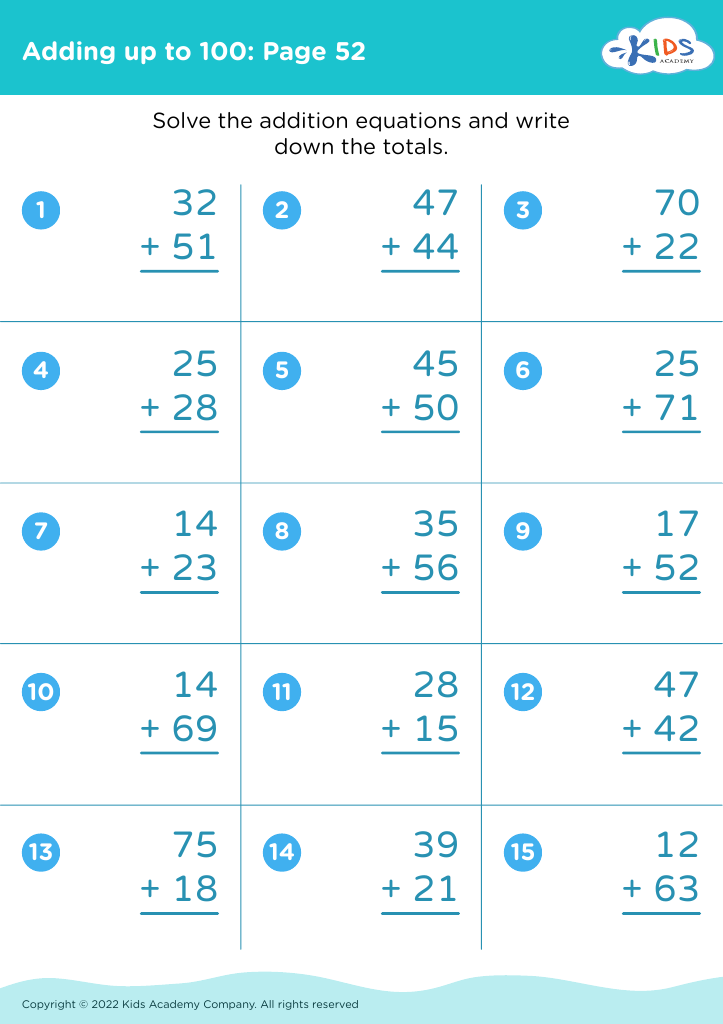
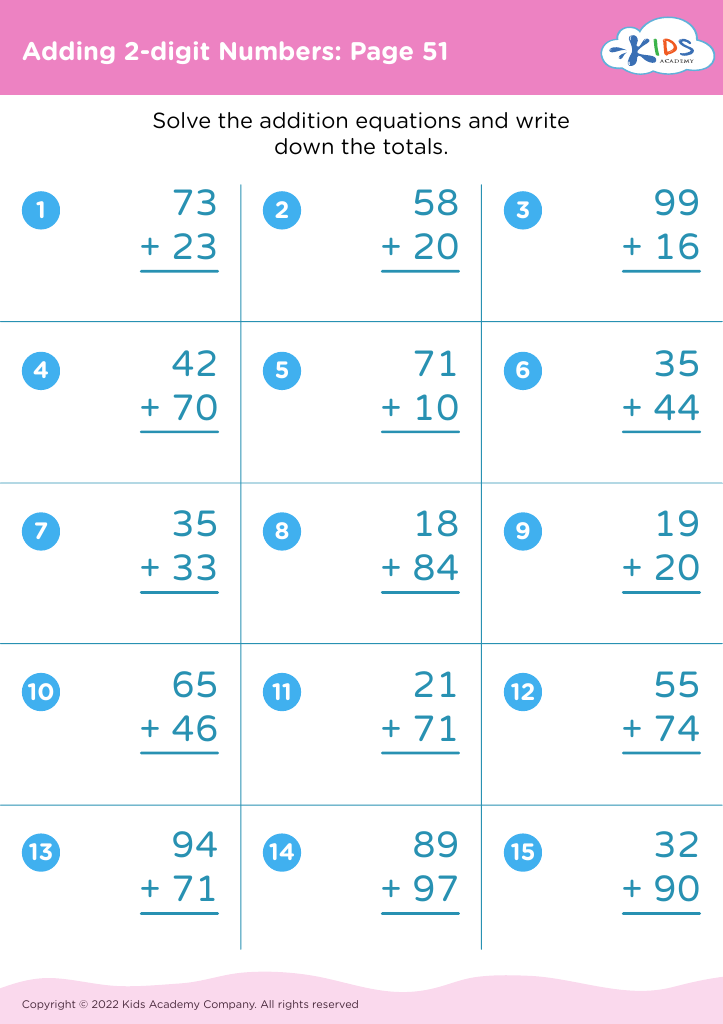
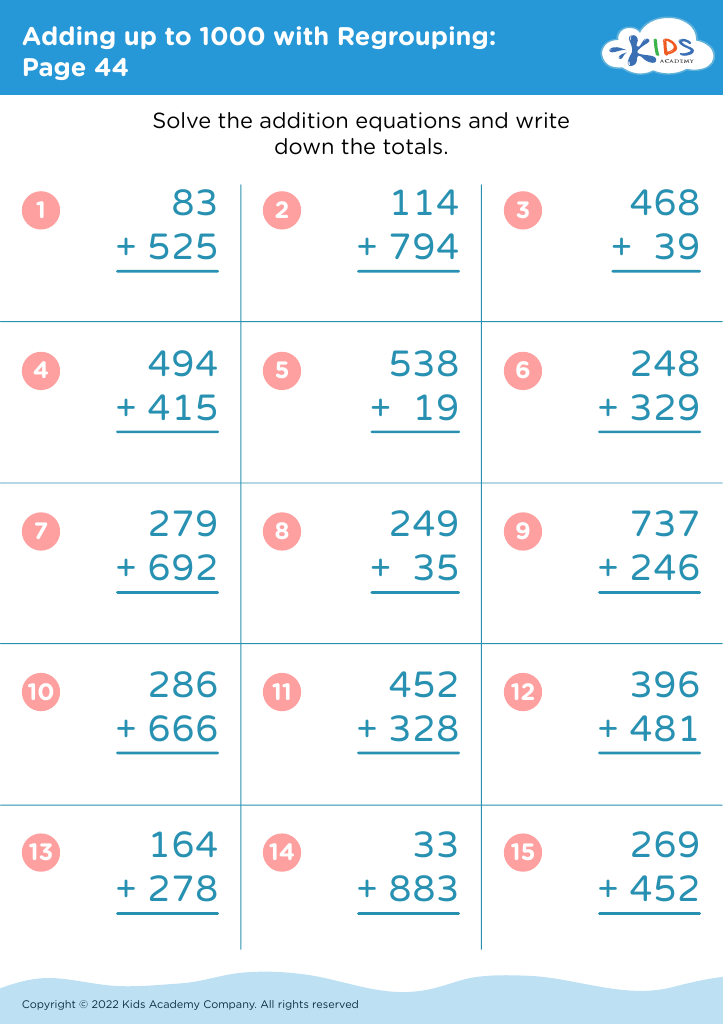








Understanding sequencing is a crucial component of Grade 2 math as it lays the foundation for more complex mathematical concepts. For parents and teachers, fostering a solid grasp of sequencing is essential for several reasons. Firstly, sequential understanding aids in students’ comprehension of number patterns, essential for addition and subtraction skills. When children learn to recognize sequences, they can predict outcomes and solve problems more effectively, bolstering their mathematical confidence.
Moreover, sequencing promotes logical thinking, an invaluable skill that extends beyond math to critical areas such as reading comprehension and science. As students learn to organize information in a logical order, they become better problem solvers and can approach academic tasks systematically.
Finally, early proficiency in sequencing sets the stage for future learning in mathematics, including multiplication, division, and even fractions. It helps children make connections among various mathematical concepts, which is vital for their overall mathematical development.
In summary, parents and teachers should prioritize understanding sequencing in Grade 2 math to enhance students' problem-solving abilities, logical reasoning, and preparation for more advanced mathematical challenges. By doing so, they equip children with the skills necessary for long-term academic success.