Understanding time Grade 2 Math Worksheets
7 filtered results
Difficulty Level
Grade
Age
-
From - To
Subject
Activity
Standards
Our "Understanding Time: Grade 2 Math Worksheets" are designed to help second graders grasp the concept of time in a fun and interactive way. These worksheets provide engaging exercises, from reading clocks to calculating elapsed time, ensuring students develop essential time-telling skills. With colorful illustrations and various activities, kids will enjoy learning to tell time to the nearest hour, half-hour, and minute. Perfect for classroom or home use, these worksheets align with common core standards, fostering confidence and proficiency in young learners. Make learning time an enjoyable experience with our expertly crafted math worksheets. Start exploring today!
Favorites
With answer key
Interactive
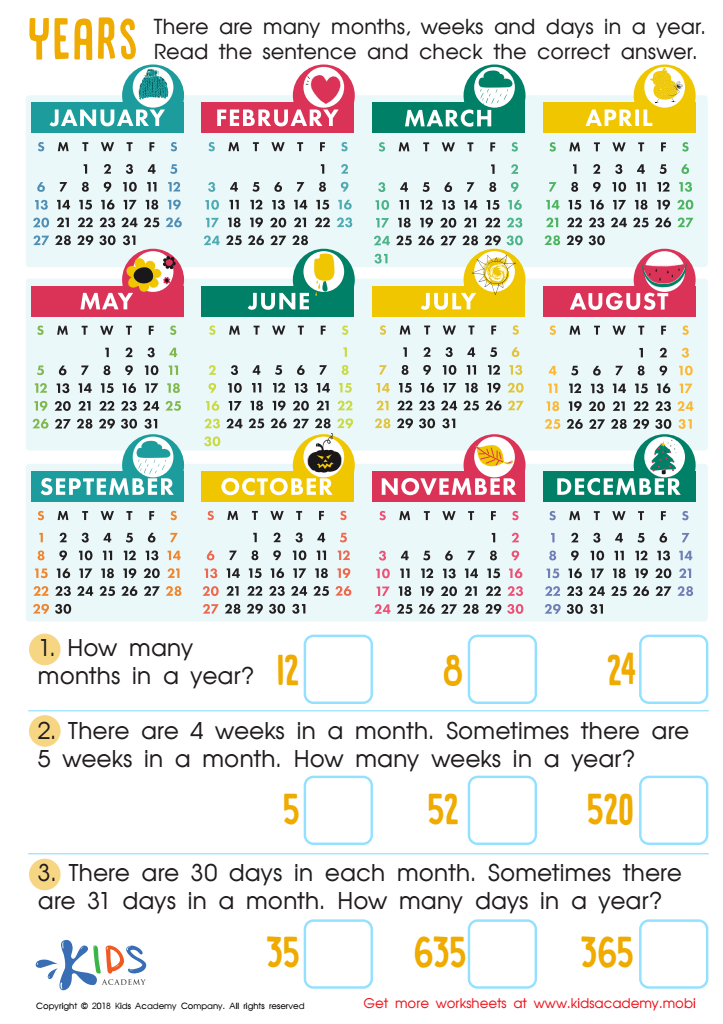
Years Worksheet
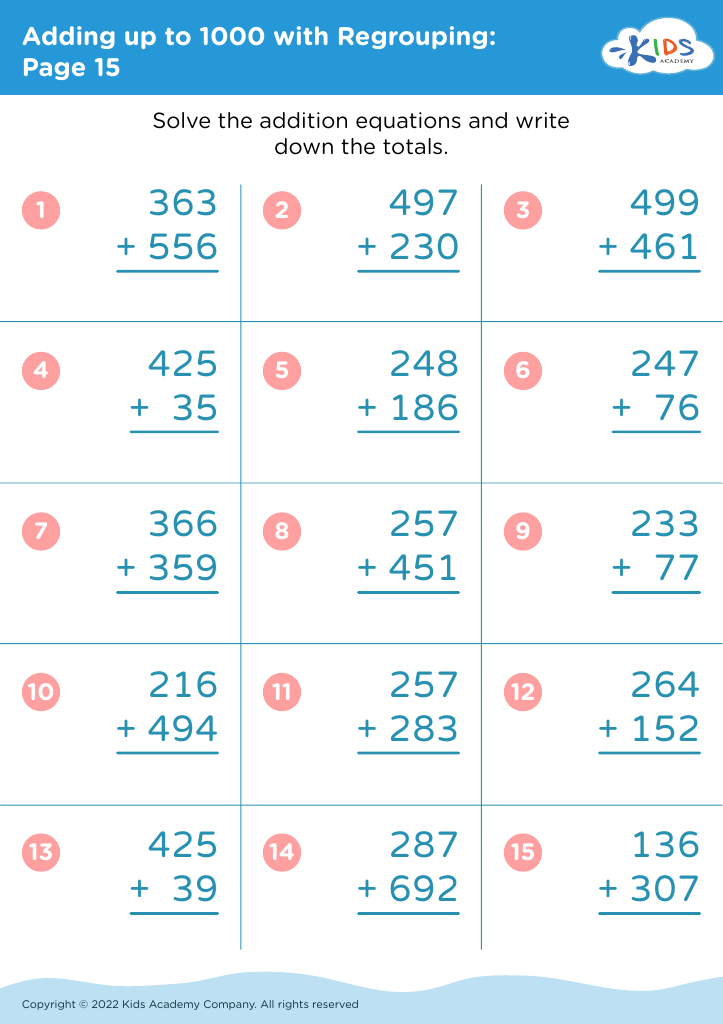
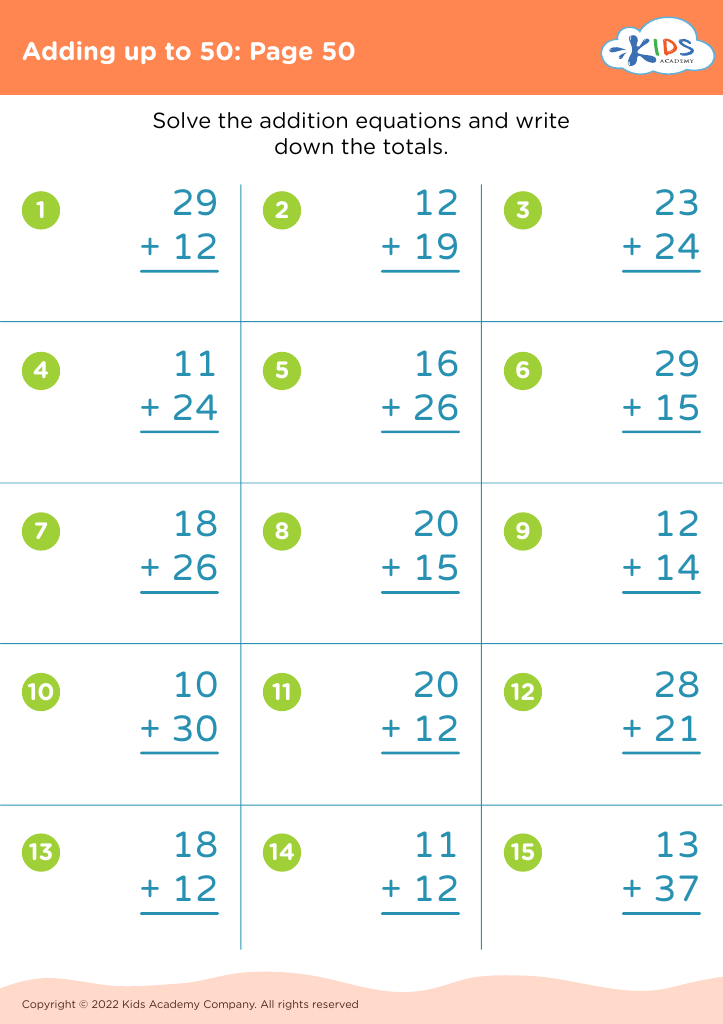
This worksheet is a great way to test your children's knowledge of the calendar. Ask them if they can name the days of the week and months in a year. Read and discuss the questions with them and help them find the right answers. Encourage them to check their answers.
 Assign to My Students
Years Worksheet
Worksheet
Join Kids Academy for Free
Who is primarily going to use this learning content?







Understanding time is a crucial skill taught in Grade 2 math that lays the foundation for both academic and real-world success. Parents and teachers should prioritize this topic for several reasons. Firstly, time awareness is essential for everyday activities. Knowing how to read clocks helps children manage their routines, such as knowing when it’s time for school, lunch, or bedtime. This fosters a sense of responsibility and independence.
Academically, grasping the concept of time strengthens numeracy skills. The process involves reading and interpreting clocks, recognizing number patterns, and basic arithmetic operations, like adding and subtracting minutes and hours. These activities enhance cognitive development and analytical thinking.
Moreover, time management skills burnished during early education benefit long-term academic pursuits. Students who can manage time effectively are better prepared to tackle assignments, exams, and extracurricular commitments.
Socially and emotionally, understanding time helps children become punctual, leading to more structured social interactions and reduced anxiety about schedules. When children comprehend timing and pacing, they can better navigate group activities, adhere to time-based rules, and meet expectations at school and home. This creates a harmonious learning environment and a well-rounded developmental experience.
In summary, fostering an understanding of time in Grade 2 builds a foundation for essential life skills, academic success, and personal development.