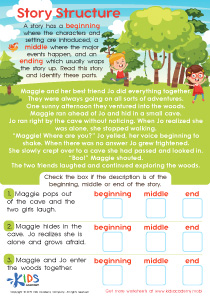
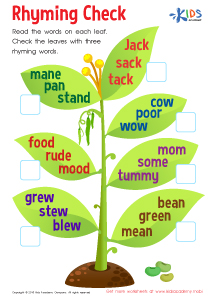
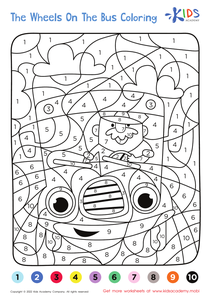
Counting practice Grade 2 Building Vocabulary Worksheets
3 filtered results
-
From - To
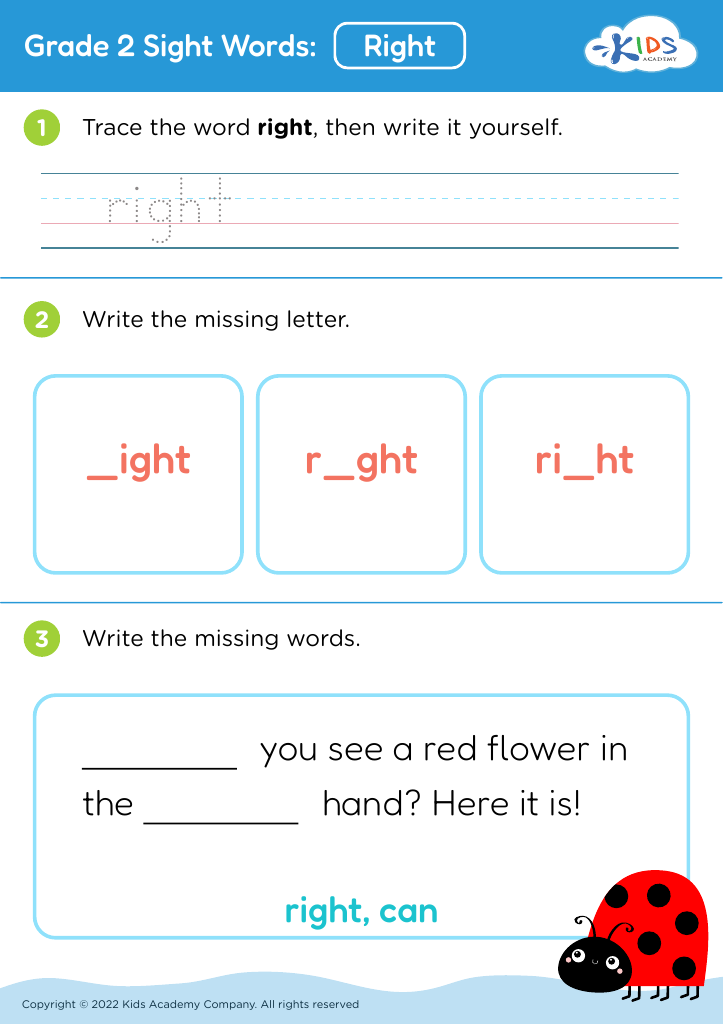
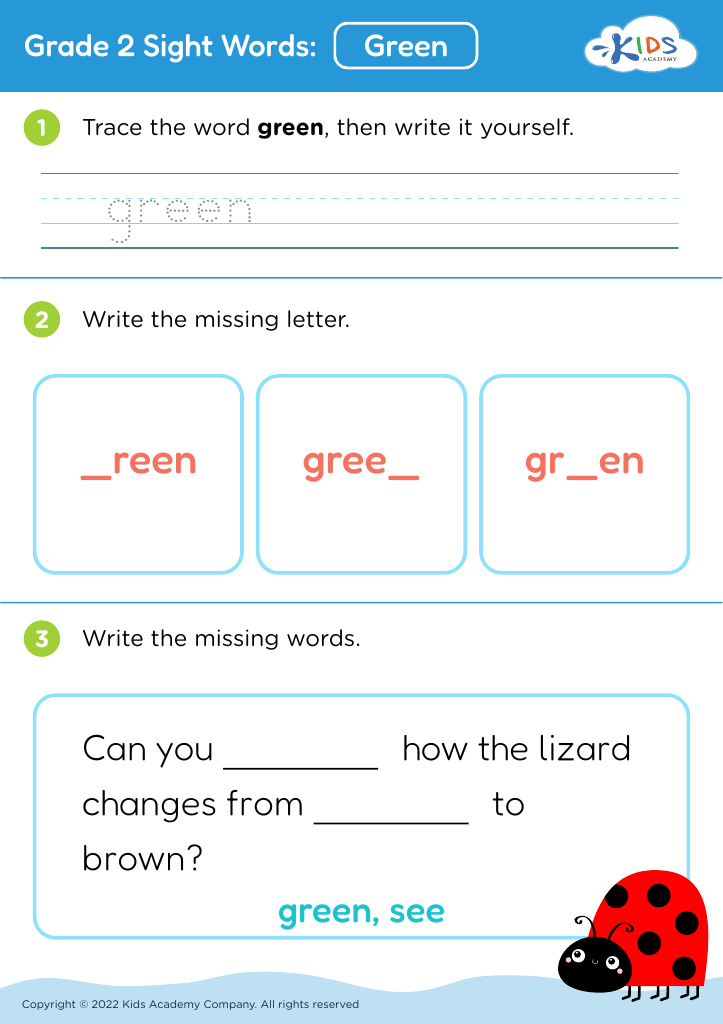
Enhance your second grader's numerical skills with our Counting Practice Building Vocabulary Worksheets! These engaging activities are designed to reinforce fundamental counting concepts while also expanding your child's vocabulary. Each worksheet is crafted to combine essential math exercises with language development, making learning both fun and effective. Students will practice counting objects, sequencing numbers, and associating words with quantities. Ideal for classroom or home use, our worksheets offer diverse challenges to cater to different learning styles. Boost your child’s confidence in math and enrich their vocabulary simultaneously with these interactive resources, perfect for nurturing young minds in Grade 2!
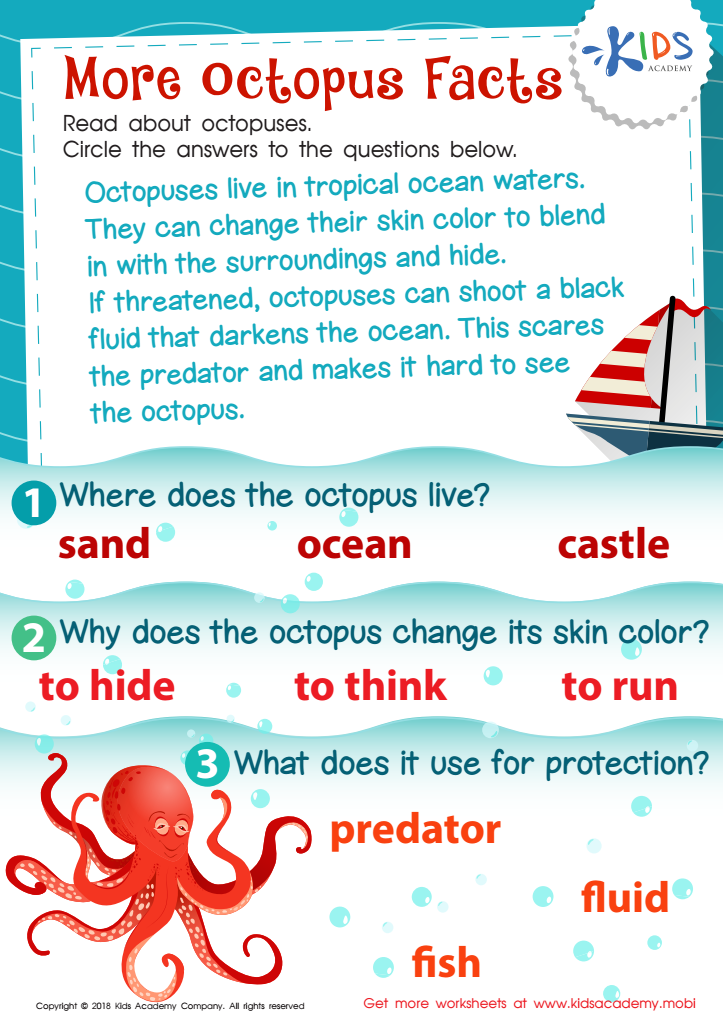
More Octopus Facts Worksheet
 Assign to My Students








Counting practice in second grade serves as a foundational skill that supports quantitative understanding and mathematical concepts. As children progress in their learning, the ability to count accurately is vital for solving more complex math problems, which they will encounter in later grades. Engaging in counting activities helps students develop number sense, clarity in understanding numbers and their relationships, and improved mental math skills.
Furthermore, building vocabulary around counting and mathematical concepts enhances their overall language skills. When children learn terms like “addition,” “subtraction,” and “total,” they not only practice numbers but also develop greater proficiency in word use, supporting reading comprehension. It fosters critical thinking as they start making connections between words and numbers.
Additionally, these skills instill confidence, empowering students to tackle math challenges without fear. When parents and teachers prioritize counting practice and an associated vocabulary, they create a nurturing environment where children feel supported in their learning journey. This setting encourages curiosity and resilience, making math a more enjoyable subject. Overall, caring about counting practice is crucial for holistic academic development and essential for lifelong learning skills.