Critical Thinking Grade 2 Building Vocabulary Worksheets
5 filtered results
-
From - To
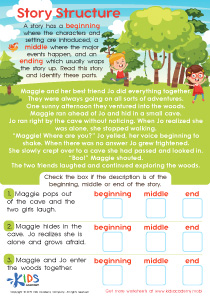
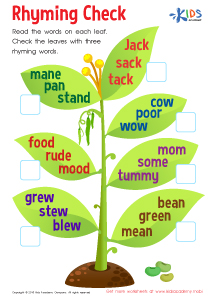
Enhance your child's language skills with our "Critical Thinking Grade 2 Building Vocabulary Worksheets." Tailored for second graders, these engaging activities are designed to expand vocabulary while fostering critical thinking. Through fun exercises, children can connect words with meanings, identify synonyms and antonyms, and apply new vocabulary in context. Our worksheets not only improve reading comprehension but also encourage analytical skills essential for academic success. Created with vibrant visuals and interactive challenges, they make learning enjoyable and effective. Give your child the tools to excel in vocabulary development and critical thinking with Kids Academy’s expertly crafted resources.
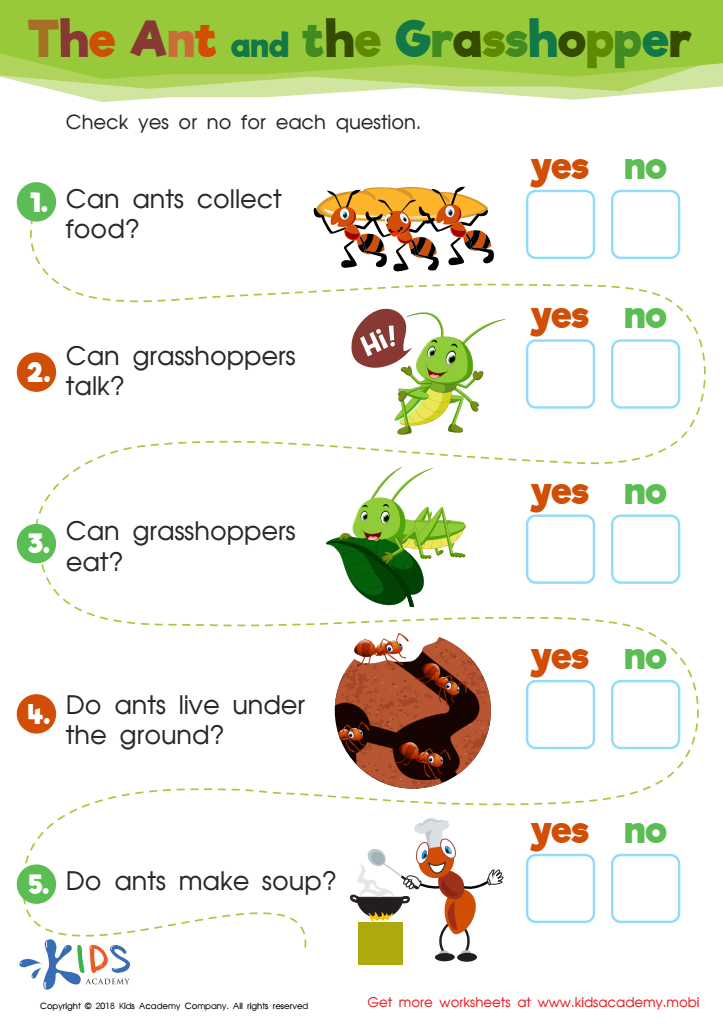
The Ant and The Grasshopper Worksheet
 Assign to My Students
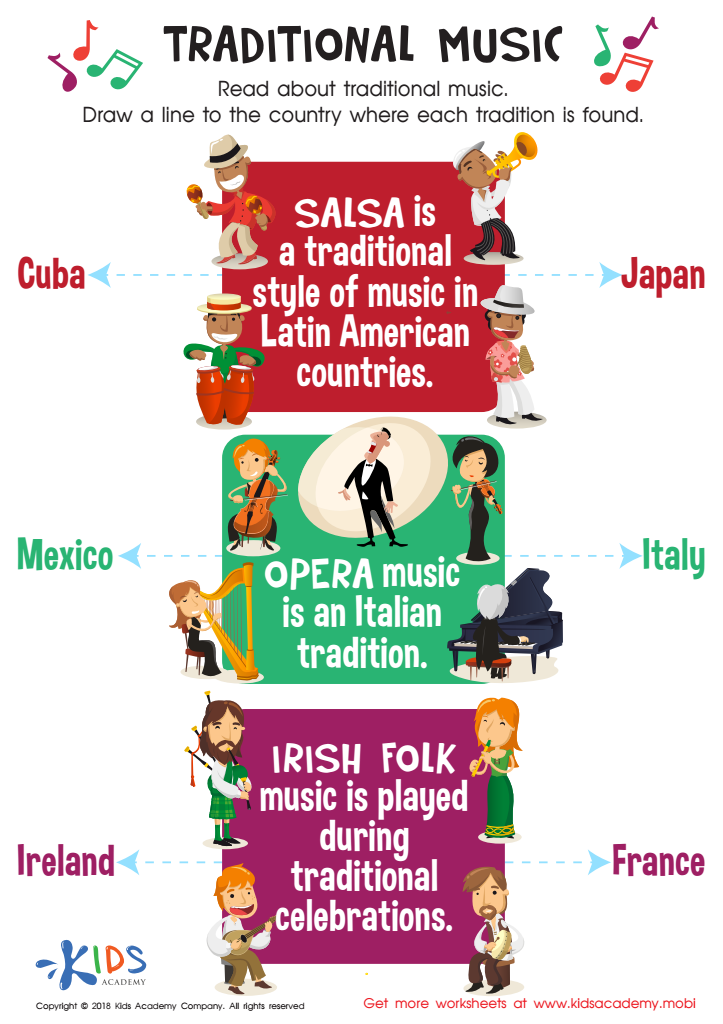
Traditional Music Worksheet
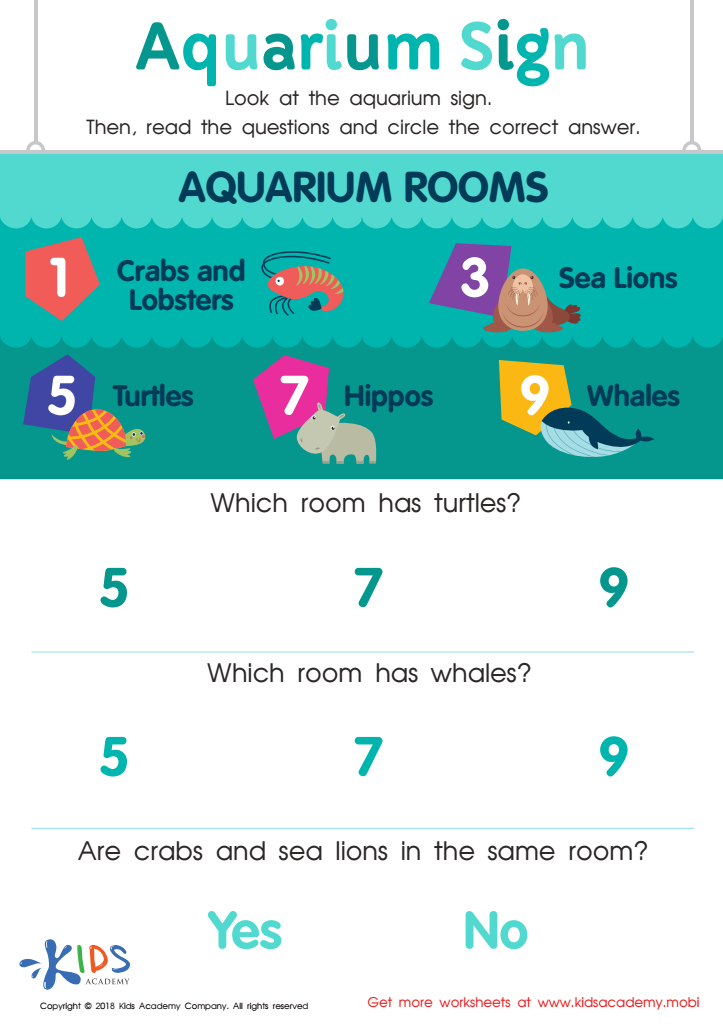
Assessment: Aquarium Sign Worksheet
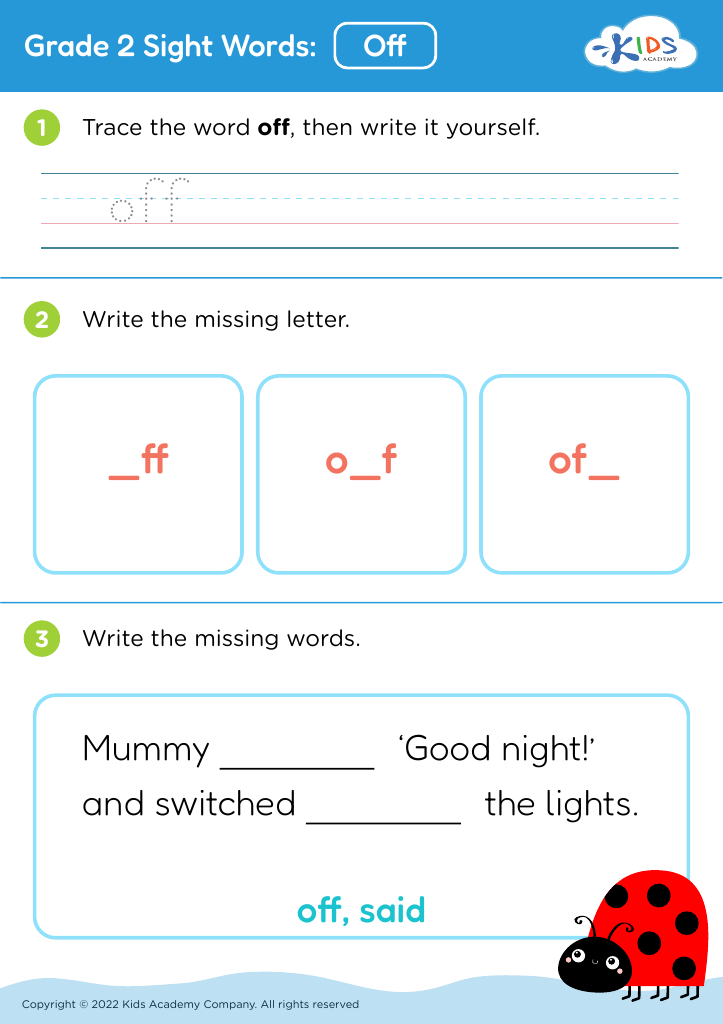
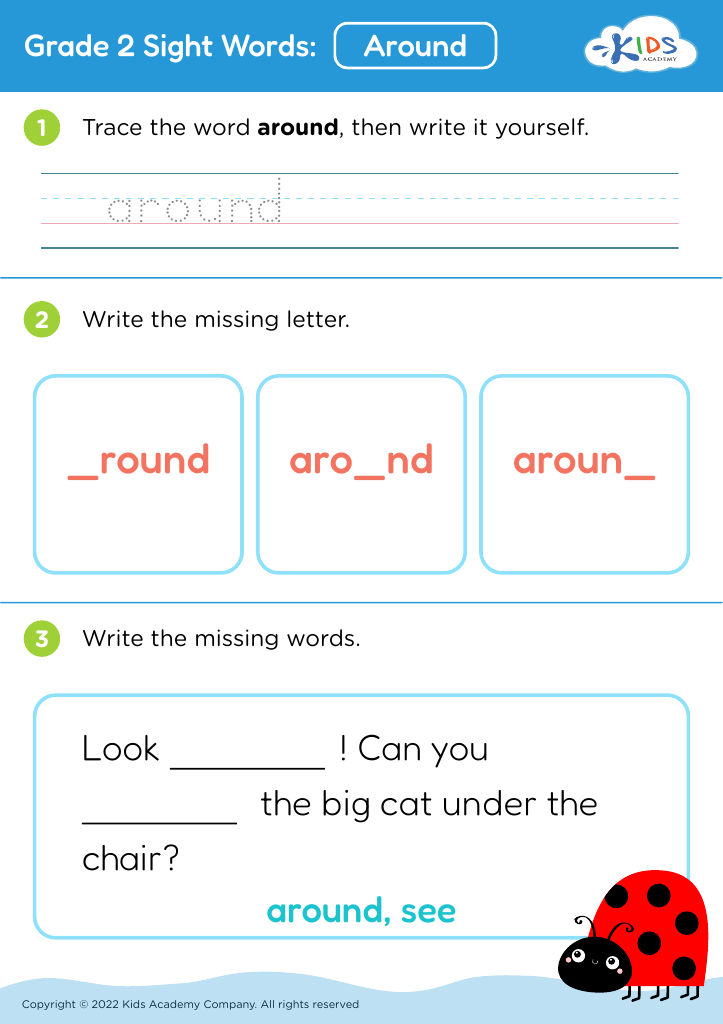








Parents and teachers should place great emphasis on building vocabulary in second grade because it establishes a crucial foundation for critical thinking. At this early age, children are like sponges, absorbing new words and concepts easily. A robust vocabulary enhances their ability to understand and process information, which is vital for all learning areas, including reading comprehension, math problem-solving, and scientific exploration.
More importantly, a well-developed vocabulary boosts children’s critical thinking skills. With a wide range of words, children can articulate their thoughts clearly, ask insightful questions, and make logical connections between different ideas. This empowers them to navigate complex problem-solving situations effectively and enhances their curiosity and creativity. Critical thinking is essential in today's world for making informed decisions, understanding global issues, and contributing to society.
Moreover, an improved vocabulary allows children to engage more deeply in classroom discussions and collaborate better with peers, fostering a positive learning environment. Parents and teachers must incorporate varied and rich vocabulary-building activities—such as reading diverse books, engaging in thoughtful conversations, and playing educational games—to ensure children are well-prepared for future academic challenges and successful in their everyday lives. By prioritizing vocabulary development, they are, in essence, investing in the child's overall intellectual and personal growth.