Improve reading skills Grade 2 Building Vocabulary Worksheets
4 filtered results
Difficulty Level
Grade
Age
-
From - To
Subject
Activity
Standards
Enhance your second grader's reading skills with our engaging Building Vocabulary Worksheets! Designed to boost language comprehension, these worksheets focus on enriching students' vocabulary through fun and interactive exercises. From matching words with definitions to using them in context, these activities foster a love for reading while expanding word knowledge. Tailored for Grade 2, our resources emphasize essential skills like word recognition, context clues, and sentence structure. Watch your child thrive as they develop confidence in their reading abilities. Explore our collection today and set your young learner on the path to literacy success and vocabulary mastery!
Favorites
With answer key
Interactive
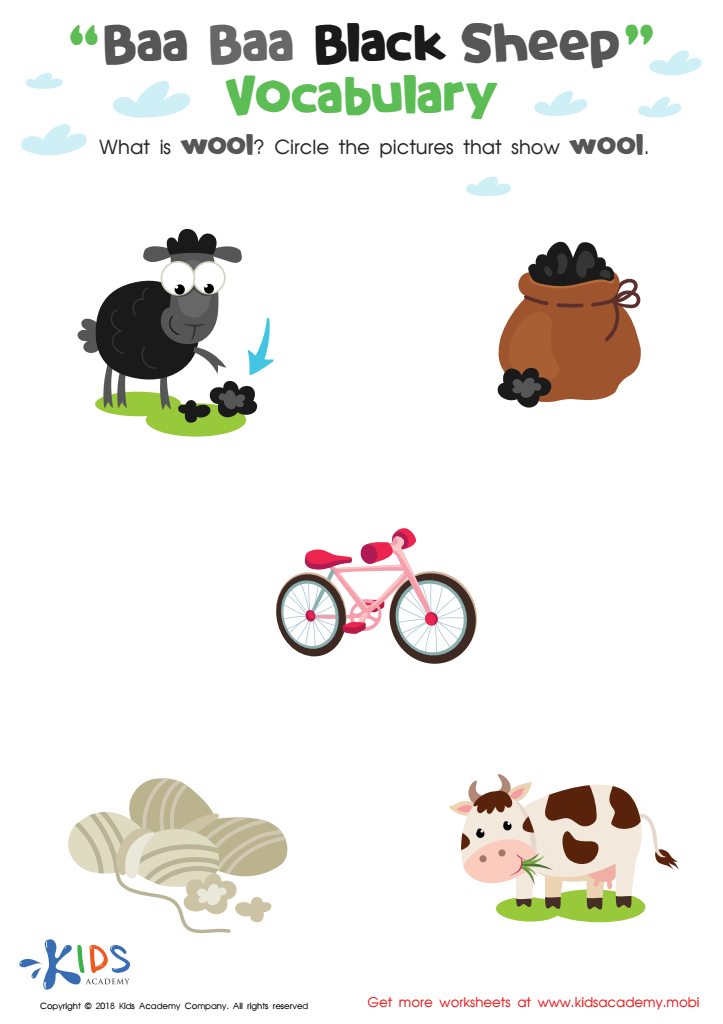
Baa Baa Black Sheep: Vocabulary Worksheet
Exposing readers to various vocab helps their reading abilities grow. This cheery worksheet uses pictures to show what wool is and isn't, helping readers with visual discrimination. Having concrete images for new words is essential for emerging readers, and this is an enjoyable way to strengthen the skill.
 Assign to My Students
Baa Baa Black Sheep: Vocabulary Worksheet
Worksheet
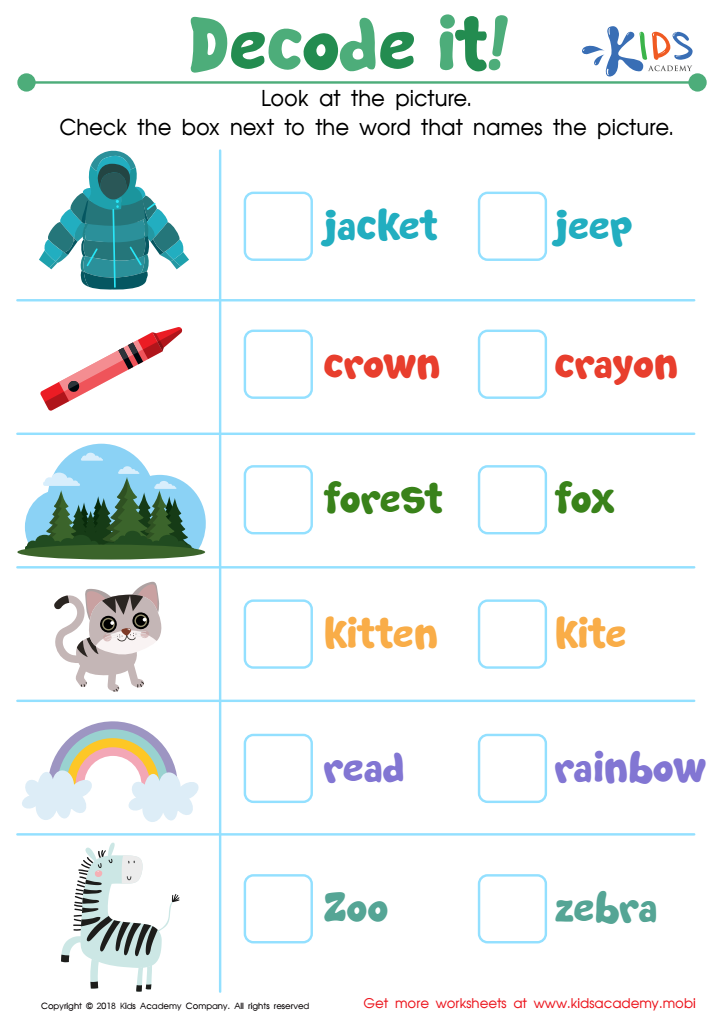
Reading: Decode It Worksheet
Look at the picture and circle the word that names it. This exercise helps kids practice picture cues and decoding words, with the same beginning sound. It builds their fluency and comprehension, giving them the skills to read unfamiliar words.
Reading: Decode It Worksheet
Worksheet
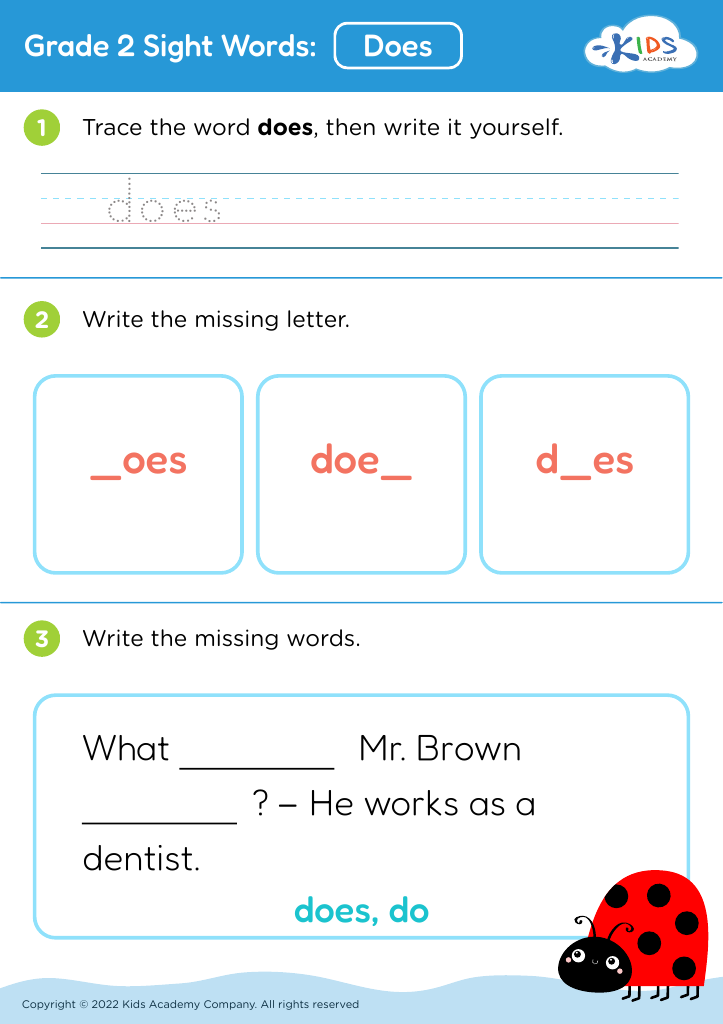
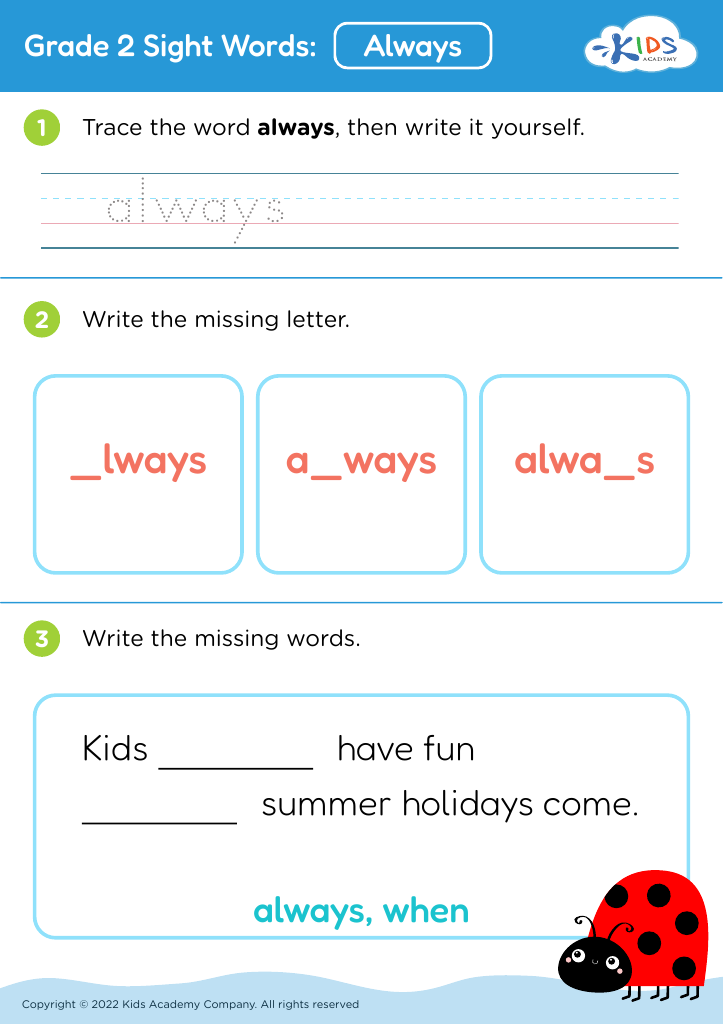
Join Kids Academy for Free
Who is primarily going to use this learning content?








Building vocabulary in Grade 2 is crucial for enhancing reading skills, which fundamentally shapes a child's academic success and lifelong learning. Parents and teachers should care about this developmental milestone for several reasons.
Firstly, a strong vocabulary foundation improves comprehension. Children with a richer vocabulary understand texts better, allowing them to engage meaningfully with the material. This comprehension is essential not just for reading but also for overall communication skills vital in everyday life and future academic endeavors.
Secondly, vocabulary acquisition at this stage lays the groundwork for critical thinking. As children learn new words, they can express their thoughts more clearly and understand nuanced concepts, fostering analytical and creative skills that are essential as they progress through school.
Moreover, expanding vocabulary can boost a child's confidence. When students recognize and comprehend words used in their schoolwork, they feel more empowered and eager to participate in discussions. This confidence can nurture a love for reading, encouraging them to explore various genres and subjects.
Lastly, attentive efforts in vocabulary development engage families and communities in children's education, promoting a collaborative approach to learning which enriches the child's experience and builds a supportive environment for their growth.