Vocabulary Building Grade 2 Building Vocabulary Worksheets
5 filtered results
-
From - To
Enhance your second grader's linguistic skills with our engaging Vocabulary Building worksheets! Designed to support and enrich young learners, these resources focus on key vocabulary development essential for reading comprehension. Our printable worksheets feature fun activities that encourage word recognition, context usage, and expression, making learning enjoyable and effective. Whether your child is practicing synonyms, antonyms, or sentence formation, these worksheets cater to diverse learning styles. Equip your student with a strong vocabulary foundation that boosts confidence and academic success. Explore our comprehensive collection of second-grade vocabulary-building worksheets and watch their language skills flourish! Perfect for home or classroom use!
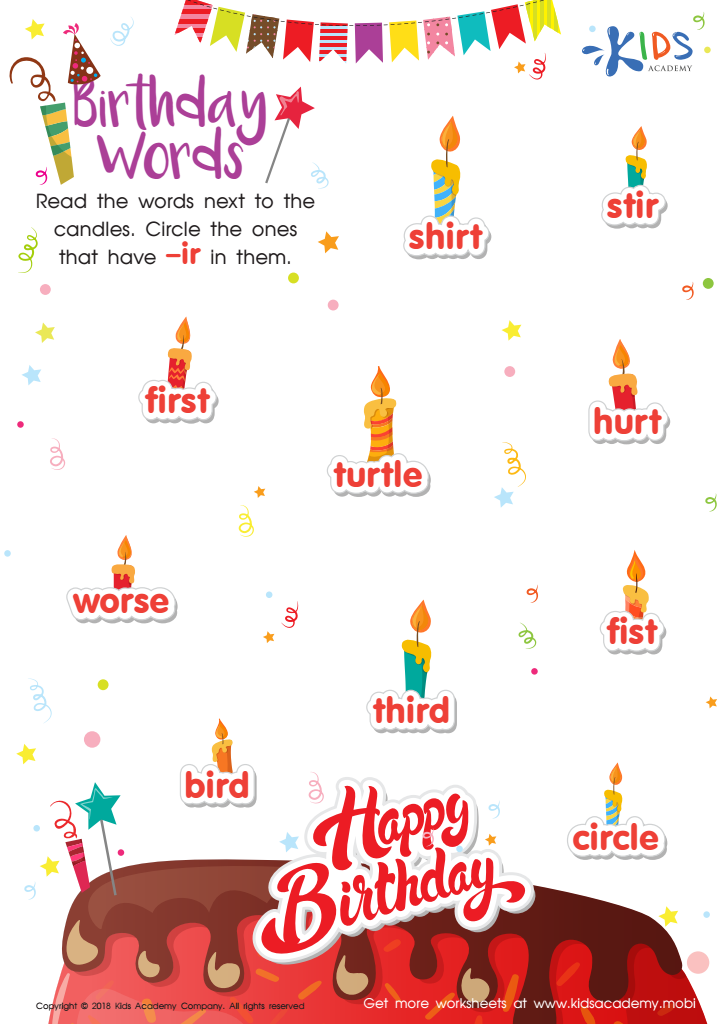
Birthday Words Worksheet
 Assign to My Students
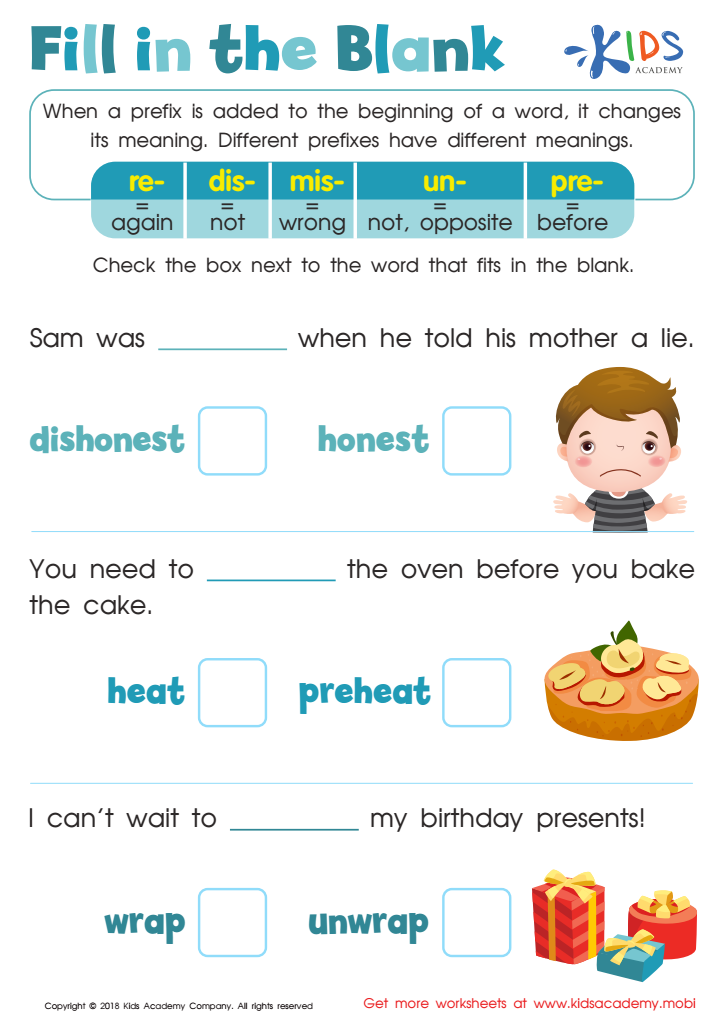
Reading: Fill in the Blank Worksheet
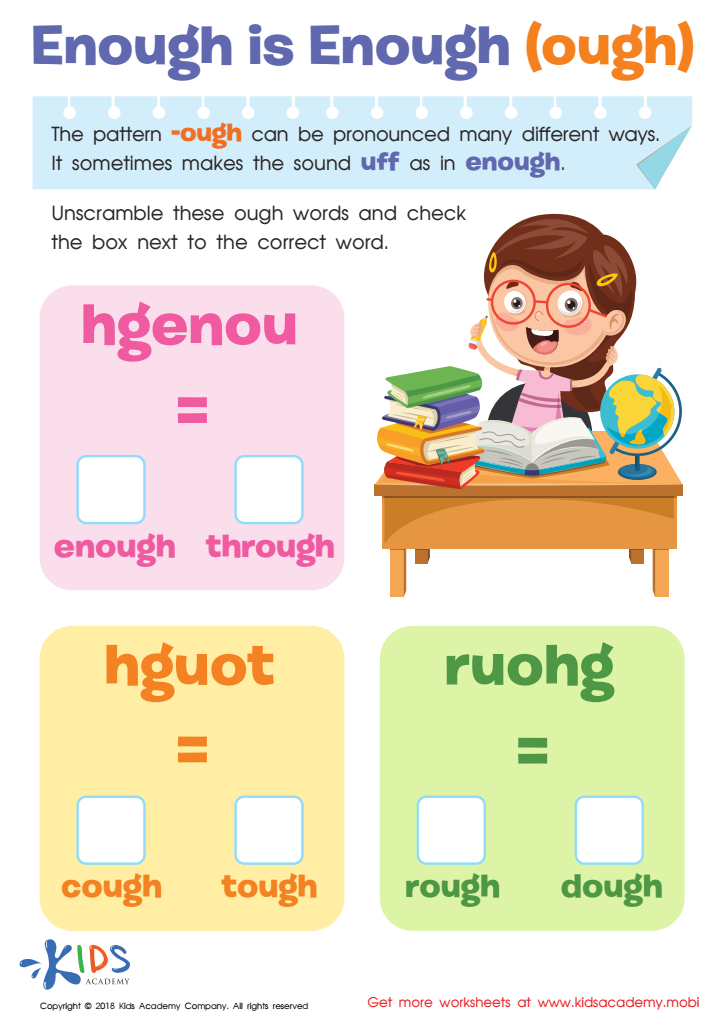
Enough Is Enough (ough) Worksheet
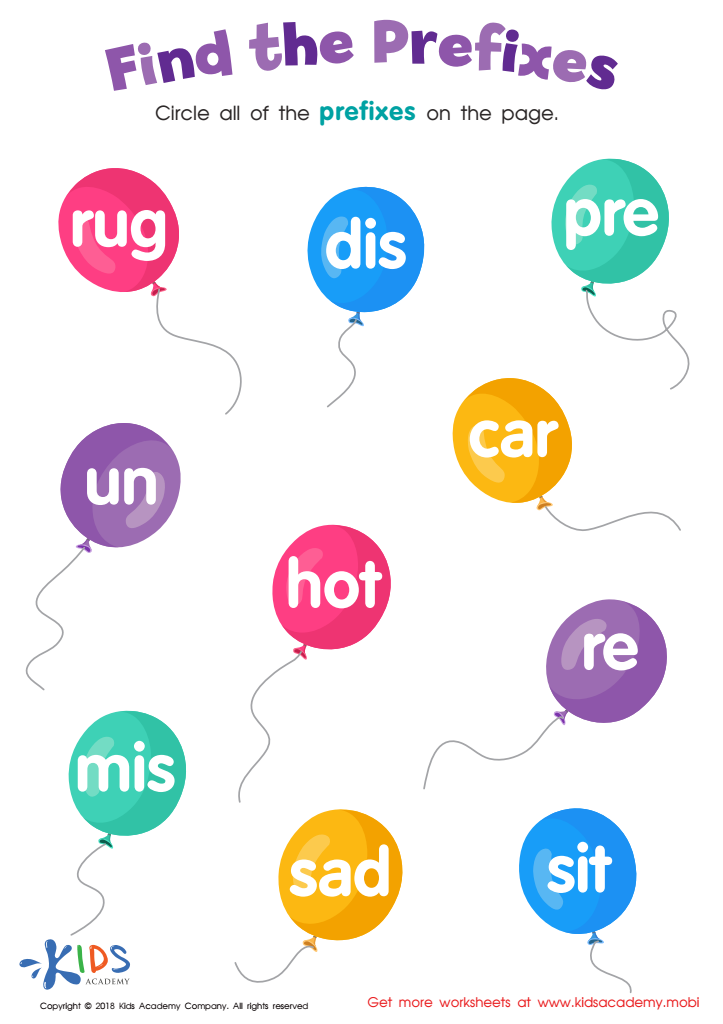
Reading: Find the Prefixes Worksheet
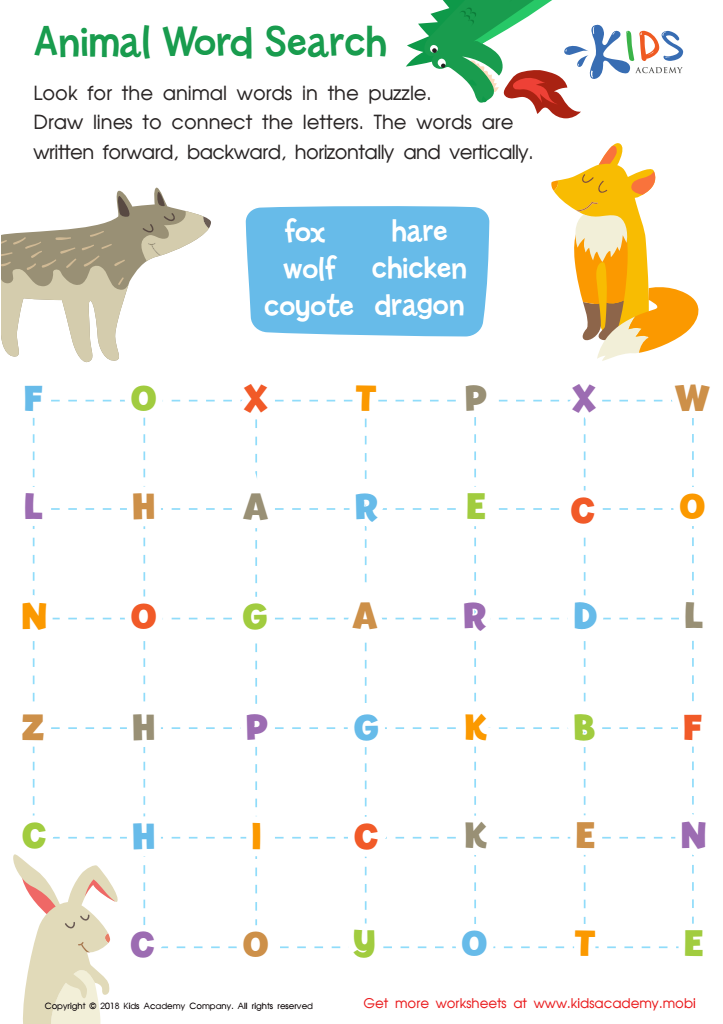
Animal Word Search Worksheet






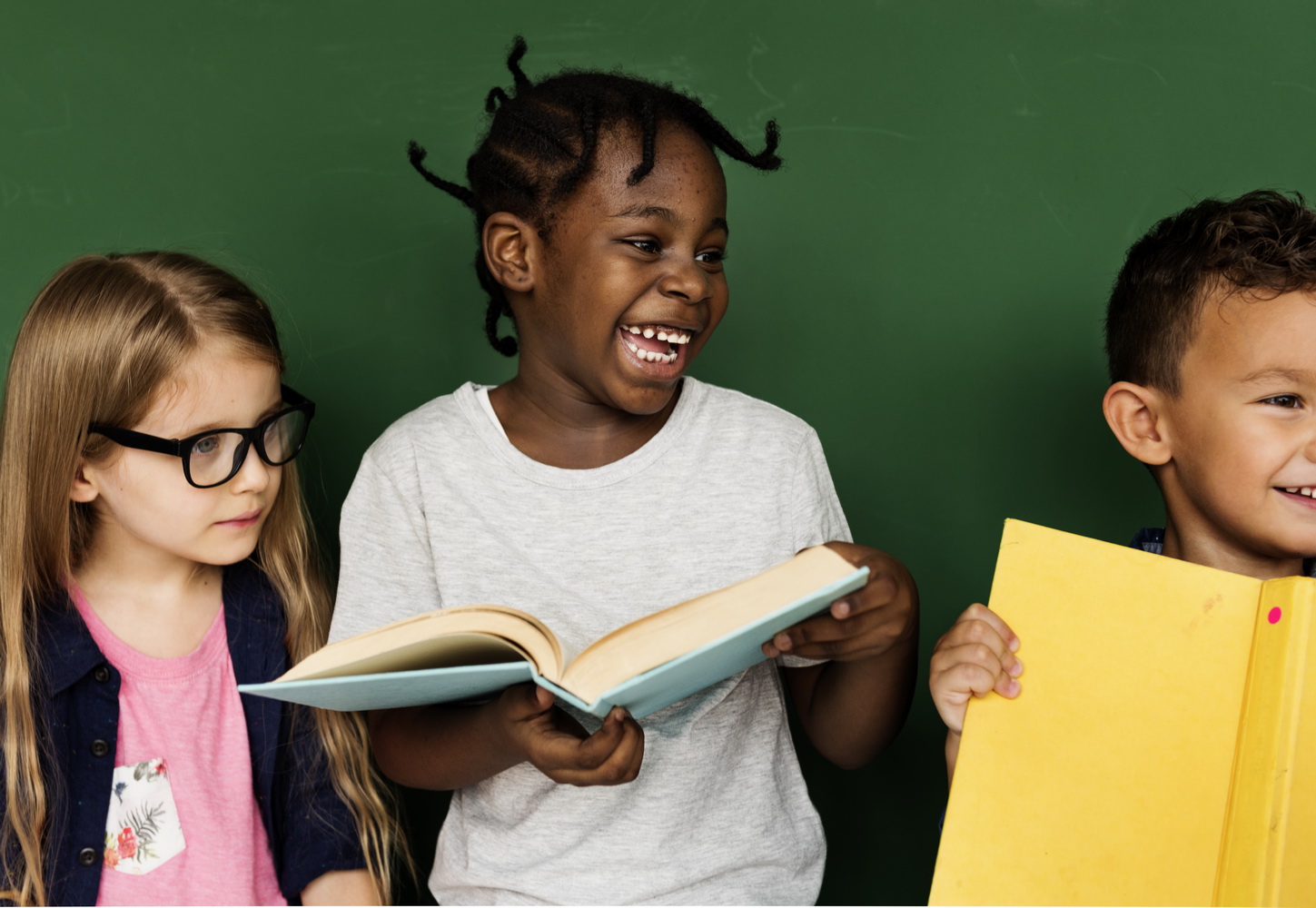

Vocabulary building is a critical aspect of language development in Grade 2, and it's essential for parents and teachers to prioritize it for several reasons. First, a strong vocabulary enhances comprehension skills, allowing children to better understand what they read and express their thoughts clearly. When students encounter new words in various contexts, they are more likely to engage with and enjoy reading, laying the groundwork for lifelong literacy habits.
Furthermore, vocabulary development is closely linked to academic success across subjects. In Grade 2, learners are introduced to more complex texts and concepts that require a robust vocabulary to navigate. A rich vocabulary enables children to participate more effectively in discussions, improving their confidence in communication.
Parents and teachers play a pivotal role in fostering vocabulary growth. Through engaging activities such as reading aloud, playing word games, and discussing new words encountered in everyday situations, they can create a supportive learning environment. Encouraging curiosity about language helps children feel empowered and interested in their own learning.
In summary, focusing on vocabulary building in Grade 2 is crucial for improving reading comprehension, communication skills, and overall academic performance, making it a priority for both parents and educators.