Problem-Solving Skills Grade 2 Reading Worksheets
10 filtered results
-
From - To
Enhance your second grader's reading comprehension and critical thinking with our Problem-Solving Skills Grade 2 Reading Worksheets! Tailored for young learners, these engaging worksheets cultivate essential skills through interactive reading exercises. Students will tackle real-life scenarios that encourage analytical thinking and reasoning, making learning fun and practical. With a variety of formats, including stories, puzzles, and questions, children will develop effective strategies to navigate challenges while improving their vocabulary and comprehension. Perfect for classroom use or at-home practice, our printable worksheets provide a comprehensive resource for educators and parents aiming to bolster their child's problem-solving abilities in an enjoyable way.
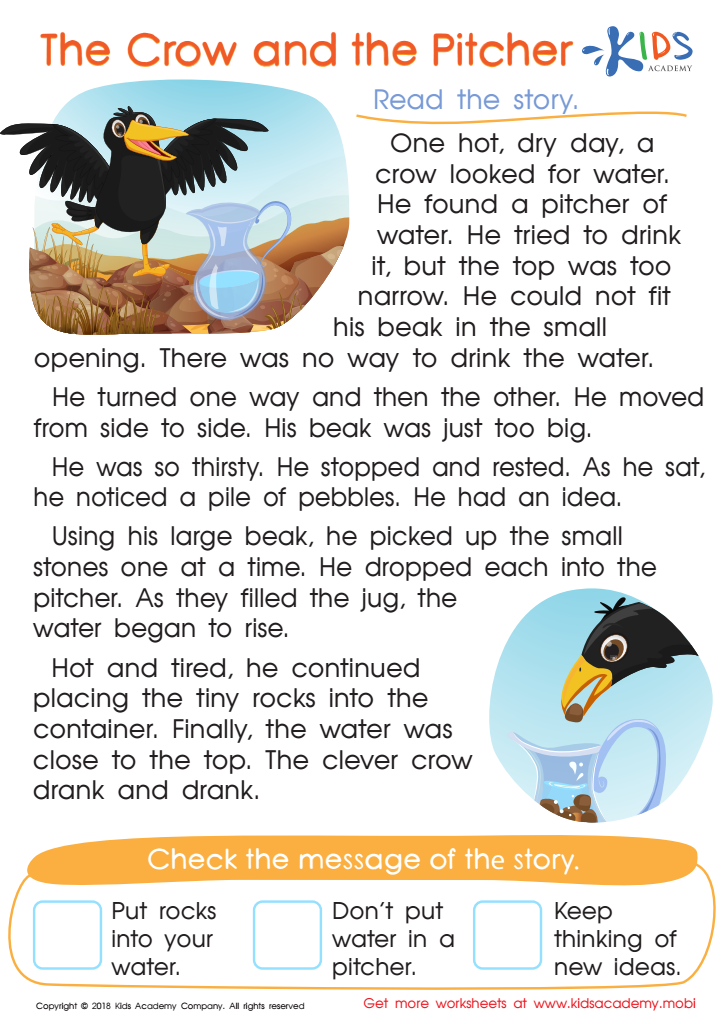
The Crow and the Pitcher Worksheet
 Assign to My Students
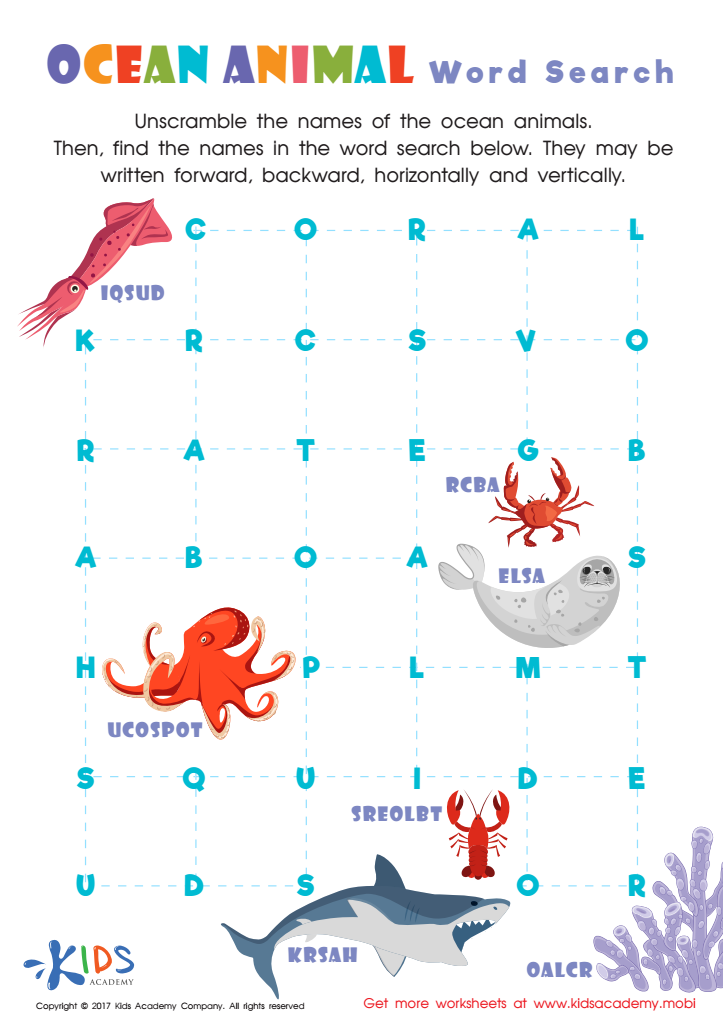
Ocean Animals Word Search Printable
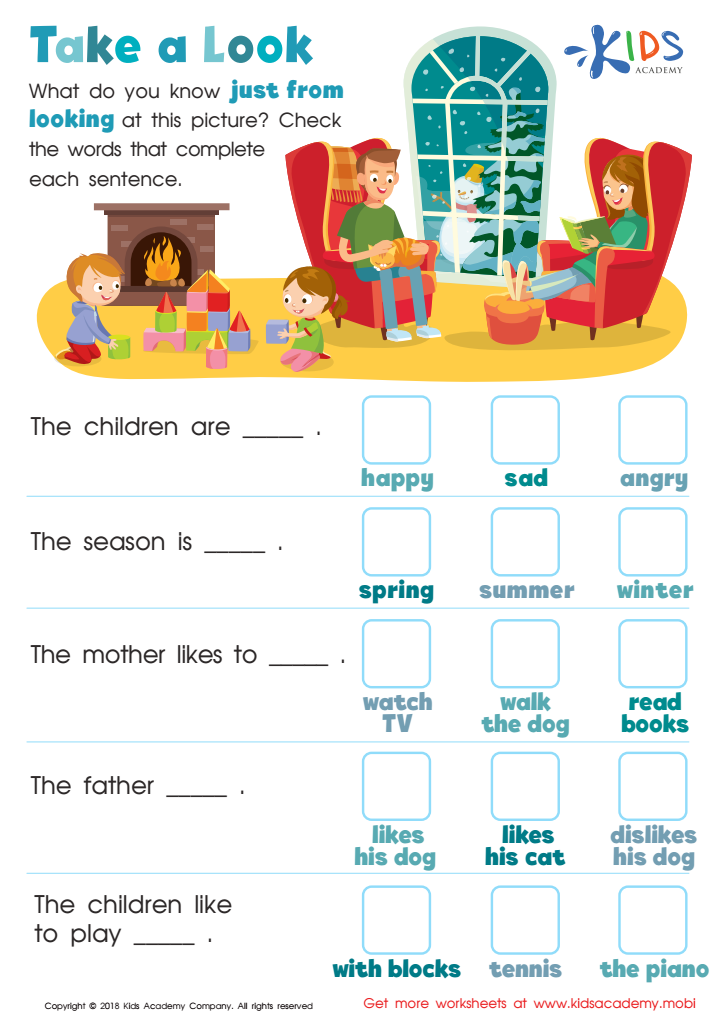
Take a Look - Part 1 Worksheet
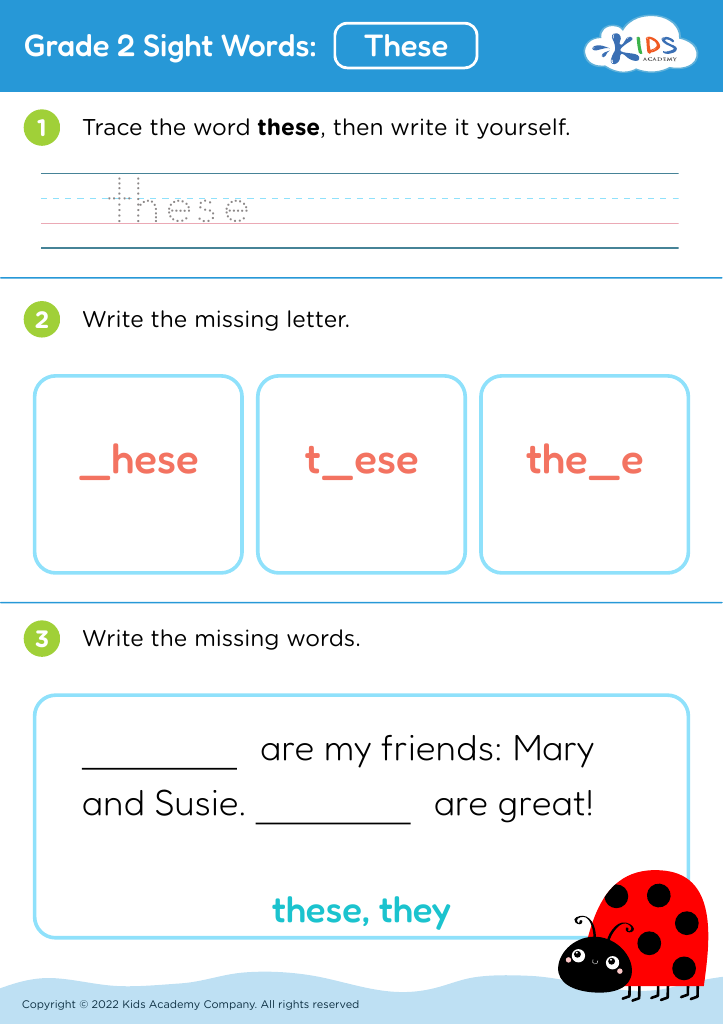
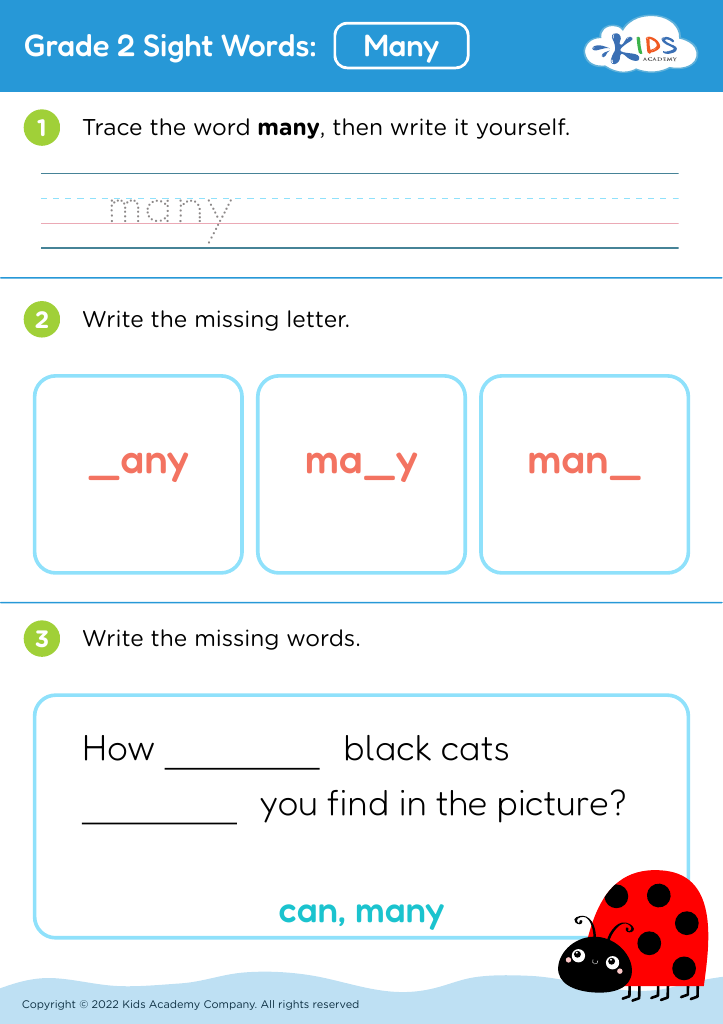
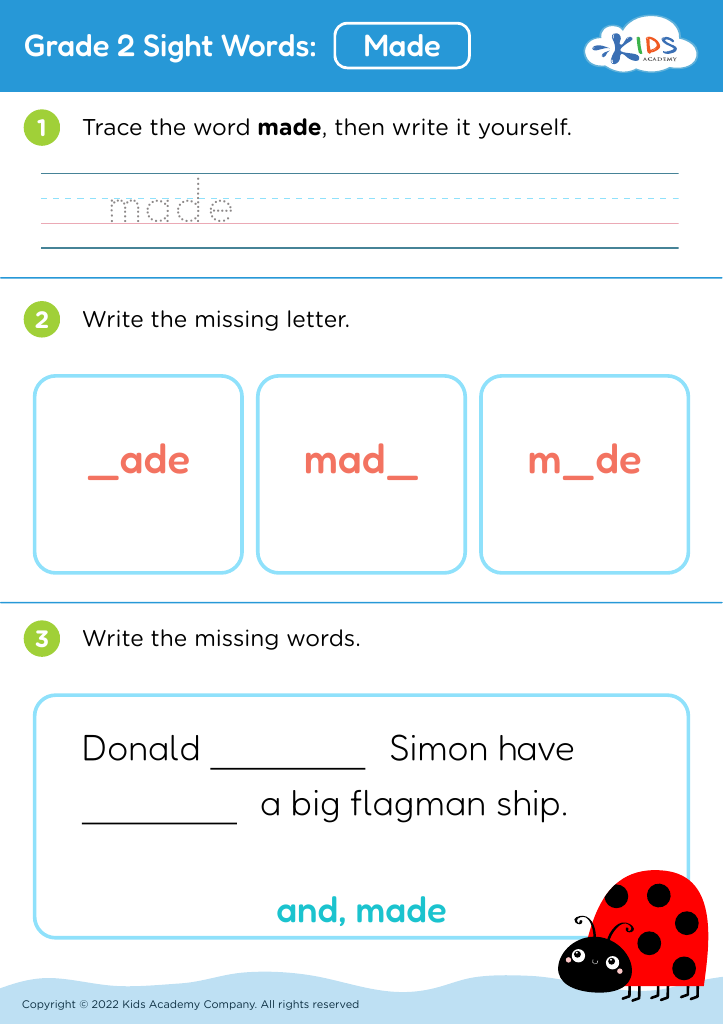
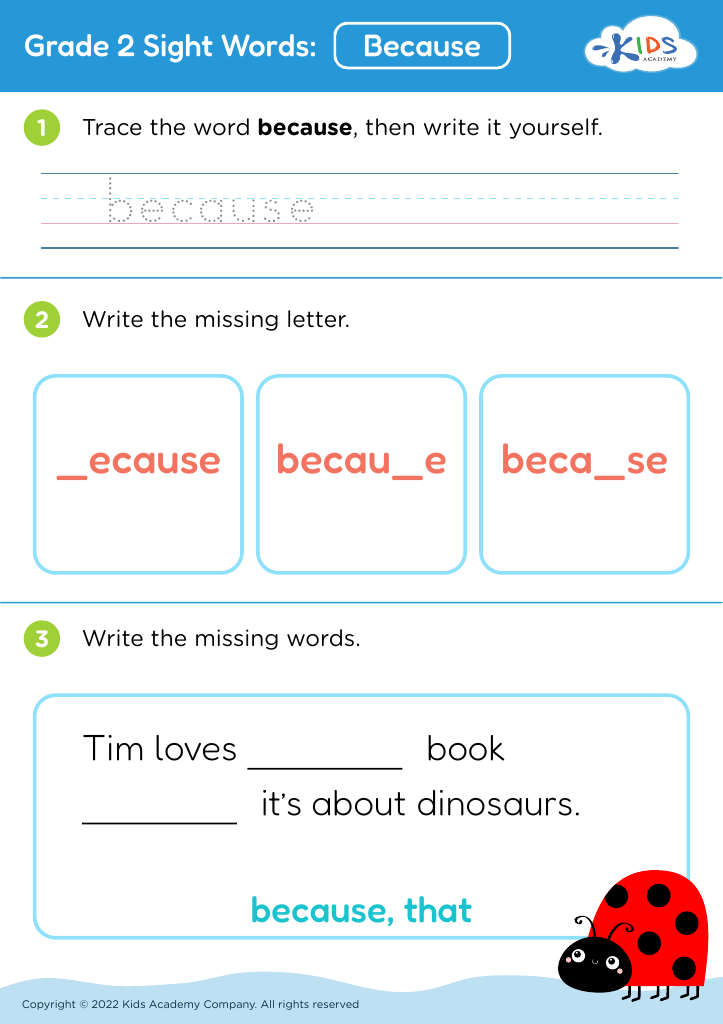
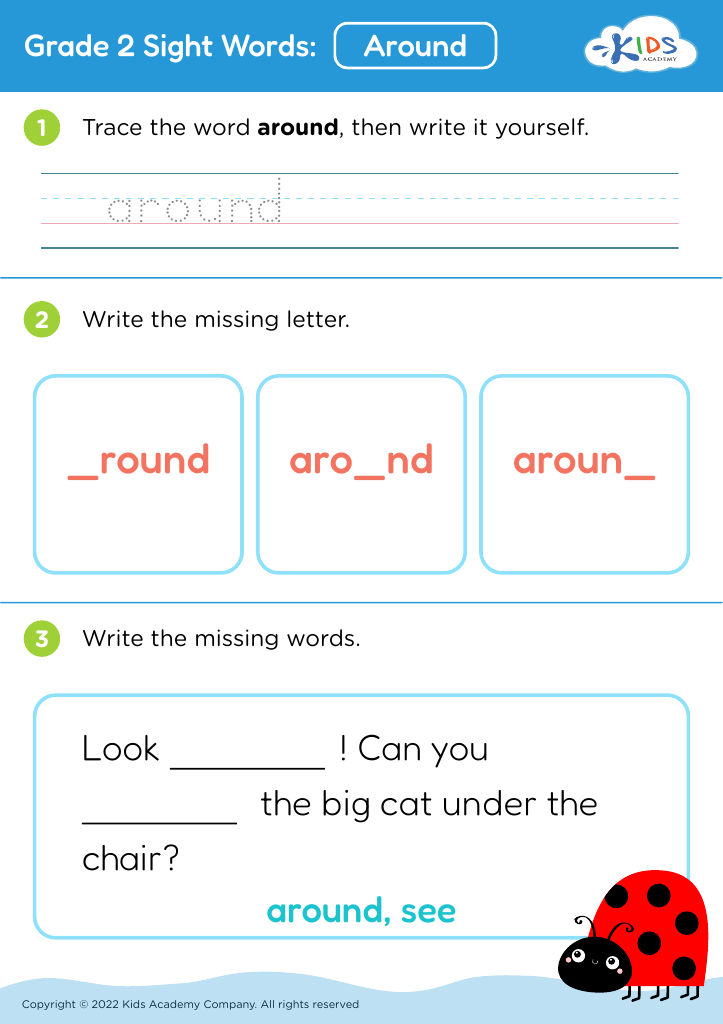







Problem-solving skills are crucial for second graders as they lay the foundation for critical thinking, perseverance, and decision-making. At this age, children are developing their abilities to understand and navigate challenges, both academically and socially. When parents and teachers emphasize problem-solving skills during reading activities, they not only enhance comprehension but also encourage children to engage more deeply with texts.
Reading in the second grade involves not just decoding words but also grasping deeper meanings, making predictions, and drawing conclusions. By cultivating problem-solving skills, educators can equip students with the tools to tackle complex narratives and identify underlying themes or character motivations. This boosts their analytical thinking and confidence in their abilities.
Furthermore, when parents and teachers collaborate in fostering these skills, they create a supportive learning environment that encourages resilience and collaboration. Children learn the value of perseverance in tackling tough reading materials, which translates to other areas of learning and life.
In summary, problem-solving skills in Grade 2 reading play a vital role in academic success and personal development. By focusing on these skills, parents and teachers can promote lifelong learners who are prepared to face future challenges with confidence and creativity.