Letter tracing skills Grade 3 Alphabet Worksheets
3 filtered results
Difficulty Level
Grade
Age
-
From - To
Subject
Activity
Standards
Enhance your Grade 3 students' writing abilities with our engaging Letter Tracing Skills worksheets. Specifically designed to help young learners master the alphabet, these worksheets provide a fun and interactive way to improve handwriting. Each worksheet features clear guidance on letter formation, allowing children to trace both uppercase and lowercase letters, and develop their motor skills. Incorporate these resources into your lesson plans for an effective and enjoyable learning experience. Ideal for classroom use or at-home practice, these worksheets will boost confidence in writing while making learning exciting. Download now and support your students’ journey toward writing proficiency!
Favorites
With answer key
Interactive
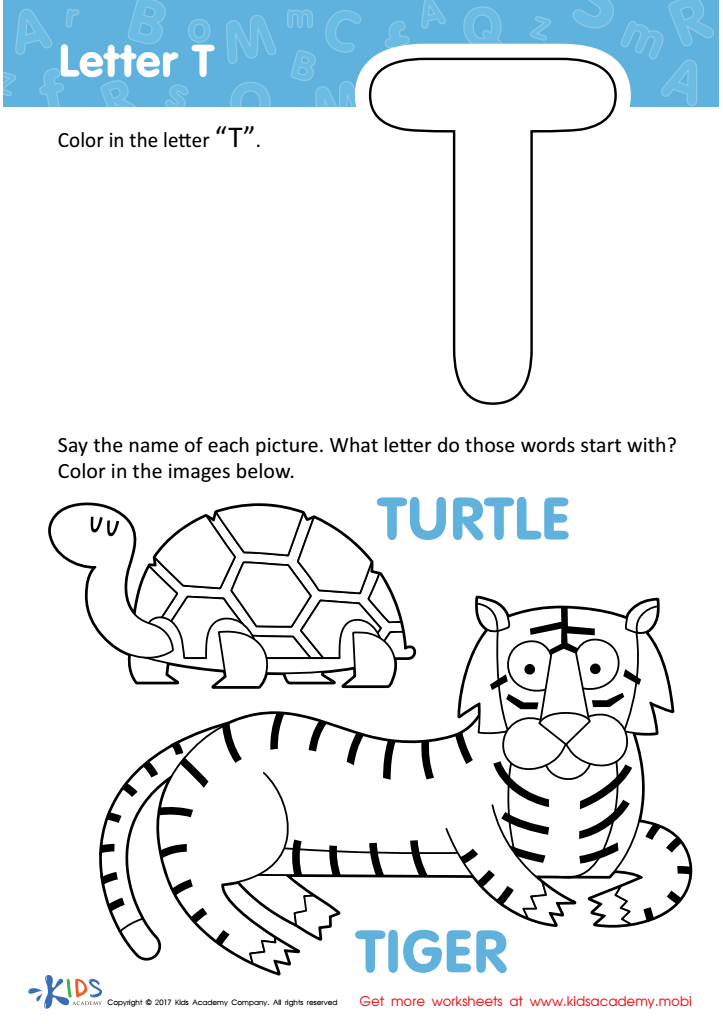
Letter T Coloring Sheet
Introduce your child to the letter "T" and its animals – turtles and tigers! With this coloring page, you can stimulate your child's imagination and creativity, while helping them recognize the letter "T". Have fun with your child and get coloring!
Download (PDF)
 Assign to My Students
Assign to My Students
Letter T Coloring Sheet
Worksheet

Letter C Tracing Page
Trace and write the letter 'C'! Put the pencil at the red dot then follow the lines – the capital letter first then the lowercase one. Cats love it and so will you! Get more free printables to practice tracing and writing.
Letter C Tracing Page
Worksheet
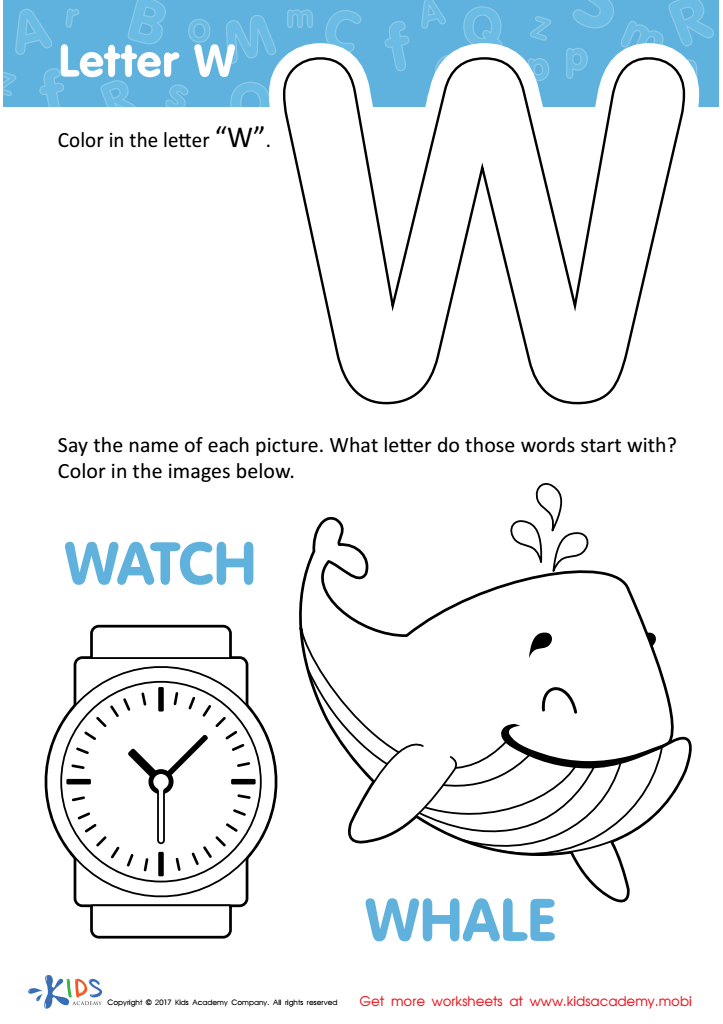
Letter W Coloring Sheet
Let your child have fun with this letter "W" coloring page! They can use their imagination to color the whale and discover the letter and its sound. Give them a helping hand to make it a whale of a time!
Download (PDF)
Assign to My Students
Assign to My Students
Letter W Coloring Sheet
Worksheet
Join Kids Academy for Free
Who is primarily going to use this learning content?








Letter tracing skills are crucial for Grade 3 students as they serve as the foundation for effective writing and literacy development. At this age, students refine their motor skills and build their confidence in writing. Tracing letters helps strengthen these fine motor skills, promoting better control of writing instruments.
Moreover, as children progress in their academic journey, strong letter formation is tied to legibility, which directly impacts their ability to communicate ideas effectively. An engaged and confident writer is more likely to participate actively in classroom discussions and activities, fostering overall academic growth.
Additionally, early mastery of letter tracing can enhance phonemic awareness, as children connect the visual form of letters with their sounds. This crucial link aids in their reading development, making them more avid readers in the long run.
For teachers and parents, supporting letter tracing efforts reinforces the home-school connection, allowing for collaborative involvement in a child's education. By encouraging practice, parents and teachers can nurture a love for learning and lay a strong groundwork for future academic success. Enhancing letter tracing skills not only empowers students in their writing but also cultivates a positive attitude towards literacy that will benefit them throughout their educational journey.