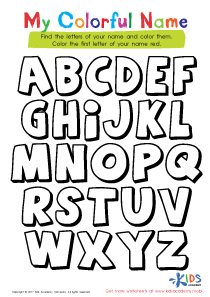
Alphabet tracing Grade 3 Letter Recognition Worksheets
8 filtered results
-
From - To
Discover our engaging Grade 3 Alphabet Tracing Worksheets, designed to enhance letter recognition skills for young learners! These resources focus on helping students identify and practice tracing each letter of the alphabet, both uppercase and lowercase. Our worksheets feature fun illustrations and varied activities to keep children motivated while developing their fine motor skills. Perfect for classroom or home learning, these worksheets promote confidence in writing and enhance literacy foundations. Ideal for reinforcing letter formation and recognition through vibrant tracing exercises, our Alphabet Tracing Worksheets make learning enjoyable and effective for third graders. Start your child's journey to proficient writing today!
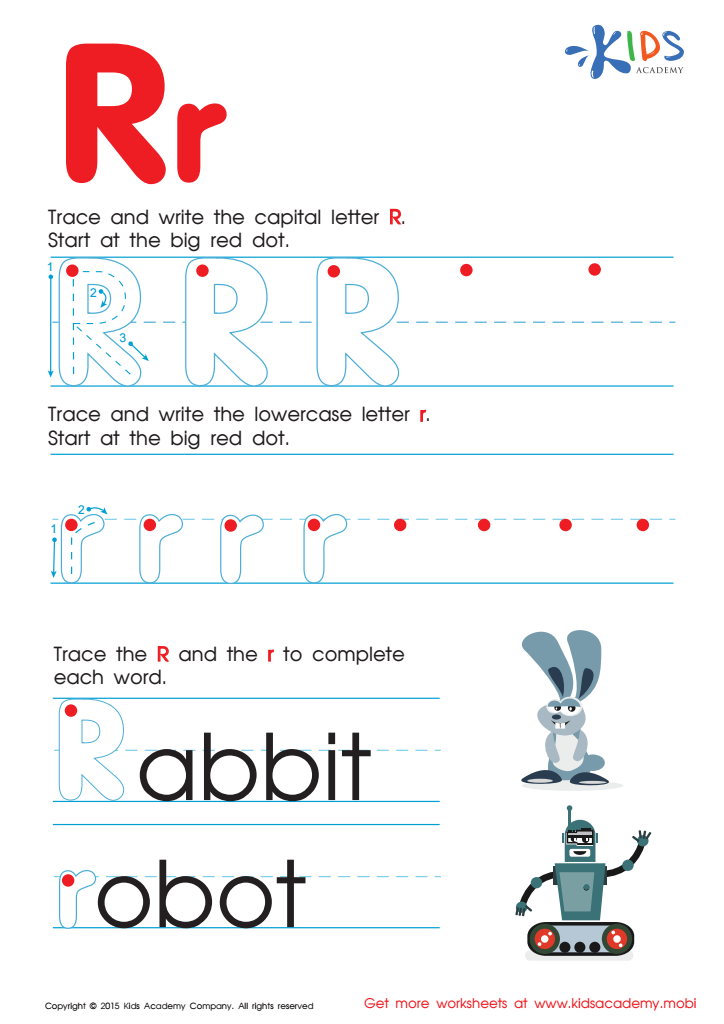
Letter R Tracing Page
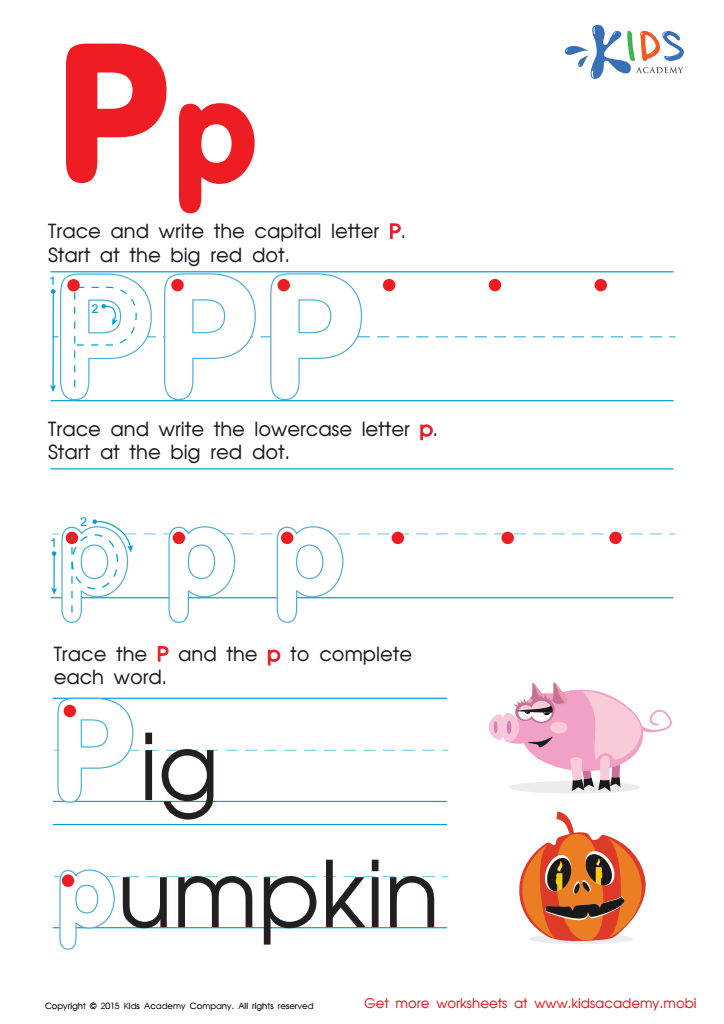
Letter P Tracing Page
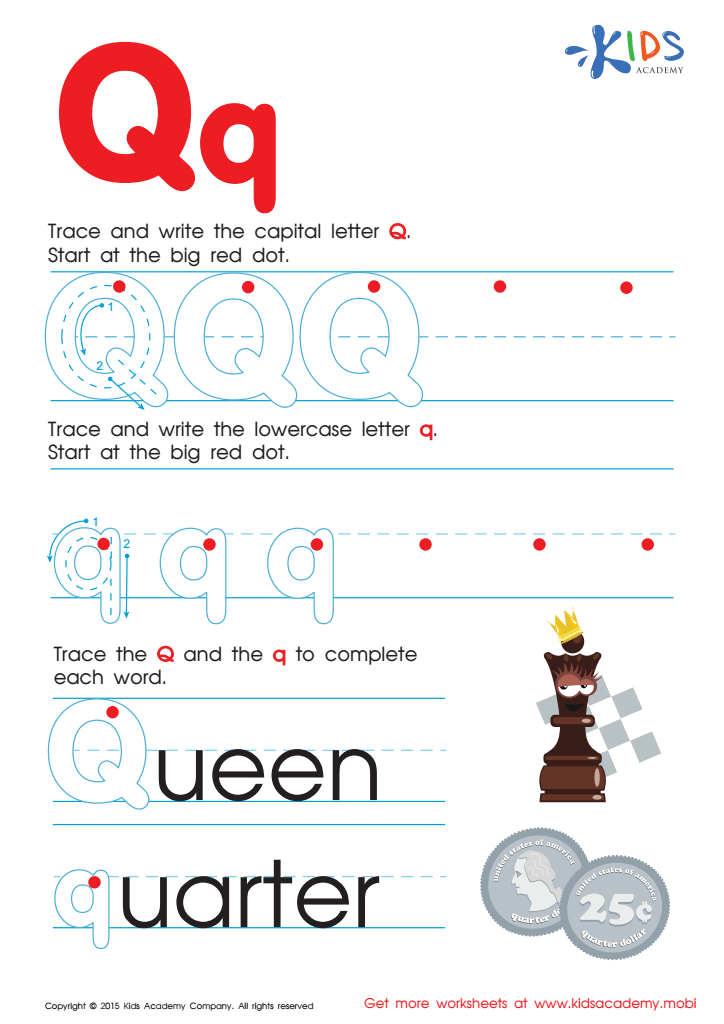
Letter Q Tracing Page
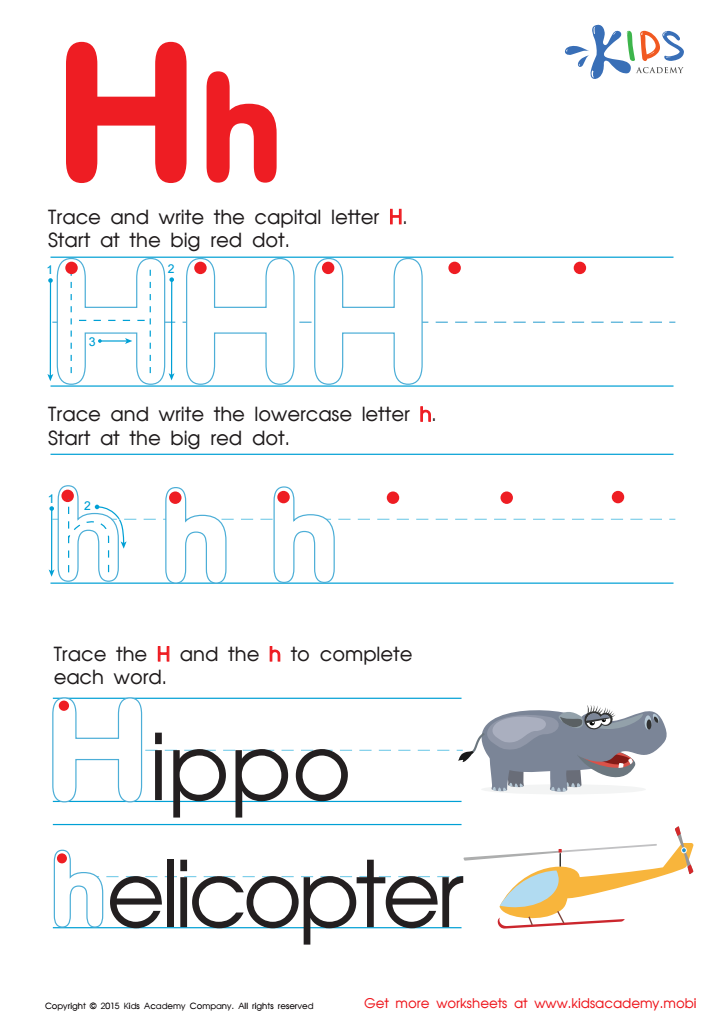
Letter H Tracing Page
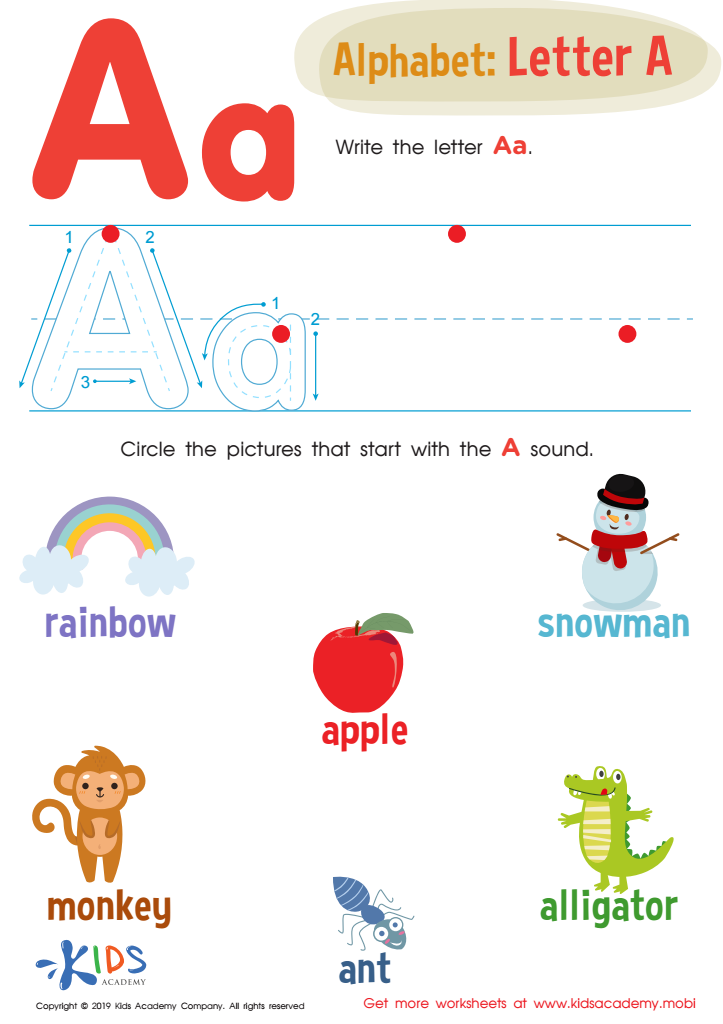
Letter A Tracing Worksheet
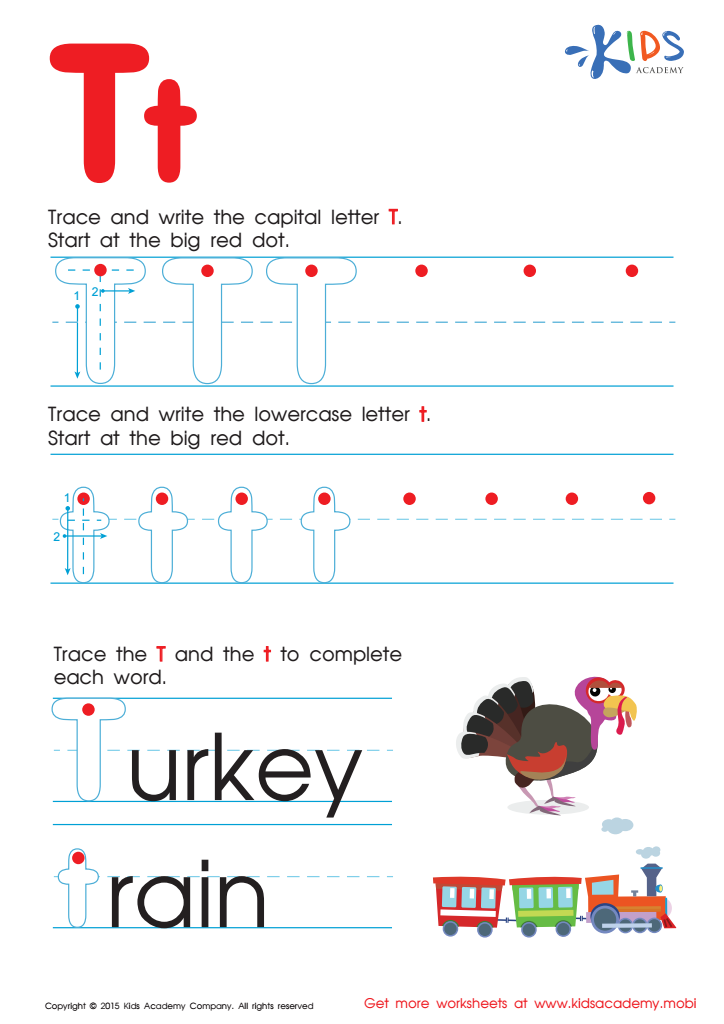
Letter T Tracing Page
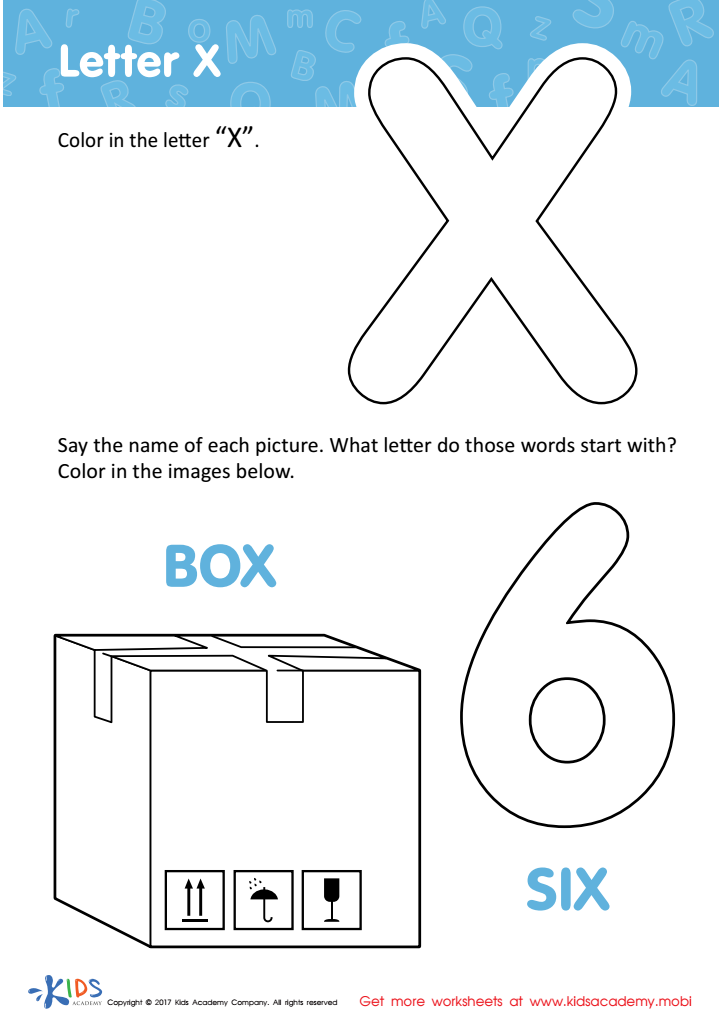
Letter X Coloring Sheet
 Assign to My Students

Letter D Tracing Page





Alphabet tracing and letter recognition are fundamental skills in Grade 3 that form the foundation for literacy development. For teachers and parents, understanding the importance of these skills is crucial for a child's reading and writing success.
First, letter recognition is essential for decoding written language. When children can easily identify letters and their corresponding sounds, they become more efficient readers. This skill directly impacts their ability to understand more complex texts, thinking critically, and comprehending information.
Secondly, alphabet tracing engages fine motor skills, which are critical for developing writing proficiency. Tracing letters helps children practice proper letter formation, coordination, and muscle memory, allowing them to write with ease and clarity.
Additionally, integrating fun tracing activities can enhance young learners' enthusiasm and creativity. Engaging and interactive tracing projects—like using sand, water, or digital tools—can inspire a love for writing and reading.
Ultimately, fostering letter recognition and tracing at this stage supports overall literacy development and empowers children to articulate their thoughts, enhance vocabulary, and express themselves creatively. Both parents and teachers play invaluable roles in nurturing these skills, setting students on a path toward lifelong literacy and learning success.