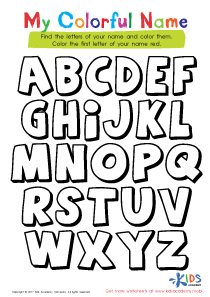
Hand-eye Coordination Grade 3 Tracing Letters Worksheets
5 filtered results
-
From - To
Enhance your third grader's hand-eye coordination with our Tracing Letters Worksheets! Perfectly crafted for young learners, these engaging worksheets are designed to strengthen fine motor skills, improve handwriting, and boost letter recognition. Each exercise encourages children to carefully trace uppercase and lowercase letters, promoting precision and patience. Through consistent practice, kids develop better control and coordination, setting a strong foundation for future writing tasks. Ideal for classroom use or at-home learning, our worksheets make education fun and effective. Start your child's learning journey today with our comprehensive, teacher-approved resources, designed specifically for third-grade students.
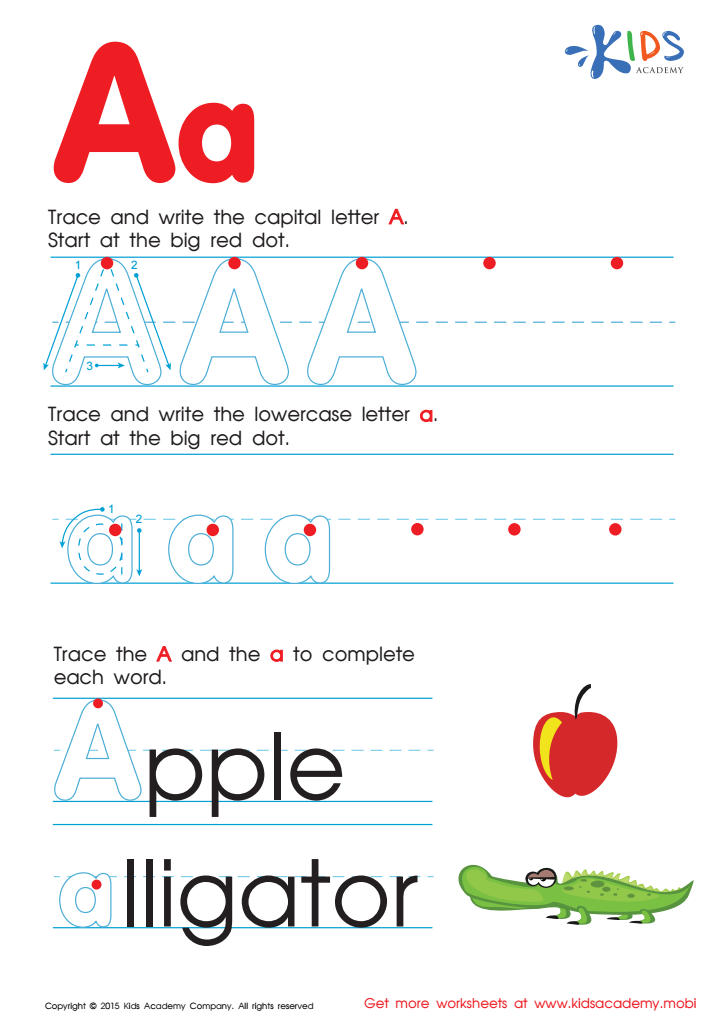
Letter A Tracing Page
 Assign to My Students
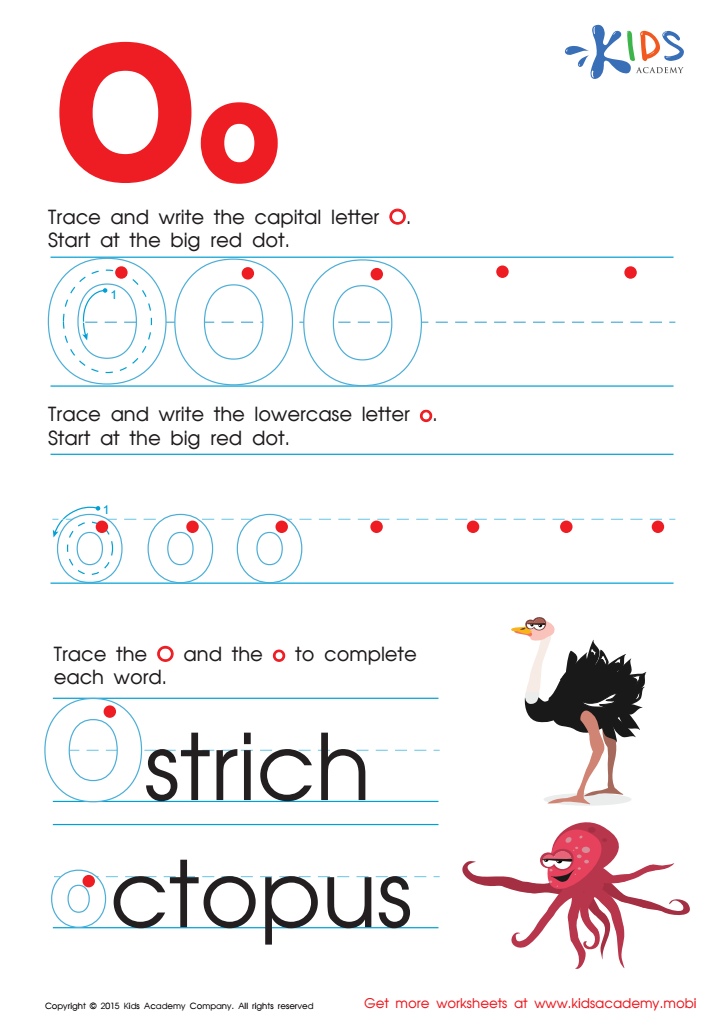
Letter O Tracing Page
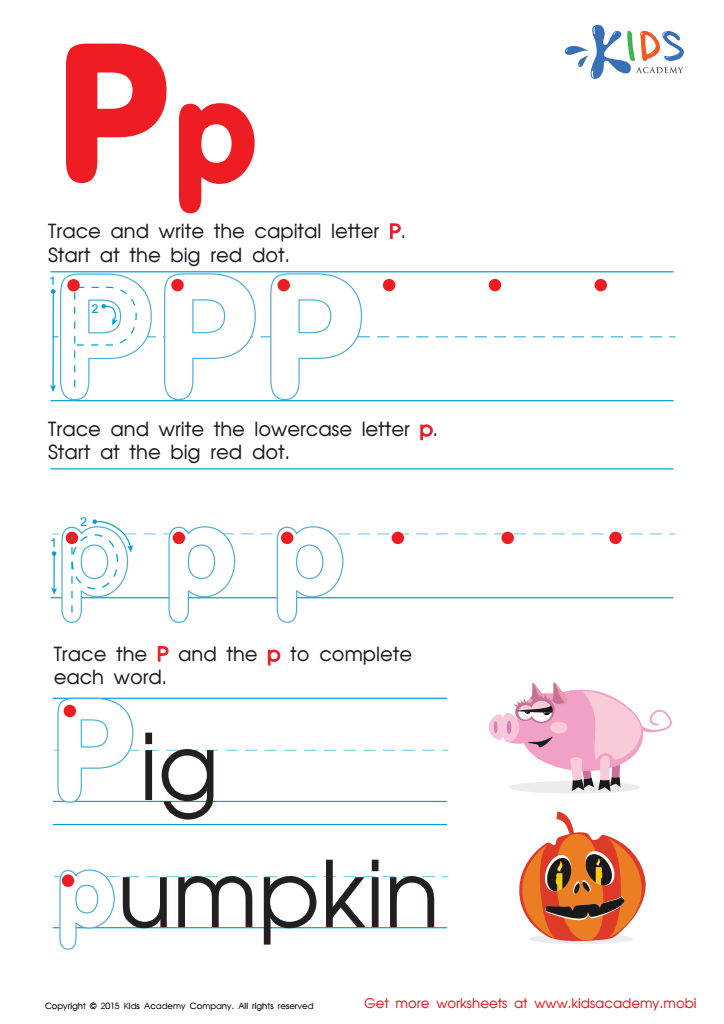
Letter P Tracing Page

Letter H Tracing Page
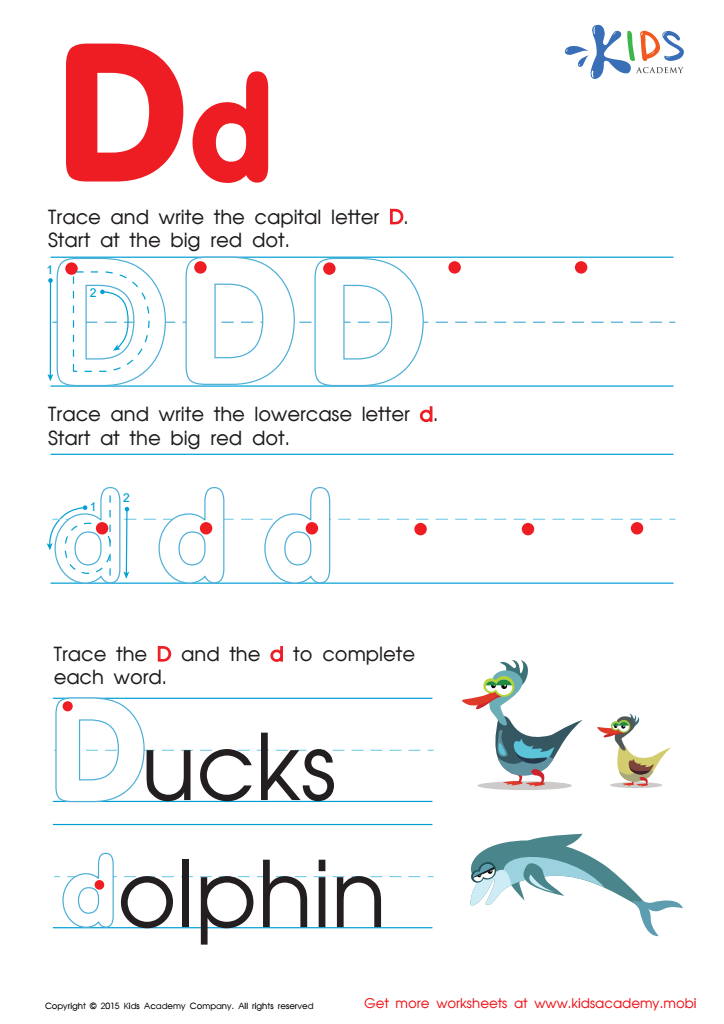
Letter D Tracing Page




Hand-eye coordination is a crucial skill developed during early childhood, as it involves the efficient use of vision and hand movements to complete tasks. For Grade 3 students, tracing letters not only reinforces their handwriting and fine motor skills but also significantly enhances their hand-eye coordination. By focusing on structured activities like tracing, children learn to synchronize their hand movements with what they see, which has far-reaching benefits.
Parents and teachers should care about this skill because it forms the foundation for numerous essential life activities. Improved hand-eye coordination aids in academic tasks such as writing neatly, drawing, and even reading, where eye movement coordination is vital for smooth scanning of text. Outside the classroom, enhanced coordination supports physical activities like sports, playing musical instruments, and everyday actions like tying shoelaces or using utensils.
Consistently practicing tracing letters engages multiple brain areas, promoting cognitive development and helping children develop concentration and patience. It boosts self-esteem as children see their handwriting improve over time, increasing their confidence in other tasks and learning opportunities. Thus, investing time in developing hand-eye coordination through tracing activities can lead to overall better academic performance, reduced frustration, and more adept motor skills for Grade 3 children.