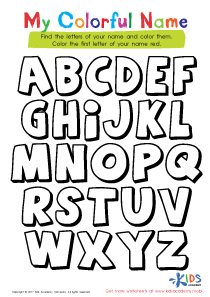
Letter recognition Grade 3 Tracing Letters Worksheets - Page 2
26 filtered results
-
From - To
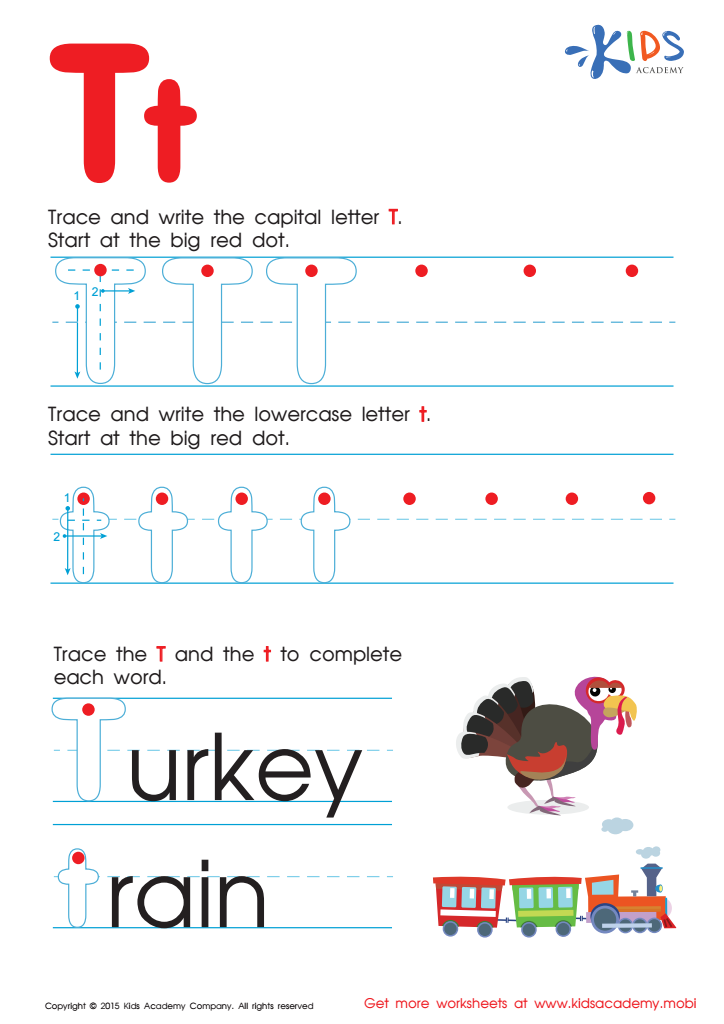
Letter T Tracing Page
 Assign to My Students
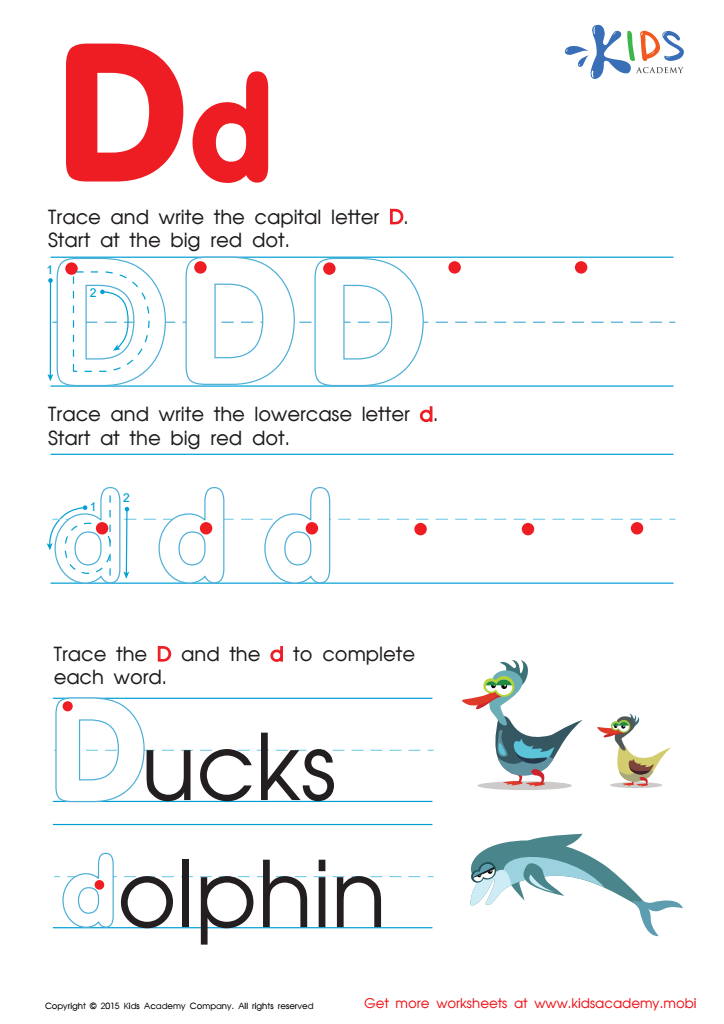
Letter D Tracing Page




Letter recognition and tracing in Grade 3 are crucial components of early literacy development. At this stage, children develop their understanding of the alphabet, which serves as the foundation for reading and writing. Mastering letter recognition helps students to decode words, leading to improved reading fluency. This skill not only fosters better comprehension but also builds confidence in literacy endeavors.
Tracing letters reinforces motor skills and helps solidify letter shapes in a child's memory. Through the tactile experience of tracing, students engage both visually and kinesthetically, making it easier for them to recall letters and understand their use in writing. Additionally, this practice can illuminate common spelling patterns and phonetic structures that inform their reading and writing.
Parents and teachers should care about this because proficiency in letter recognition directly impacts a child's academic trajectory. Struggling with letters can lead to reading difficulties, potentially hindering overall classroom success. Early intervention strategies focused on letter recognition can ensure children are on the right path, fostering a love for reading and learning. Thus, promoting letter recognition through tracing activities provides essential support for literacy development, paving the way for future educational achievements.