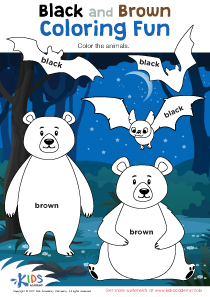
Alphabet Recognition Grade 3 English for Beginners Worksheets
32 filtered results
-
From - To
Welcome to our "Alphabet Recognition Grade 3 English for Beginners Worksheets"! Designed for young learners, these engaging worksheets help introduce and reinforce foundational alphabet skills. Perfect for ESL students, each activity focuses on letter recognition, phonetics, and basic vocabulary, ensuring a well-rounded learning experience. With colorful visuals and interactive exercises, kids will enjoy mastering the English alphabet. These worksheets encourage practice in identifying letters, understanding their sounds, and using them in words, laying the groundwork for future language development. Empower your child’s language skills and boost their confidence in reading with our fun and educational resources! Explore the joyful world of letters today!
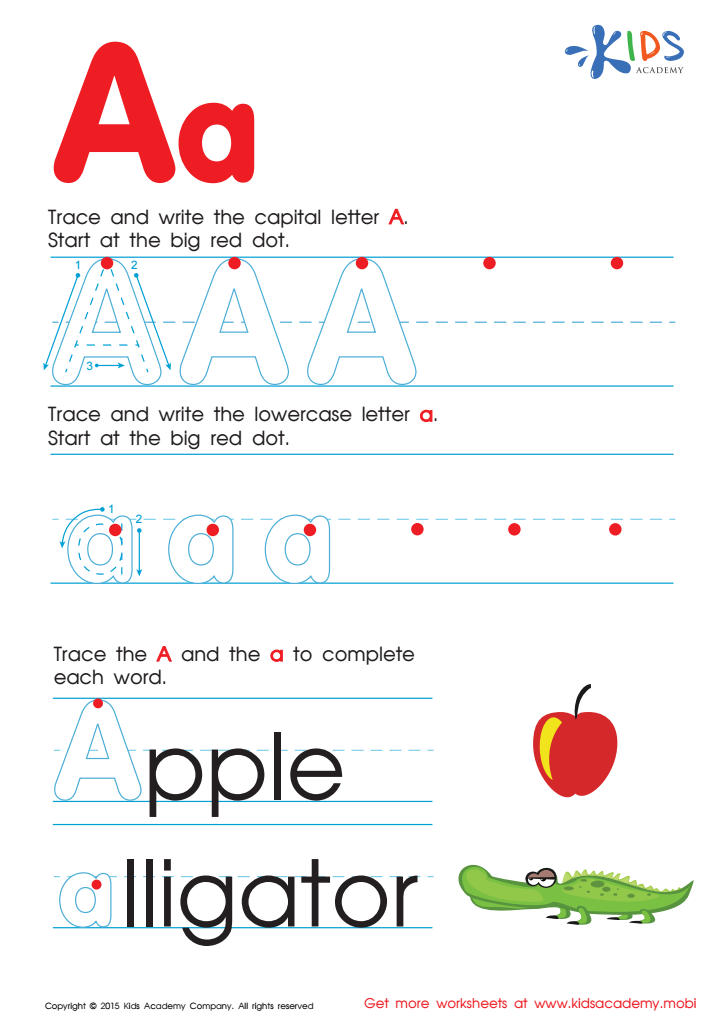
Letter A Tracing Page
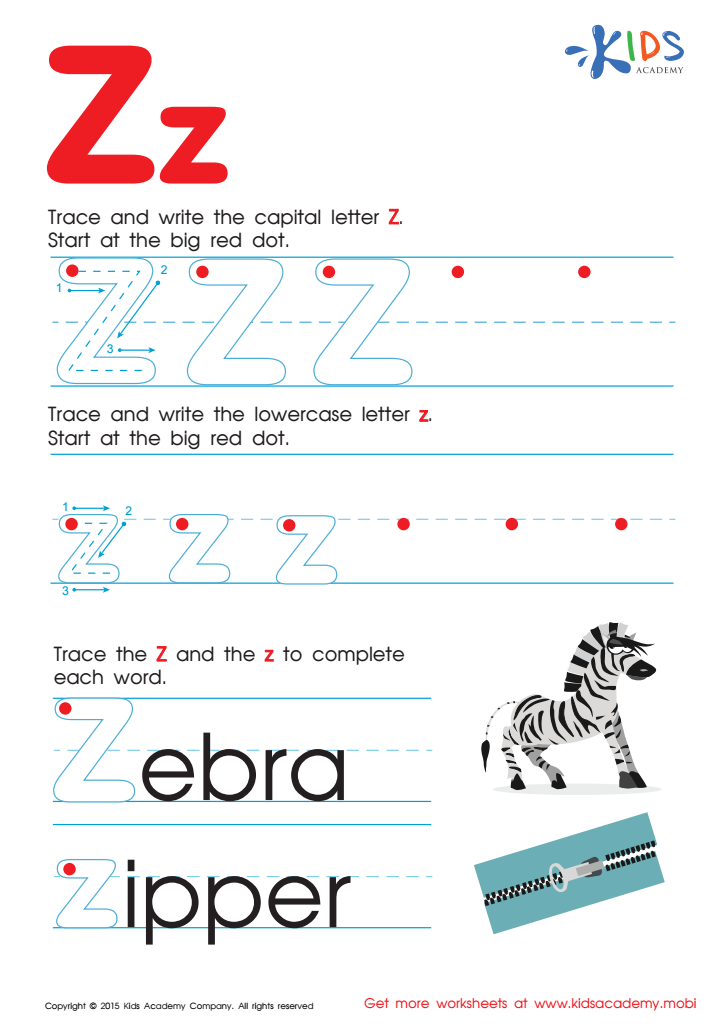
Letter Z Tracing Page
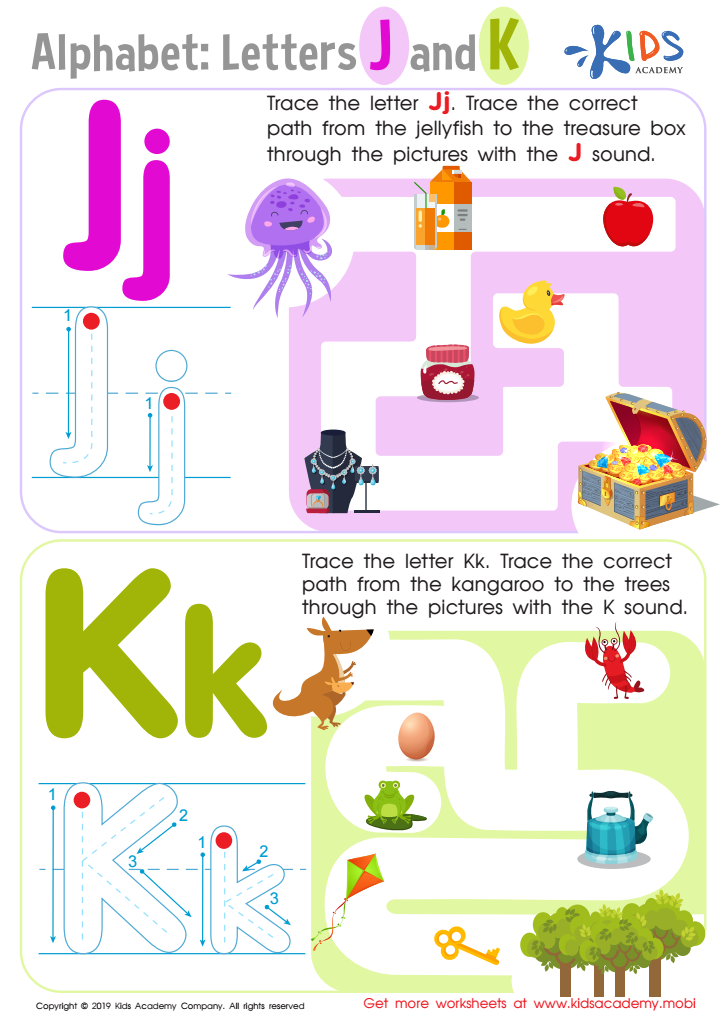
Letters J and K Tracing Worksheet
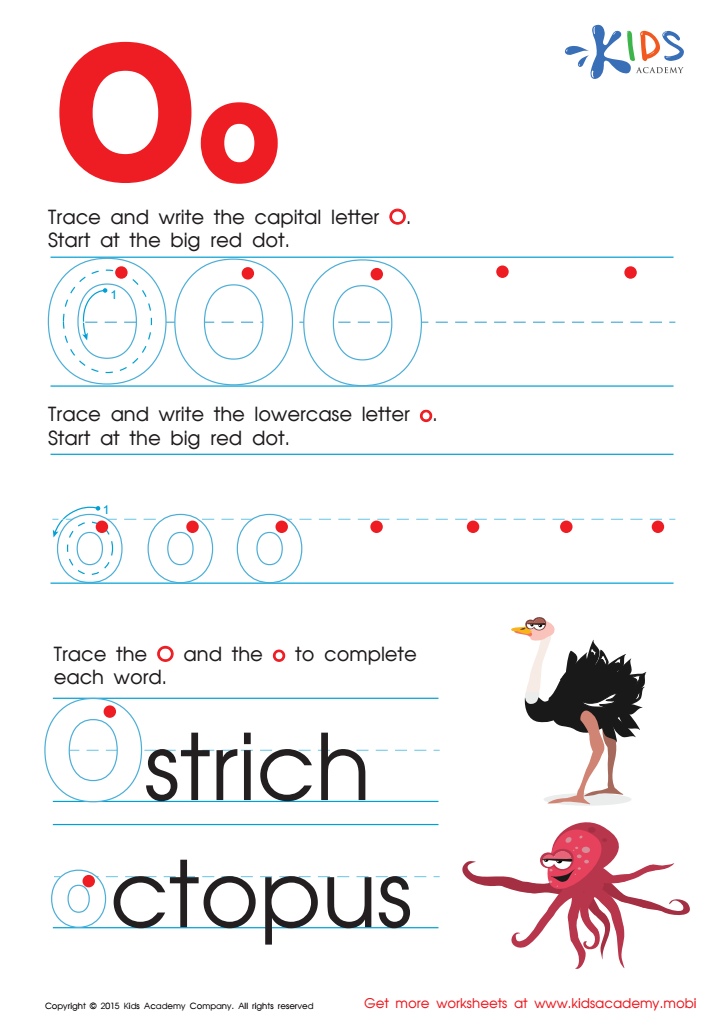
Letter O Tracing Page
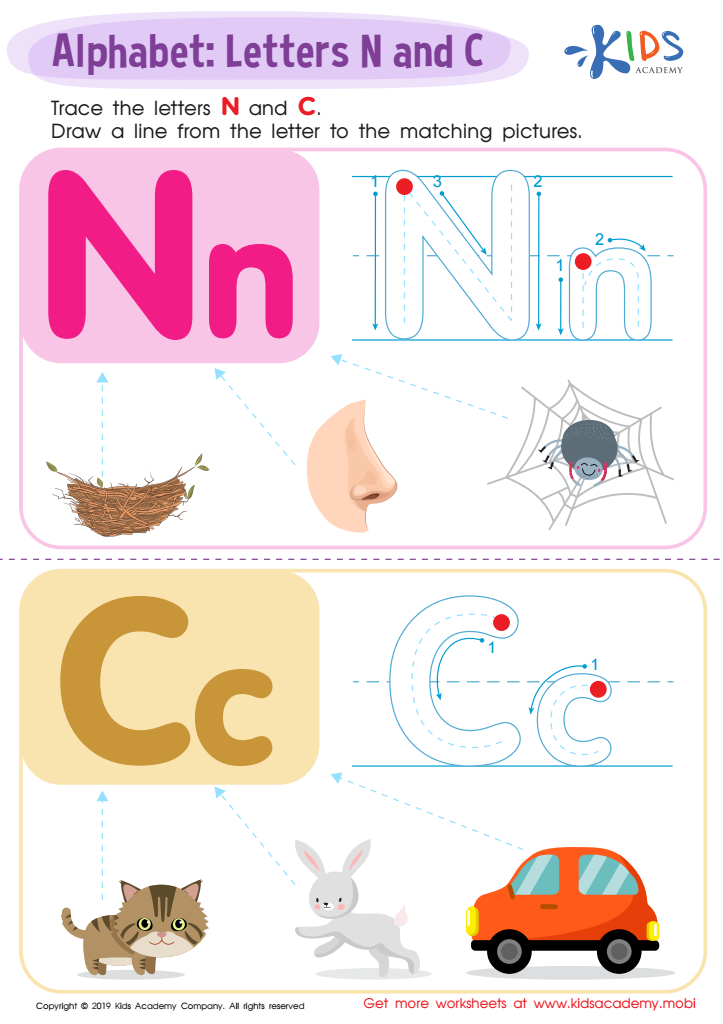
Letter N and C Tracing Worksheet
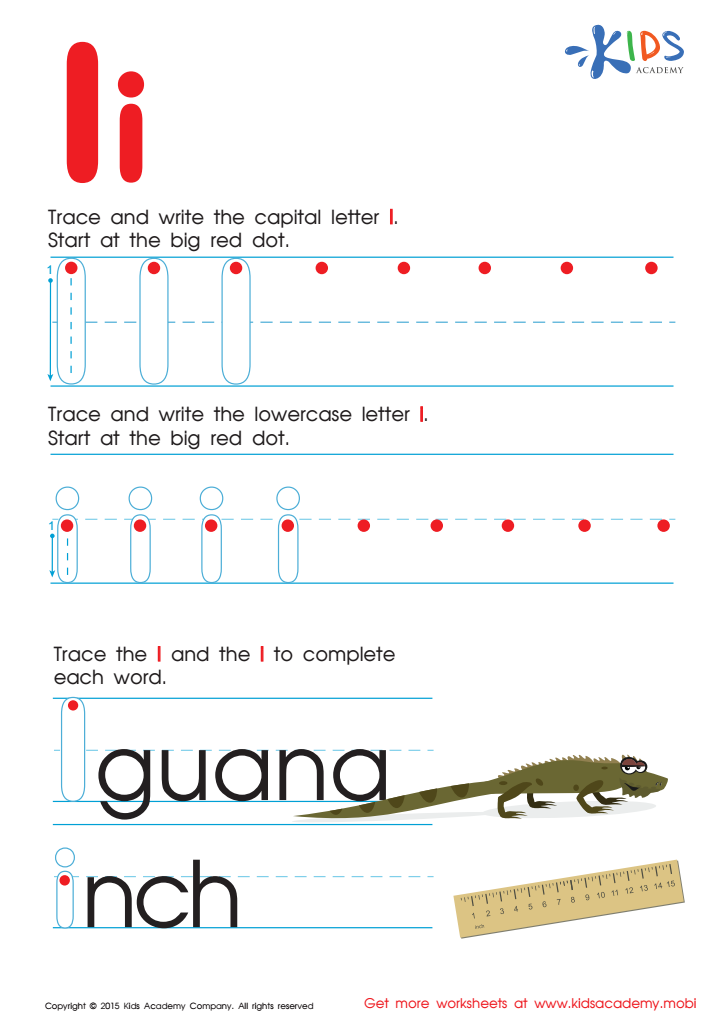
Letter I Tracing Page
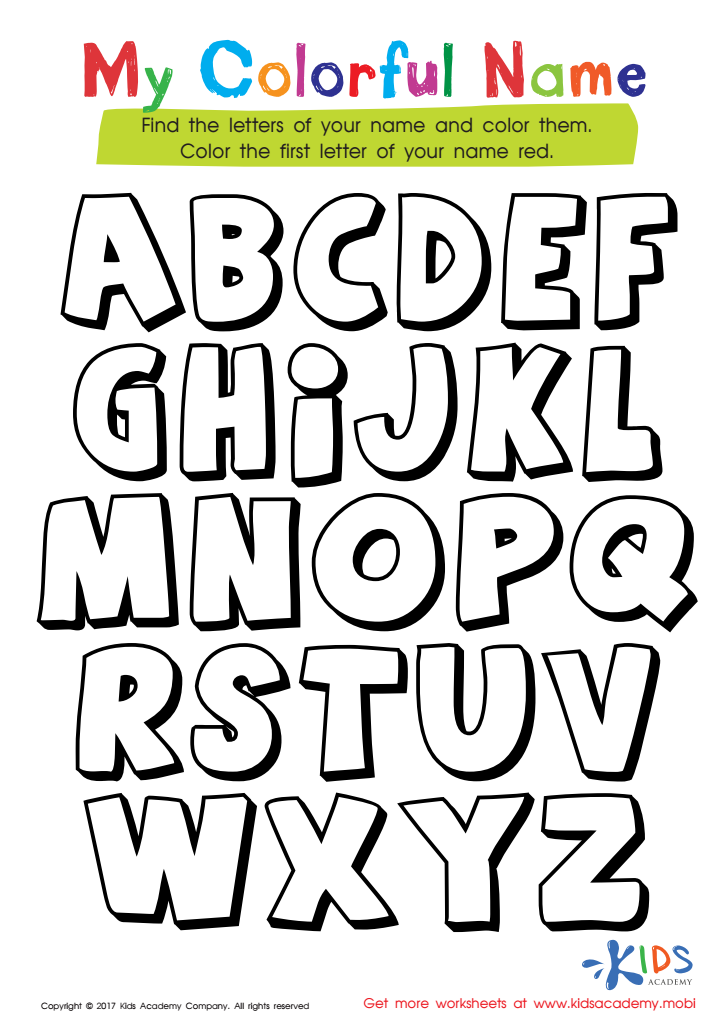
My Colorful Name Worksheet
 Assign to My Students
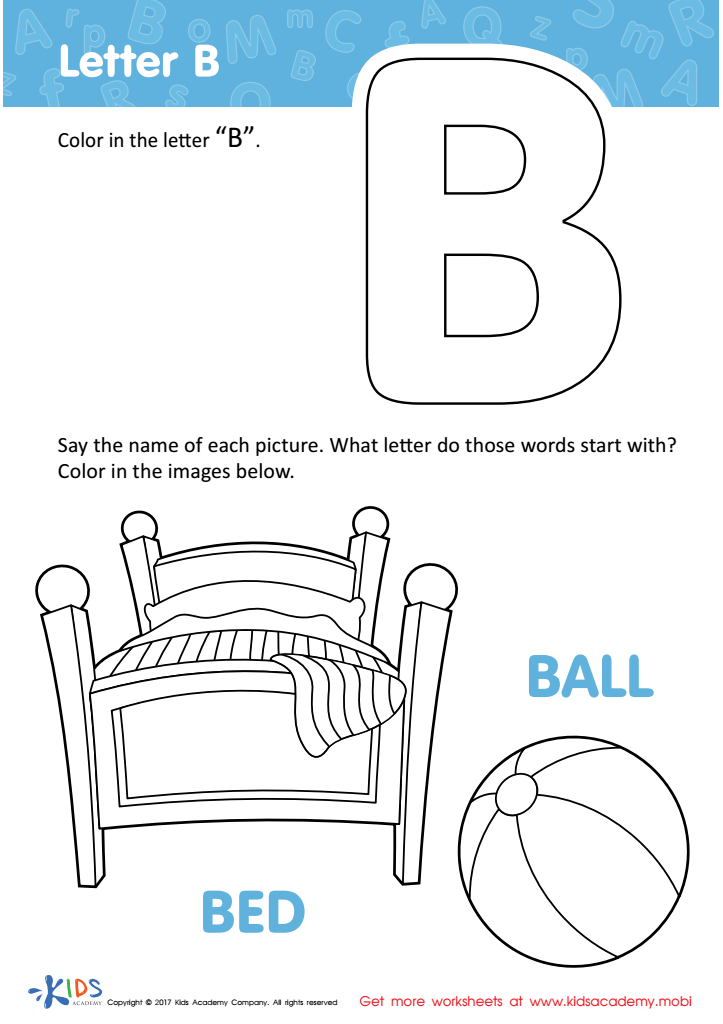
Letter B Coloring Sheet
Assign to My Students
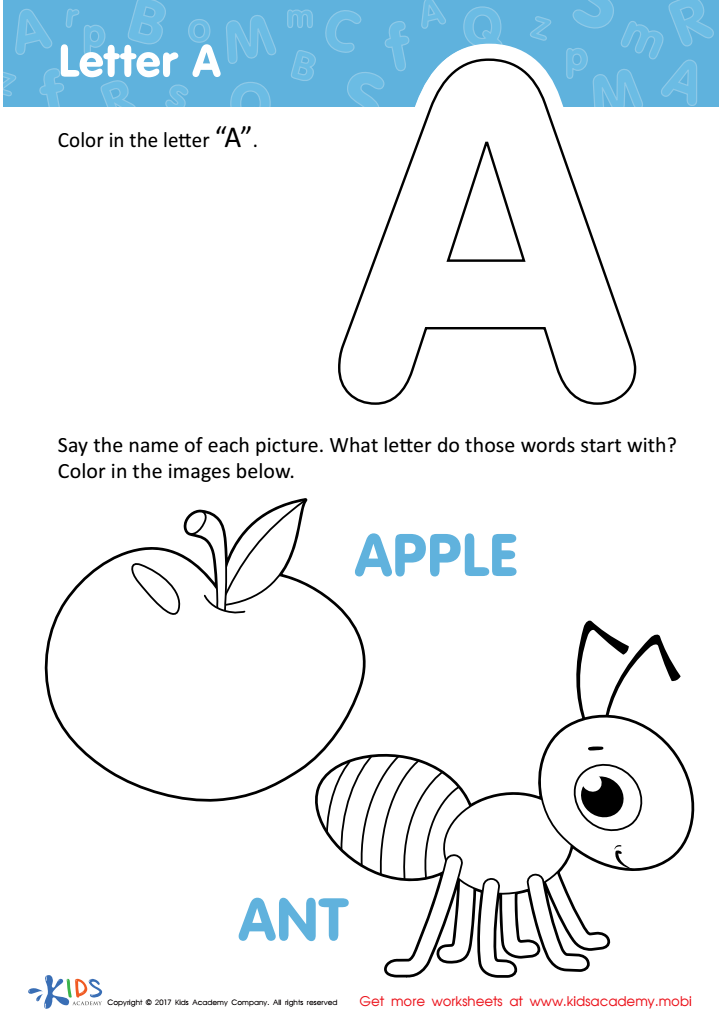
Letter A Coloring Sheet
Assign to My Students
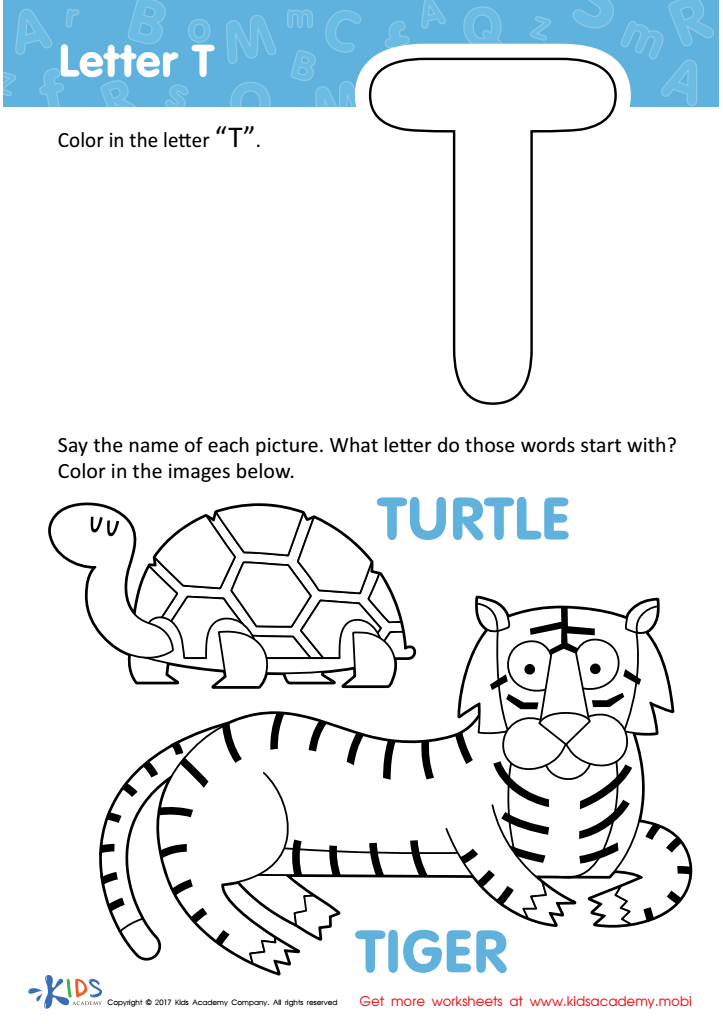
Letter T Coloring Sheet
Assign to My Students
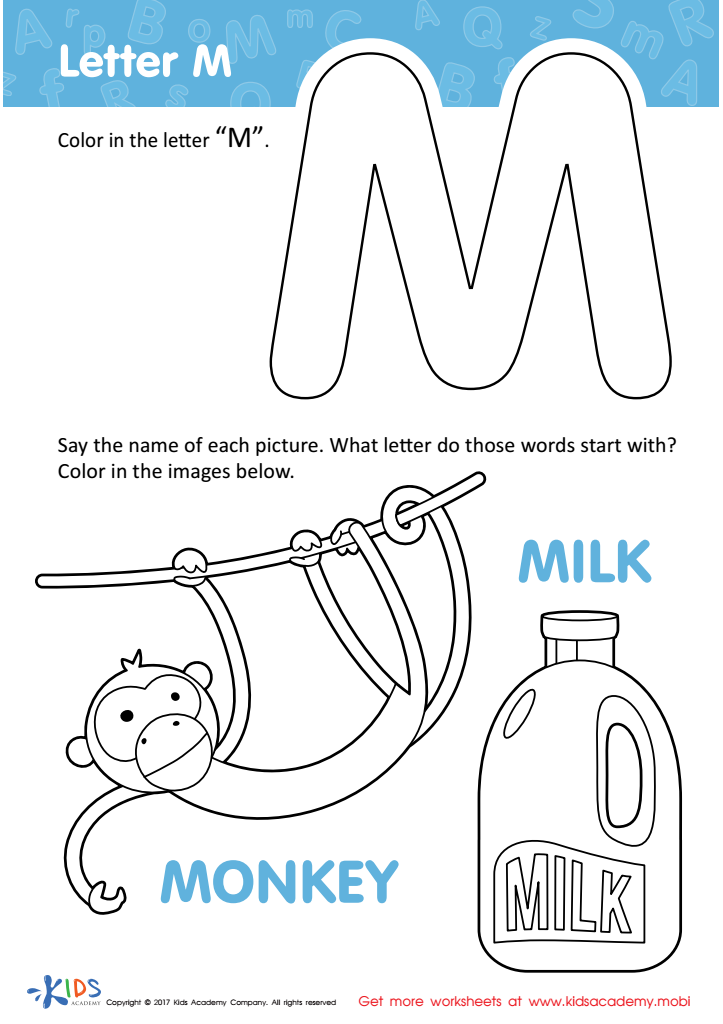
Letter M Coloring Sheet
Assign to My Students
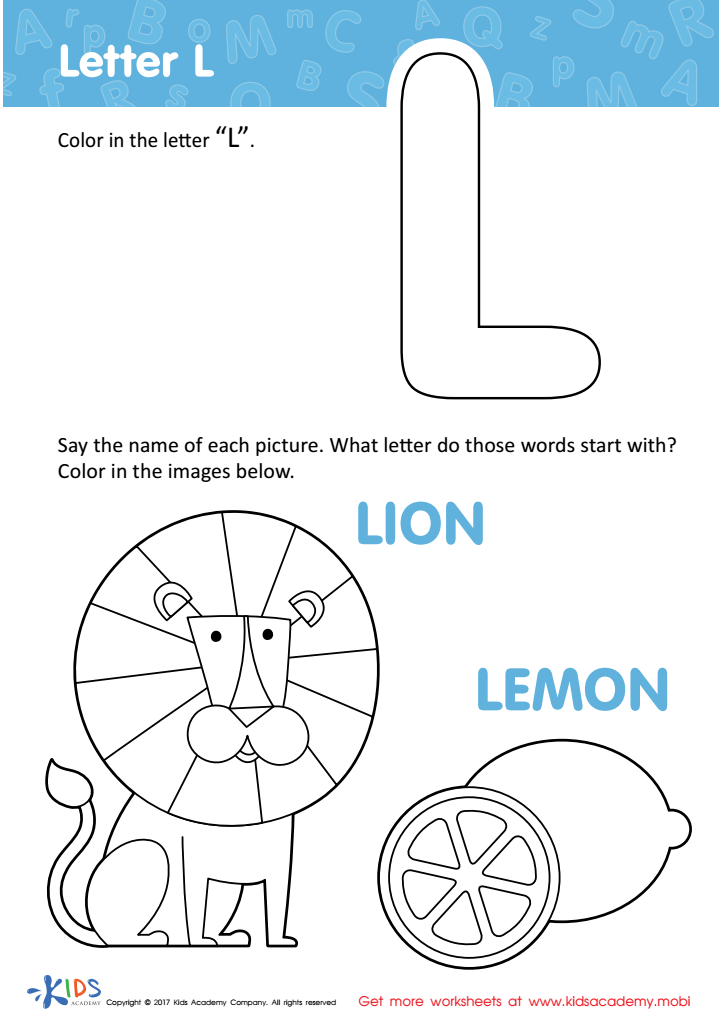
Letter L Coloring Sheet
Assign to My Students
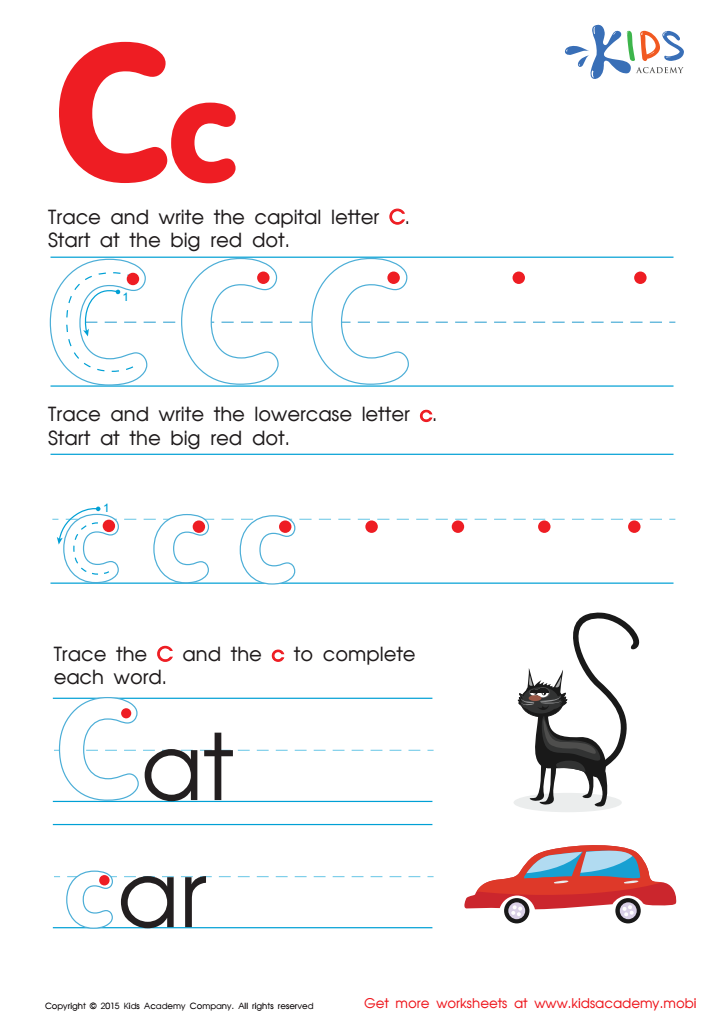
Letter C Tracing Page
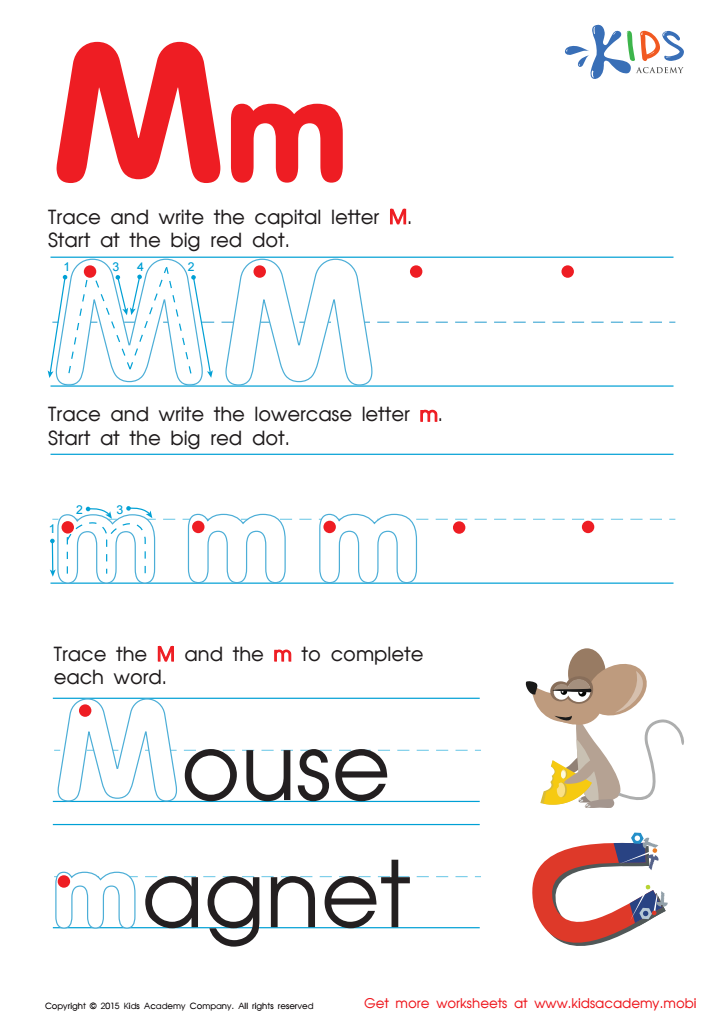
Letter M Tracing Page
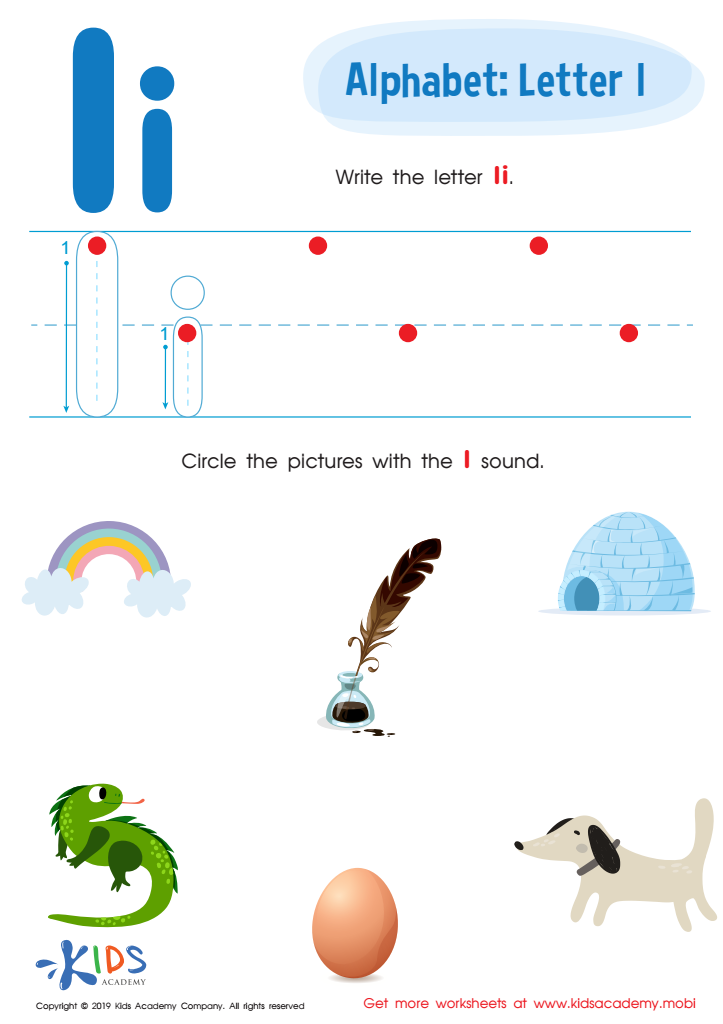
Letter I Tracing Worksheet
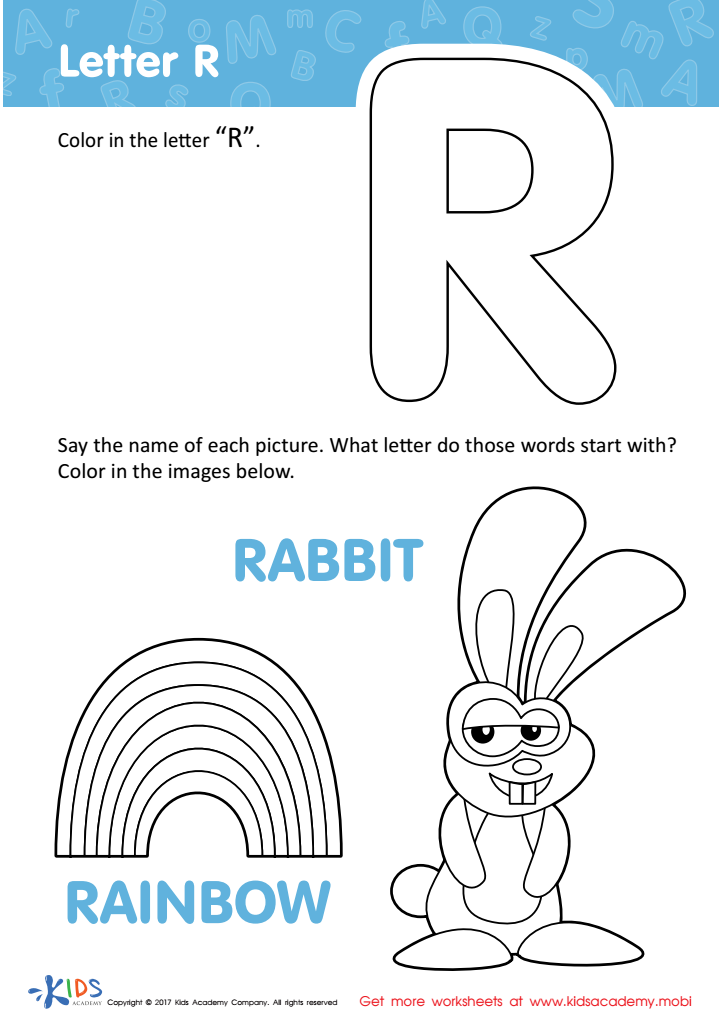
Letter R Coloring Sheet
Assign to My Students
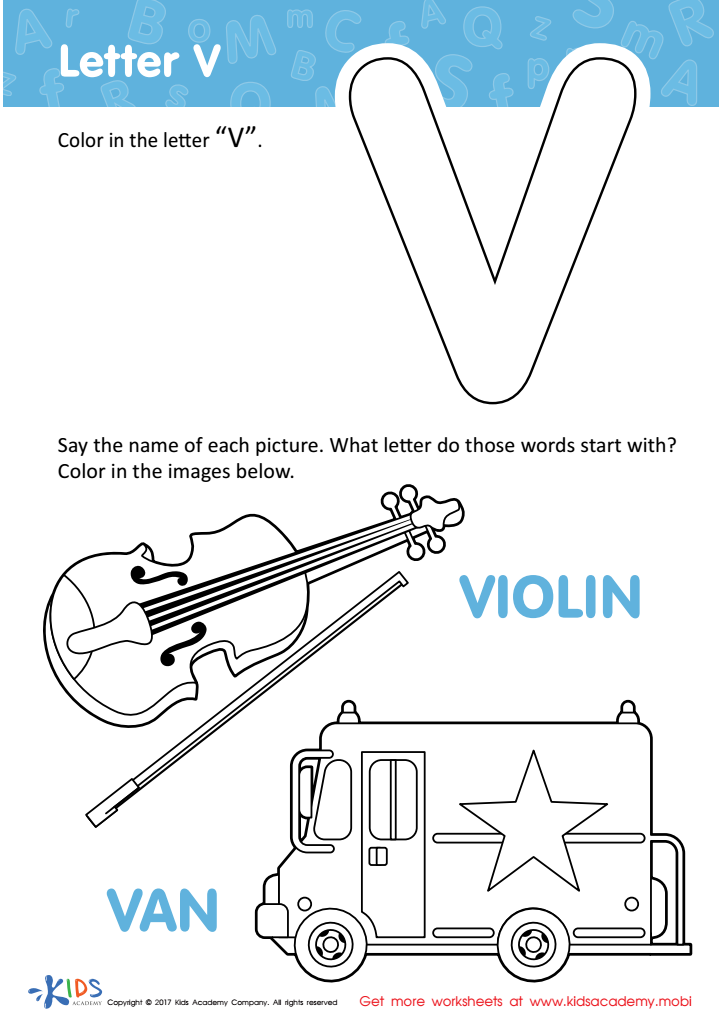
Letter V Coloring Sheet
Assign to My Students
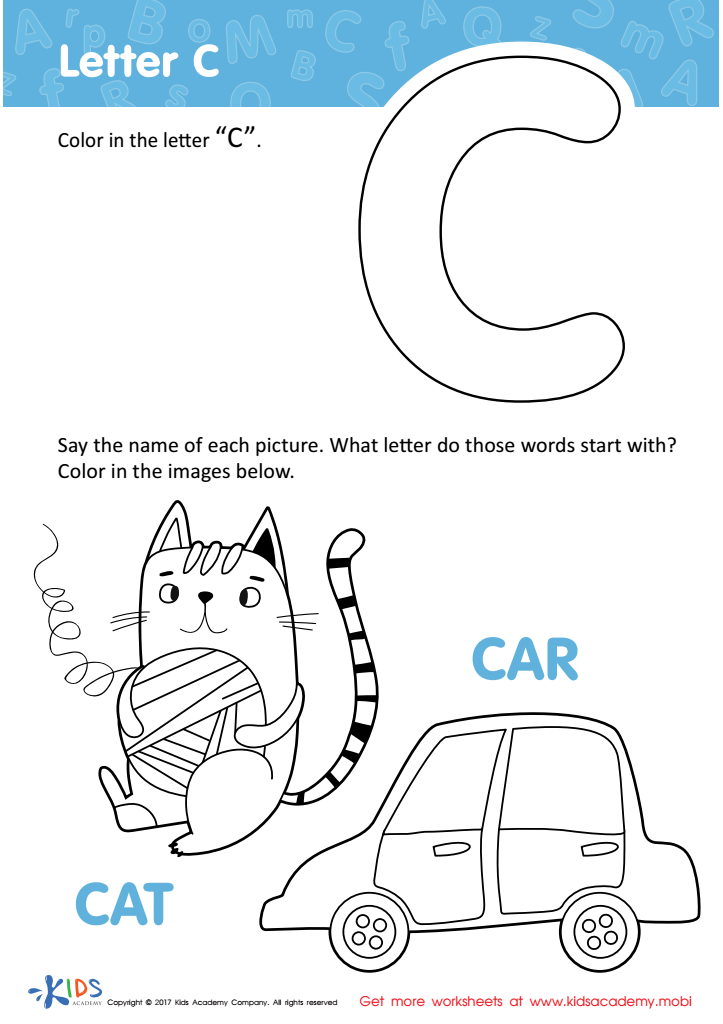
Letter C Coloring Sheet
Assign to My Students
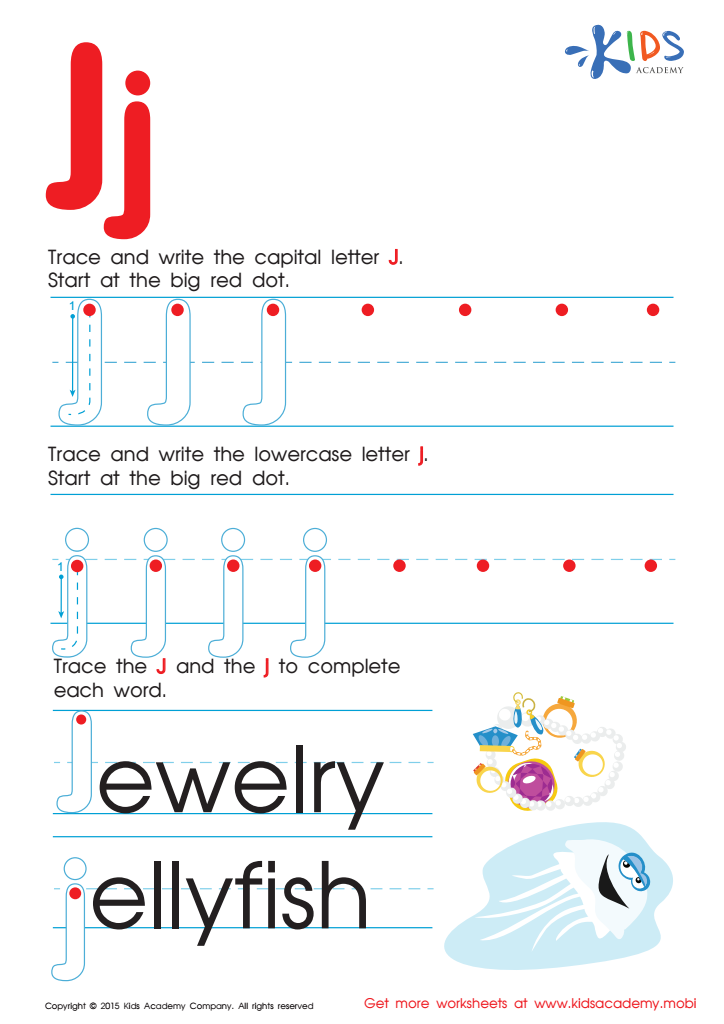
Letter J Tracing Page
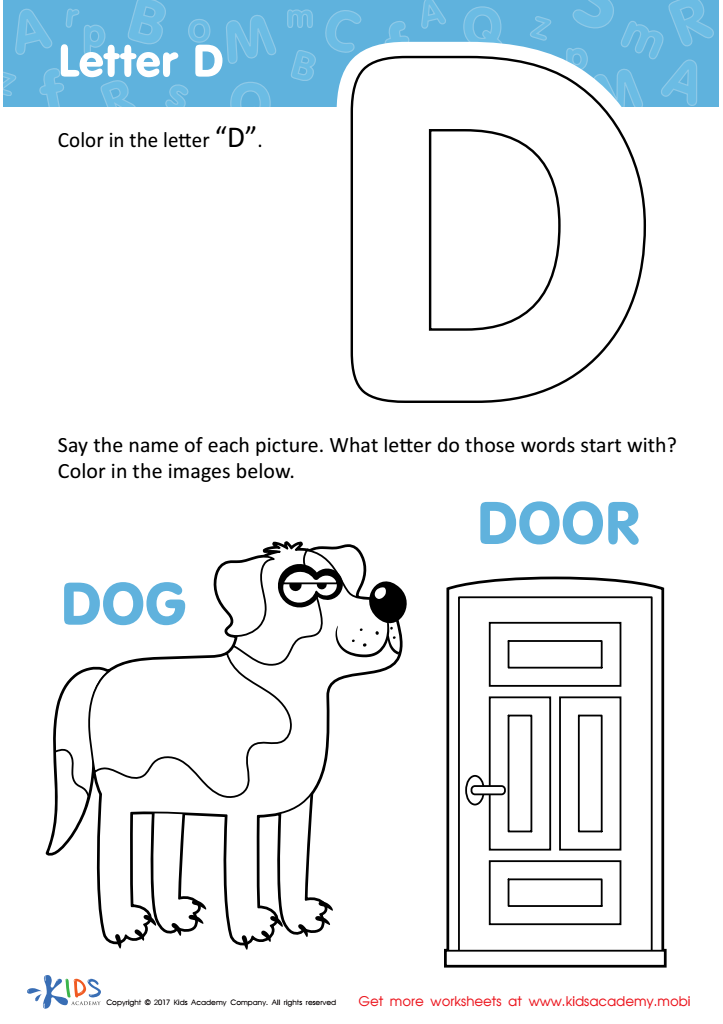
Letter D Coloring Sheet
Assign to My Students
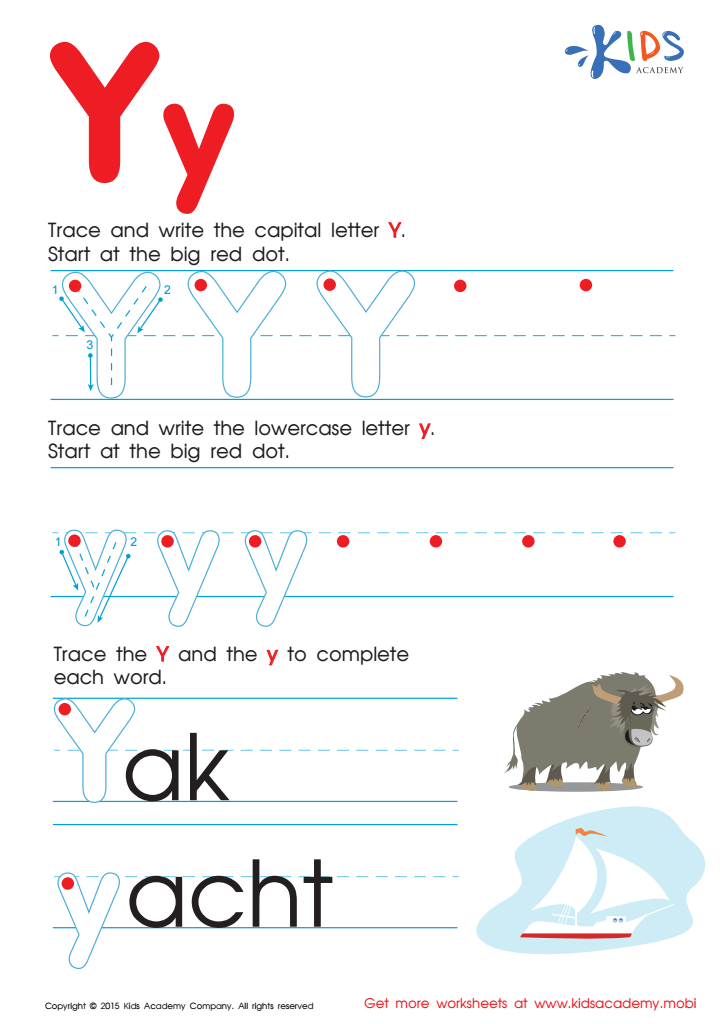
Letter Y Tracing Page
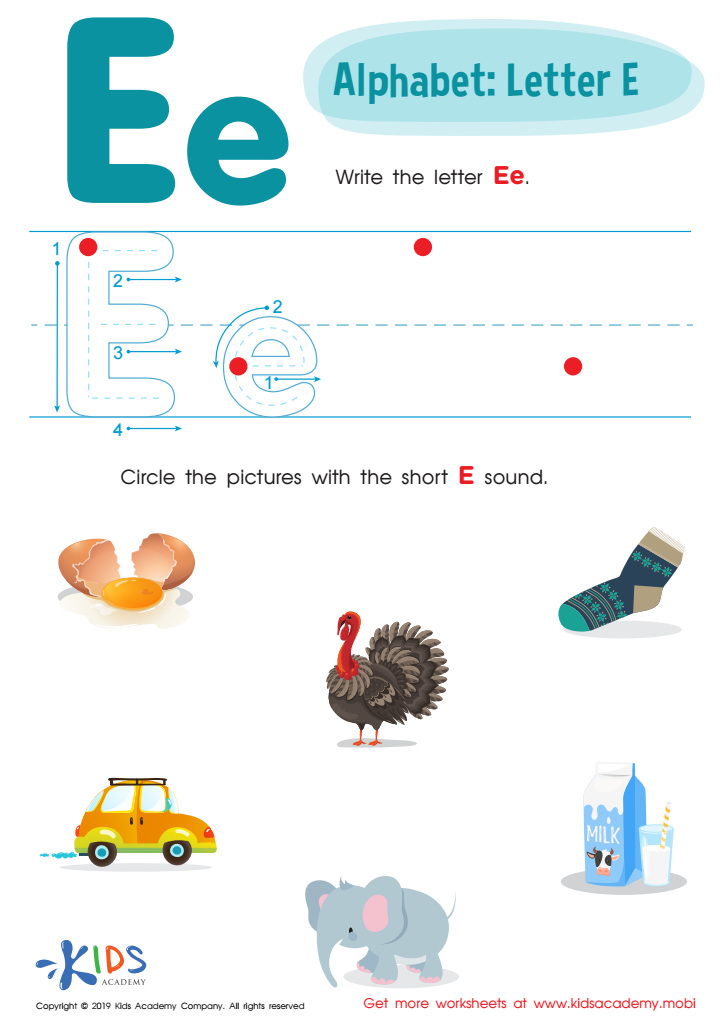
Letter E Tracing Worksheet
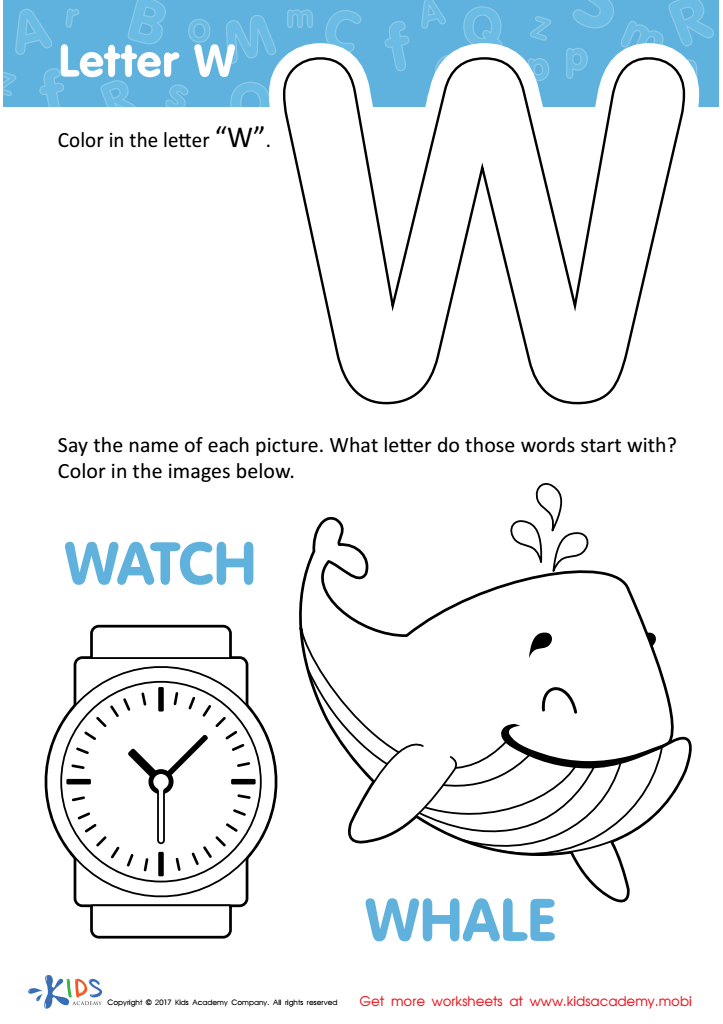
Letter W Coloring Sheet
Assign to My Students
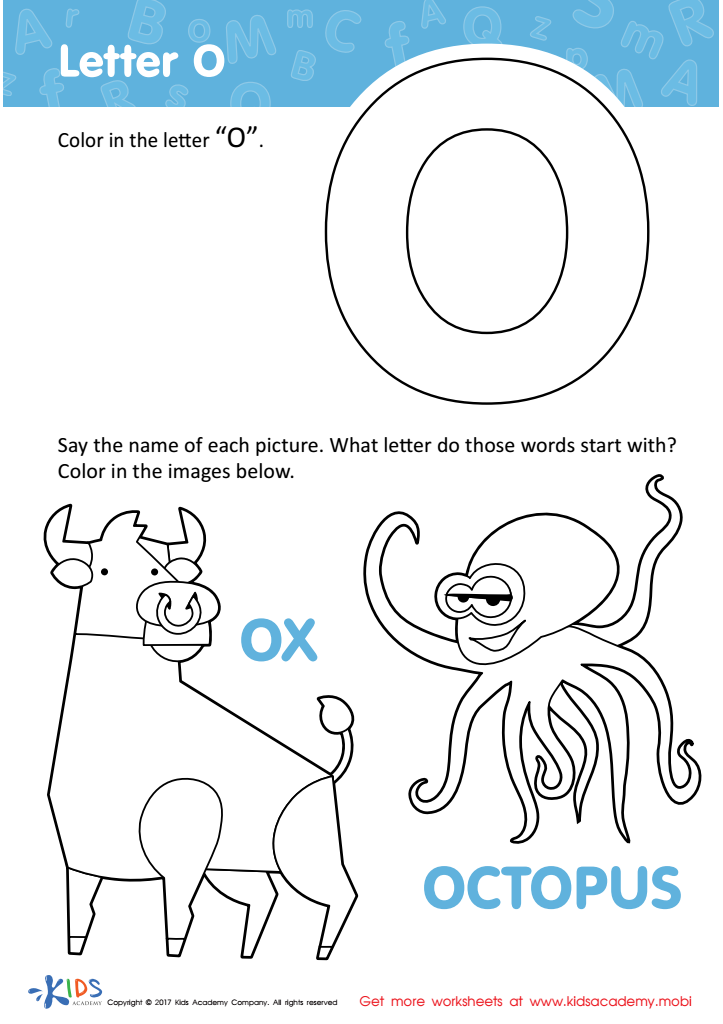
Letter O Coloring Sheet
Assign to My Students


Alphabet recognition is a foundational skill that significantly impacts a child's literacy development, making it essential for both parents and teachers to prioritize in Grade 3 English for Beginners. At this stage, children are transitioning from learning the letters of the alphabet to using them as tools for reading and writing. Mastery of letter recognition not only helps students decode words but also fosters their ability to understand and process information effectively.
By recognizing letters and their corresponding sounds, students can improve their phonemic awareness, which is crucial for spelling and developing vocabulary. Teachers can integrate engaging activities designed to strengthen alphabet recognition, such as interactive games, storytelling, or songs, making learning enjoyable and effective. Meanwhile, parents can reinforce these skills at home through reading together or incorporating alphabet activities into everyday routines.
Investing time and resources into alphabet recognition helps lay the groundwork for more complex literacy skills, ultimately promoting academic success and boosting the child’s confidence. Additionally, fostering a supportive environment nurtures a lifelong love for reading and learning, cultivating essential skills that extend beyond the classroom. Therefore, the combined efforts of educators and parents in this area are vital for children's holistic development.