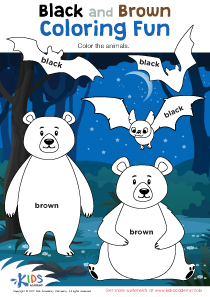
Word Recognition Grade 3 English for Beginners Worksheets
5 filtered results
-
From - To
Enhance your third grader's English skills with our Word Recognition worksheets designed specifically for beginners! These engaging and interactive resources help young learners identify and understand common words used in everyday conversation and texts. Each worksheet is tailored to boost vocabulary and improve reading fluency, making it perfect for ESL learners. Activities include word matching, fill-in-the-blank exercises, and visual aids to reinforce recognition skills. Our worksheets not only promote learning but also make practicing fun! Ideal for classroom use or home study, our Word Recognition worksheets ensure that students build a strong foundation in English, setting them on a path to success.
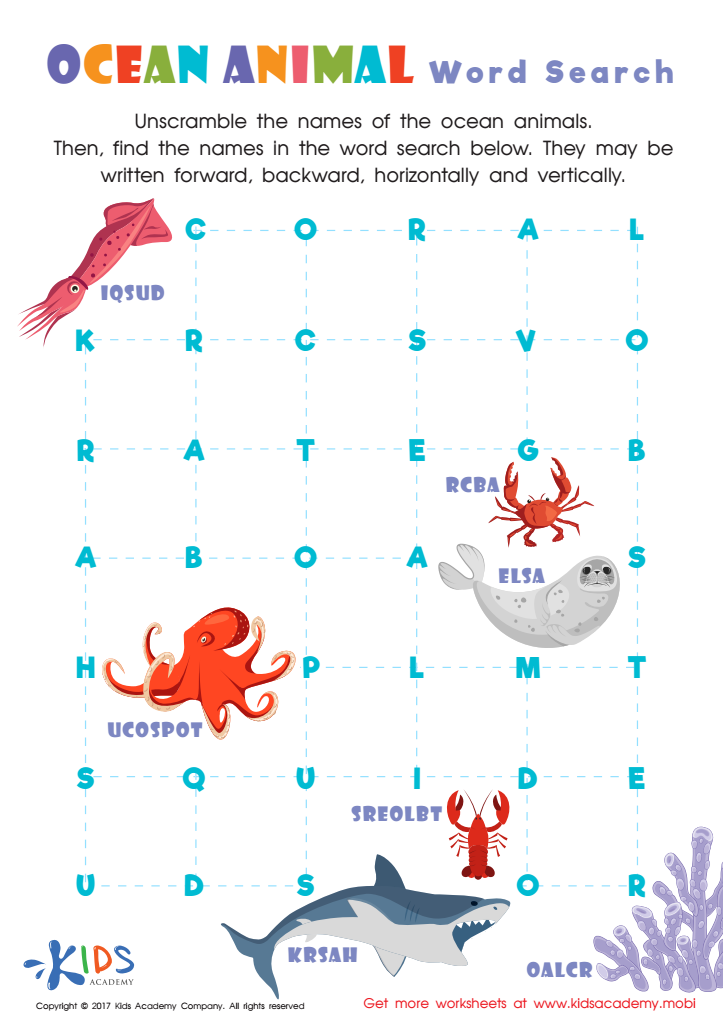
Ocean Animals Word Search Printable
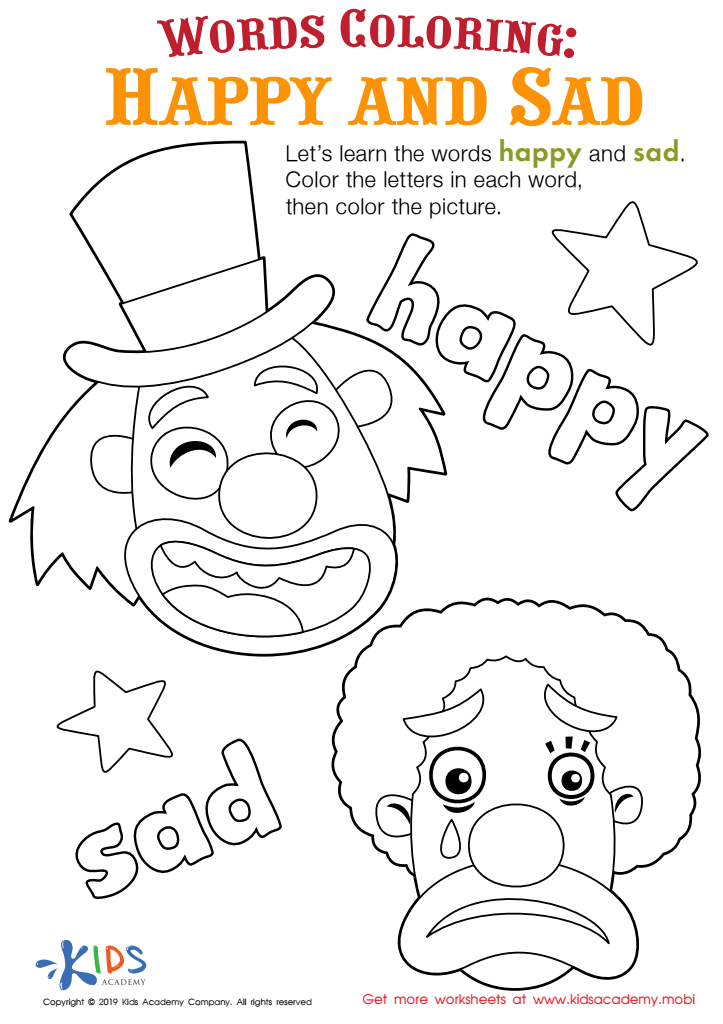
Happy and Sad Words Coloring Worksheet
 Assign to My Students
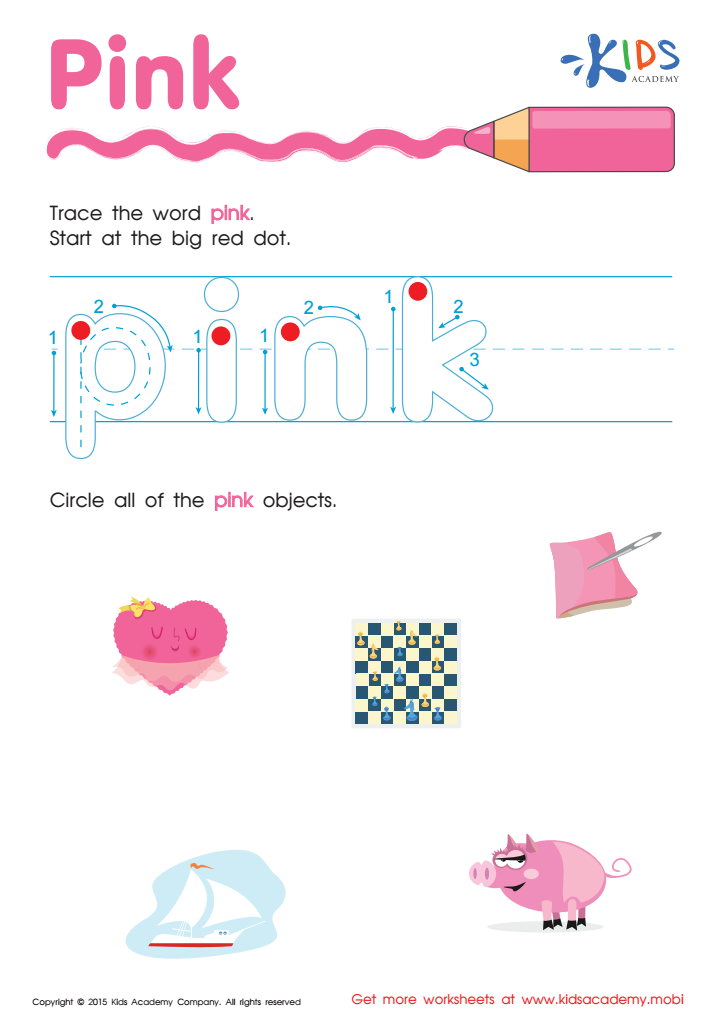
Pink Tracing Color Words Worksheet
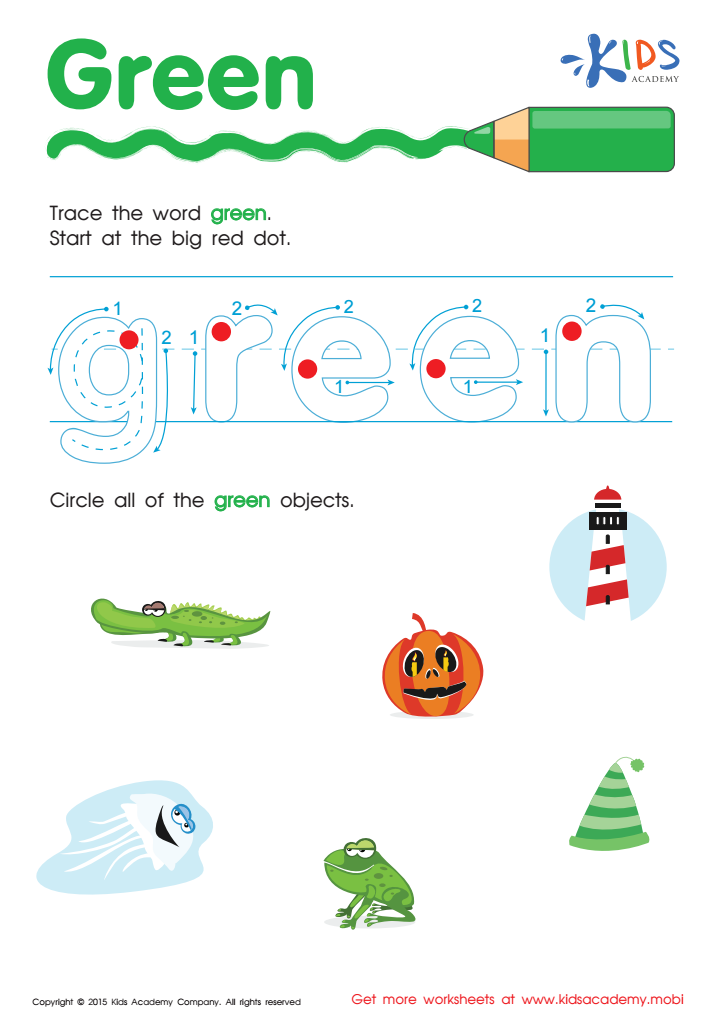
Green Tracing Color Words Worksheet
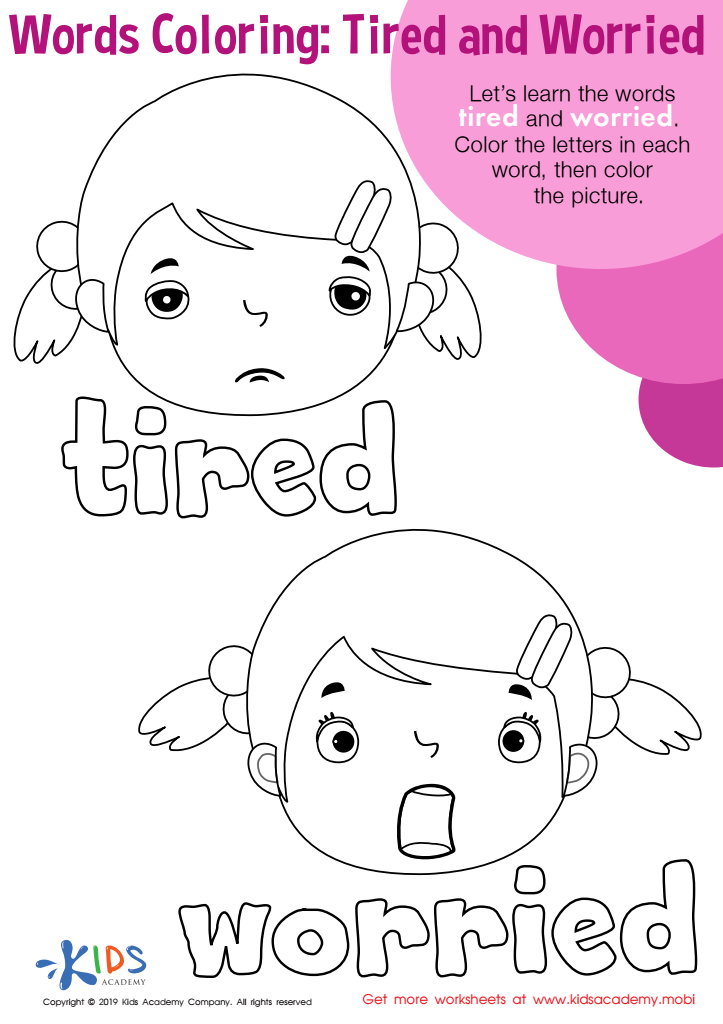
Tired and Worried Words Coloring Worksheet
Assign to My Students


Word recognition is a critical foundational skill for reading development, particularly for third-grade students who are beginning to transition from "learning to read" to "reading to learn." At this stage, children encounter more complex texts and are expected to apply their reading skills in various subjects. Effective word recognition not only facilitates comprehension but also enhances overall academic performance.
Parents and teachers should care about word recognition because it directly impacts a child's confidence and motivation in learning. When children can quickly and accurately recognize words, they are more likely to engage with reading materials actively, making learning enjoyable and less frustrating. This fluency allows them to devote their mental resources to understanding the content rather than decoding text.
Moreover, word recognition lays the groundwork for vocabulary development and spelling skills, essential for effective communication. Investing in word recognition aligns with broader educational goals, ensuring children are prepared for higher-grade reading complexities and standardized assessments.
Now more than ever, early interventions and support in achieving strong word recognition skills are pivotal, as these skills correlate with long-term educational success. Thus, focusing on this aspect of literacy is vital for fostering future learners and thinkers.