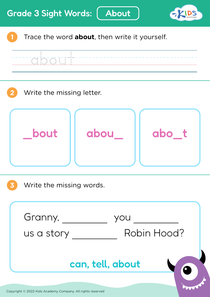
Basic Addition Grade 3 Worksheets
17 filtered results
-
From - To
Discover our engaging "Basic Addition Grade 3 Worksheets" created to help young mathematicians master fundamental addition skills. Perfect for classroom use or at-home practice, these worksheets offer a variety of exercises from simple sums to more complex problems, bolstering confidence and proficiency in addition. Each worksheet is designed to reinforce basic arithmetic concepts, ensuring a solid mathematical foundation. Brightly colored and thoughtfully crafted, they capture students' interest while promoting independent work. Ideal for reinforcing daily lessons or additional practice, our worksheets make learning addition fun and effective for third graders. Start enhancing your child’s math skills today!
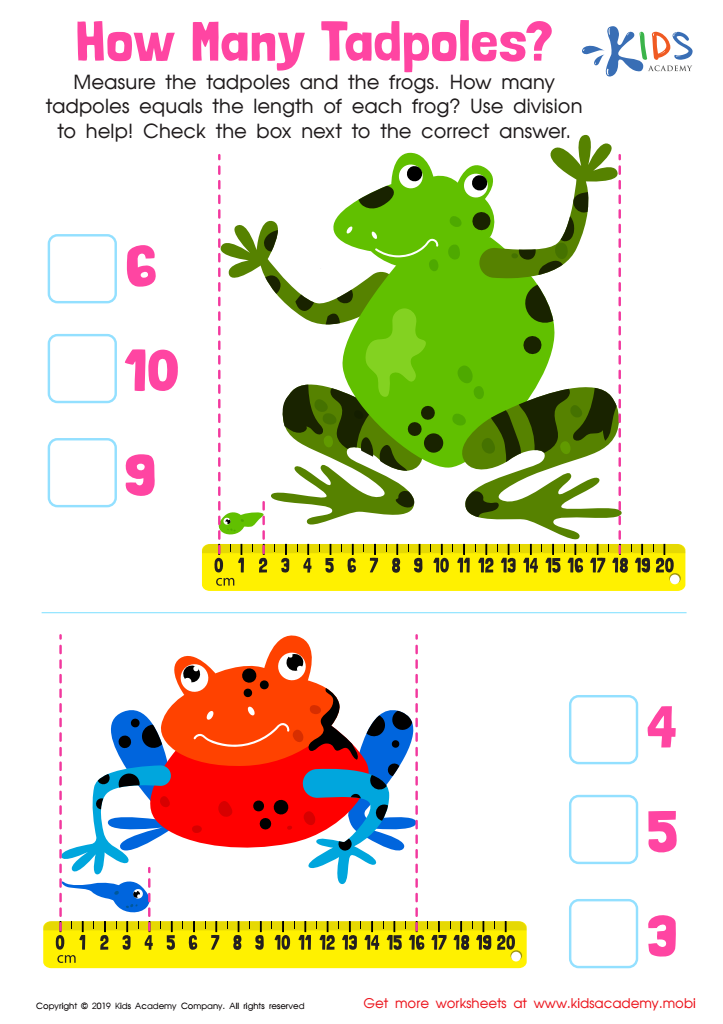
How Many Tadpoles Worksheet
 Assign to My Students
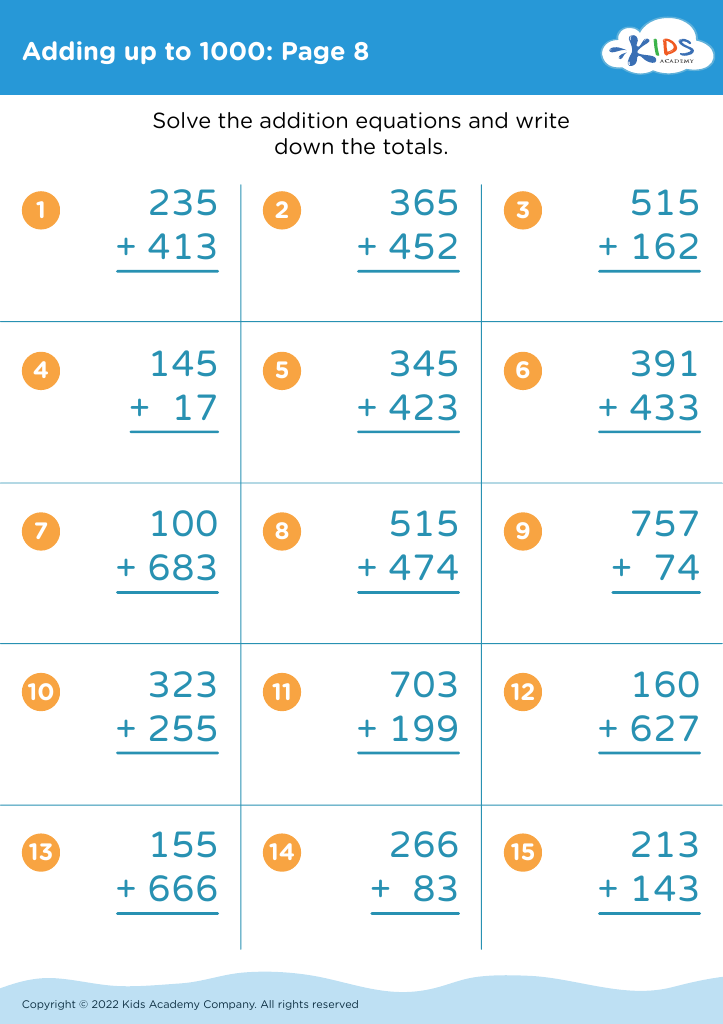
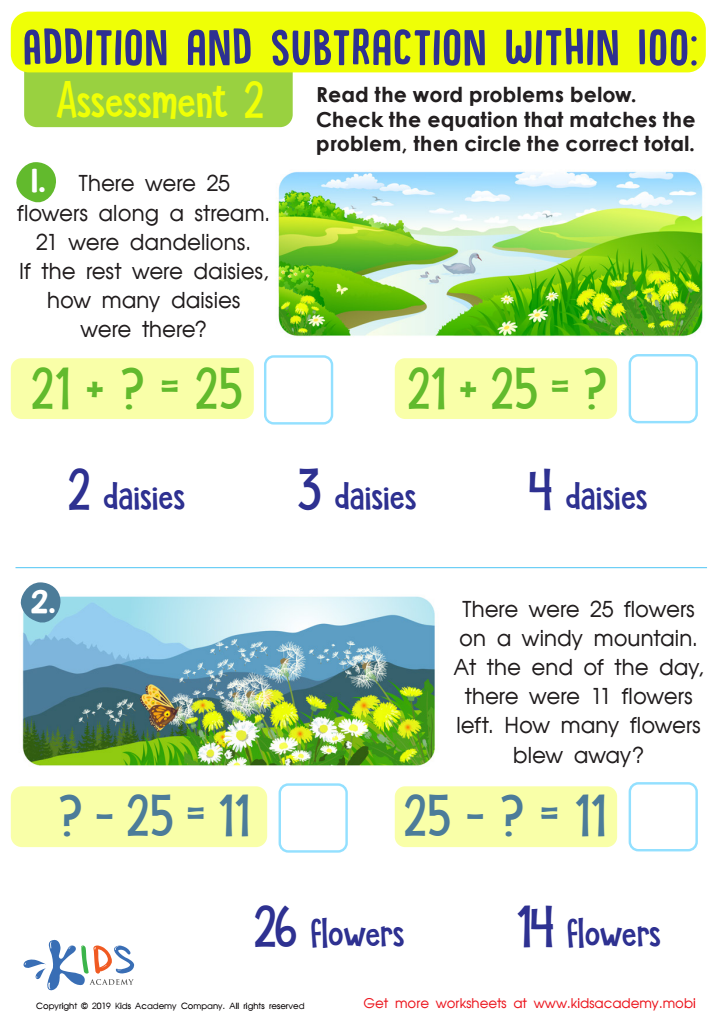
Assessment 2 Math Worksheet
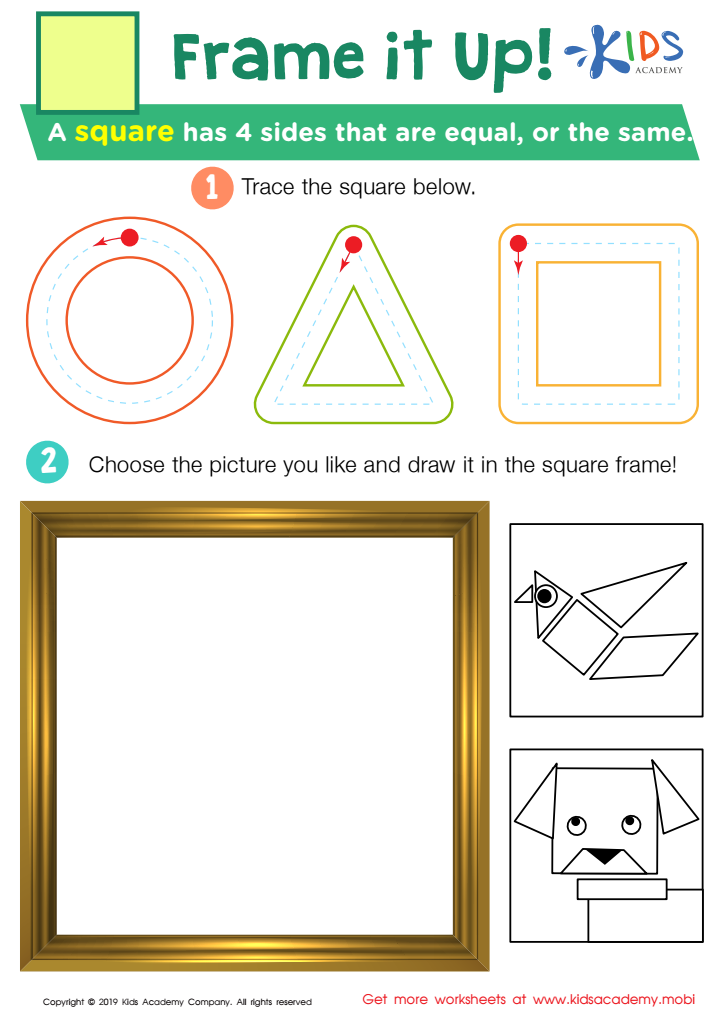
Frame it Up Worksheet
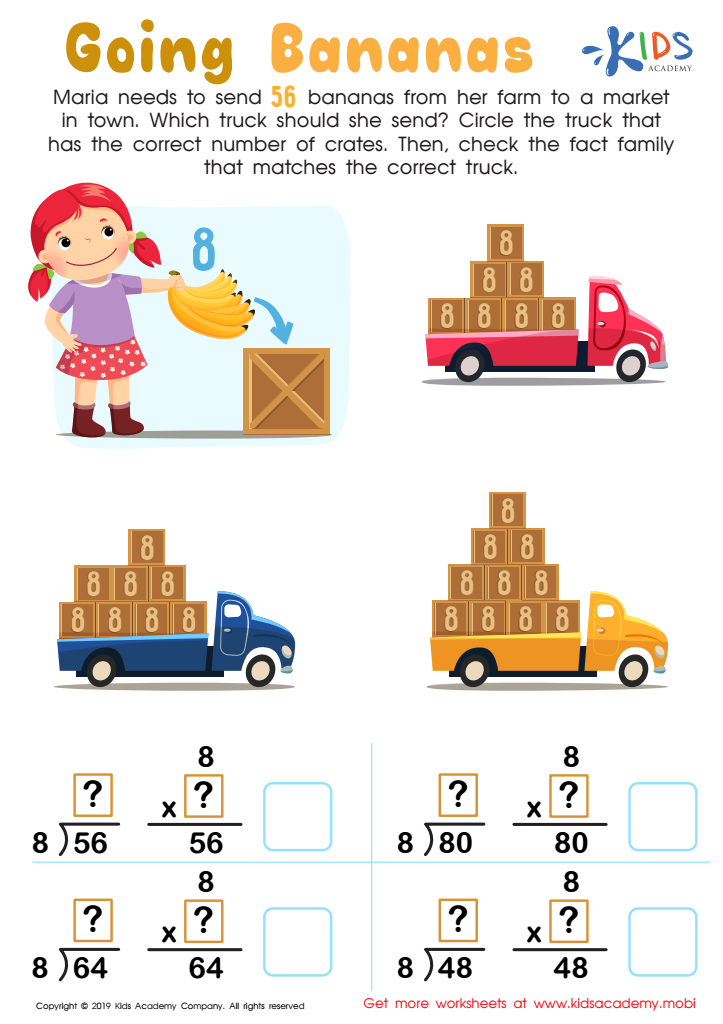
Going Bananas Worksheet
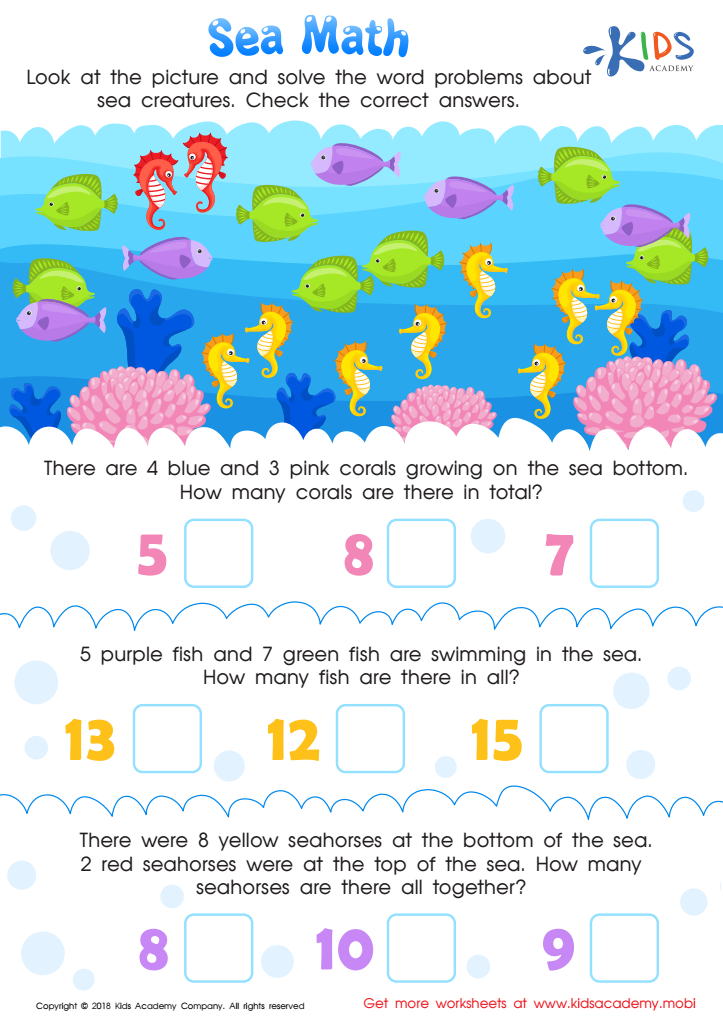
Sea Math Worksheet
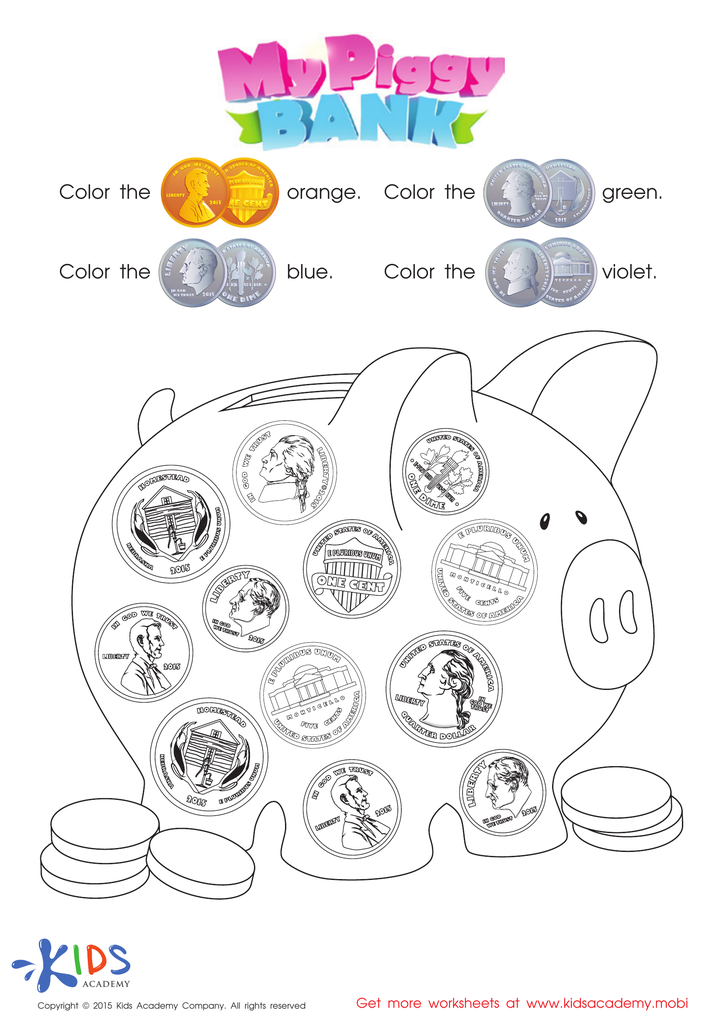
Recognizing Money Money Worksheet
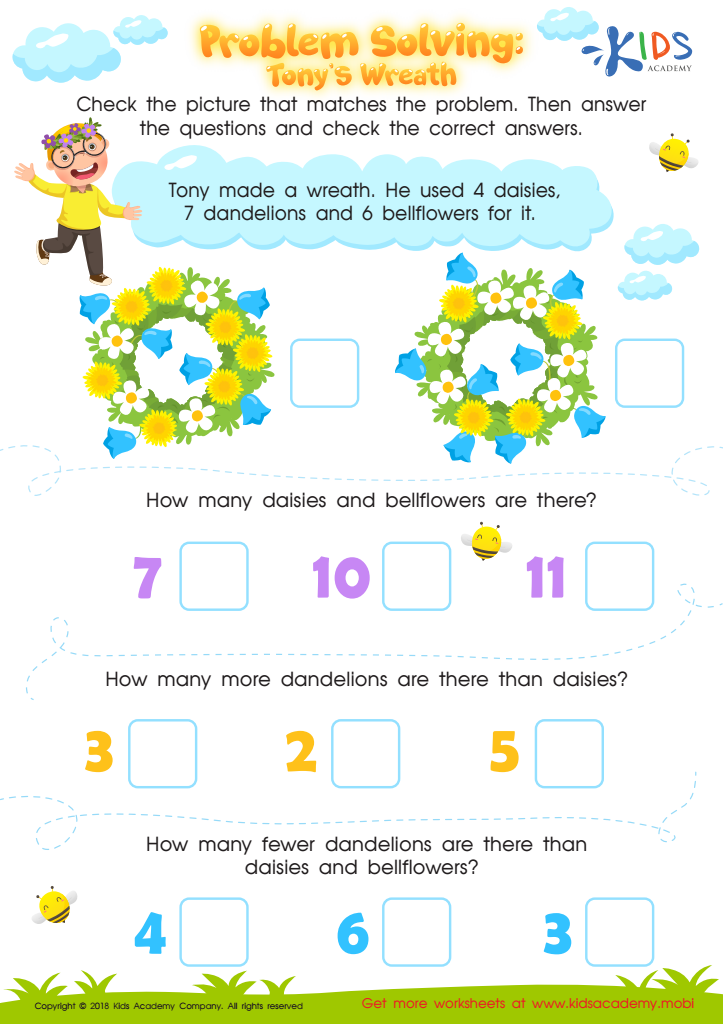
Problem Solving: Tony's Wreath Worksheet
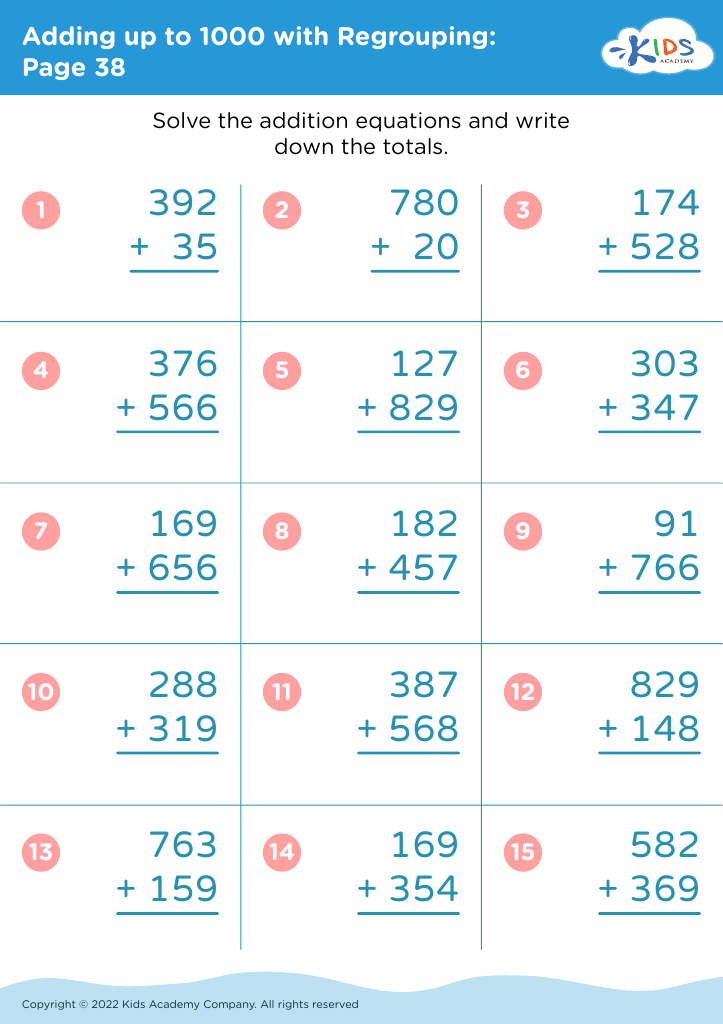
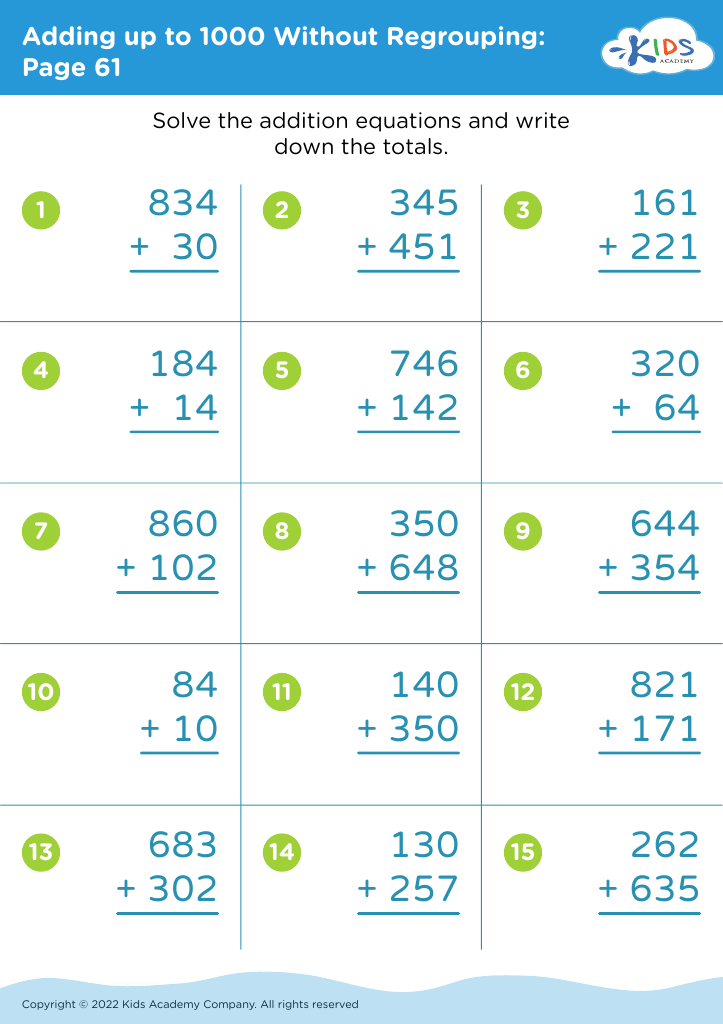
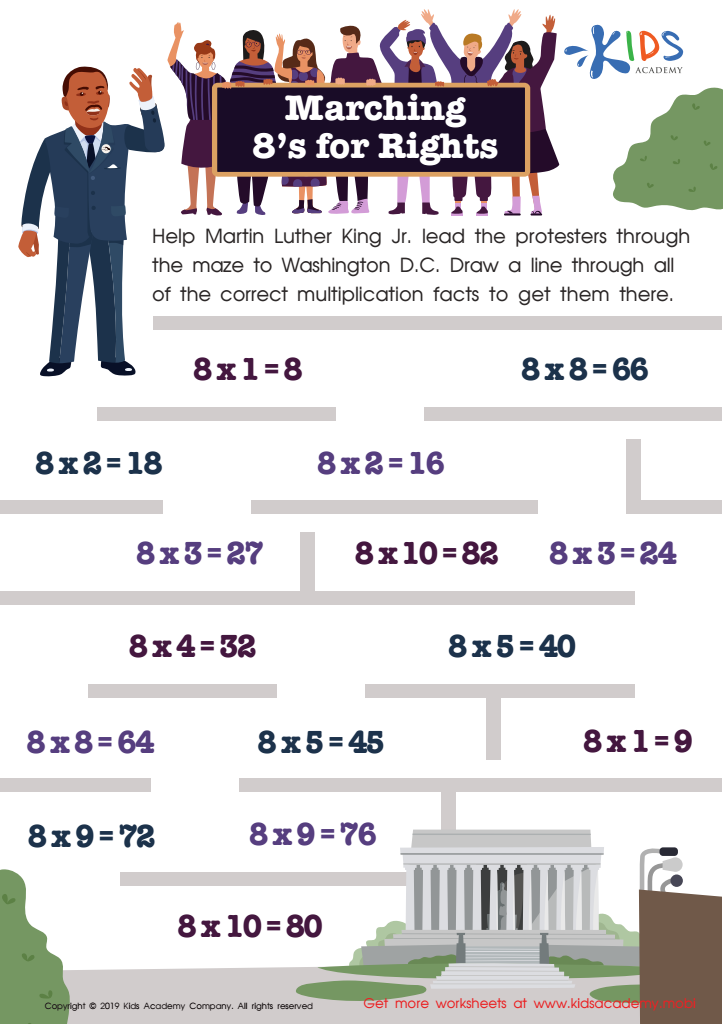
Marching 8’s for Rights Worksheet
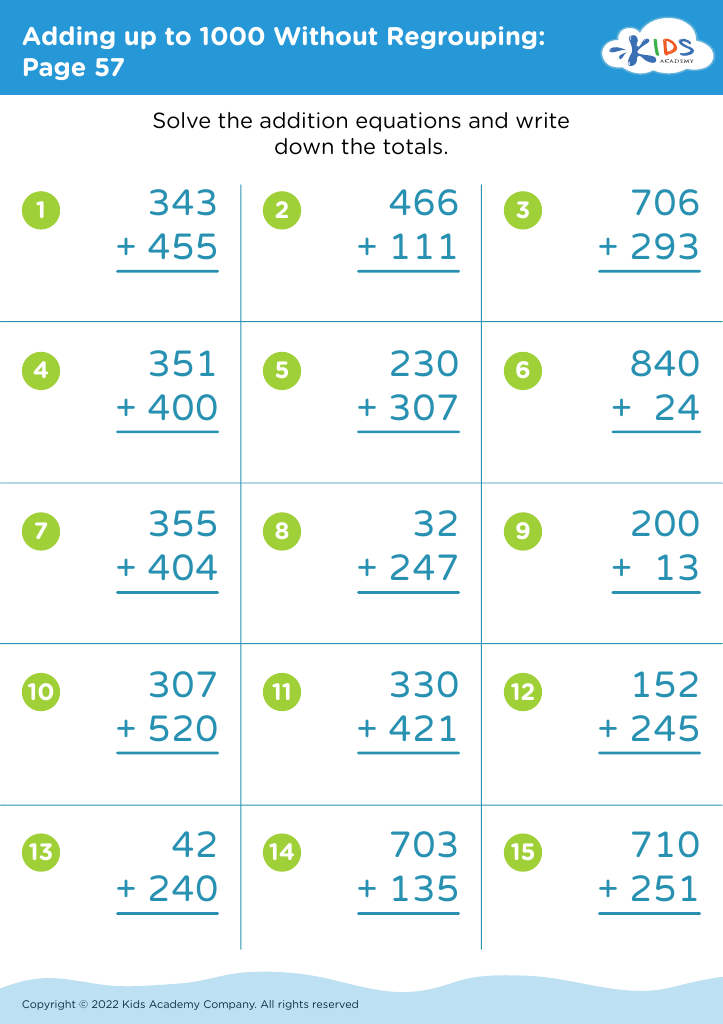
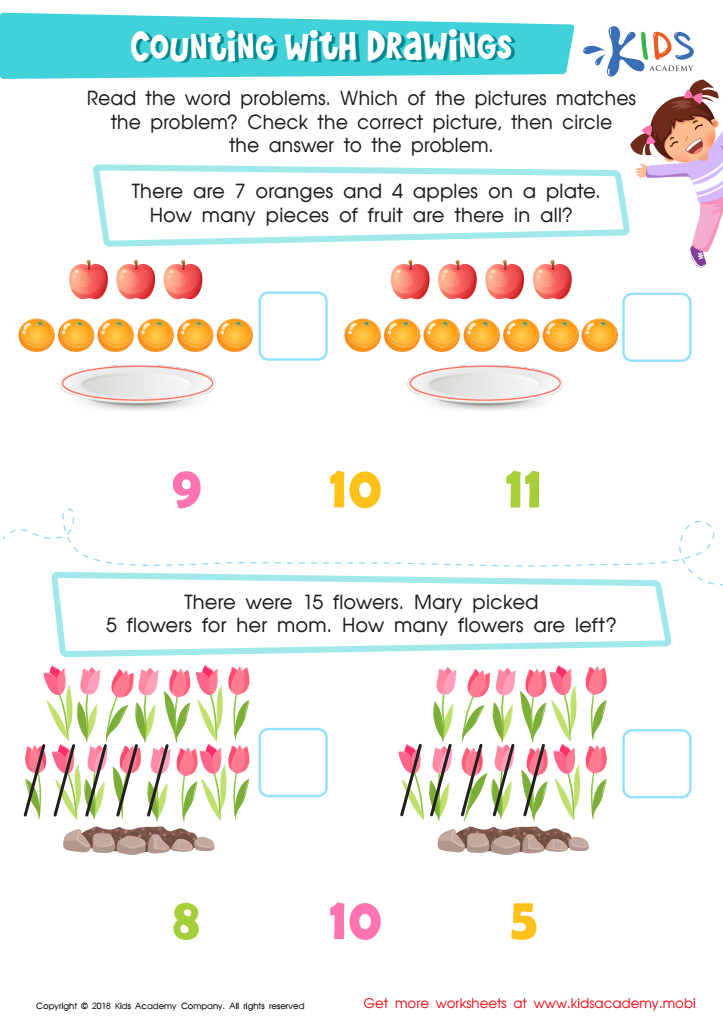
Counting with Drawings:Fruits & Flowers Worksheet
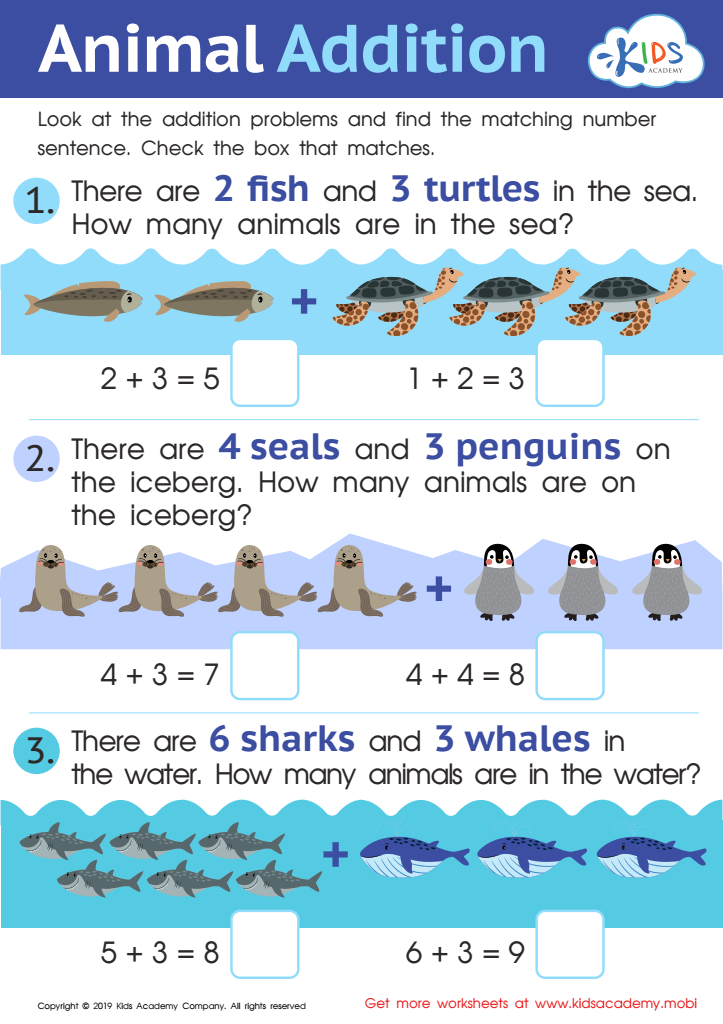
Animal Addition Worksheet
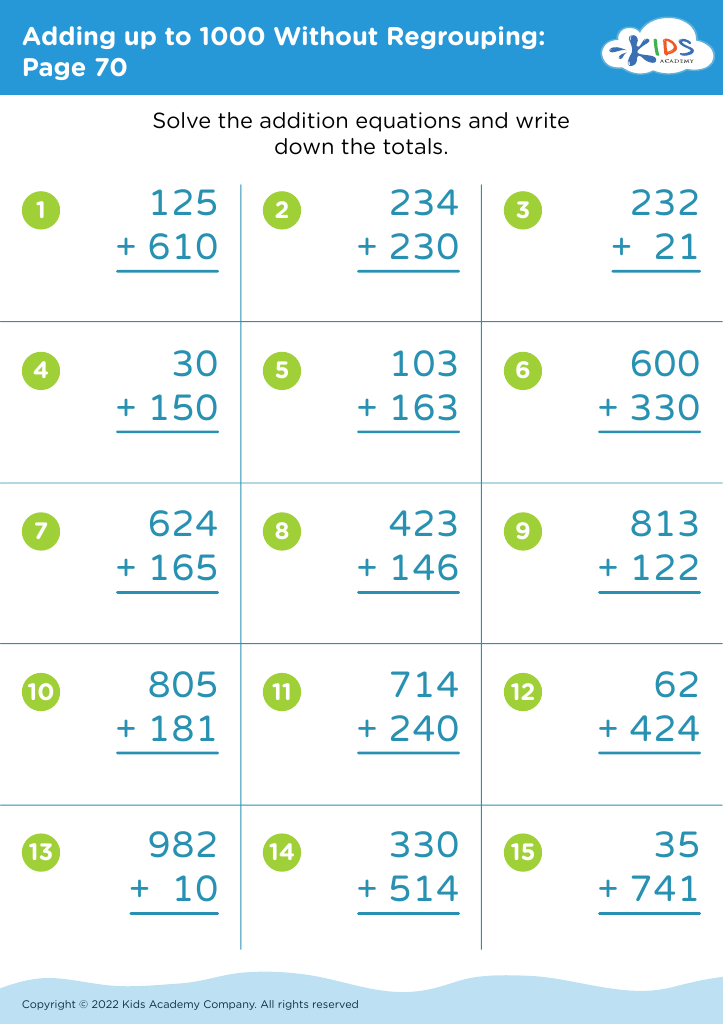
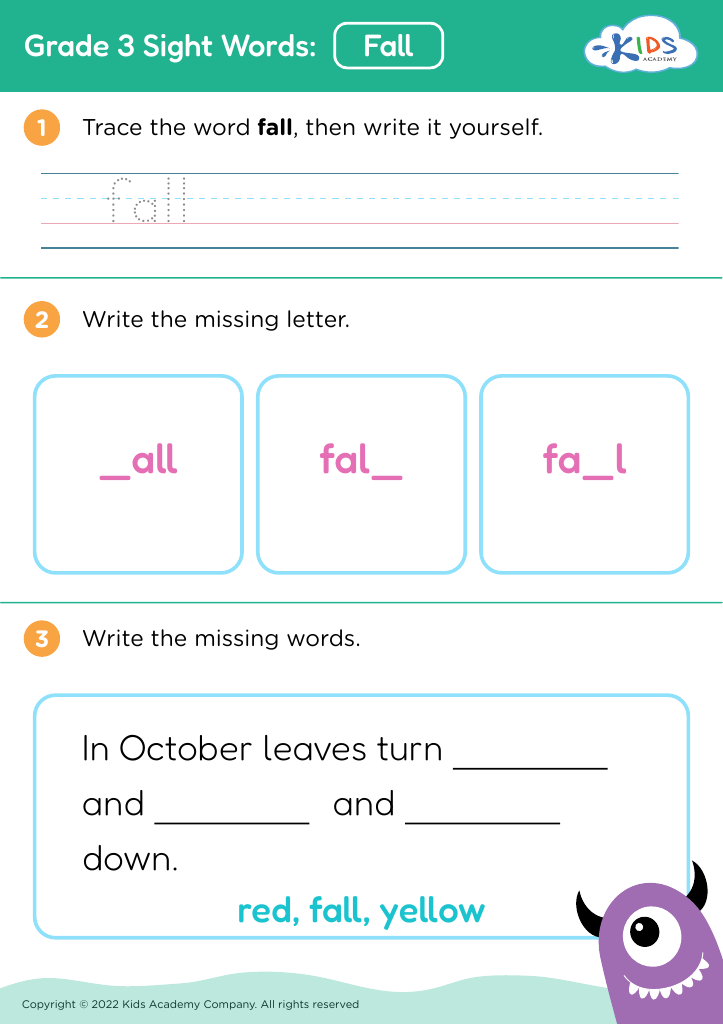







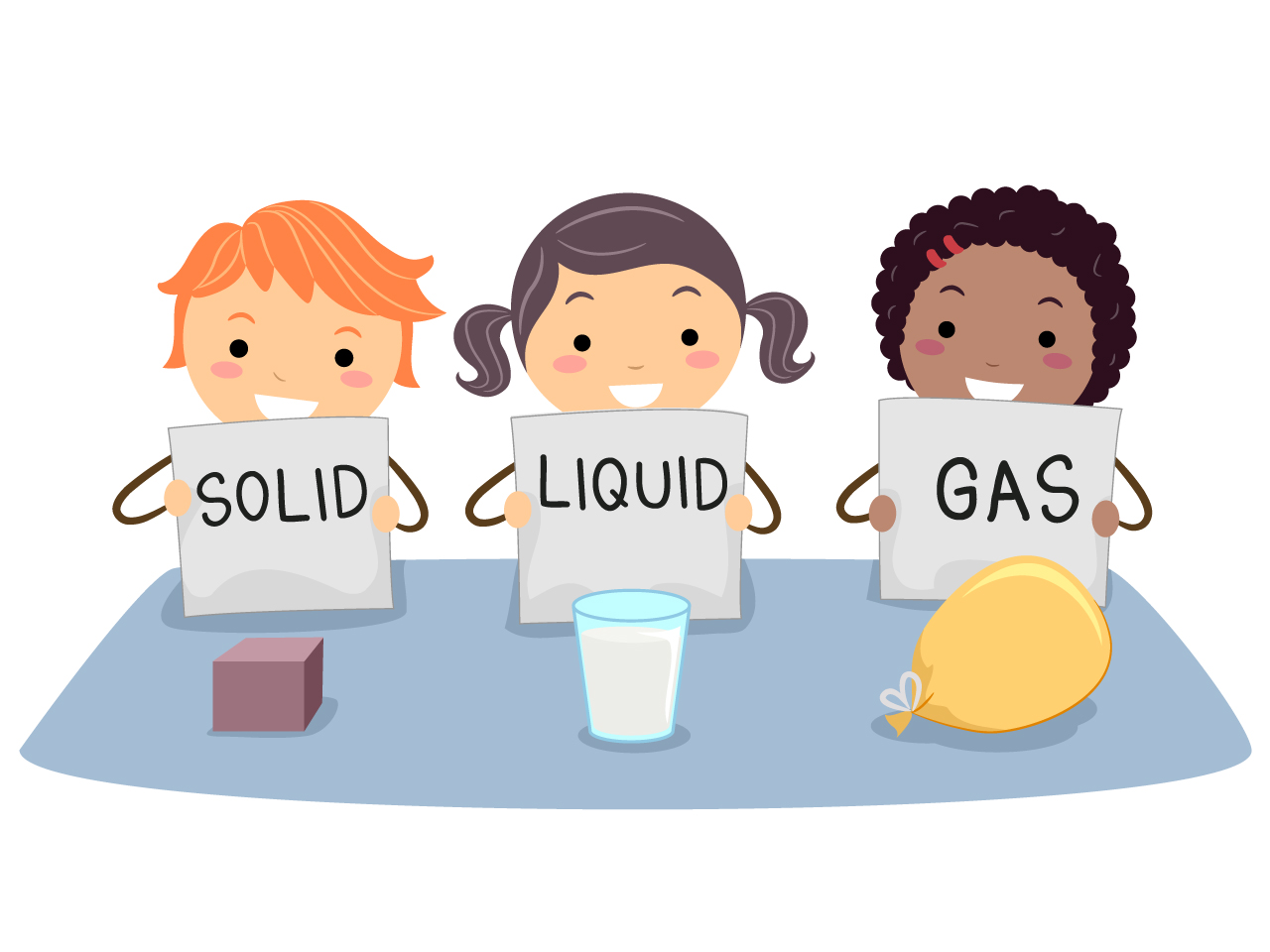
Basic addition in Grade 3 serves as a cornerstone for future math learning and life skills. At this stage, students consolidate their understanding of simple arithmetic, essential for grasping more complex mathematical concepts. Proficiency in addition enhances their confidence and competence in areas such as subtraction, multiplication, and division.
Parents and teachers play a crucial role in nurturing these foundational skills. Demonstrating the practical applications of addition in real-life scenarios, such as managing money, telling time, or measuring ingredients, helps students perceive the subject's relevance and boosts their motivation. Moreover, strong arithmetic skills contribute to better problem-solving abilities and logical thinking, skills pivotal not only in academics but also in daily decision-making.
Support from adults is critical in identifying and addressing learning gaps early. With adequate understanding and encouragement, children are more likely to view math with curiosity and enthusiasm rather than anxiety. This positive outlook is vital, as a child's attitude toward math in primary school often predicts their future performance and interest in STEM (Science, Technology, Engineering, and Mathematics) fields.
In essence, caring about basic addition in Grade 3 means laying a foundation for a child’s success in math and related subjects, promoting lifelong skills such as logical thinking, and nurturing a positive attitude toward learning.