Color recognition Grade 3 Worksheets - Page 3
54 filtered results
-
From - To
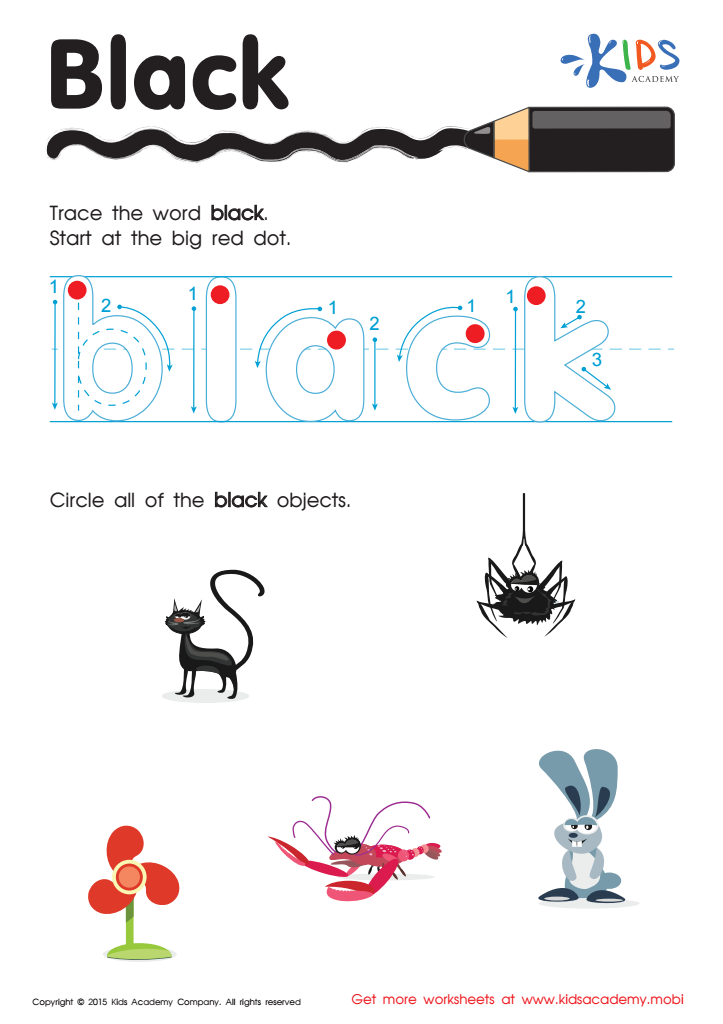
Black Tracing Color Words Printable
 Assign to My Students
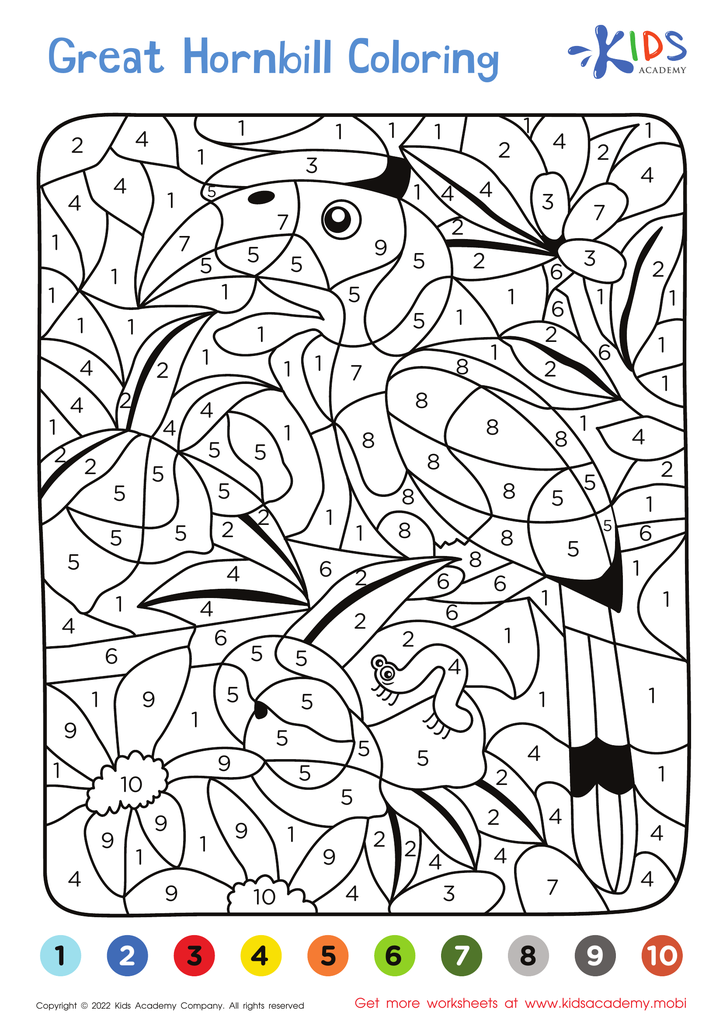
Great Hornbill – Coloring by Numbers
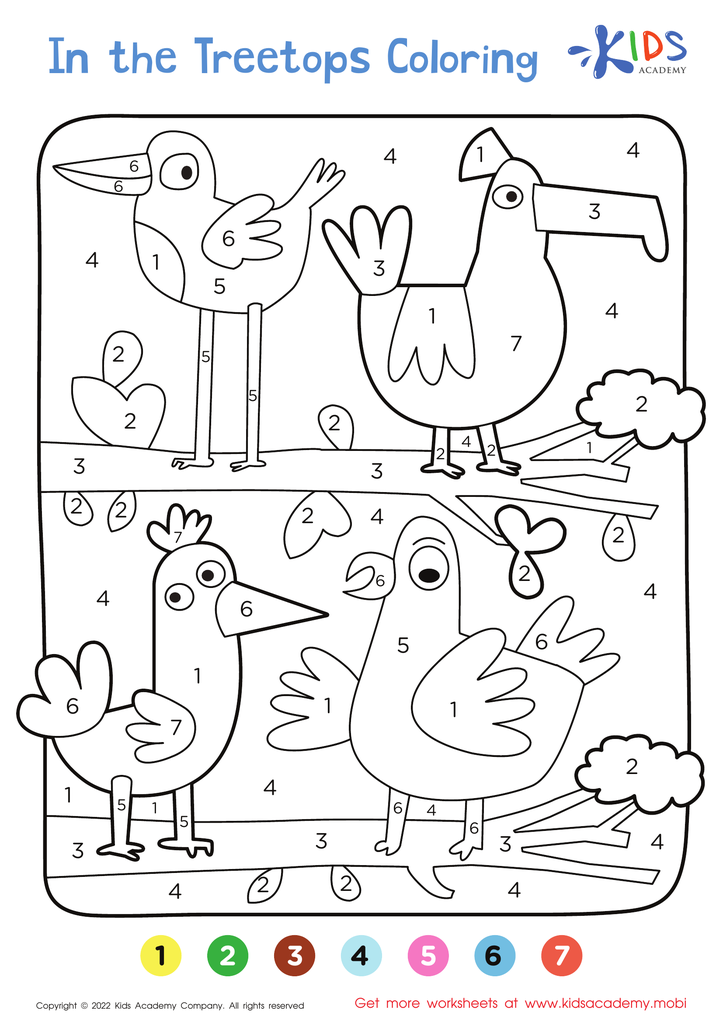
In the Treetops – Coloring Page
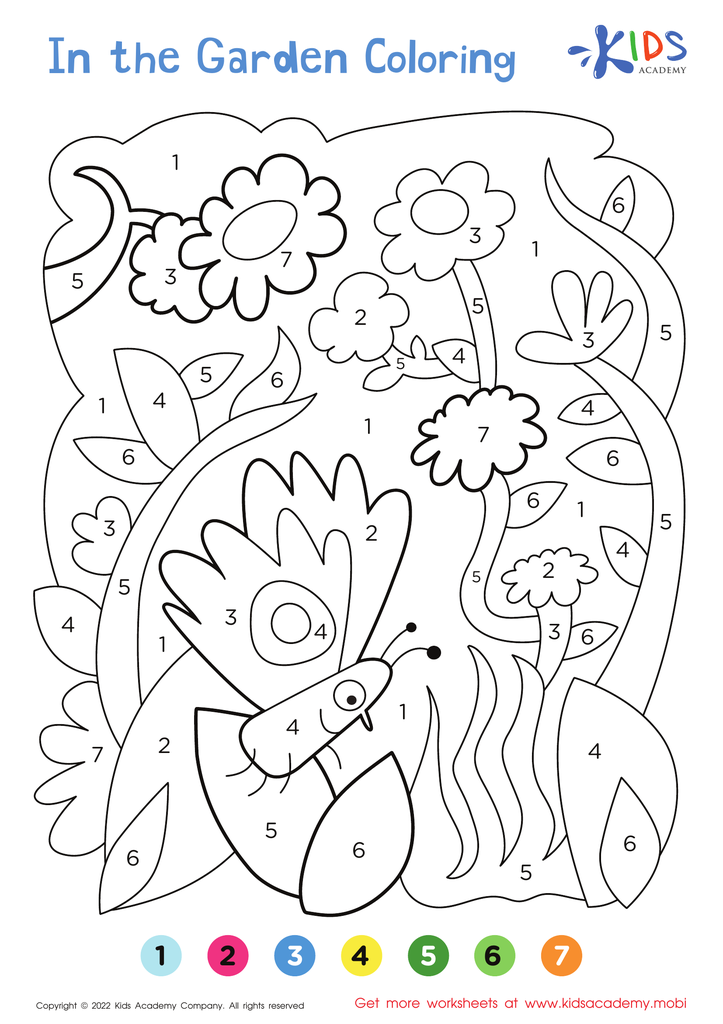
In the Garden – Coloring by Numbers







Color recognition is a fundamental skill that significantly contributes to a child's overall development, and its importance extends into Grade 3. At this age, children's cognitive and academic abilities are expanding rapidly, making it crucial for parents and teachers to focus on refining this skill.
Firstly, color recognition enhances learning and memory. Students who can accurately identify and differentiate colors can better organize and categorize information, enhancing their ability to remember and understand new concepts. For example, in subjects like mathematics, color-coding different numbers or operations can make it easier for students to grasp complex problems.
Secondly, color recognition fosters creative expression and critical thinking. Grade 3 students tend to engage in more advanced art and science projects that require them to use and mix colors. Being proficient in color recognition allows children to experiment creatively while making scientific observations, such as understanding the effects of mixing different substances.
In addition, being able to recognize and articulate colors can improve communication skills. Students can describe their observations and experiences more accurately and vividly, which is essential for effective verbal and written expression.
Moreover, understanding colors and their variations prepares children for more nuanced learning areas, such as geography, where different colors represent different terrain types on maps.
By investing in activities and lessons that promote color recognition, parents and teachers can help Grade 3 students develop essential cognitive, creative, and communication skills, forming a solid foundation for their future education and personal growth.