Developing fine motor skills Grade 3 Worksheets
3 filtered results
-
From - To
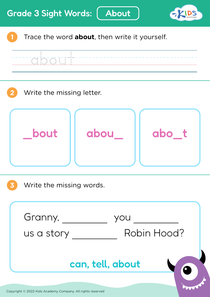
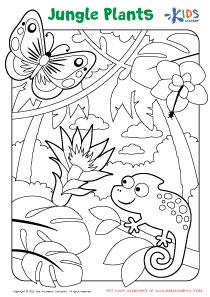
Enhance your Grade 3 students' fine motor skills with our engaging and interactive worksheets! Specifically designed for third graders, these worksheets focus on improving hand-eye coordination, dexterity, and overall motor skills through fun activities like tracing, cutting, and drawing. By incorporating creative exercises, we aim to make skill development enjoyable, fostering both independence and confidence in your students. These resources can be easily integrated into classroom learning or used for at-home practice. Explore our collection and empower your third graders to master essential fine motor skills while having fun! Perfect for differentiated learning and supporting various learning styles.
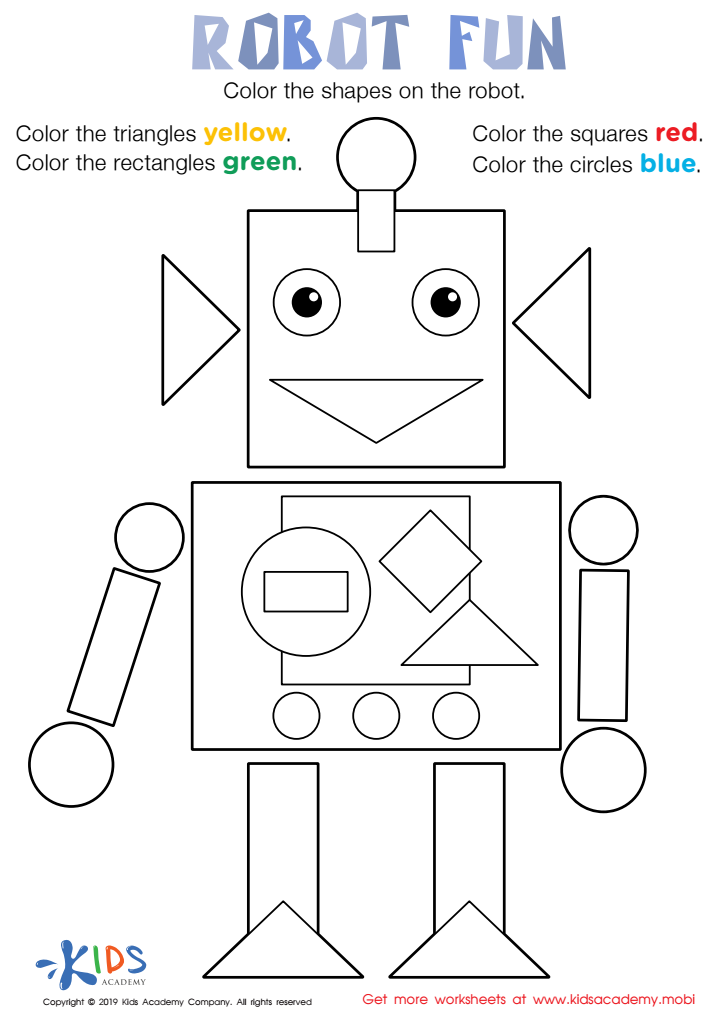
Robot Fun Worksheet
 Assign to My Students
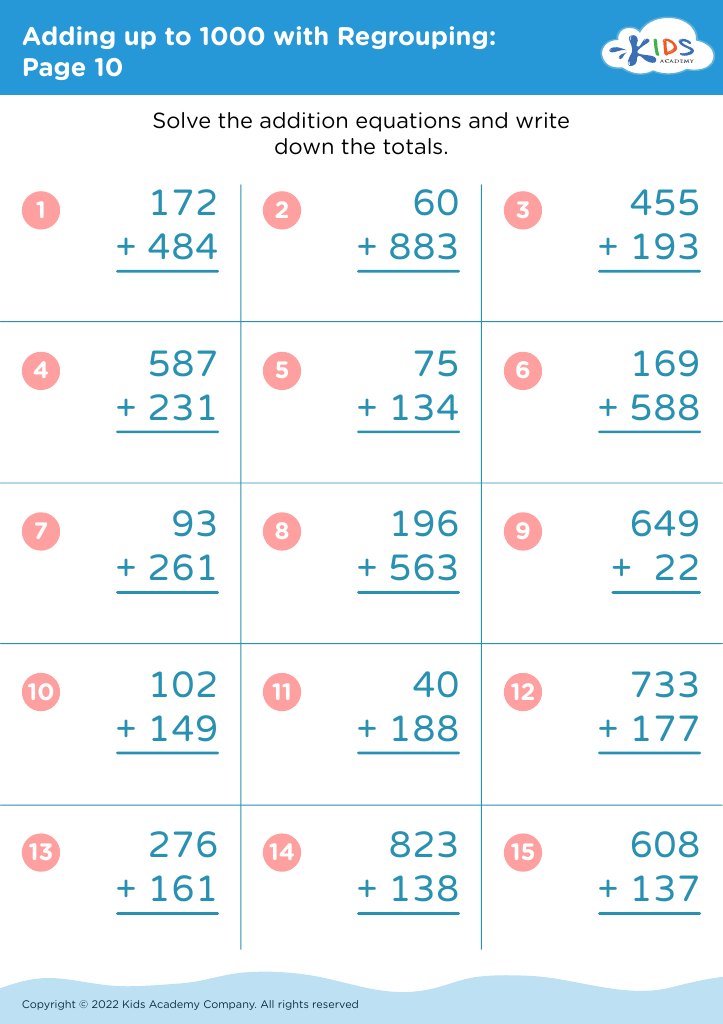
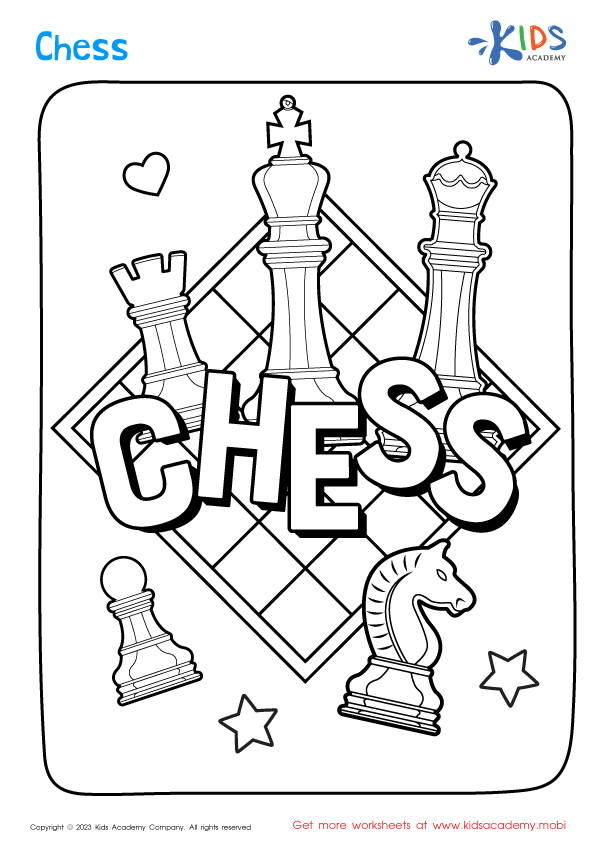







Developing fine motor skills in grade 3 is essential for children's overall growth and learning. At this stage, children are refining their hand-eye coordination, dexterity, and control, which are crucial for activities such as writing, drawing, and manipulating small objects. These skills not only contribute to academic success but also play a vital role in daily tasks, such as buttoning clothes or tying shoes.
Parents and teachers should particularly focus on fine motor skills as they are linked to cognitive development and self-confidence. Strong fine motor abilities enhance children's writing capabilities, allowing them to express their thoughts and creativity more fluently. Additionally, as students engage in arts and crafts, they develop critical thinking and problem-solving skills, further enriching their educational experience.
Moreover, the mastery of fine motor skills helps instill a sense of pride and accomplishment in children. Task completion fosters independence, motivating children to take on new challenges. By encouraging activities that strengthen these skills, parents and teachers can lay a solid foundation for lifelong learning and self-sufficiency. Supporting fine motor development will benefit children academically and socially, as they learn to interact more effectively with their environment and peers.