Explore our engaging Fraction Comparison Worksheets for Grade 3, designed to help young learners master the concept of comparing fractions. These worksheets feature a variety of challenging problems that encourage students to analyze, compare, and understand fractions in different contexts. With colorful illustrations and varied activities, they are perfect for classroom use or supplemental practice at home. Our resources promote critical thinking skills while making math fun and interactive. Plus, each worksheet is aligned with grade-level standards, ensuring that your child is on track for academic success. Download and print these worksheets to enhance your child’s math learning experience today!
Check out this FREE Grade 3 "Fraction comparison" Trial Lesson!

Recognizing Common Fractions

Favorites
With answer key
Interactive
  • Grade 3
  • Fraction comparison
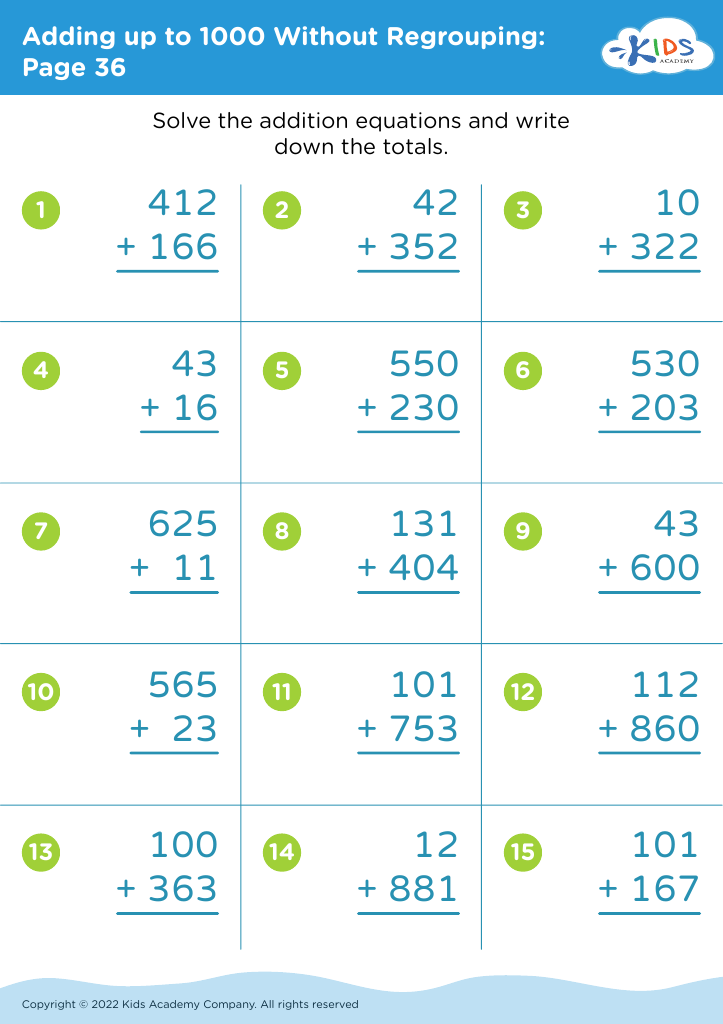
Adding up to 1000 Without Regrouping: Page 36
Worksheet
Matching Fractions Worksheet

Matching Fractions Worksheet

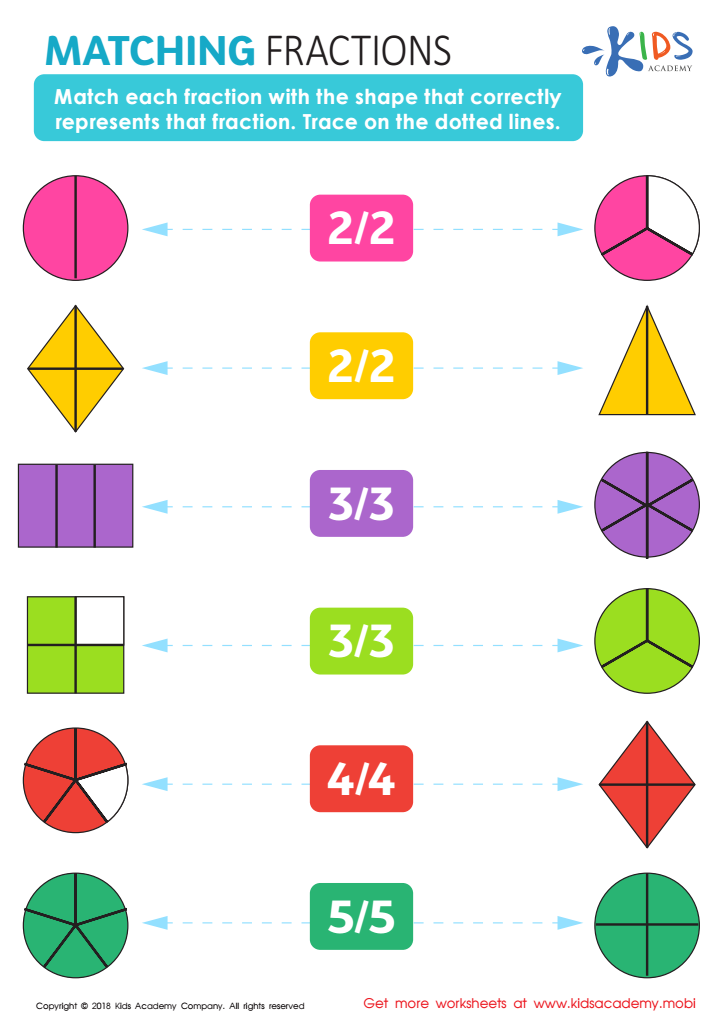
This worksheet uses colorful images to engage students. On the left are six shapes, mirrored on the right, with fractions in the middle. Students must match up the fraction with the right shape. It's a fun way to sharpen fractions skills!
Matching Fractions Worksheet
Worksheet
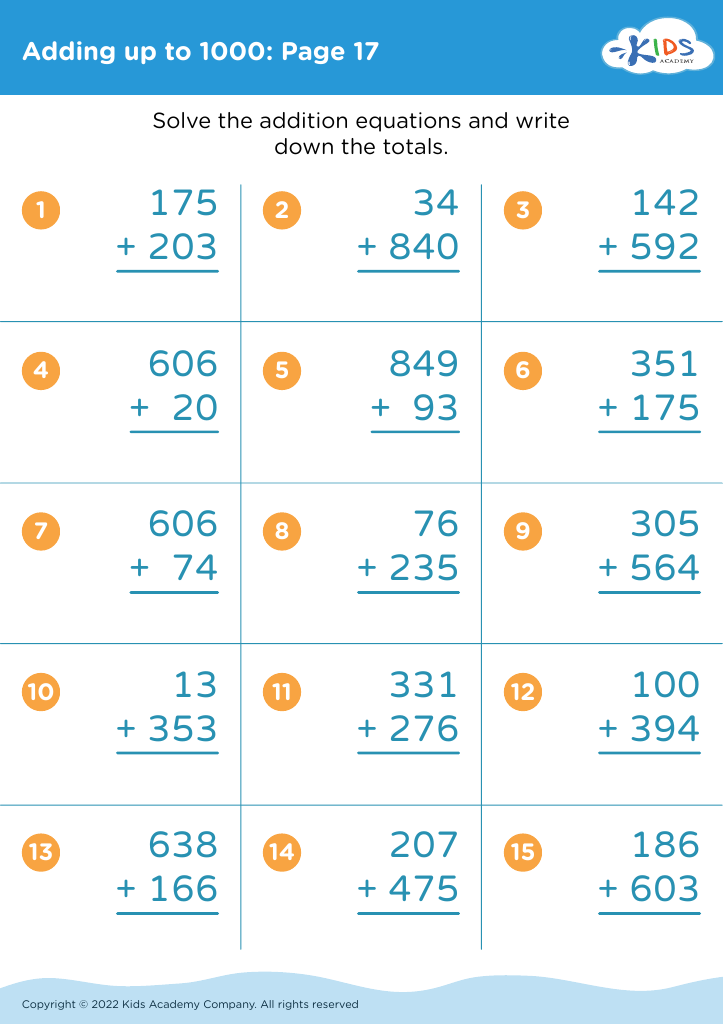
Adding up to 1000: Page 17

Adding up to 1000: Page 17

Adding up to 1000: Page 17
Worksheet
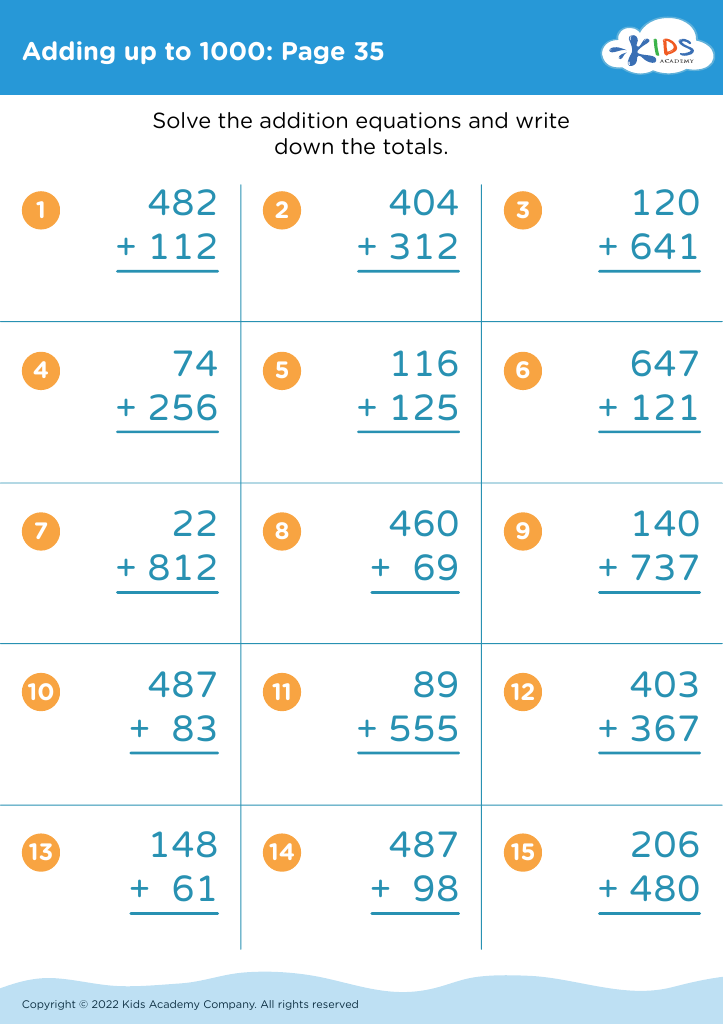
Adding up to 1000: Page 35

Adding up to 1000: Page 35

Adding up to 1000: Page 35
Worksheet
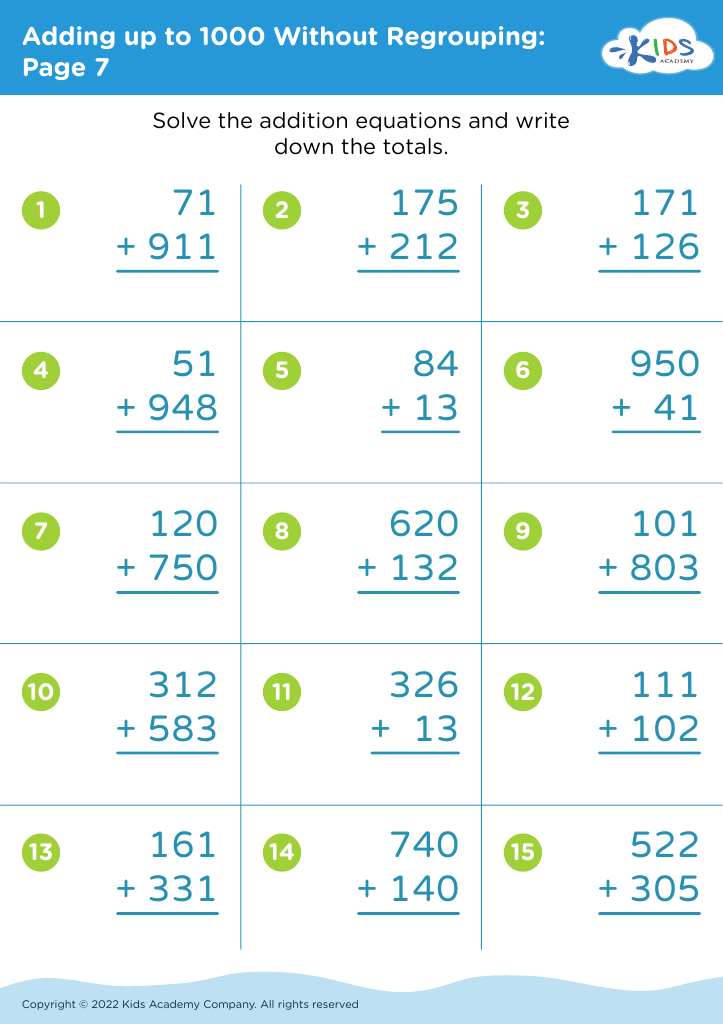
Adding up to 1000 Without Regrouping: Page 7
Worksheet
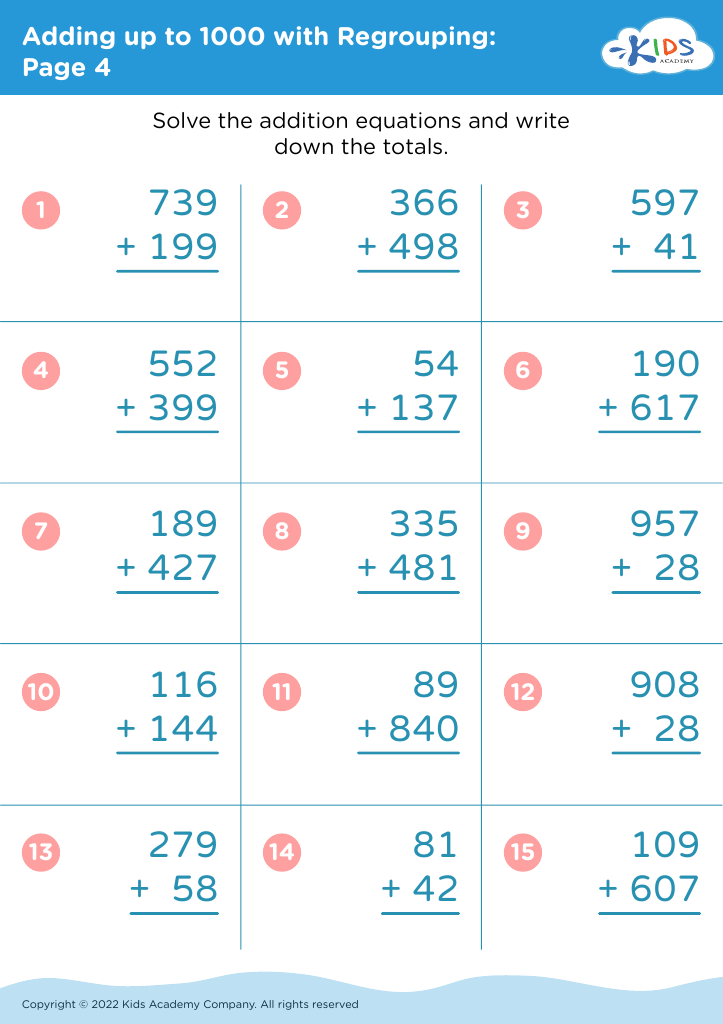
Adding up to 1000 with Regrouping: Page 4
Worksheet
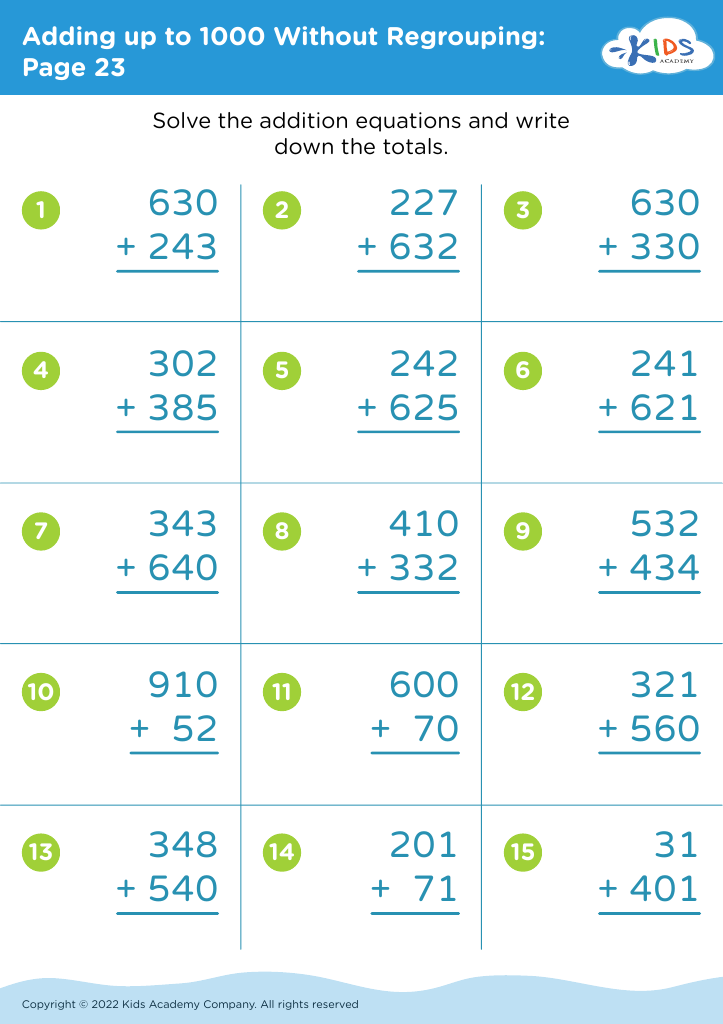
Adding up to 1000 Without Regrouping: Page 23
Worksheet
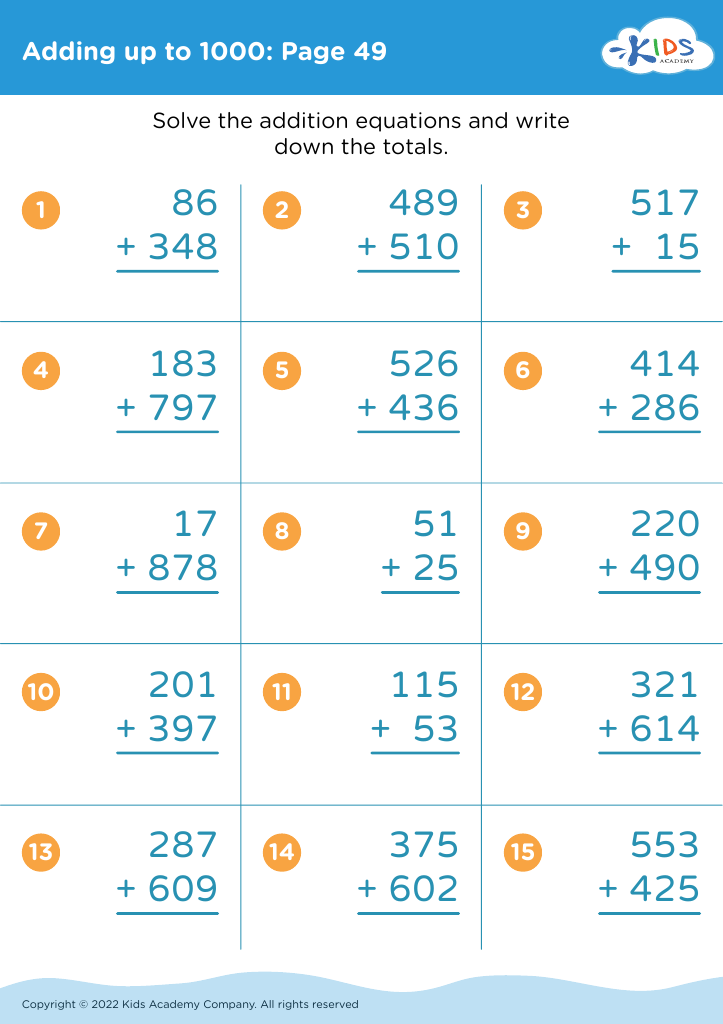
Adding up to 1000: Page 49

Adding up to 1000: Page 49

Adding up to 1000: Page 49
Worksheet
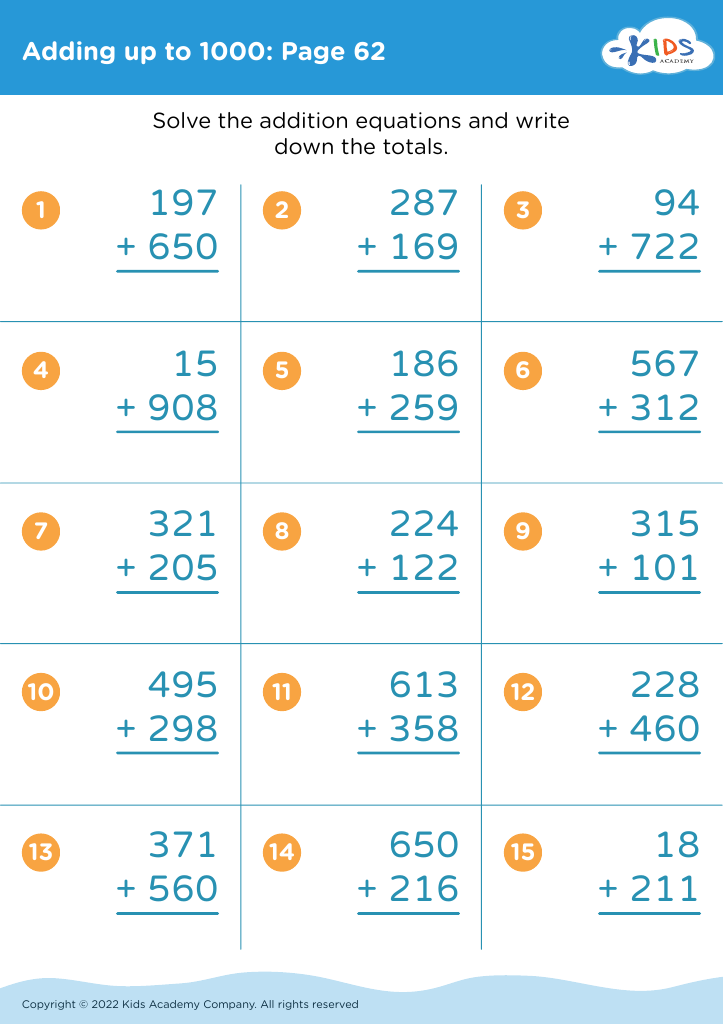
Adding up to 1000: Page 62

Adding up to 1000: Page 62

Adding up to 1000: Page 62
Worksheet
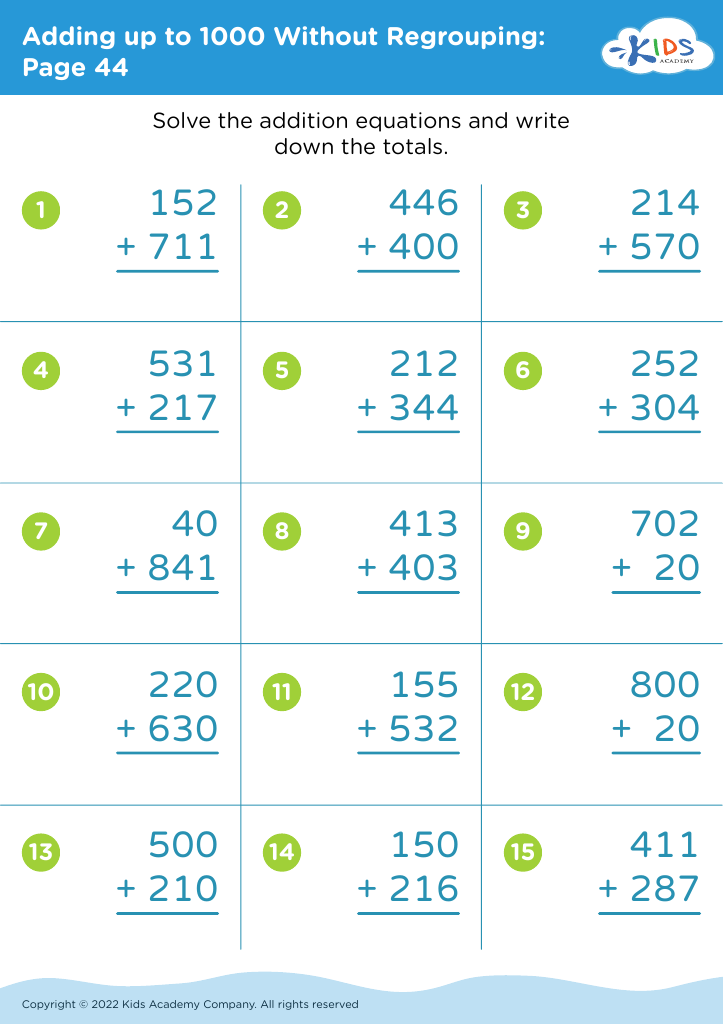
Adding up to 1000 Without Regrouping: Page 44
Worksheet
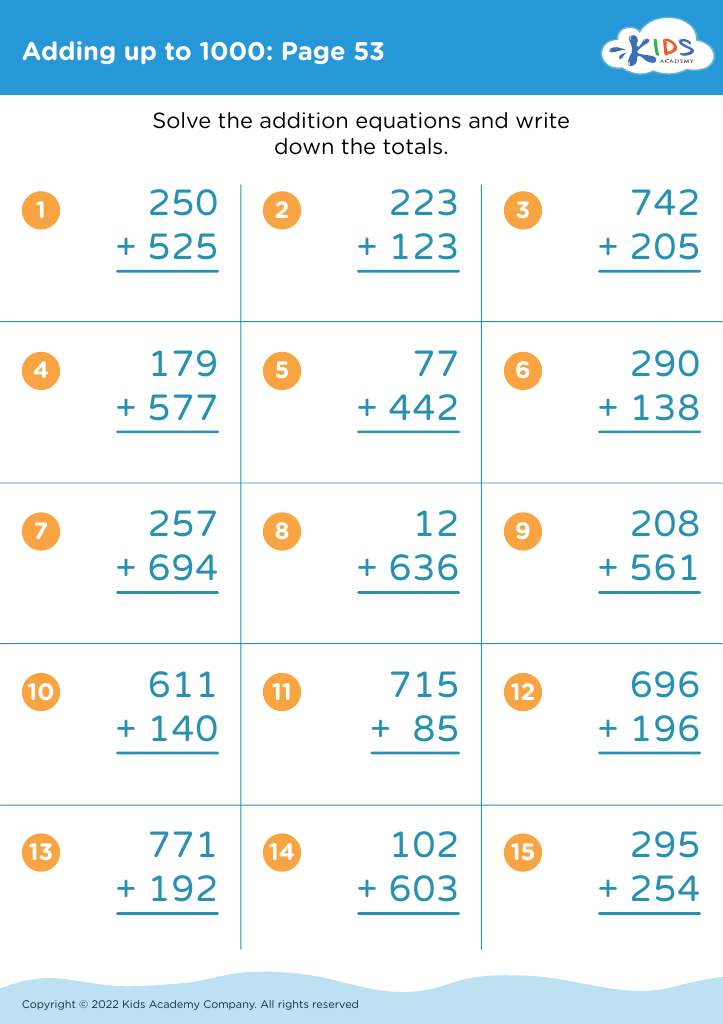
Adding up to 1000: Page 53

Adding up to 1000: Page 53

Adding up to 1000: Page 53
Worksheet
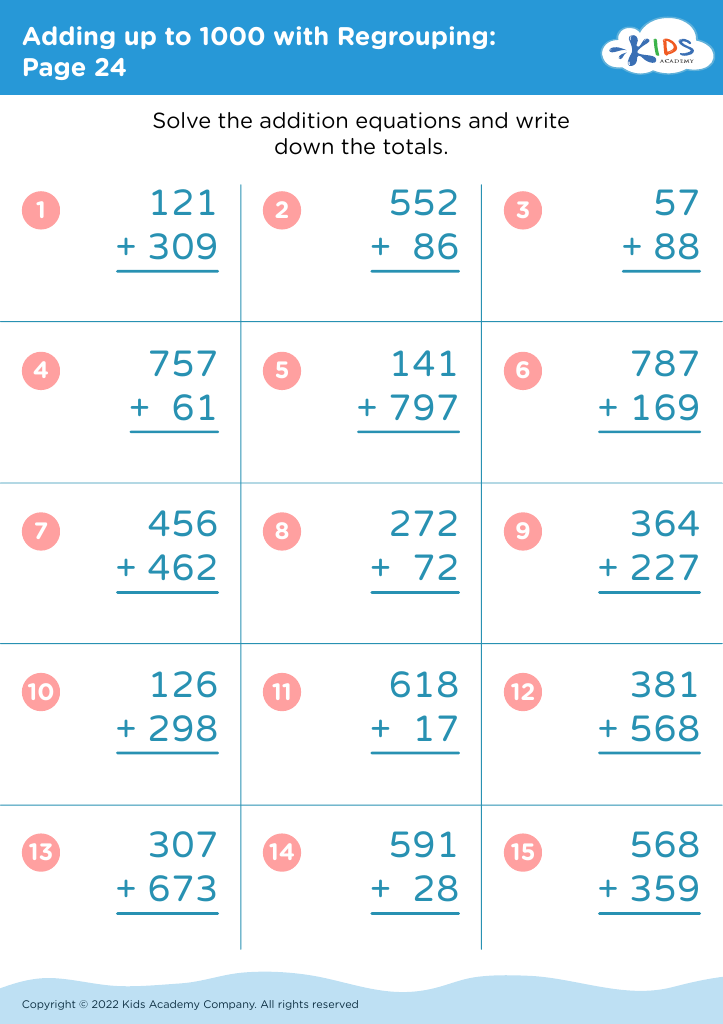
Adding up to 1000 with Regrouping: Page 24
Worksheet
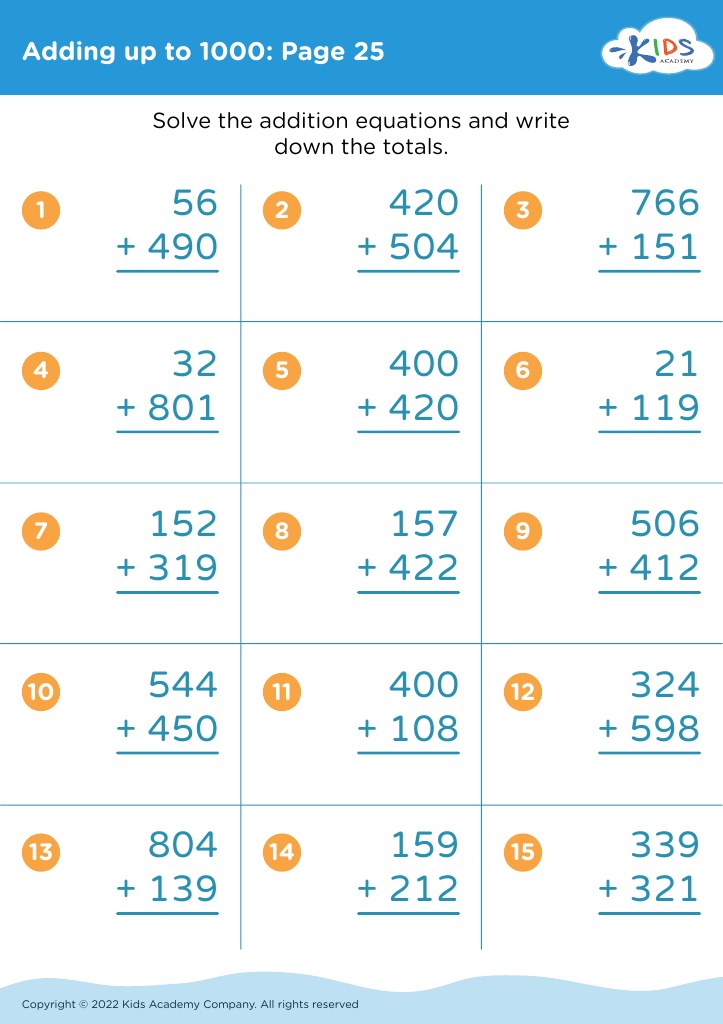
Adding up to 1000: Page 25

Adding up to 1000: Page 25

Adding up to 1000: Page 25
Worksheet
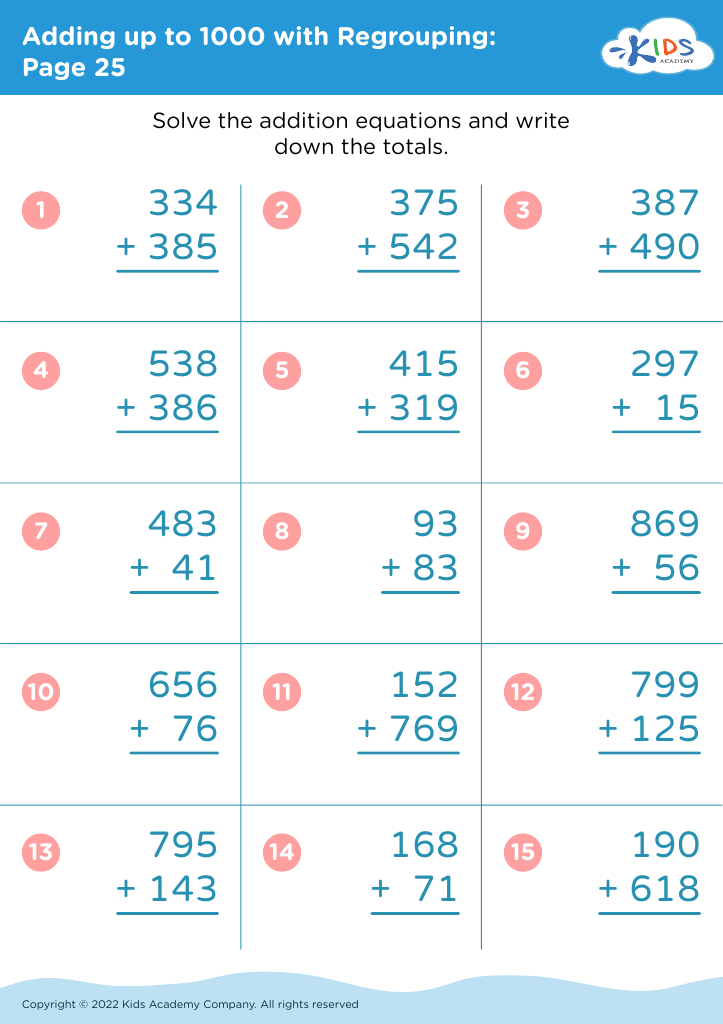
Adding up to 1000 with Regrouping: Page 25
Worksheet
Grade 3 Sight Words: Long

Grade 3 Sight Words: Long

Grade 3 Sight Words: Long
Worksheet
Grade 3 Sight Words: Carry

Grade 3 Sight Words: Carry

Grade 3 Sight Words: Carry
Worksheet


Fraction comparison is a fundamental math skill that is essential for third graders, and both parents and teachers should prioritize its understanding for several reasons. First, mastering fraction comparison fosters critical thinking. When students learn to compare fractions, they practice reasoning skills that can be applied to various mathematical concepts and real-life situations.

Second, many future math topics, including addition, subtraction, multiplication, and division of fractions, require a solid understanding of how to compare sizes of fractions. By focusing on these comparisons early, students can build a strong foundation that will support more advanced math as they progress in their education.

Moreover, understanding fractions helps students develop a sense of number relationships, which is crucial across all areas of math. For instance, knowing that ( \frac{1}{2} ) is greater than ( \frac{1}{4} ) is not only critical for solving problems, but it also enhances their confidence and reduces math anxiety.

Lastly, involving parents in this learning process can create opportunities for fun, engaging activities at home. Cooperative learning between parents and teachers ensures that students gain a robust understanding of fractions, which in turn promotes an enriching educational environment.