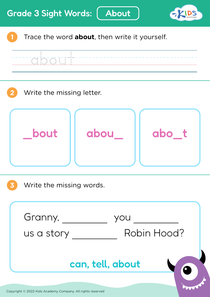
Problem-solving practice Grade 3 Worksheets
7 filtered results
-
From - To
Unlock your child’s potential with our engaging Problem-Solving Practice Worksheets for Grade 3! These thoughtfully designed worksheets are perfect for enhancing critical thinking and analytical skills. Each activity encourages students to tackle real-world problems through various scenarios that promote logical reasoning and creative solutions. With a mix of math challenges, reading comprehension tasks, and puzzles, your child will develop essential problem-solving strategies essential for academic success. Our user-friendly format makes it easy to incorporate these worksheets into daily practice. Help your Grade 3 learner build confidence and become a proficient problem solver with our comprehensive resources today!
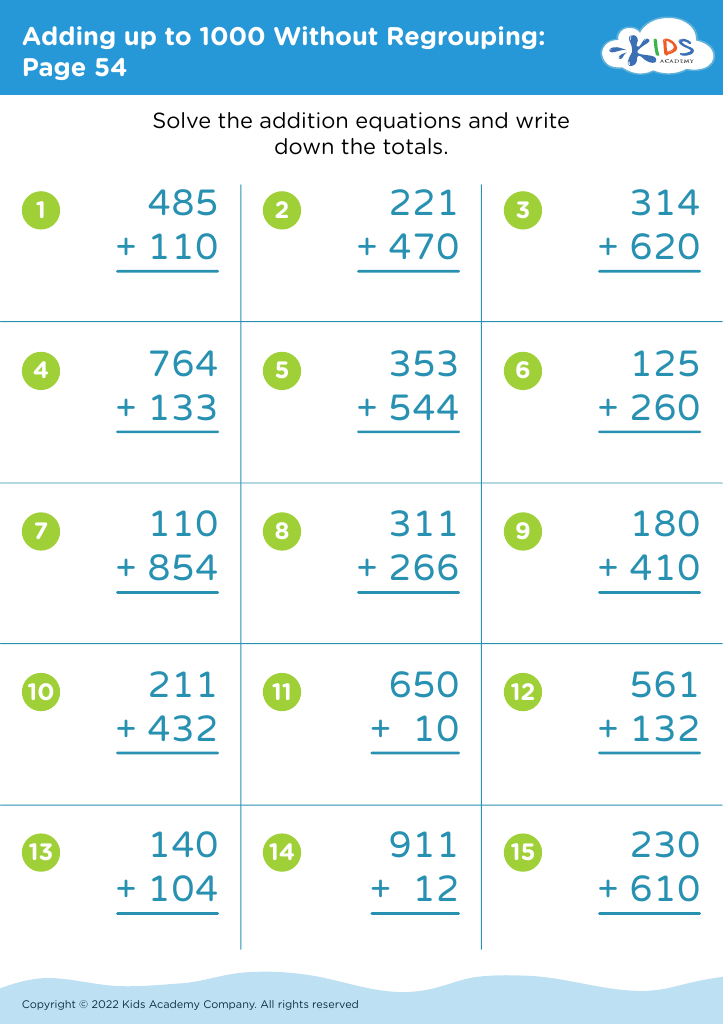
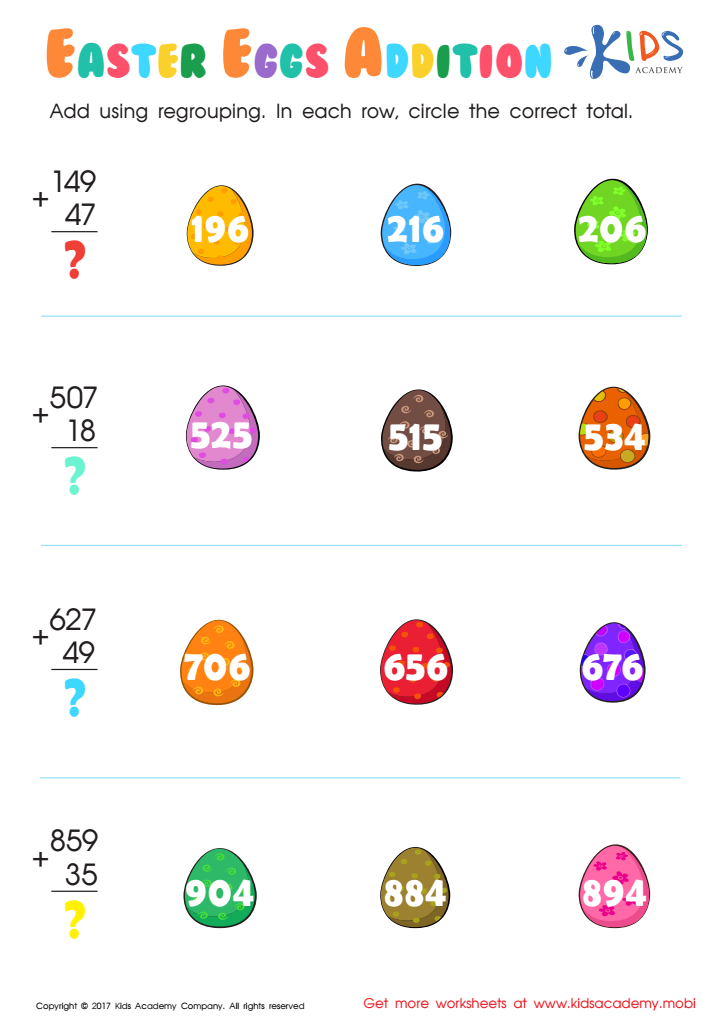
Addition with Regrouping Worksheet
 Assign to My Students
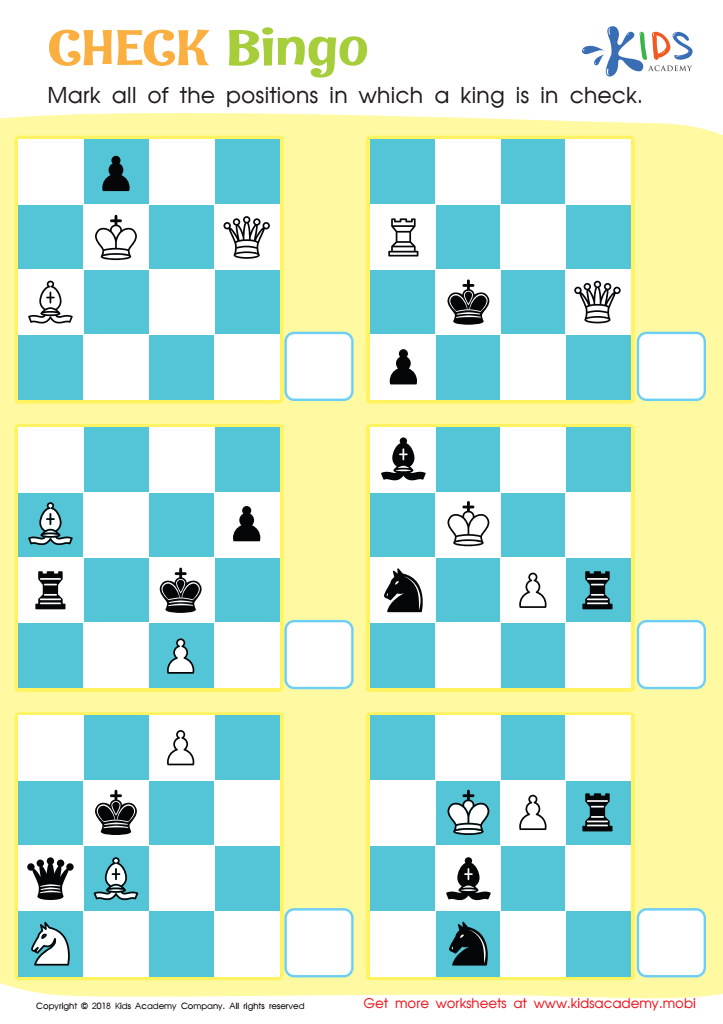
Check Bingo Worksheet
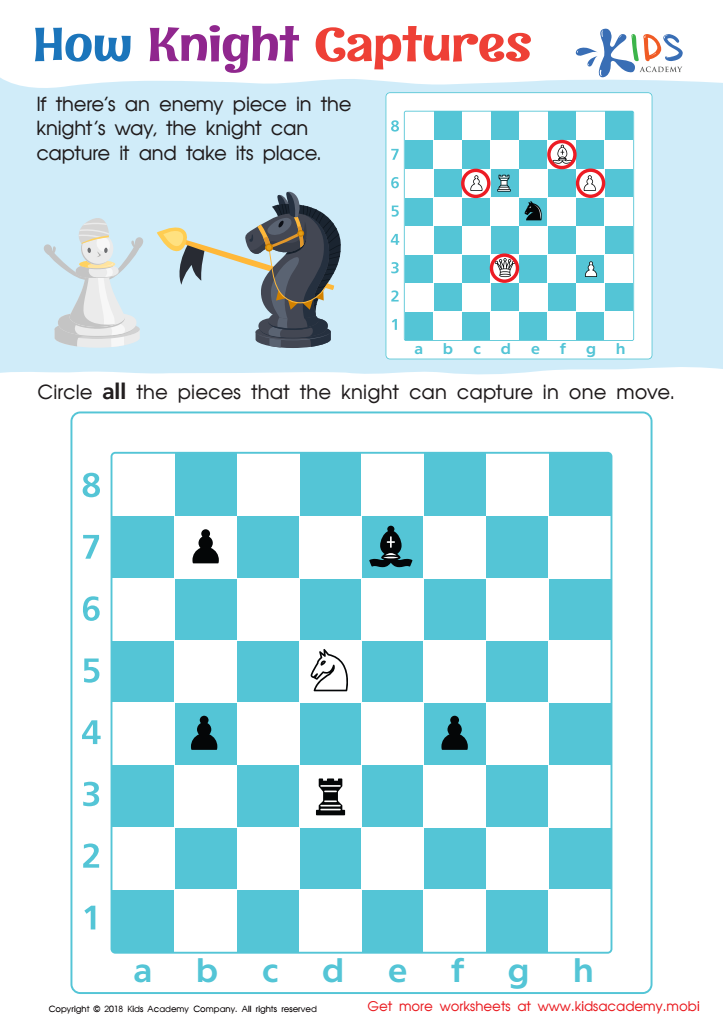
How Knight Captures Worksheet
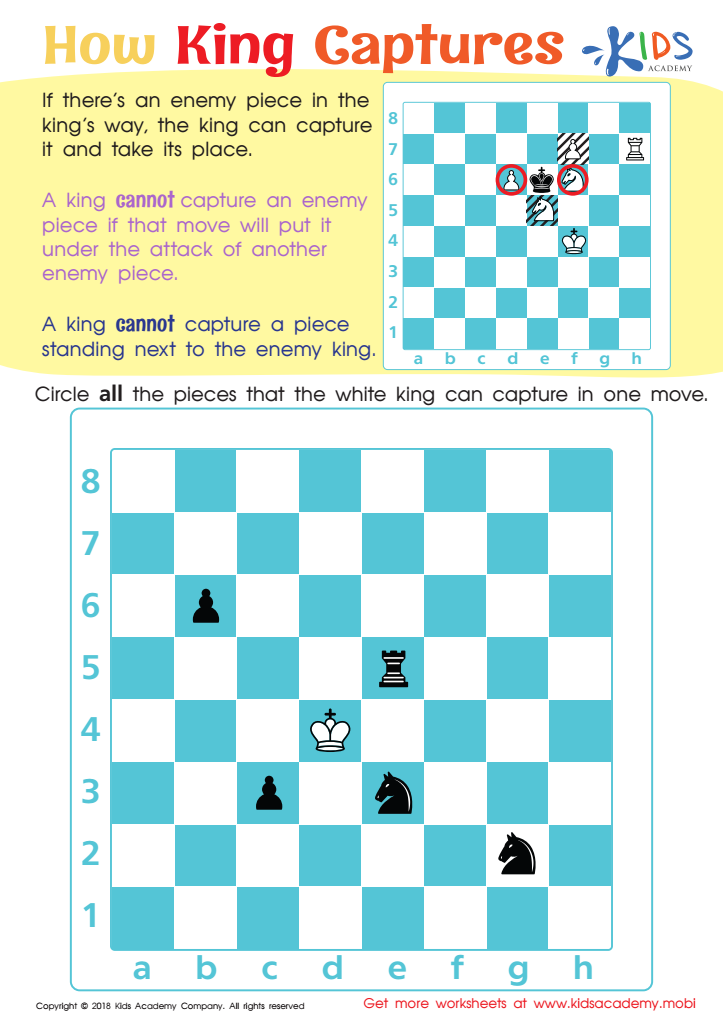
How King Captures Worksheet
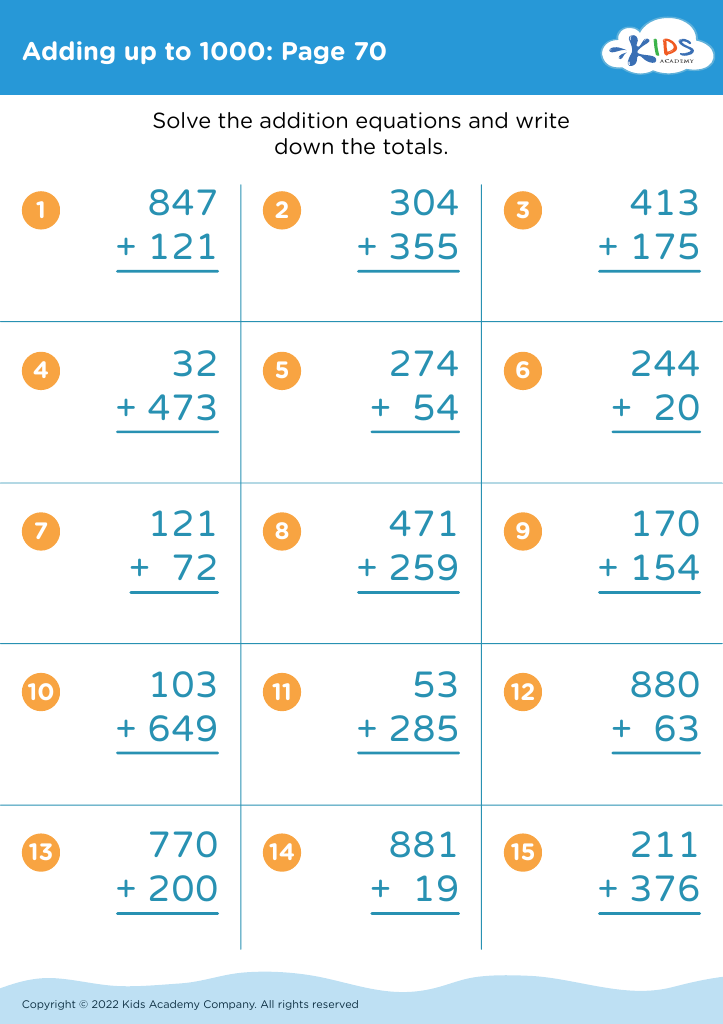
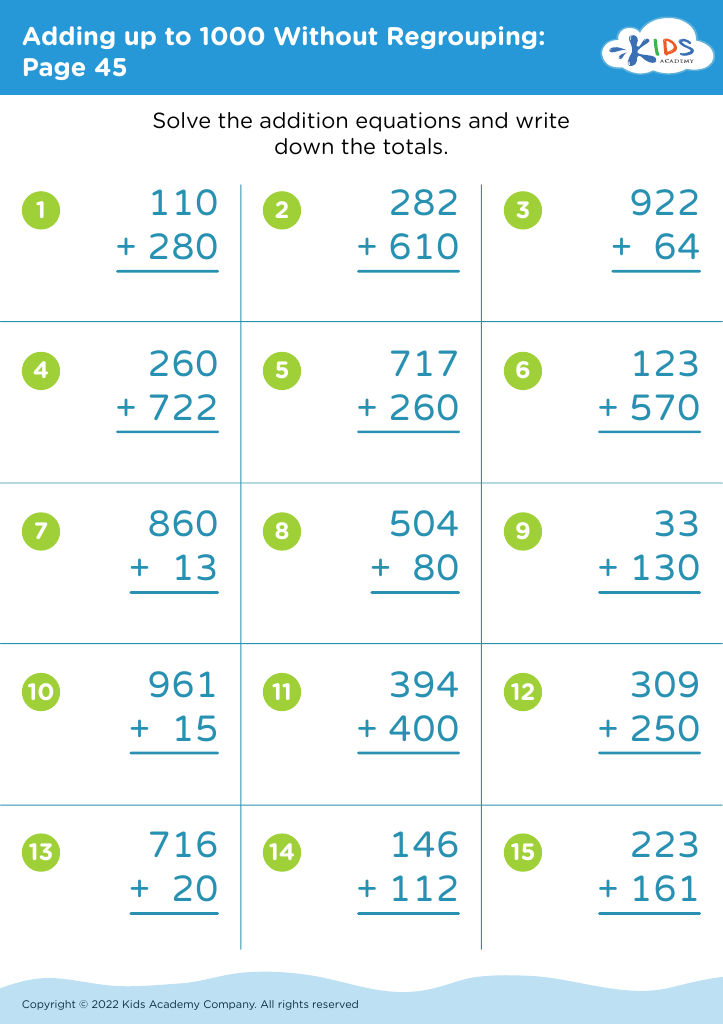







Problem-solving practice in Grade 3 is crucial for several reasons that impact both academic and life skills development. First, children in this age group are encountering more complex mathematical concepts, such as basic operations and introductory geometry. Engaging in problem-solving allows them to apply these concepts in practical scenarios, enhancing their understanding and retention.
Additionally, problem-solving fosters critical thinking and analytical skills. As students learn to approach challenges logically, dissect problems into manageable parts, and experiment with various strategies, they build resilience and adaptability. These skills are not only essential in mathematics but are also transferable across various subjects and real-life situations.
Moreover, effective problem-solving goes beyond numbers; it contributes to growth in communication and collaboration skills when students discuss solutions with peers. This social aspect of learning enriches their classroom experience and promotes a sense of belonging.
Finally, developing strong problem-solving skills in Grade 3 sets a solid foundation for future learning. As students progress, those who are adept at tackling problems will find greater success in more advanced topics. For parents and teachers, supporting this aspect of education is pivotal in cultivating confident, curious, and capable learners.