Sound Association Grade 3 Worksheets
6 filtered results
-
From - To
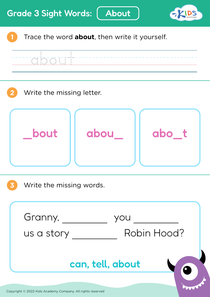
Enhance your third grader's phonemic awareness with our "Sound Association Grade 3 Worksheets" from Kids Academy! Our comprehensive and engaging worksheets focus on linking sounds to their corresponding letters and words, crucial for developing strong reading and spelling skills. With colorful illustrations and fun activities, children will enjoy matching, sorting, and identifying sounds, all while boosting their literacy proficiency. Ideal for both classroom use and at-home practice, our expertly designed worksheets cater to different learning styles and encourage independent learning. Help your child master essential sound association skills and watch their confidence soar! Download now and get started today!
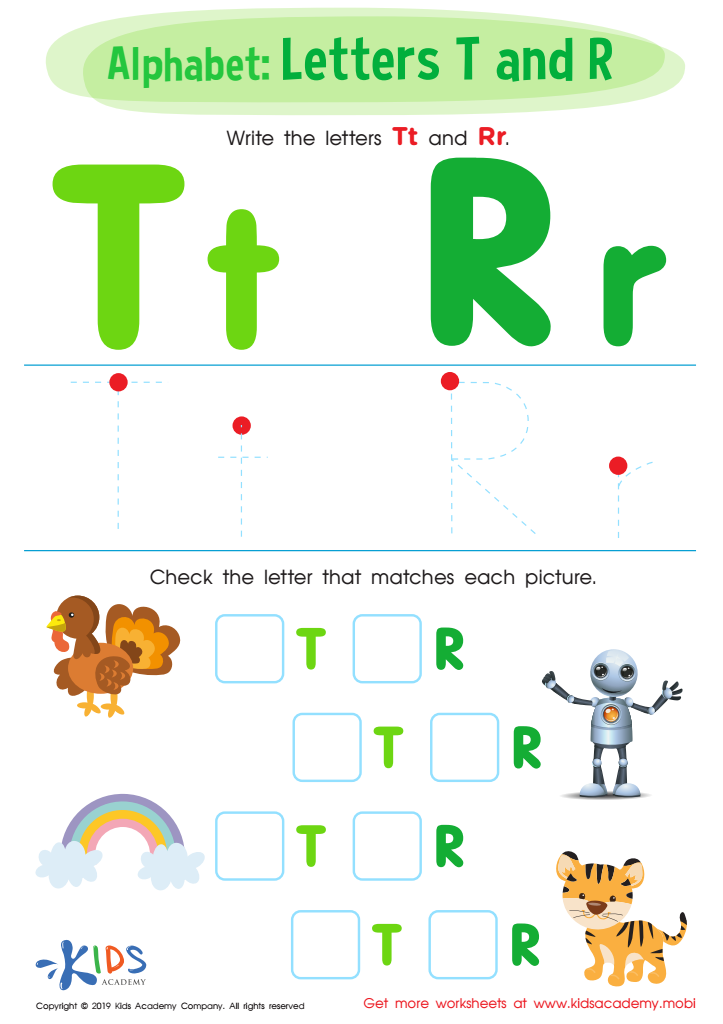
Letters T and R Worksheet
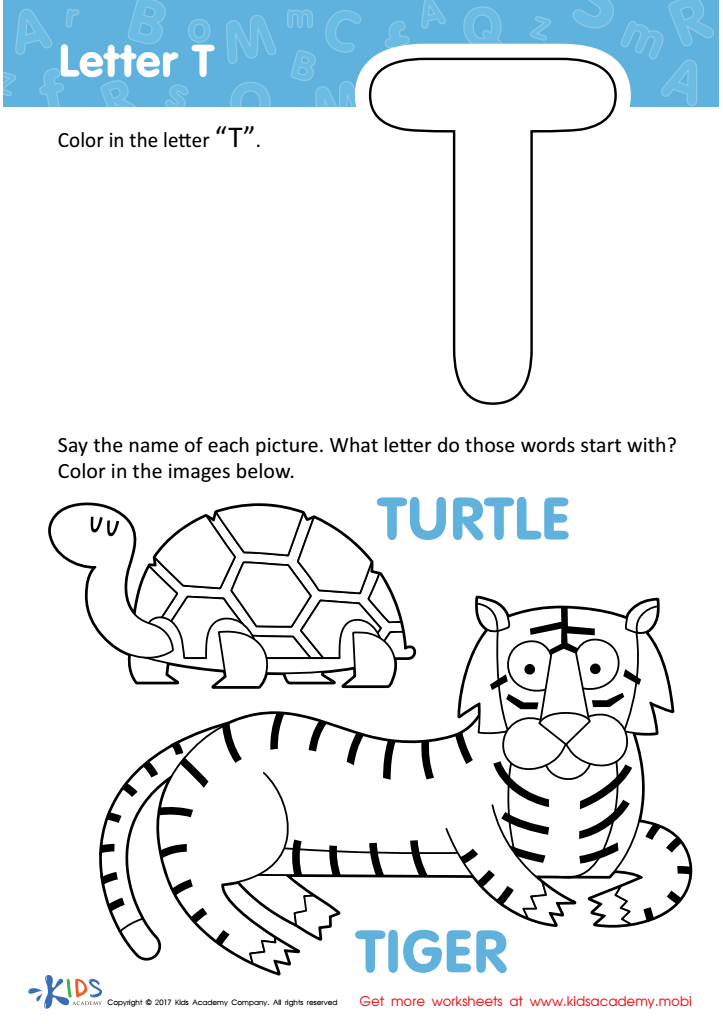
Letter T Coloring Sheet
 Assign to My Students
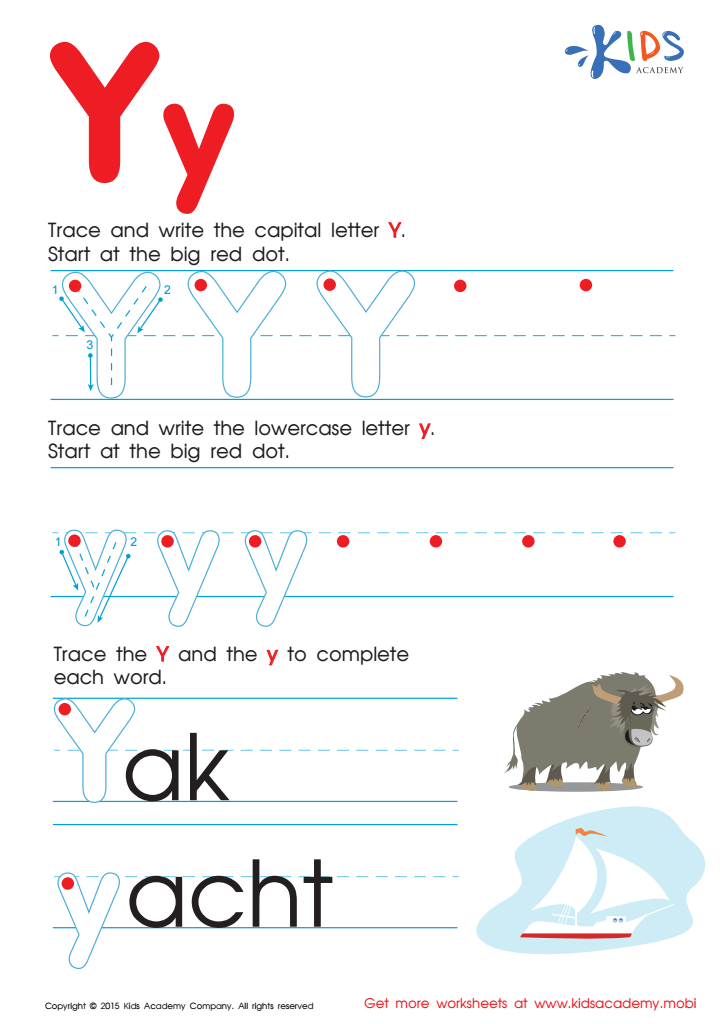
Letter Y Tracing Page
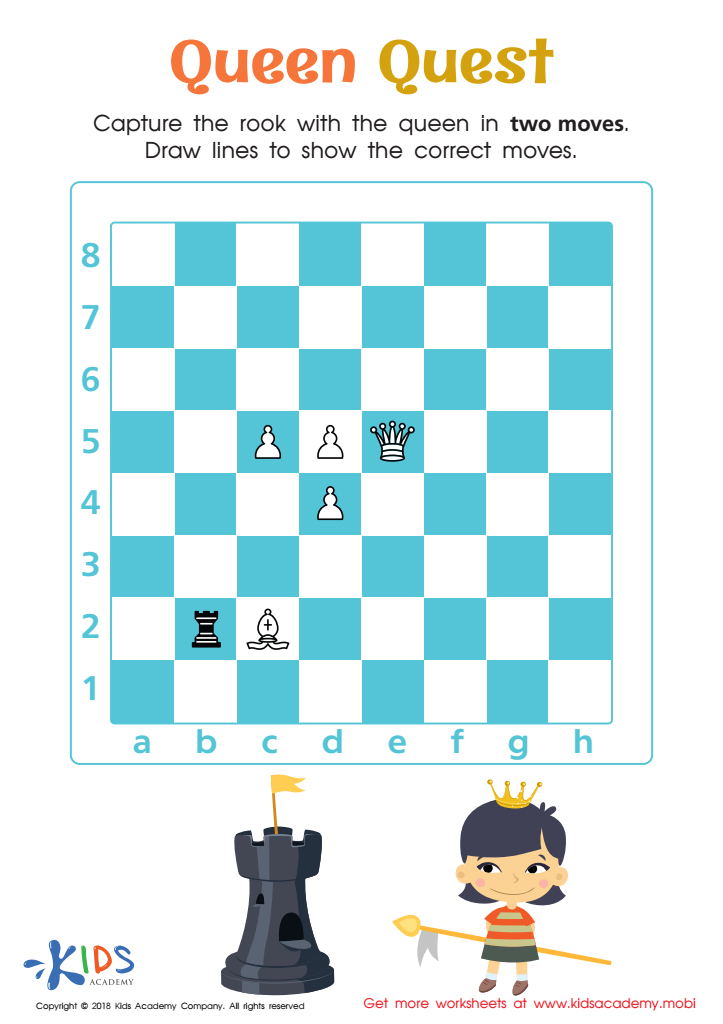
Queen Quest Worksheet
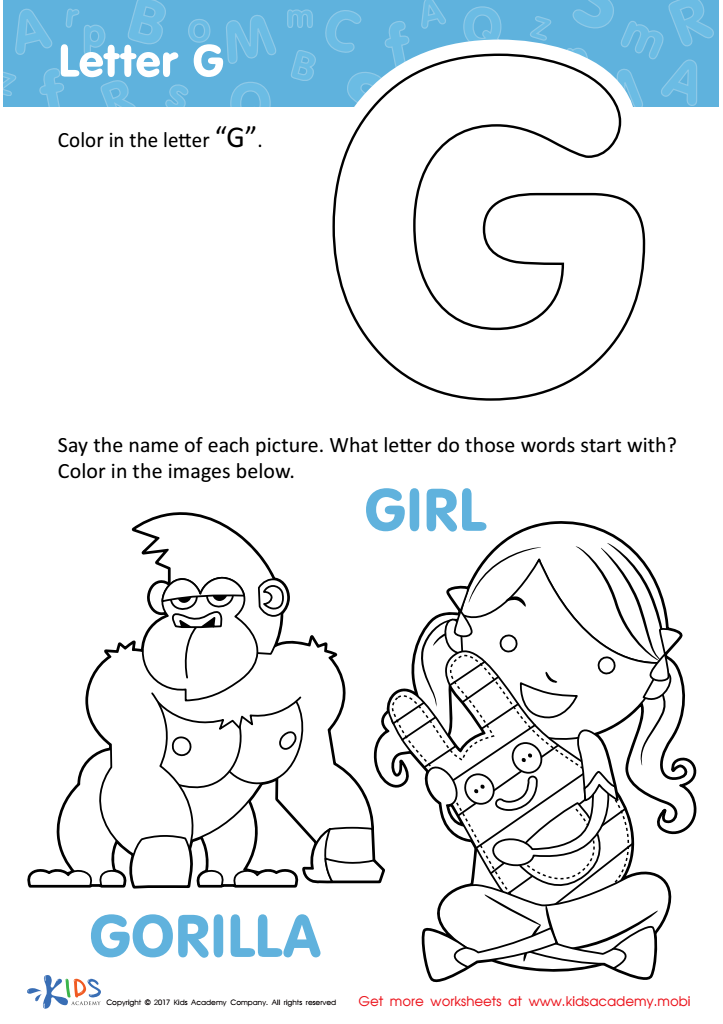
Letter G Coloring Sheet
Assign to My Students
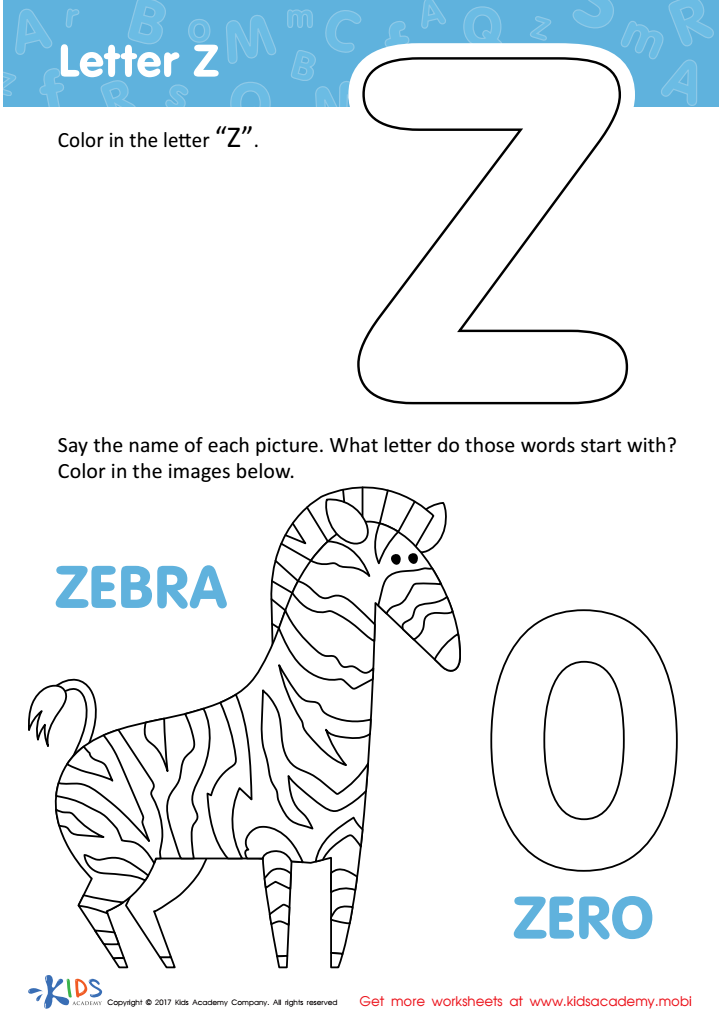
Letter Z Coloring Sheet
Assign to My Students




Sound association, also known as phonics, is a crucial component of literacy development, particularly in Grade 3 when children transition from "learning to read" to "reading to learn." At this stage, students should solidify their understanding of the relationship between letters and sounds, which helps them decode unfamiliar words independently.
Developing strong sound association skills allows children to improve their reading fluency. When students are proficient in phonics, they can read more quickly and accurately, allowing them to focus on comprehension rather than decoding each word. This fluency is essential for success across all subjects, as the ability to read well affects performance in science, social studies, and mathematics as well.
For parents and teachers, prioritizing phonics education ensures that children are equipped with the tools necessary for academic success. It fosters a love of reading by making the process less frustrating and more enjoyable. Additionally, strong phonics skills are linked to better spelling and writing, as children can apply their understanding of sound-letter relationships to their written work.
By caring about sound association, parents and teachers provide a solid foundation for lifelong learning, fostering a positive attitude toward education and ensuring that children have the skills to thrive in more advanced academic challenges.