Spatial awareness Grade 3 Worksheets
11 filtered results
-
From - To
Improve your child’s spatial intelligence with our Grade 3 Spatial Awareness Worksheets! These engaging, expertly designed printables help third-graders enhance their understanding of objects in space, develop critical math skills, and boost problem-solving abilities. Each worksheet offers fun, interactive exercises that involve puzzles, mazes, and activities focusing on directions, shapes, and symmetry. Perfect for both classroom use and at-home practice, these spatial awareness resources are invaluable for fostering a child’s visual perception and cognitive development. Download now and watch your child excel in spatial reasoning and beyond!
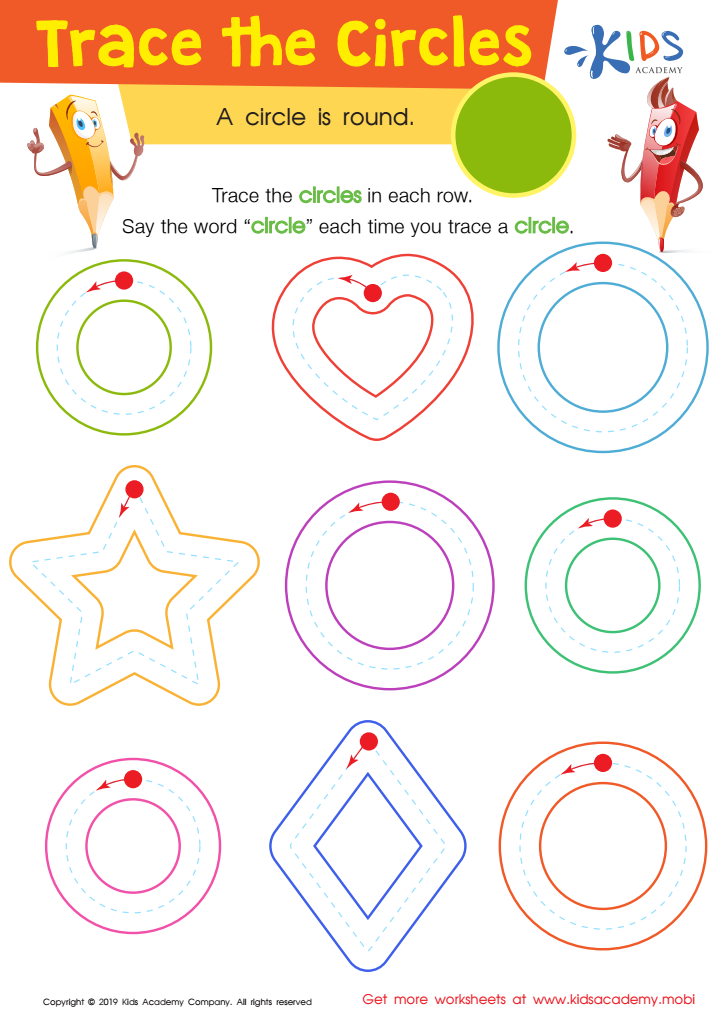
Trace The Circles Worksheet
 Assign to My Students
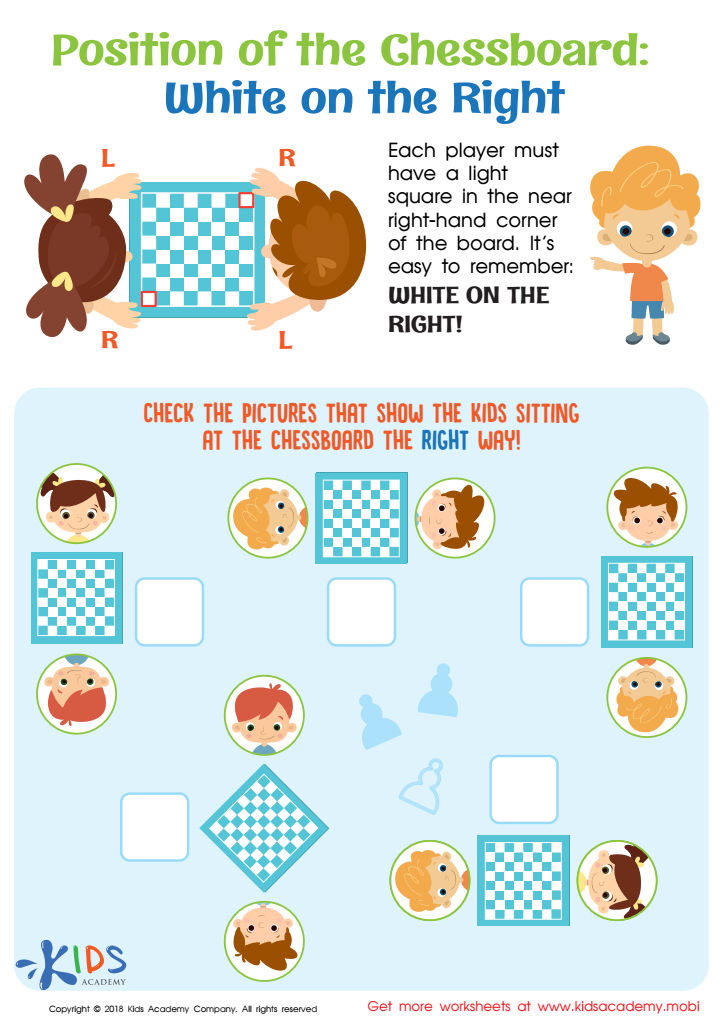
Position of the Chessboard: White on the Right Worksheet
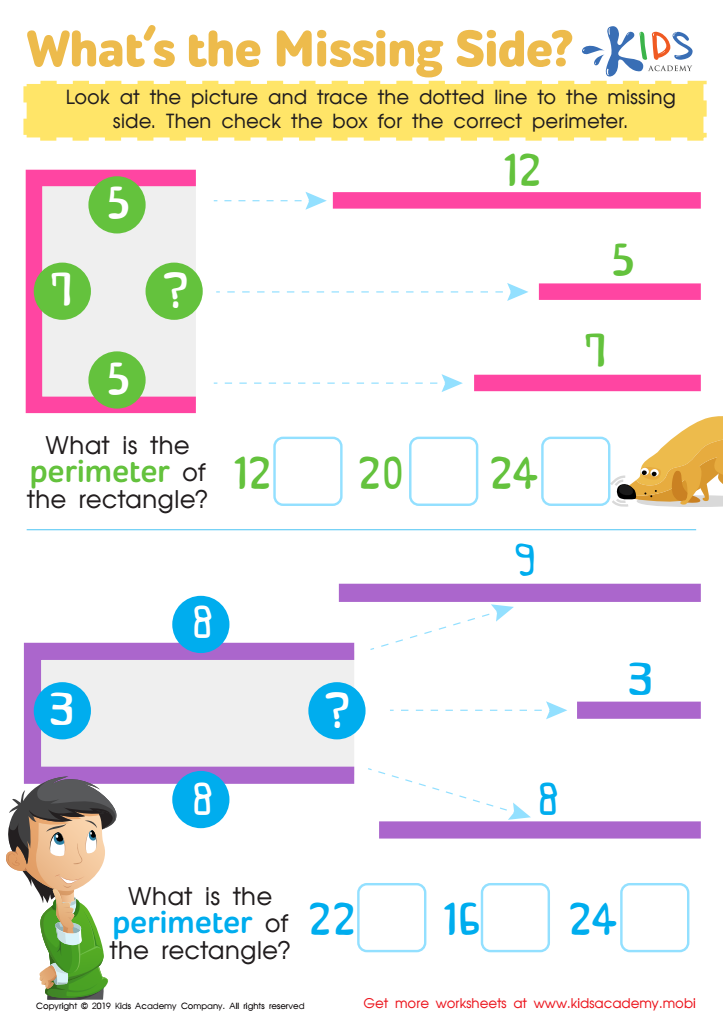
What's the Missing Side Worksheet
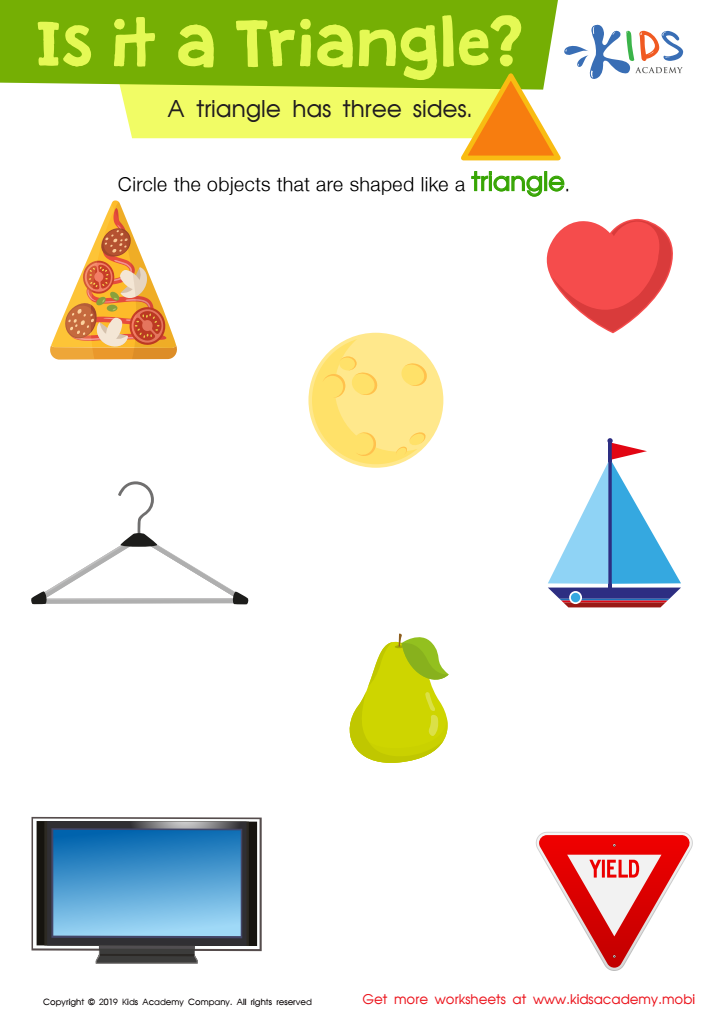
Is It a Triangle? Worksheet
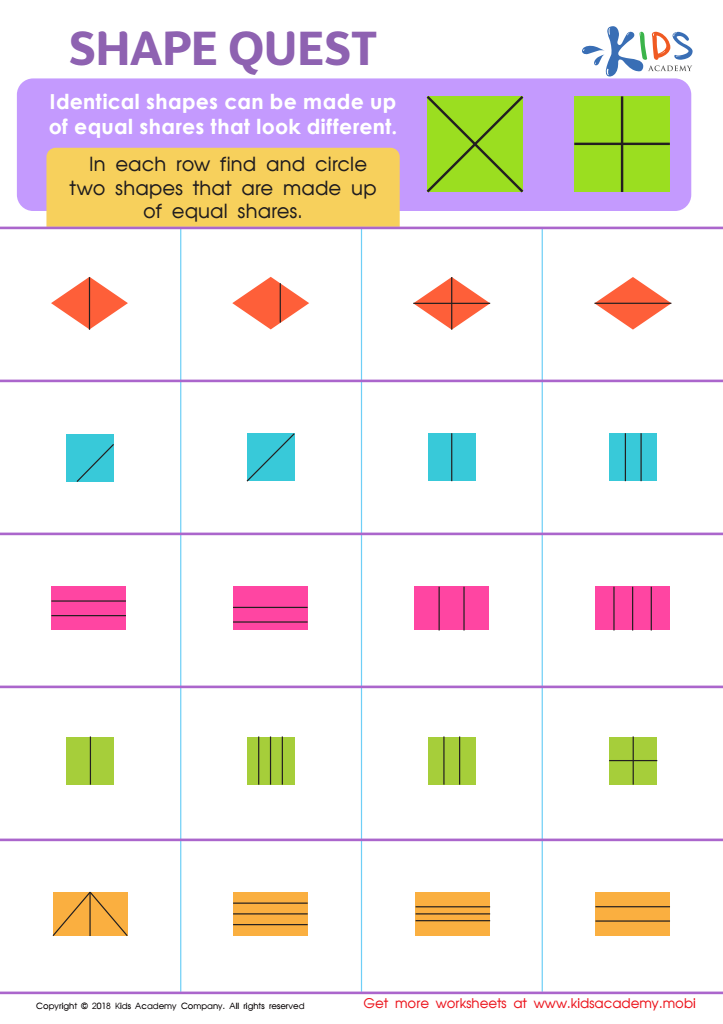
Shape Quest Worksheet
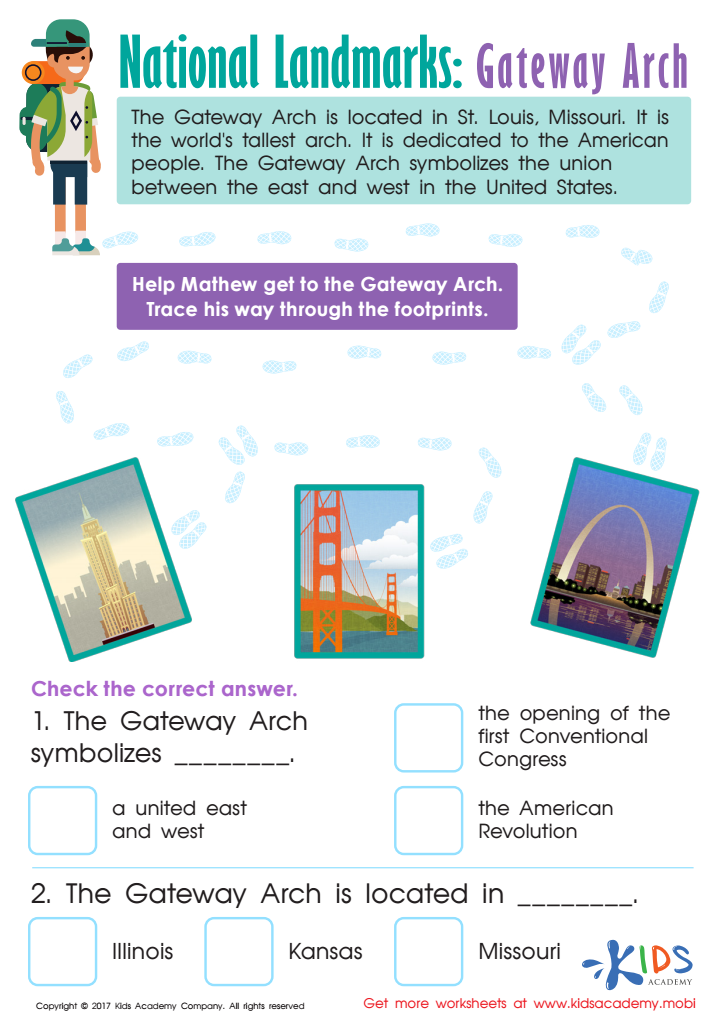
Gateway Arch Printable Worksheet
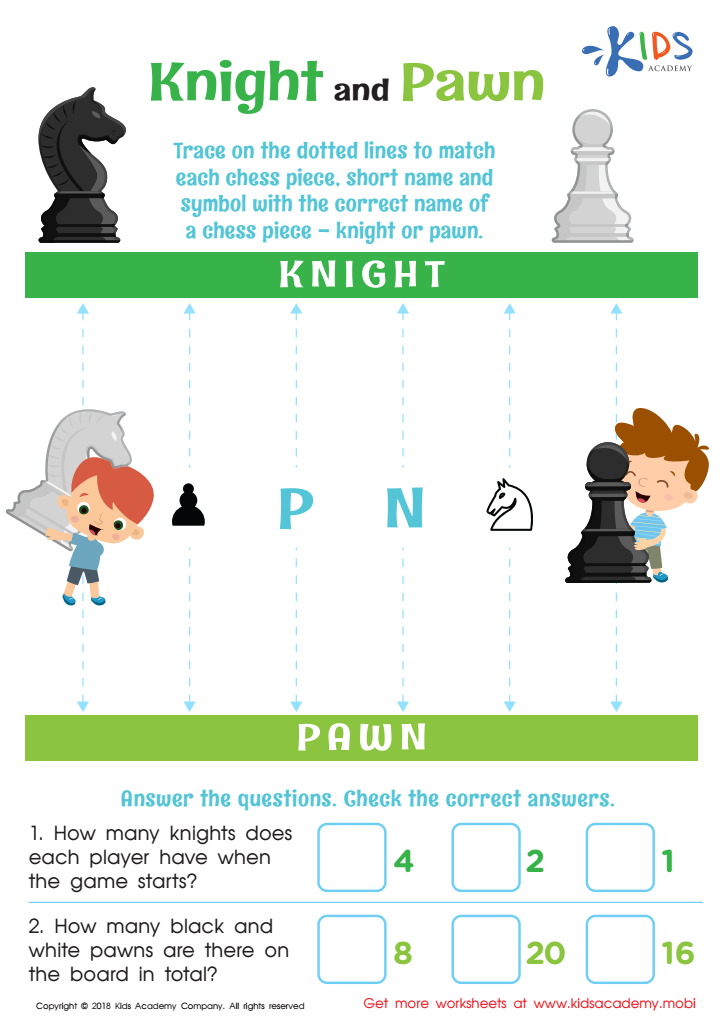
Knight and Pawn Worksheet
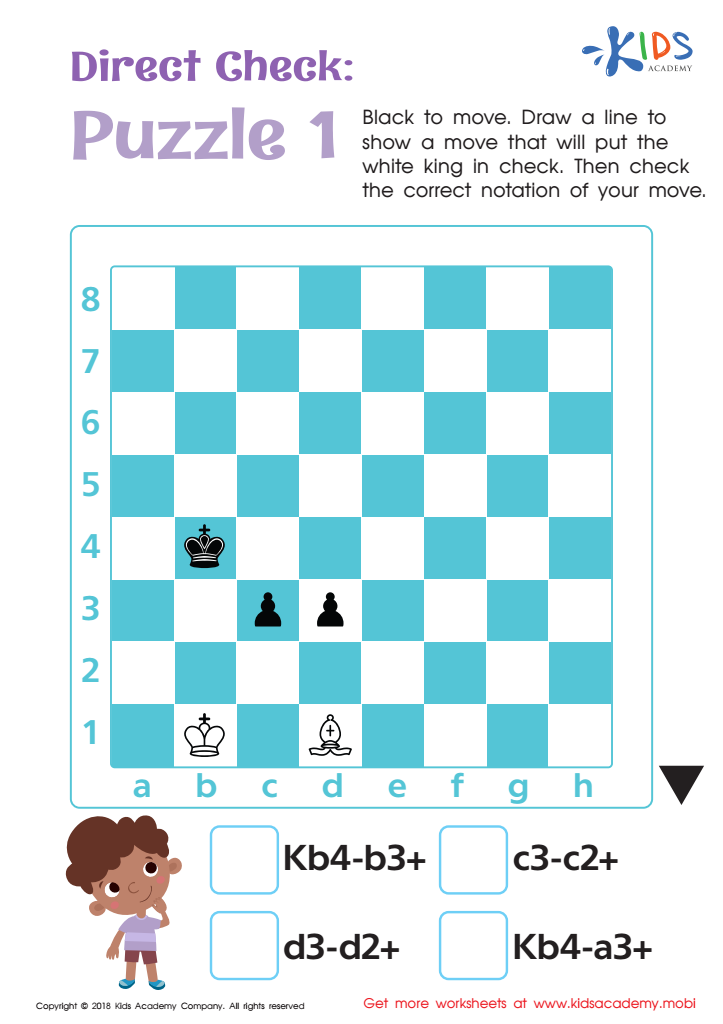
Direct Check: Puzzle 1 Worksheet
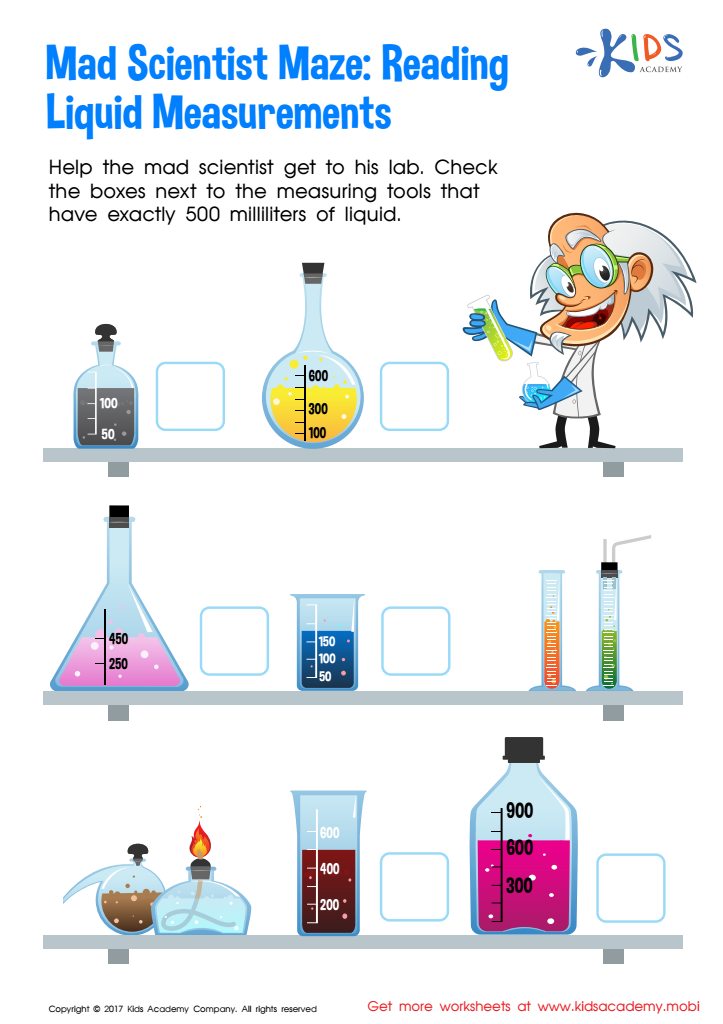
Reading Liquid Measurement Worksheet





Spatial awareness is crucial for children in Grade 3 as it underpins a wide array of essential skills that contribute to their academic and personal development. At this developmental stage, students learn to understand and explore the relationships between objects and their own physical positioning. This skill is integral for mathematics, as concepts like geometry, measurement, and understanding graphs rely heavily on the ability to visualize and manipulate shapes and spaces.
Moreover, spatial awareness aids in reading and writing. For instance, recognizing the spacing between words and distinguishing similar-looking letters enhances reading fluency and comprehension. Improved handwriting, which involves gauging spacing on paper, is another benefit that stems from strong spatial skills.
In daily life, spatial awareness enables children to navigate their physical environment confidently and safely. Simple tasks, such as organizing their belongings, playing sports, or even assembling puzzles, rely on spatial reasoning. This awareness also stimulates problem-solving abilities and critical thinking, as children learn to visualize potential solutions and outcomes.
When parents and teachers prioritize spatial awareness, they amplify a child’s cognitive growth, ensuring they are well-equipped for higher-level thinking and more complex subjects as they advance through education. Investing in activities that enhance these skills, such as building blocks, drawing, and interactive games, lays a strong foundation for a child's future learning and holistic development.