Understanding directions Grade 3 Worksheets
4 filtered results
-
From - To
Navigate through the world of spatial awareness and directional language with our "Understanding Directions Grade 3 Worksheets." Tailored for third graders, these printable worksheets are designed to enhance students' grasp of following, giving, and interpreting directions. Each activity focuses on fundamental skills such as left, right, forward, and backward, coupled with engaging exercises that promote critical thinking and problem-solving. Perfect for classroom use or home practice, these worksheets provide a fun, educational experience that helps children master the essentials of directionality, a key component of their cognitive and navigational development.
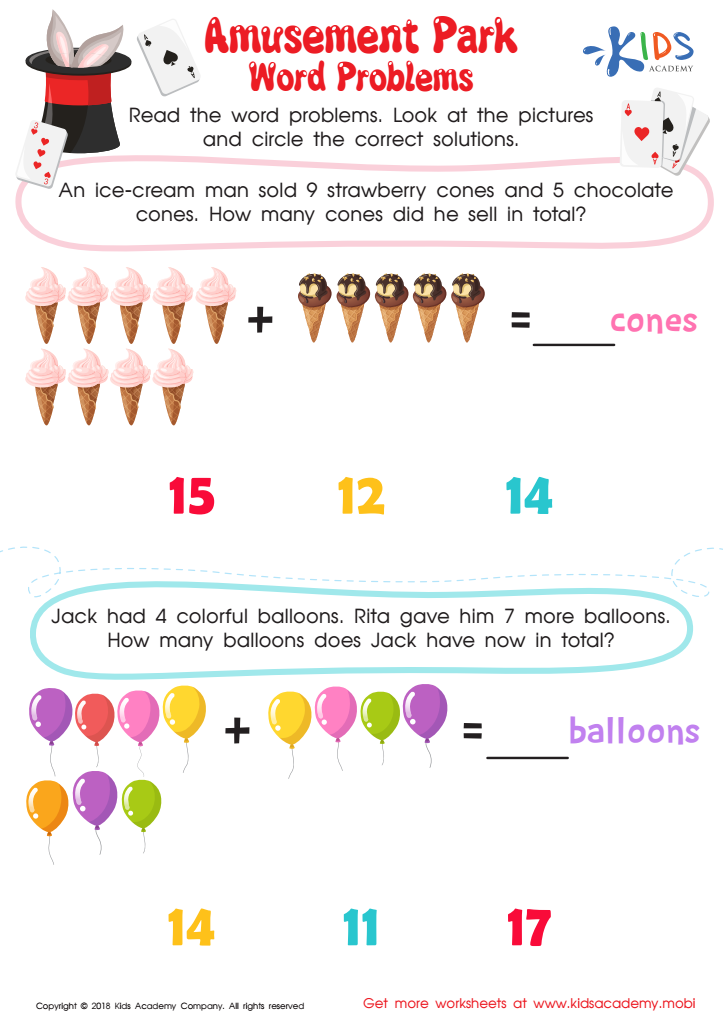
Amusement Park Word Problems Worksheet
 Assign to My Students
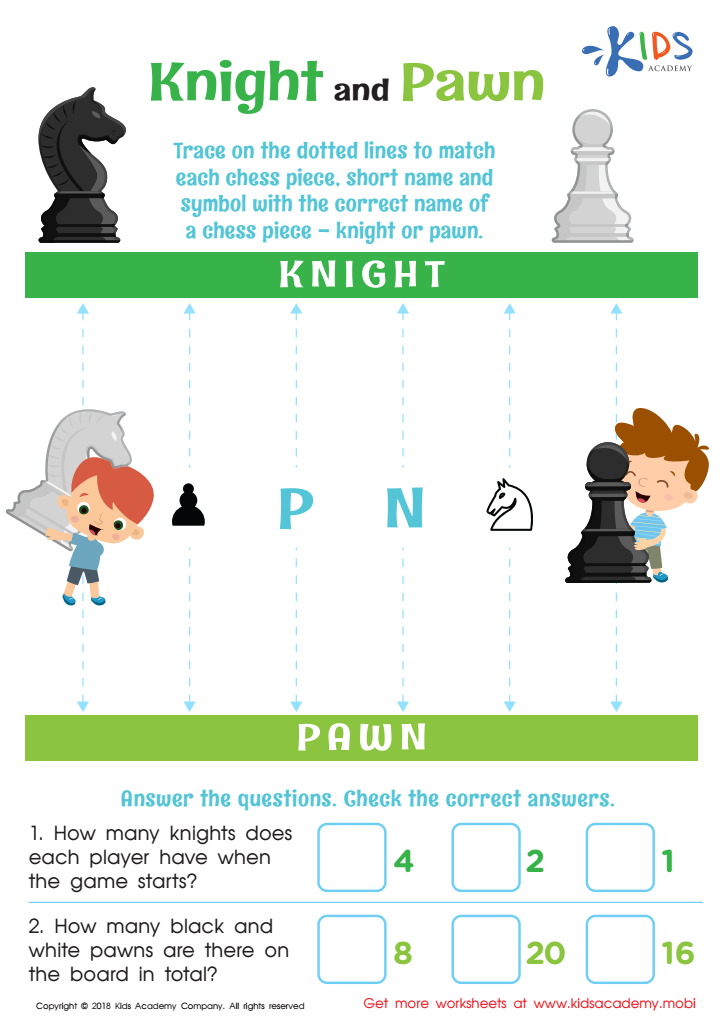
Knight and Pawn Worksheet





Understanding directions is a fundamental skill for third graders that underpins their success in both academic and real-world settings. For parents and teachers, recognizing the importance of this skill is crucial for several reasons.
Firstly, following directions accurately impacts a child's academic performance. Clear comprehension of instructions allows students to complete assignments correctly, participate effectively in classroom activities, and perform well on tests. This promotes a positive learning experience and builds confidence, fostering an encouraging educational environment.
Secondly, developing the ability to understand and follow directions enhances a child’s critical thinking and listening skills. It requires children to pay close attention, understand sequential steps, and internalize the information, which are vital cognitive processes that apply to a broad range of subjects and scenarios.
Moreover, understanding directions is key to social interactions and cooperative play, both integral parts of a child's development. It helps students navigate social cues, interact harmoniously with peers, and avoid misunderstandings that can lead to conflicts.
Lastly, safety is paramount. Children who can understand and follow directions are better equipped to handle emergency situations and adhere to safety protocols at school, like fire drills or classroom rules.
By emphasizing the importance of comprehending directions, parents and teachers contribute significantly to a child's holistic development, ensuring they grow into capable, thoughtful, and attentive individuals.