Understanding natural resources Grade 3 Worksheets
3 filtered results
-
From - To
Explore our engaging "Understanding Natural Resources Grade 3 Worksheets" designed to introduce young learners to the importance and types of natural resources. These worksheets provide interactive exercises that help students identify renewable and non-renewable resources and understand their role in everyday life. With vibrant illustrations and kid-friendly language, the activities promote critical thinking, enhance vocabulary, and encourage environmental awareness. Perfect for classroom use or at-home learning, these worksheets are tailored to support third graders in their exploration of geography and science, fostering a love for learning about our planet's treasures. Download now and encourage responsible stewardship of natural resources!
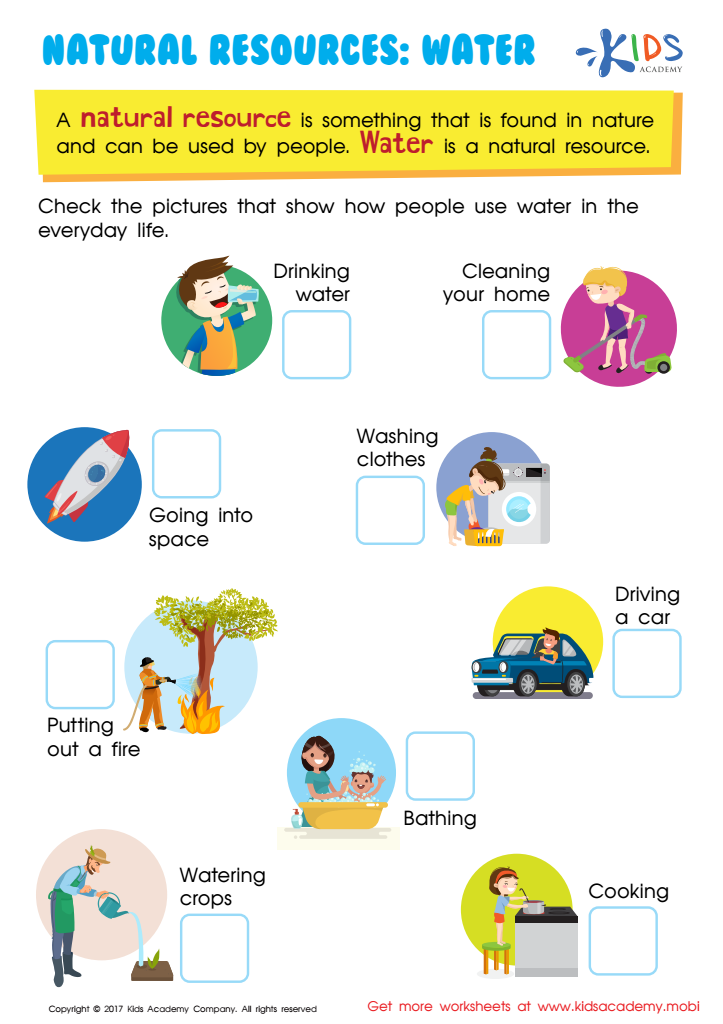
Natural Resources: Water Worksheet
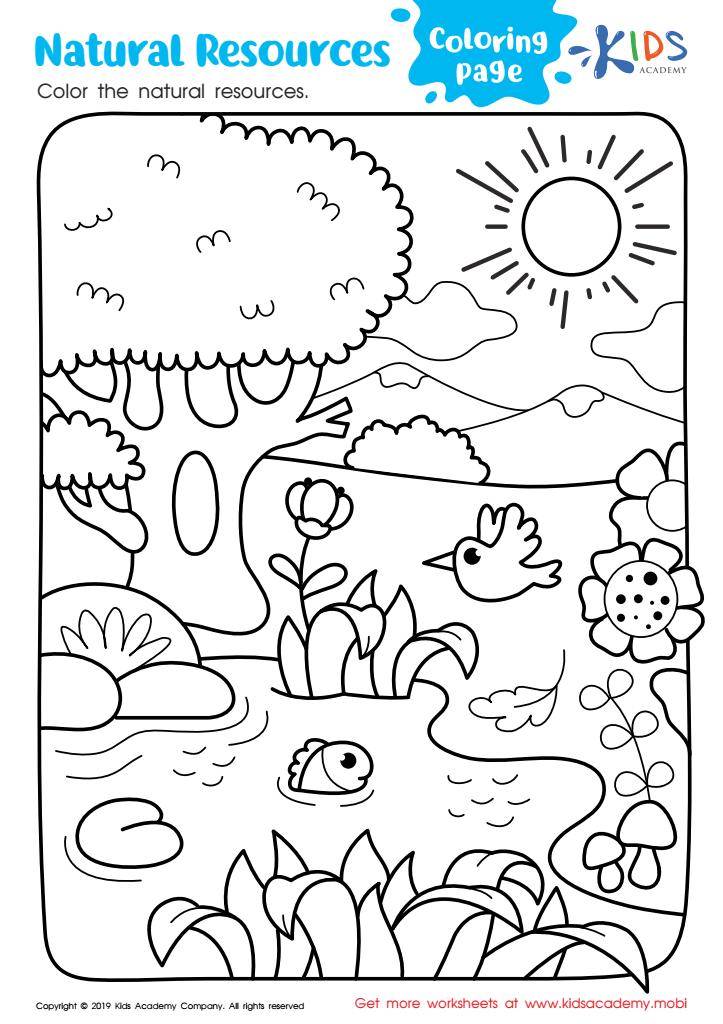
Natural Resources Coloring Page Worksheet
 Assign to My Students
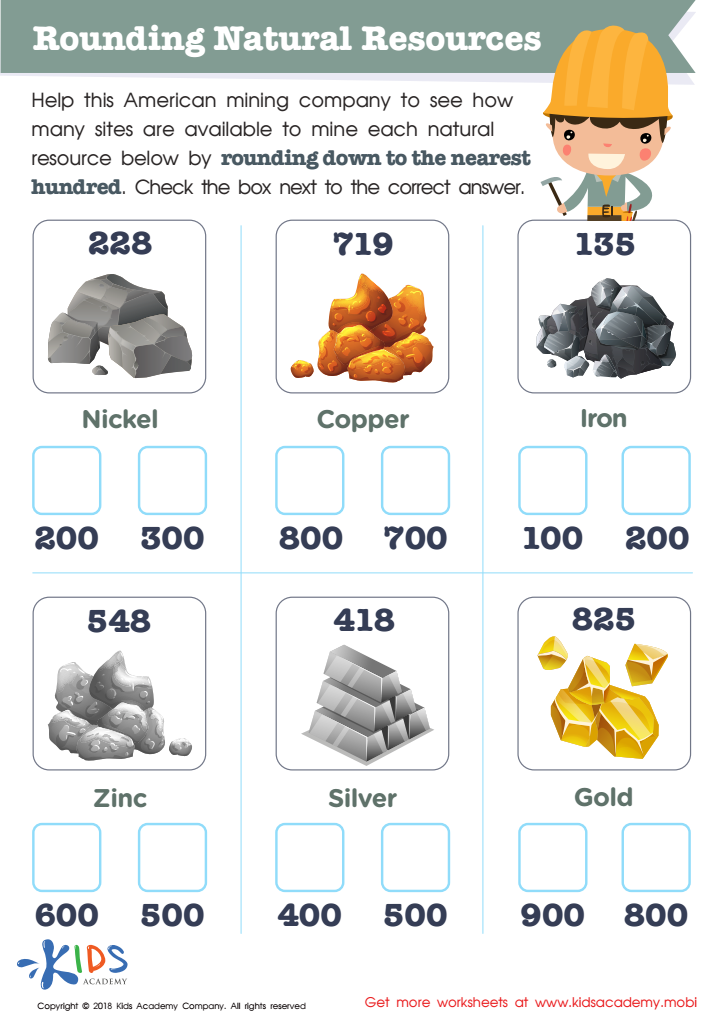
Rounding Natural Resources Worksheet





Understanding natural resources is crucial for Grade 3 students, as it lays the foundation for environmental awareness and responsible citizenship. At this age, children are developing their critical thinking skills and forming attitudes towards the world around them. Learning about natural resources—such as air, water, soil, forests, and minerals—helps them recognize their importance for survival and prosperity.
Parents and teachers should care because this knowledge empowers children to appreciate and protect the environment. By exploring the idea of conservation and sustainable practices early on, students can become mindful of how their everyday choices affect the planet. For example, understanding the benefits of recycling or conserving water encourages habits that contribute to a healthier ecosystem.
Moreover, learning about natural resources fosters inquiry and curiosity. Students can engage in hands-on activities, such as nature walks or simple experiments, making lessons interactive and memorable. These experiences can stimulate a passion for science and environmental stewardship, encouraging children to become advocates for change in the future.
Ultimately, instilling a sense of respect for natural resources in young learners promotes responsible behavior that can lead to a more sustainable and equitable world. Parents and teachers play a vital role in shaping these values.