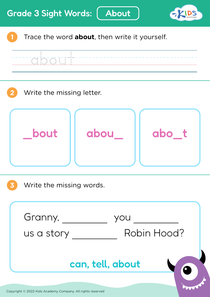
Understanding suffixes Grade 3 Worksheets
4 filtered results
-
From - To
Unlock your child's language potential with our "Understanding Suffixes" Grade 3 Worksheets. Tailored to enhance third graders' vocabulary and reading comprehension, these worksheets break down common suffixes, helping students understand how word endings change meaning. With engaging activities and kid-friendly designs, each worksheet will captivate young minds and bolster their spelling, grammar, and overall literacy skills. Guided explanations and examples ensure that learners not only complete the exercises but also grasp the underlying concepts. Perfect for classroom use or home study, our resources make mastering suffixes a breeze! Visit us to start enriching your child's educational journey today.
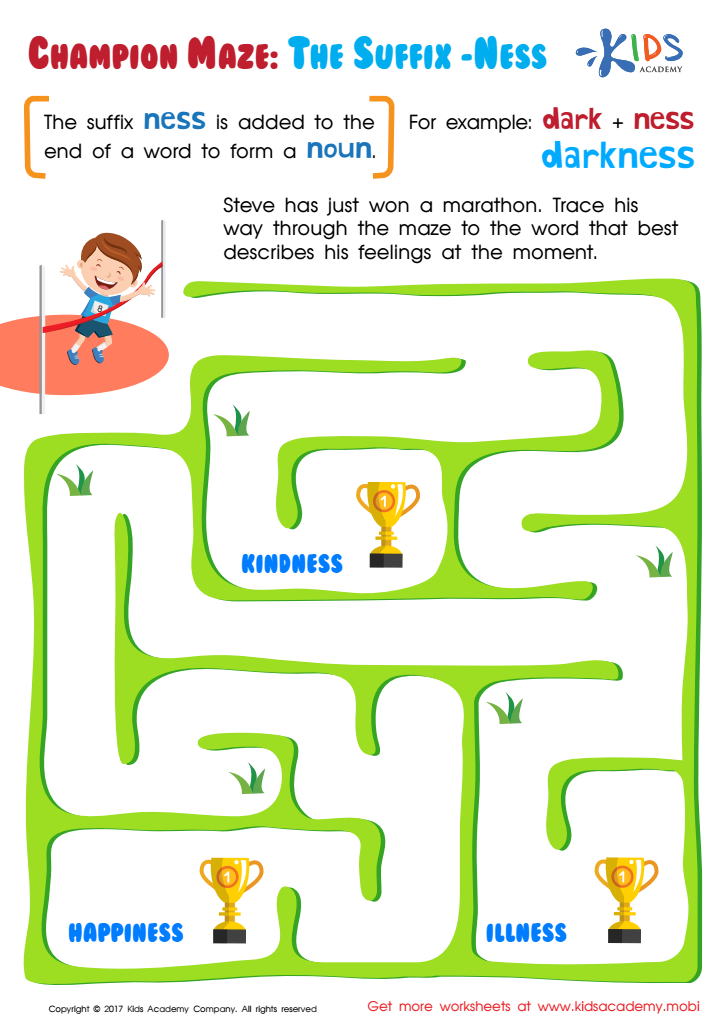
Suffix Ness Worksheet
 Assign to My Students
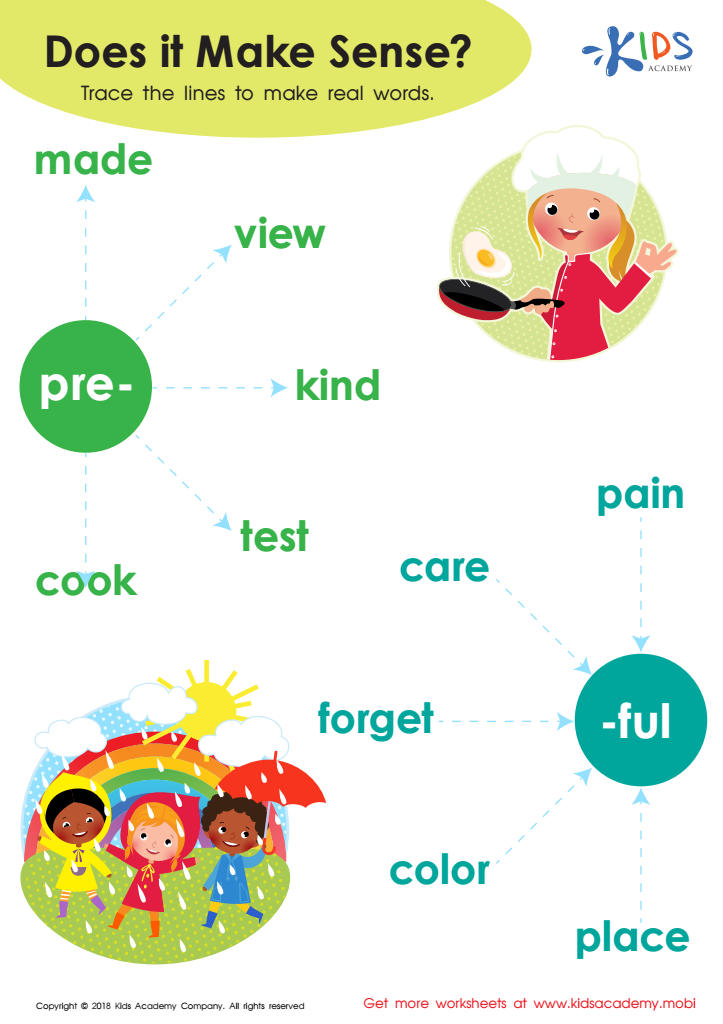
Prefix pre– and Suffix ful– Worksheet
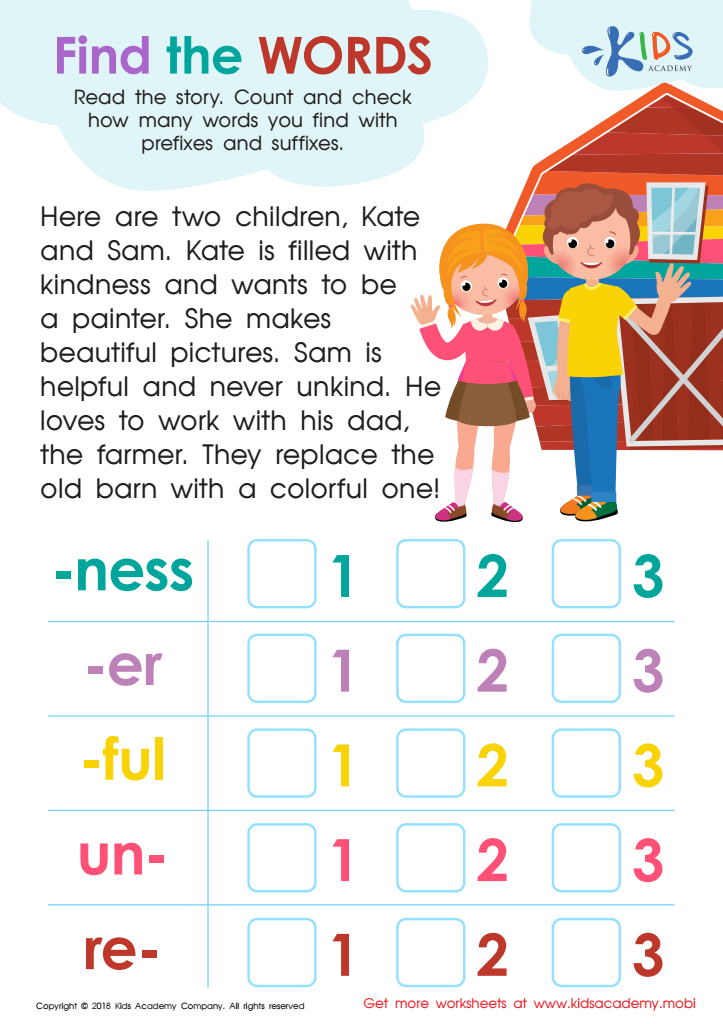
Prefix and Suffix Worksheet For Grade 3
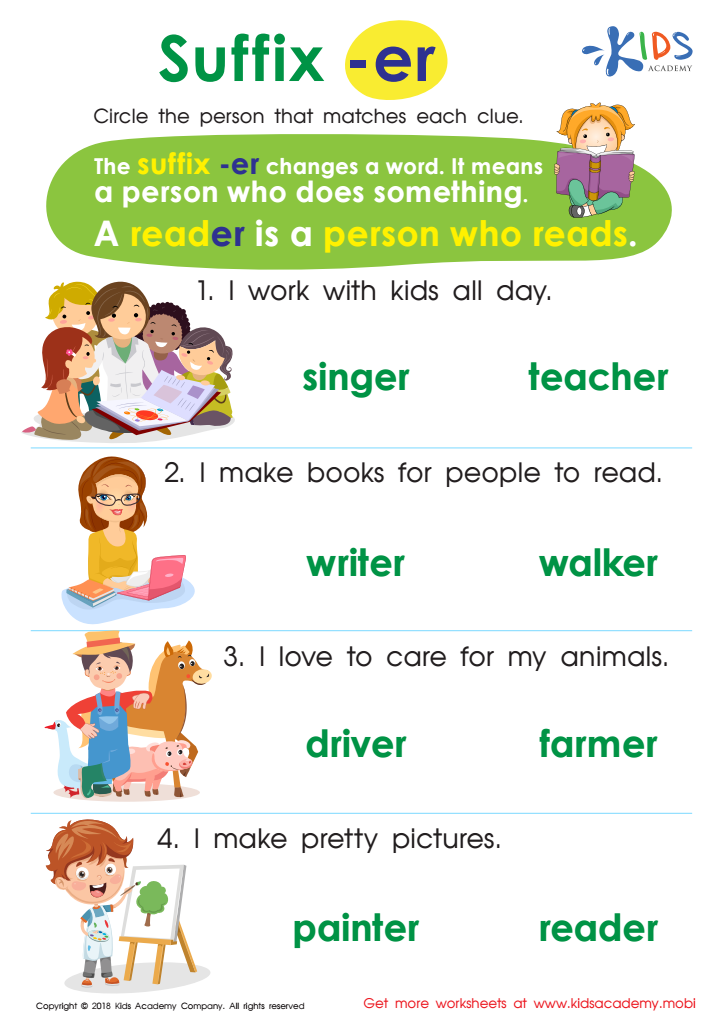
Suffix –er Printable Worksheet








Understanding suffixes is essential for third-grade students as it significantly enhances their language and literacy skills. For parents and teachers, fostering this understanding can lead to notable improvements in a child's reading and writing abilities. Suffixes, the word endings added to base words, adapt the meaning and create variations like plurals, tenses, and parts of speech. For instance, adding “-ed” to “walk” shows past tense, while “-ful” to “joy” forms an adjective like “joyful.”
Mastering suffixes aids in deciphering unfamiliar words. When third-graders encounter new words while reading, the suffix can provide vital context clues to determine the word's meaning. This improves vocabulary and comprehension, making reading more enjoyable and less challenging.
In addition, suffixes enhance spelling and phonetic skills. Recognizing patterns associated with specific suffixes helps students predict and spell complex words correctly. This bolsters their overall writing capabilities.
Moreover, understanding suffixes contributes to grammatical accuracy. Third-graders learn how words shift categories—nouns to adjectives or verbs—and adhere to proper tense. Such knowledge boosts grammatical fluency.
Overall, early competence with suffixes lays a solid foundation for advanced literacy, equipping students with the tools they need for academic success and coherent communication. Parents and teachers should prioritize this aspect of language learning to cultivate well-rounded, proficient young readers and writers.