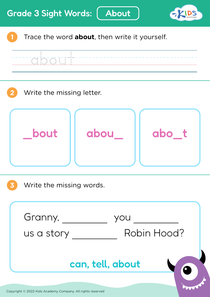
Vocabulary expansion Grade 3 Worksheets - Page 3
55 filtered results
-
From - To
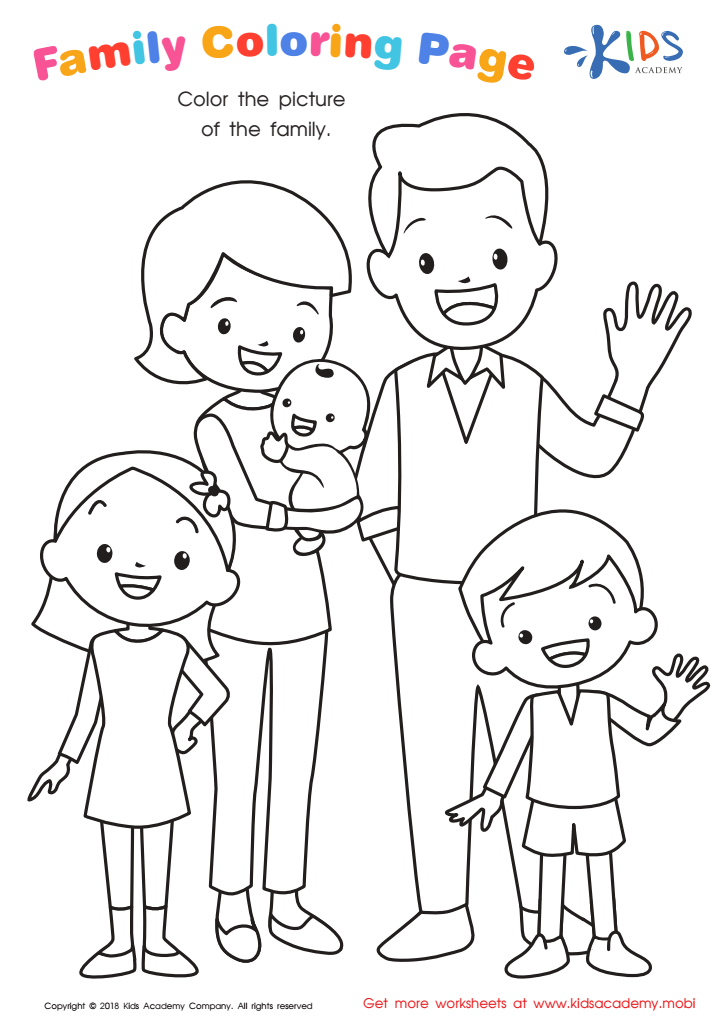
Family Coloring Page
 Assign to My Students
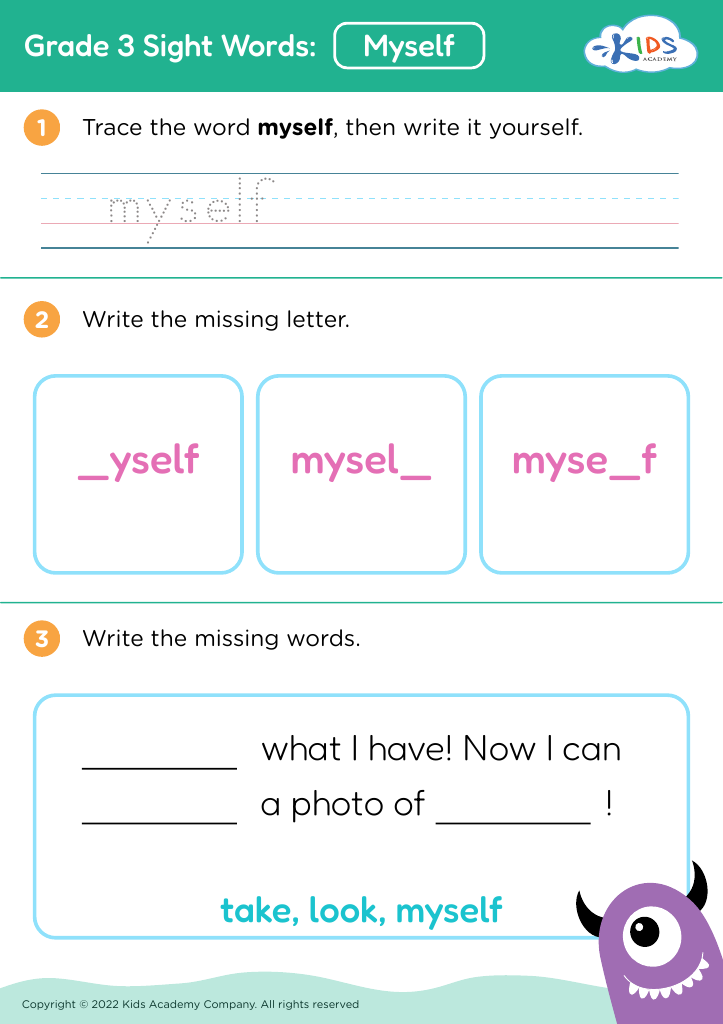
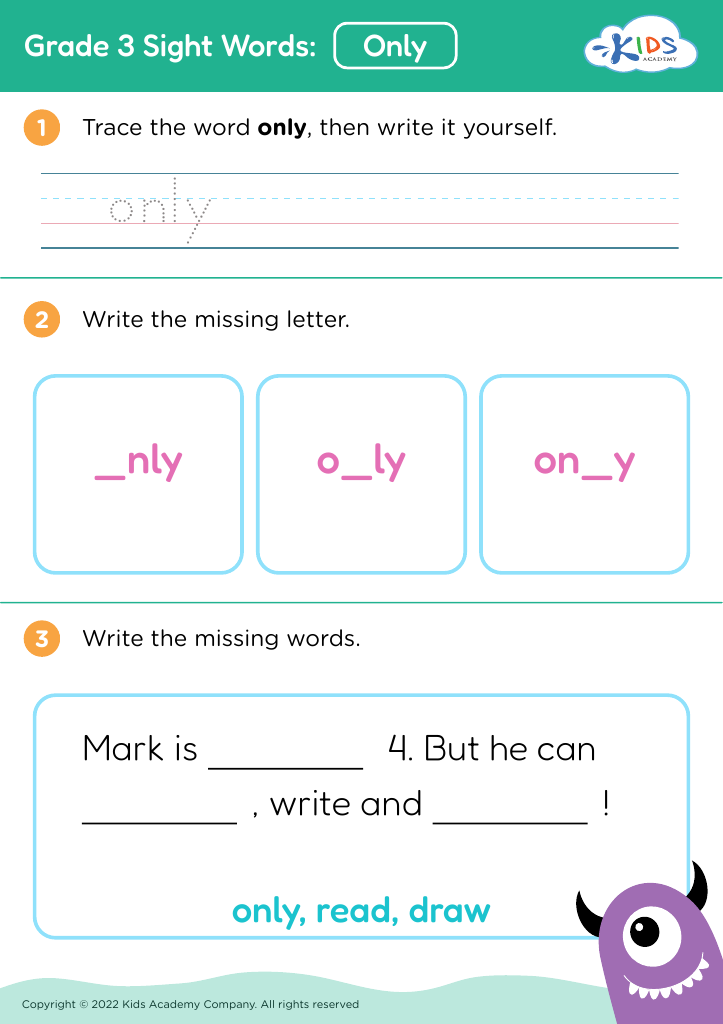







Vocabulary expansion in third grade is pivotal for both parents and teachers to prioritize, as it forms the cornerstone for literacy development and academic success. At this stage, children transition from “learning to read” to “reading to learn,” where a rich vocabulary becomes essential for comprehension and expression. A broader vocabulary allows students to decode more complex texts, grasp deeper meanings, and understand nuanced concepts across subjects like math, science, and social studies.
Fostering a robust vocabulary enhances communication skills, enabling children to articulate their thoughts clearly and confidently. It also cultivates critical thinking, as young learners can better categorize, analyze, and synthesize information when they understand more words. Additionally, a strong vocabulary is linked to improved writing skills, as students can convey ideas more precisely and creatively.
Engagement in vocabulary-rich activities cultivates a lifelong love for reading, expands horizons, and prepares children for future academic challenges. From a social-emotional perspective, vocabulary development empowers children, giving them the tools to express emotions and interact more effectively with peers and adults. By caring about and investing in vocabulary expansion, parents and teachers can significantly influence a child's educational trajectory, instilling the capabilities needed for both academic and personal growth.