Logical Reasoning Grade 3 Addition and Subtraction Word Problems Worksheets
5 filtered results
-
From - To
Unlock your child's potential with our Grade 3 Logical Reasoning Addition and Subtraction Word Problems Worksheets! Specifically designed for young learners, these engaging worksheets challenge students to think critically and apply their math skills in real-world scenarios. Each problem encourages analytical thinking, helping kids develop the ability to interpret information and solve complex addition and subtraction questions. Perfect for reinforcing classroom learning or providing extra practice at home, these resources make mastering logical reasoning fun and interactive. Watch your third grader build confidence in their math abilities while enhancing their problem-solving skills. Download the worksheets today and inspire a love for learning!
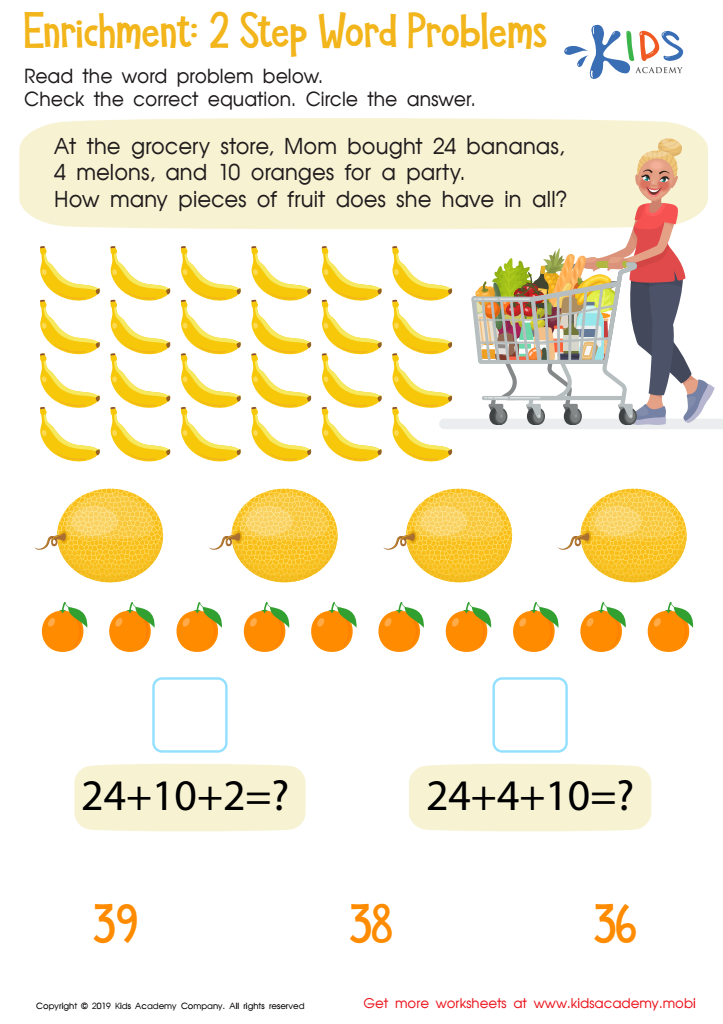
Enrichment -2 Step Word Problems Worksheet
 Assign to My Students
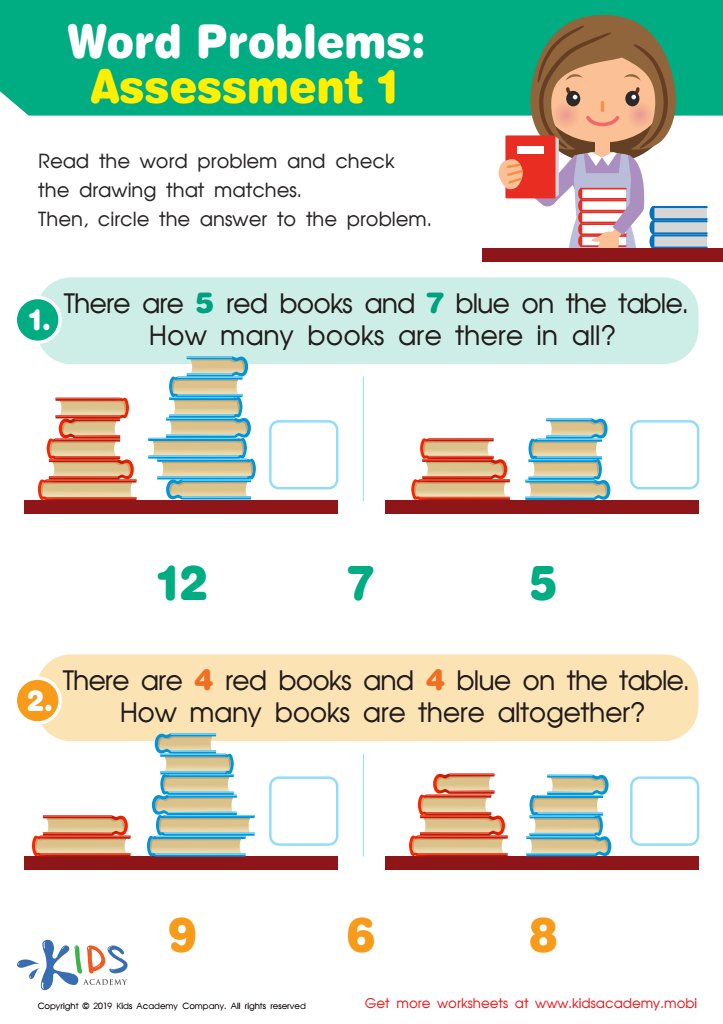
Word Problems: Assessment 1 Worksheet
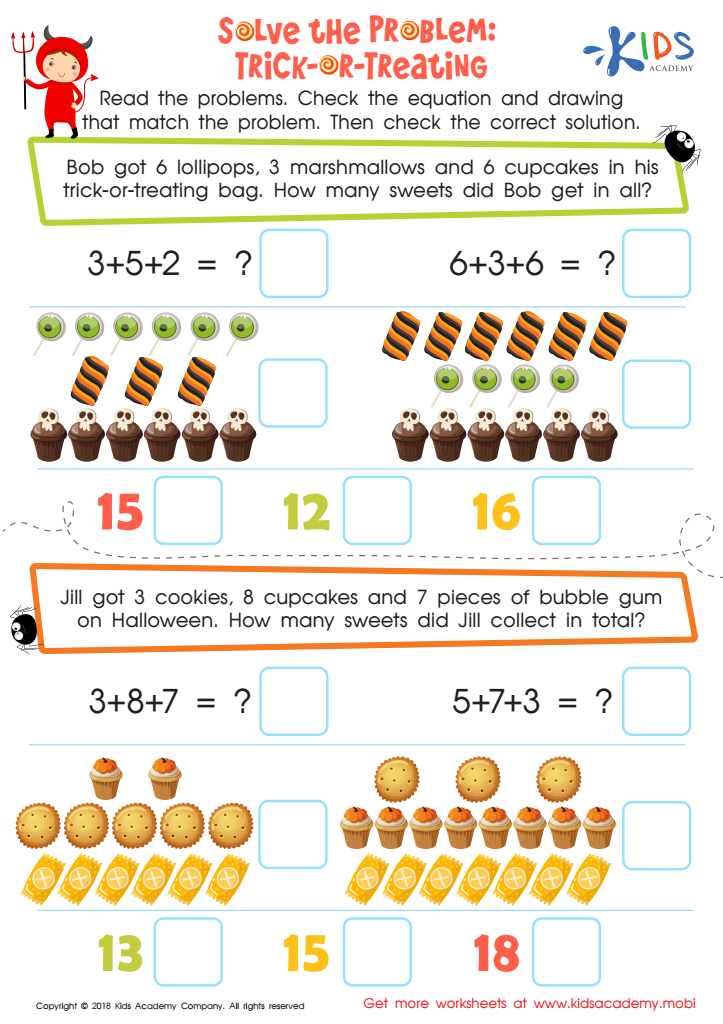
Solve the Problem: Trick–or–treating Worksheet
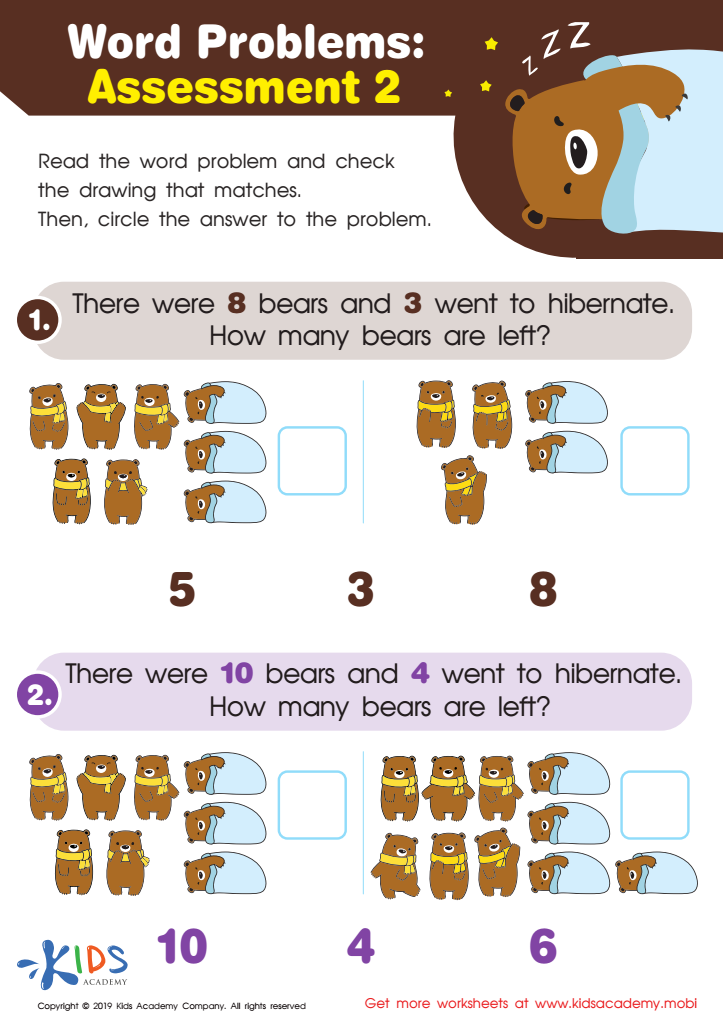
Word Problems: Assessment 2 Worksheet
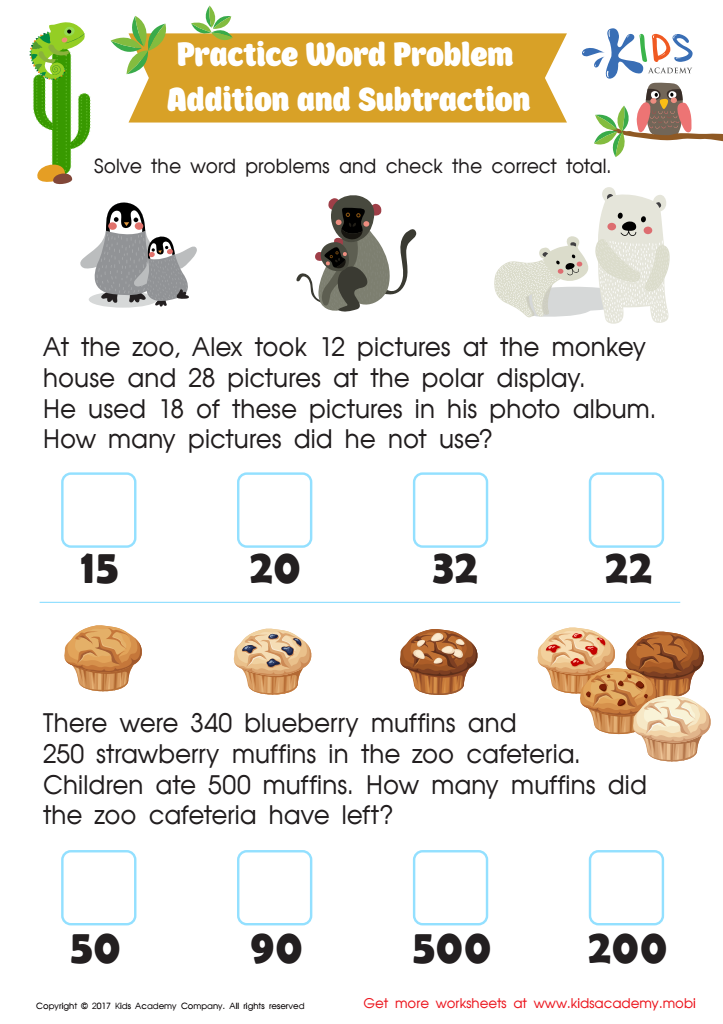
Addition and Subtraction: Word Problems Worksheet








Logical reasoning through addition and subtraction word problems is essential for third graders as it forms the foundation for critical thinking and problem-solving skills. At this age, children transition from concrete arithmetic to more abstract applications of math. Engaging with word problems encourages them to read carefully, comprehend scenarios, and translate real-life situations into mathematical expressions.
Parents and teachers should care about these skills because they promote not just mathematical fluency, but also enhance reading comprehension and analytical thinking. When children tackle word problems, they learn to identify relevant information, dismiss extraneous details, and follow logical steps to arrive at solutions. This type of reasoning transcends mathematics, preparing students for challenges in various subjects and everyday decision-making.
Moreover, proficiency in logical reasoning fosters a positive attitude towards math, reducing anxiety and building confidence in their abilities. It helps children learn persistence and resilience, as they may encounter problems that require multiple attempts to solve. By supporting logical reasoning in addition and subtraction word problems, parents and teachers equip students with versatile skills they can apply in real-world contexts, establishing a pathway toward academic success and lifelong learning.