Number comprehension Grade 3 Addition and Subtraction Word Problems Worksheets
6 filtered results
-
From - To
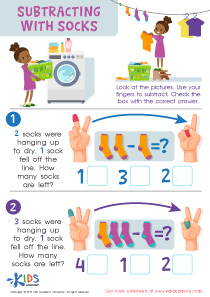
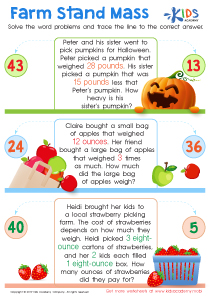
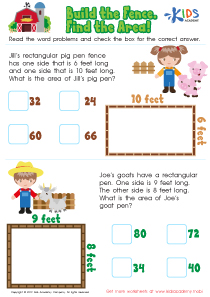
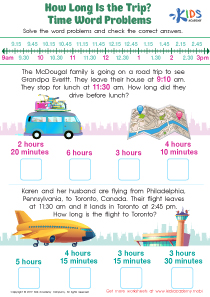
Enhance your child’s number comprehension skills with our Grade 3 Addition and Subtraction Word Problems Worksheets. Designed to challenge and engage, these worksheets provide a variety of real-life scenarios that require students to apply their addition and subtraction knowledge. Perfect for reinforcing classroom learning, each worksheet helps develop critical thinking and problem-solving abilities. With colorful graphics and relatable contexts, your child will enjoy sharpening their math skills while building confidence. Ideal for both classroom use and home practice, these worksheets are an essential resource for any third-grade math curriculum. Download now and watch your child’s mathematical abilities flourish!
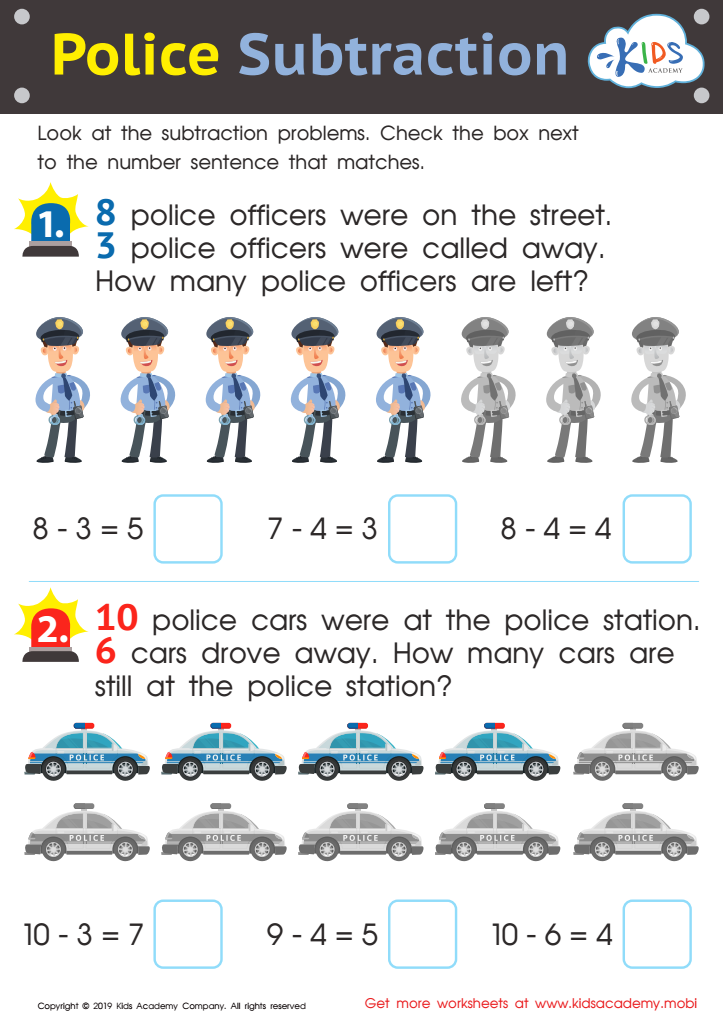
Police Subtraction Worksheet
 Assign to My Students
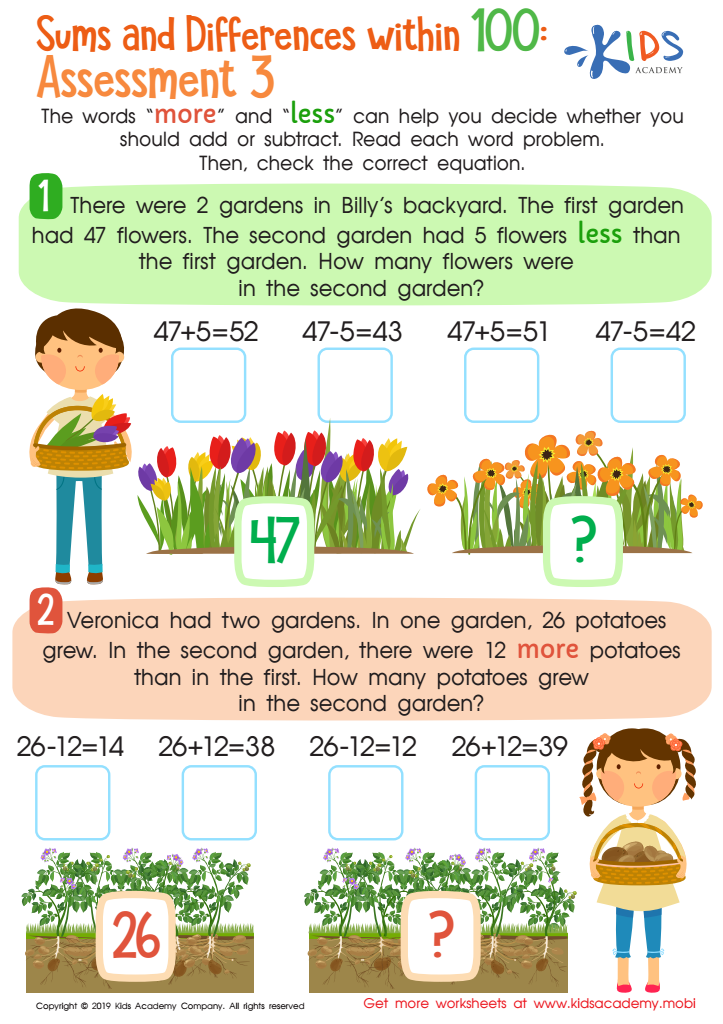
Sums and Differences Within 1 - Assessment 1 Worksheet
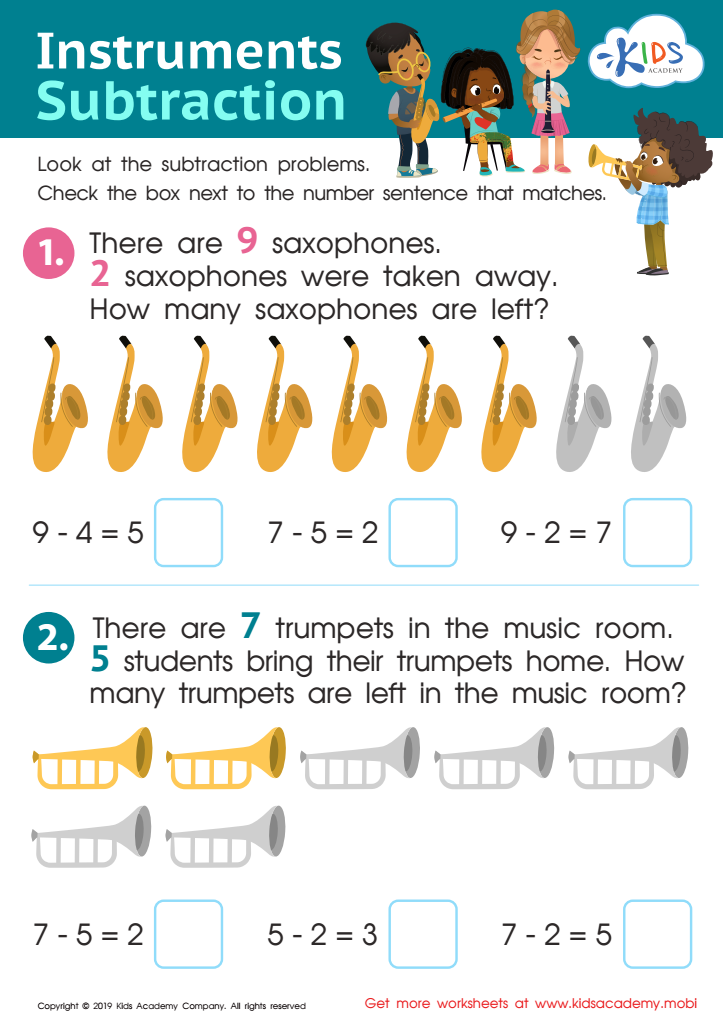
Instrument Subtraction Worksheet
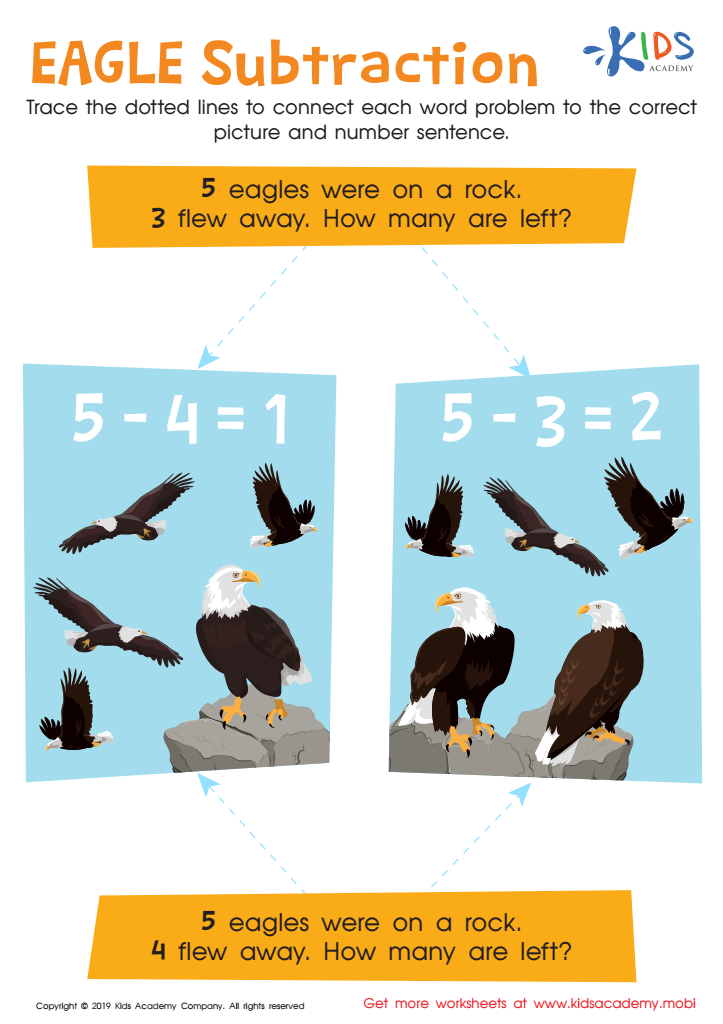
Eagle Subtraction Worksheet
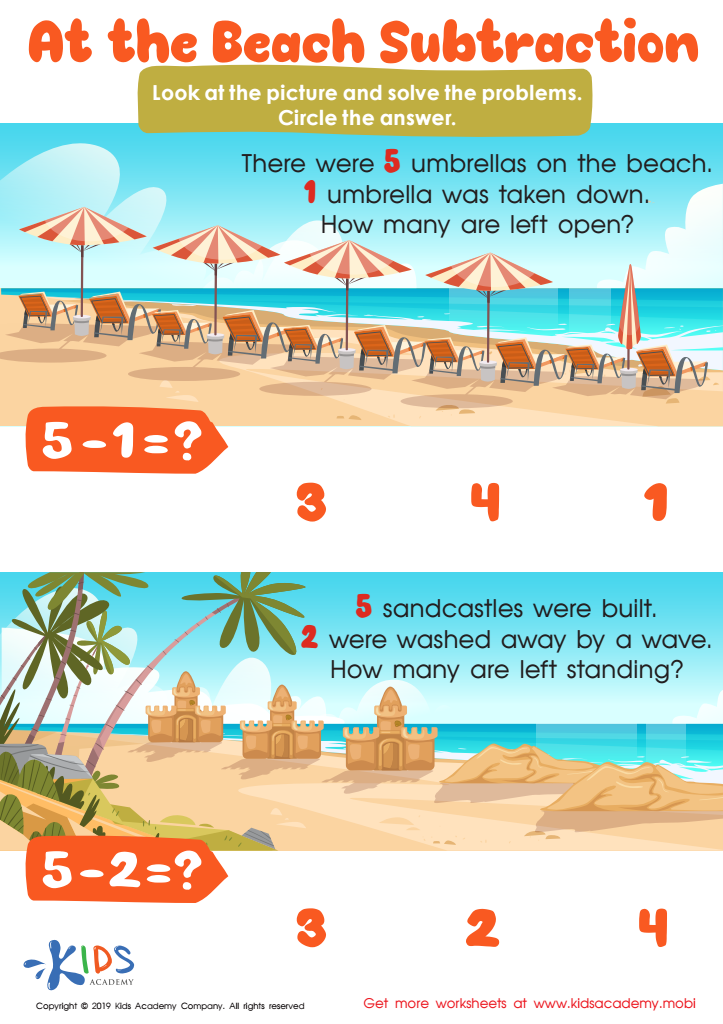
At the Beach Subtraction Worksheet
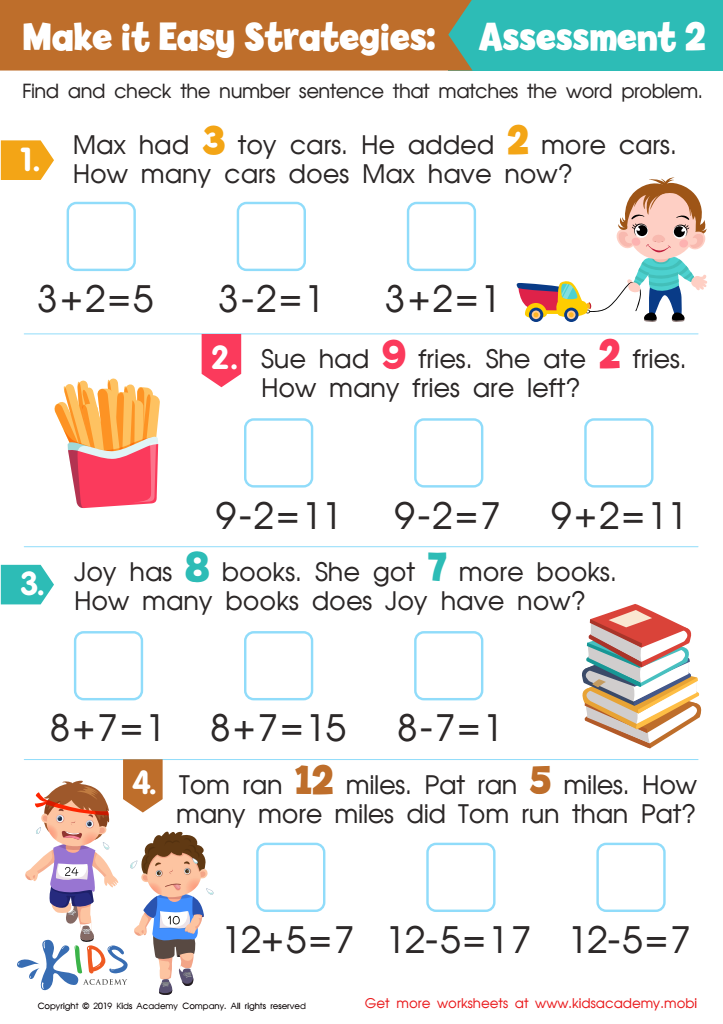
Make it Easy Strategies: Assessment 2 Worksheet








Number comprehension and proficiency in addition and subtraction word problems are essential components of mathematical literacy in third grade. These skills are foundational for several reasons. Firstly, they serve as a cornerstone for future learning; a child's ability to solve word problems is directly linked to success in more advanced math topics, including multiplication, division, fractions, and algebra. By mastering these skills early, children develop a solid mathematical base that facilitates easier comprehension of complex concepts later on.
Secondly, understanding word problems enhances reading comprehension and analytical thinking skills. When children read a word problem, they must grasp the context, determine the relevant information, and identify the correct operations needed to find the solution. This process exercises their critical thinking and problem-solving abilities, skills that are valuable not only in math class but across all academic disciplines.
Additionally, word problems mirror real-life situations. They help children see the practical application of math, fostering a deeper appreciation of the subject. This relevance can boost their motivation and enthusiasm for learning.
Finally, early success in math builds self-confidence. Children who feel confident in their mathematical abilities are more likely to participate in class, take on new challenges, and maintain a positive attitude towards learning, encouraging lifelong educational resilience.