Number identification Grade 3 Addition & Subtraction Worksheets
3 filtered results
Difficulty Level
Grade
Age
-
From - To
Subject
Activity
Standards
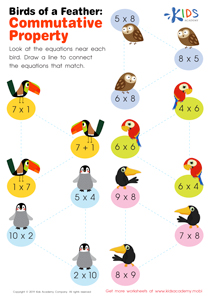
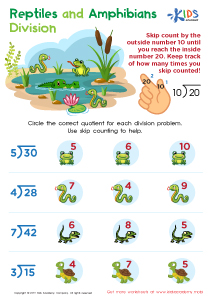
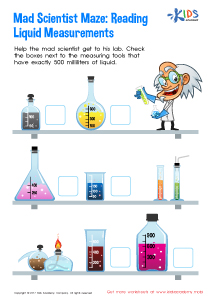
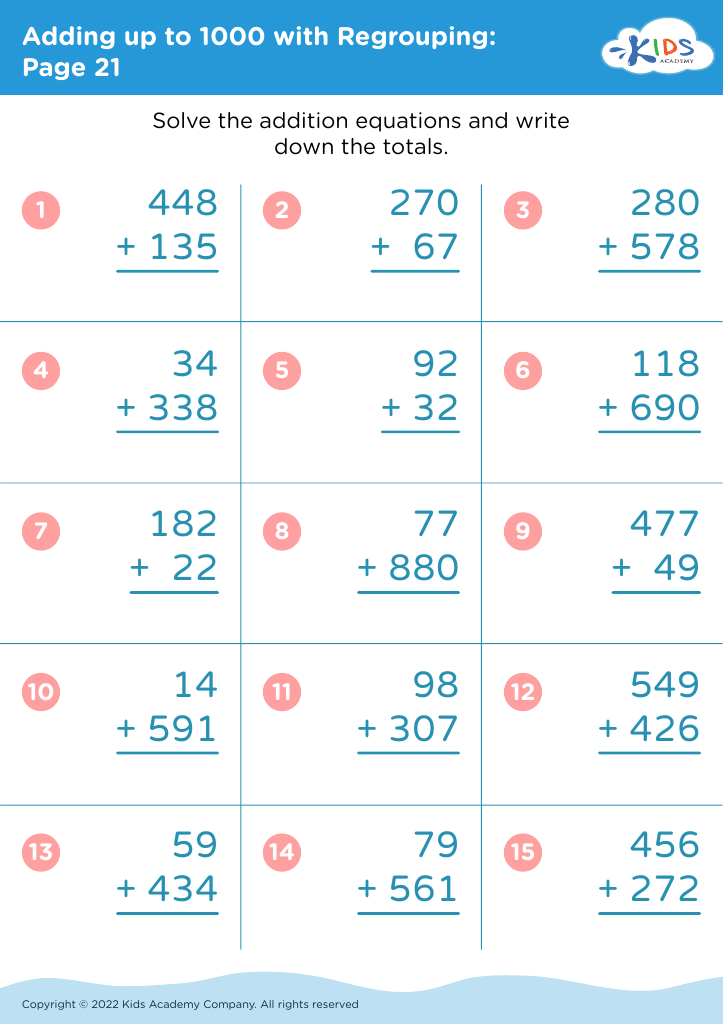
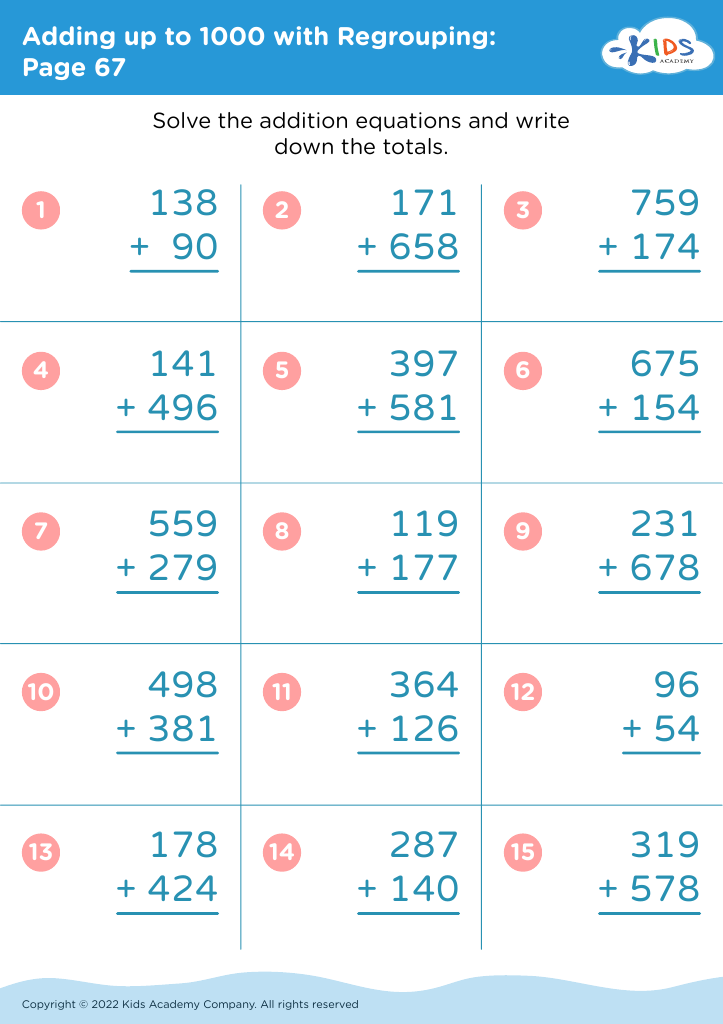
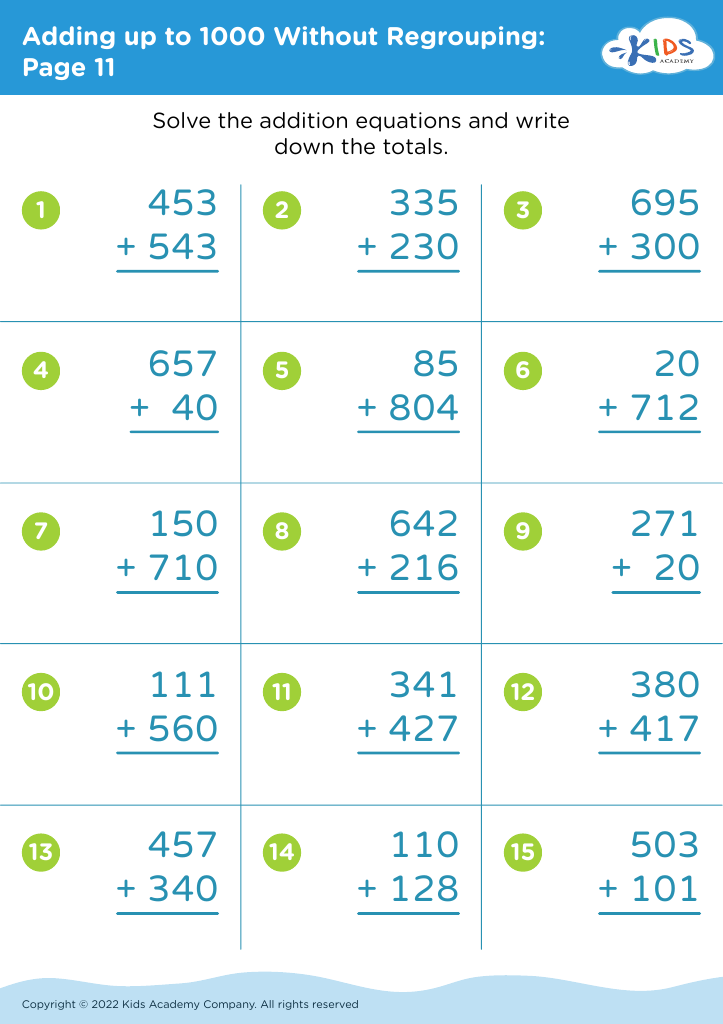
Enhance your child's math skills with our Number Identification worksheets designed for Grade 3 students. These engaging resources focus on mastering the fundamentals of addition and subtraction through interactive activities that promote number recognition. Tailored to meet the learning needs of third graders, our worksheets provide various exercises that challenge students while fostering confidence in their math abilities. Explore diverse problems that reinforce number identification, enabling young learners to build a solid foundation for future math concepts. Download our printable worksheets for a fun and effective way to ensure your child excels in their math journey!
Favorites
With answer key
Interactive
Join Kids Academy for Free
Who is primarily going to use this learning content?








Number identification and skills in addition and subtraction are foundational elements of early mathematics education, particularly in Grade 3. This stage is crucial, as students build on skills developed in earlier grades and prepare for more complex concepts in the future. Parents and teachers should care about these skills for several key reasons.
Firstly, mastering number identification enables students to confidently recognize quantities and understand the significance of numbers in everyday life. This skill not only supports academic success but also fosters essential life skills like budgeting or measuring.
Secondly, strong addition and subtraction proficiency is vital for higher-level math learning. These operations are the building blocks for more advanced mathematics, including multiplication, division, and even basic algebra. Without a solid grasp of these concepts, students may struggle as they progress through their education.
Finally, confidence in math affects a child's overall attitude toward learning. A strong foundation in number identification and arithmetic can enhance students' self-esteem, promoting a more positive engagement with all subjects. Therefore, by supporting students in mastering these essential skills, parents and teachers lay the groundwork for future academic success and a lifelong appreciation for mathematics.