Vocabulary Building Grade 3 Addition & Subtraction Worksheets
3 filtered results
-
From - To
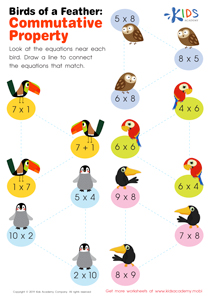
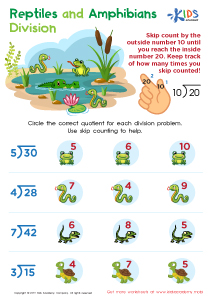
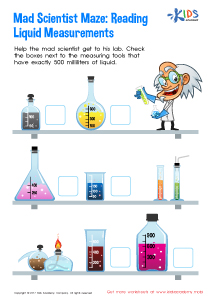
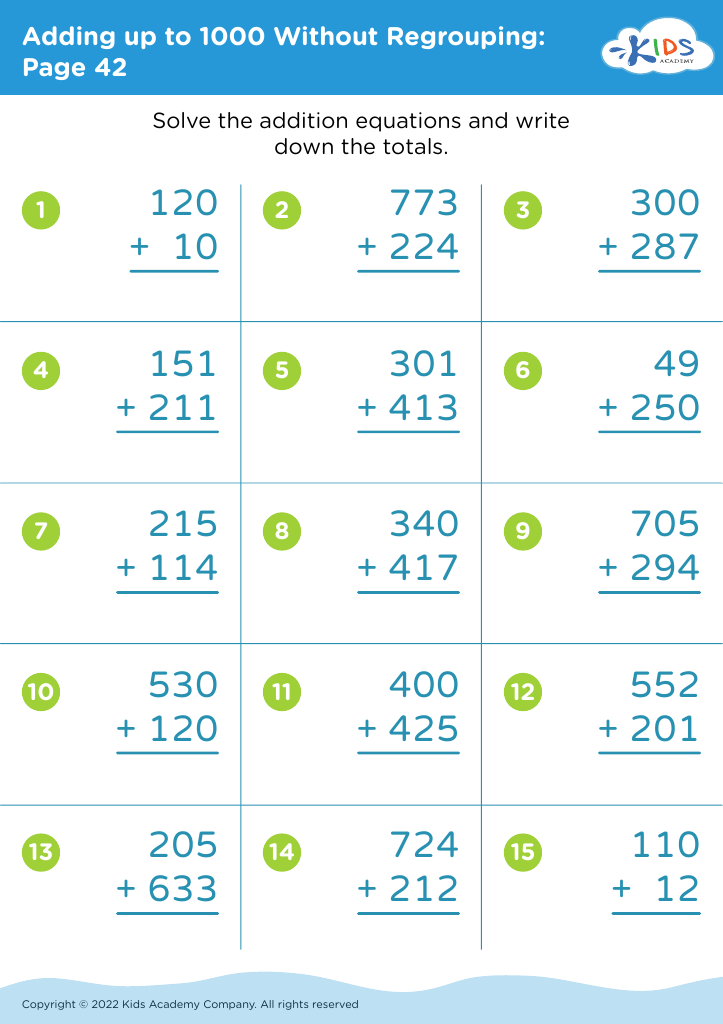
Enhance your third grader's mathematical skills with our engaging Vocabulary Building Addition & Subtraction Worksheets! Designed specifically for Grade 3 students, these worksheets not only promote essential math operations but also enrich their vocabulary related to math concepts. Each worksheet features clear instructions, visual aids, and practice problems that encourage students to familiarize themselves with key terms they’ll encounter in their math journey. From identifying addition and subtraction vocabulary to applying it in various contexts, these resources make learning fun and effective. Equip your child with the tools needed for mathematical success and boost their confidence today!
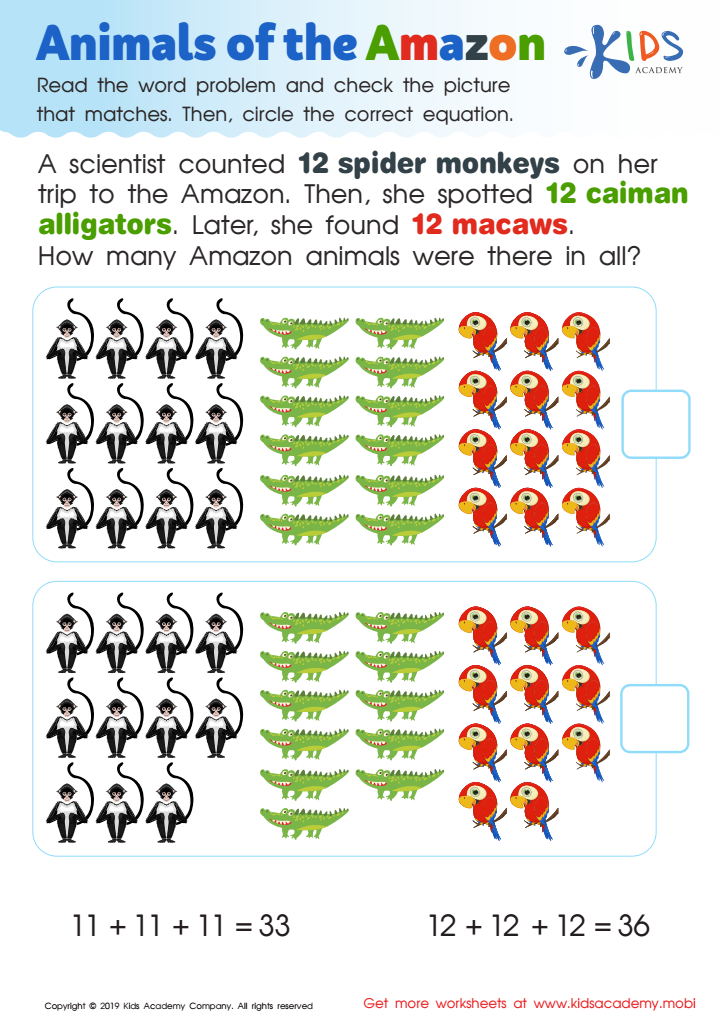
Animals of Amazon Worksheet
 Assign to My Students
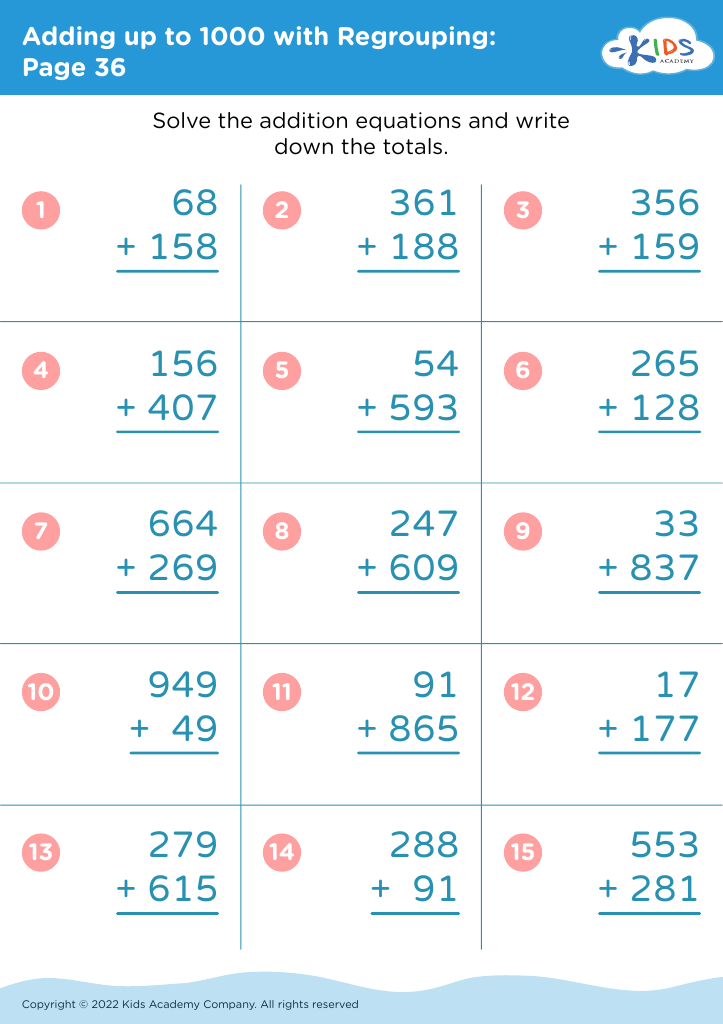








Vocabulary building in Grade 3 is crucial for enhancing students' understanding of addition and subtraction, as mathematical language serves as the foundation for problem-solving skills. As children encounter new mathematical terms like "sum," "difference," "subtract," "equals," and "total," they need to grasp not only their definitions but also how to apply these terms in various contexts. A strong mathematical vocabulary allows students to make sense of word problems, which promotes critical thinking and reasoning abilities.
Parents and teachers play a vital role in nurturing this vocabulary by providing consistent exposure to math-related language. When they incorporate discussions about everyday math activities—like sharing snacks, counting money, or measuring items—the children begin to form connections between vocabulary and real-life usage. Moreover, engaging in activities such as math games and story problems can turn learning into an interactive and enjoyable process.
By emphasizing vocabulary building in addition and subtraction, educators and parents equip children with essential tools to navigate more complex mathematical concepts in the future. Ultimately, a solid understanding of math vocabulary lays a groundwork for ongoing success in mathematics, ensuring that students are better prepared for advanced challenges in later grades.