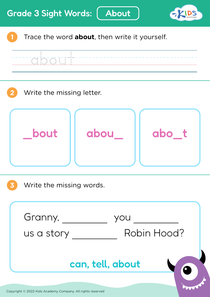
Basic Addition Grade 3 Addition Worksheets
6 filtered results
-
From - To
Explore our engaging Basic Addition Grade 3 worksheets designed to enhance your child's math skills! Ideal for young learners, these printable resources feature a variety of fun exercises focusing on basic addition concepts. Each worksheet promotes number fluency through activities that encourage problem-solving and critical thinking. Your third grader will enjoy practicing addition through colorful illustrations and real-world applications. Perfect for home or classroom use, our worksheets align with educational standards, making learning fun and effective. Support your child's academic growth and boost their confidence in math with our thoughtfully crafted addition worksheets tailored specifically for grade 3 students. Get started today!
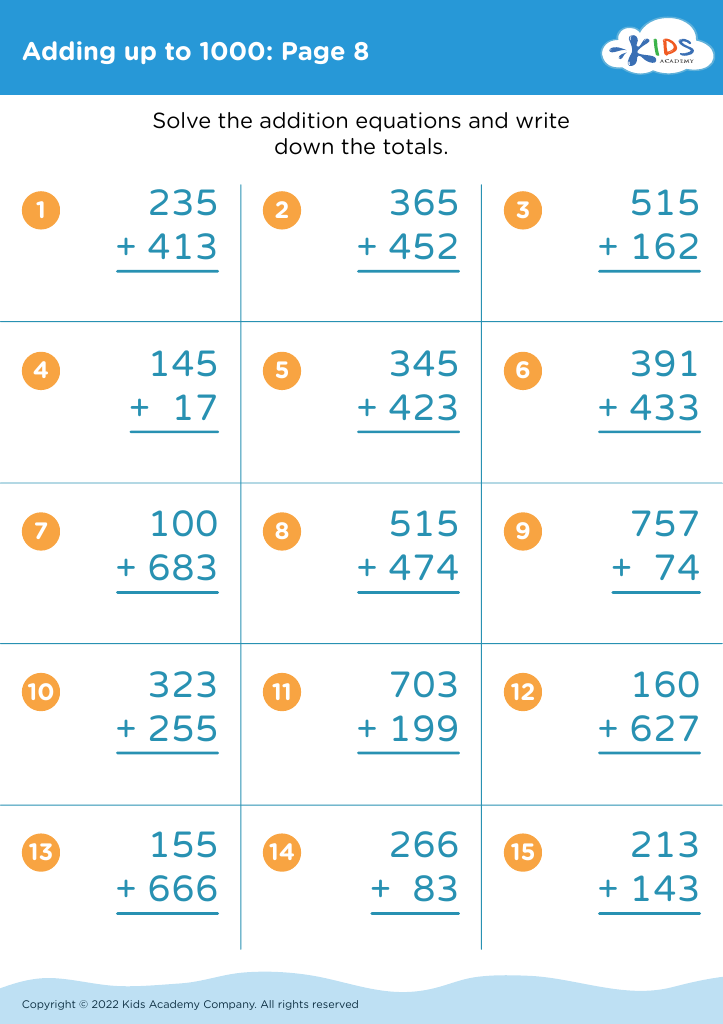
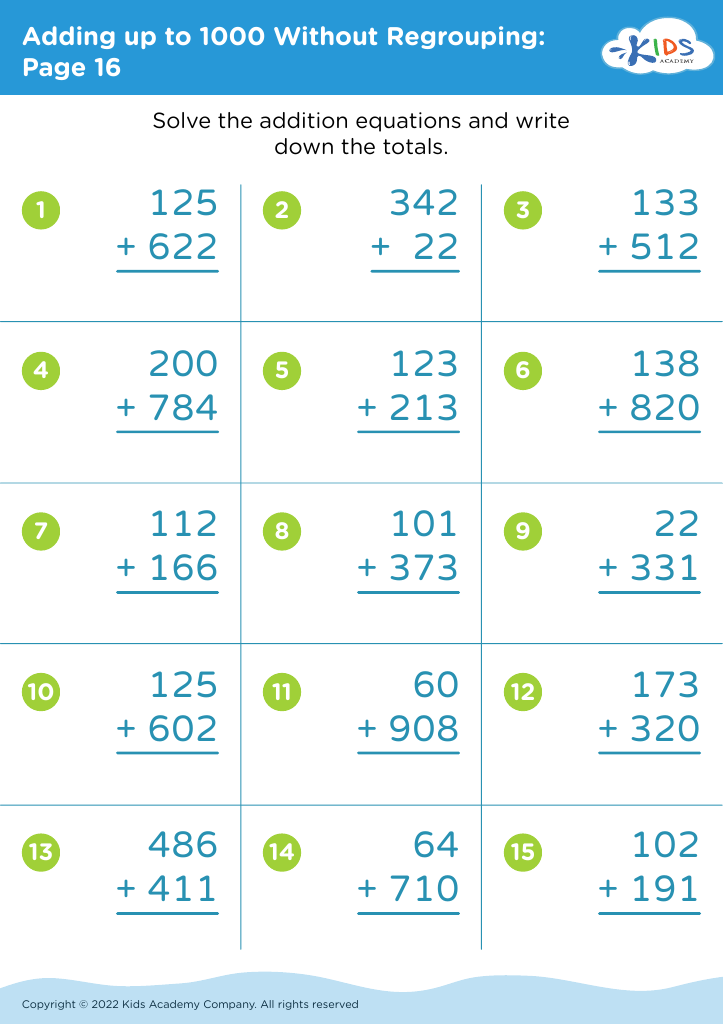
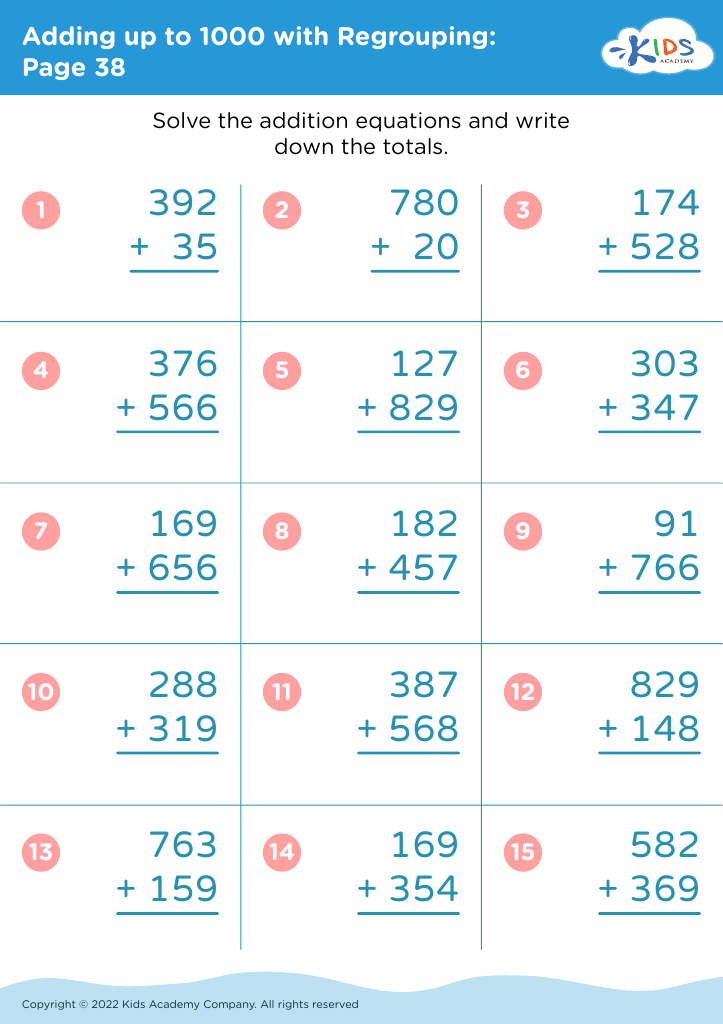
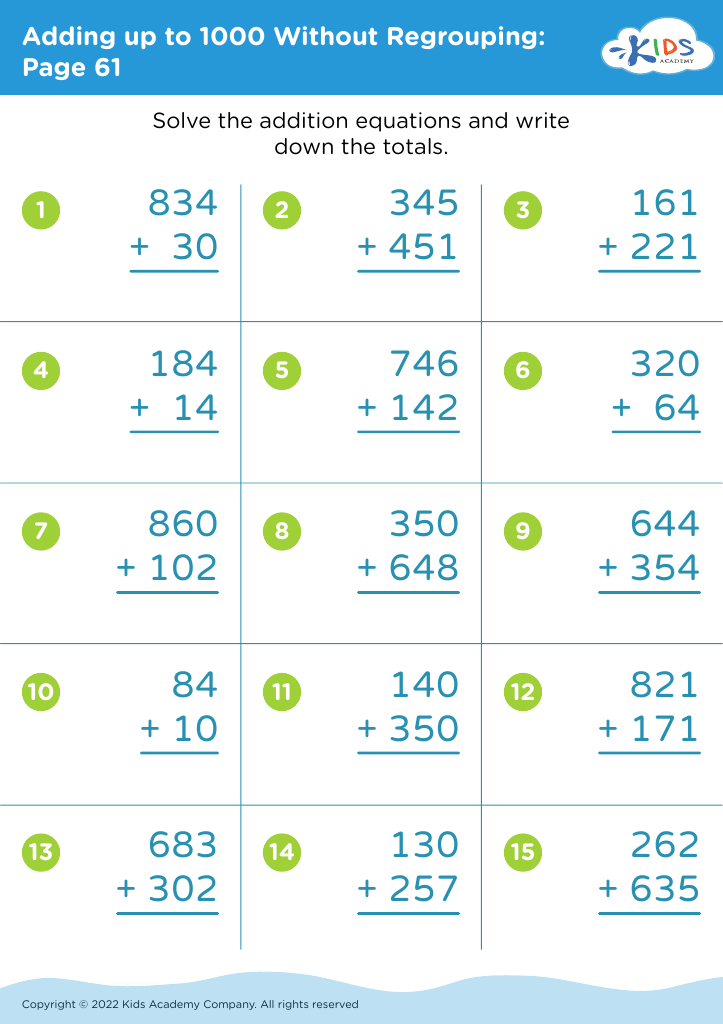
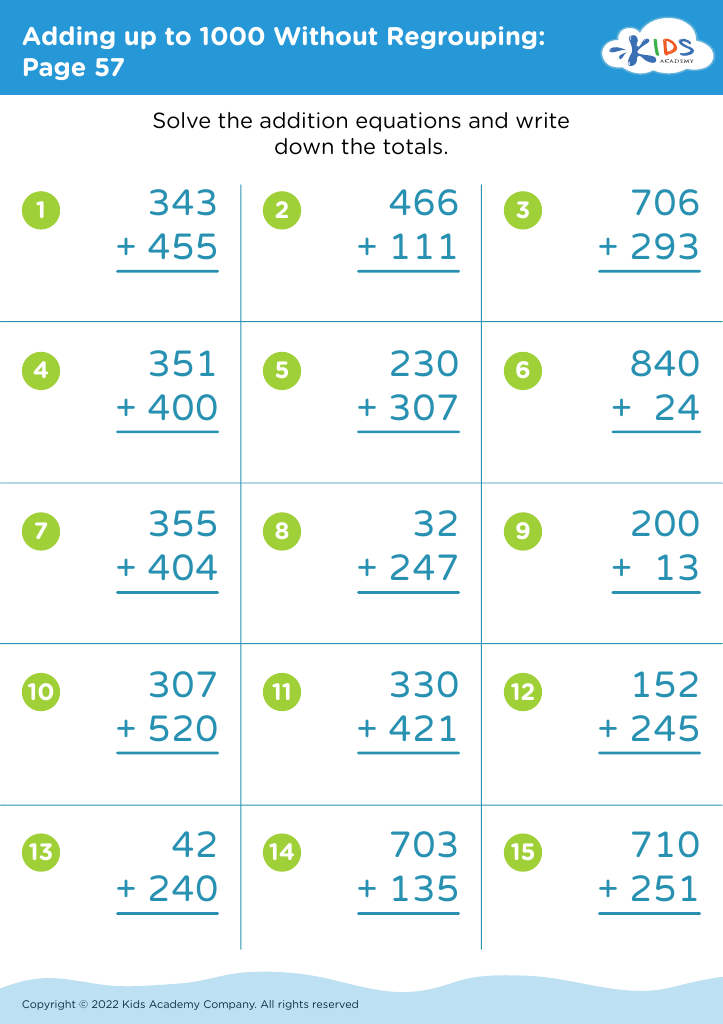
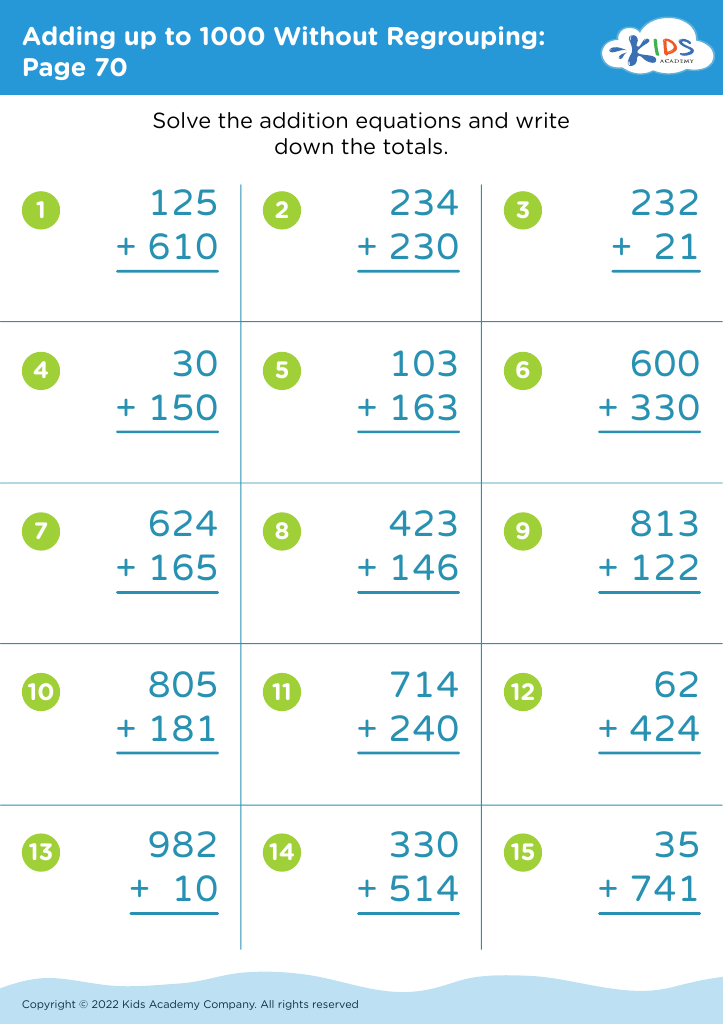







Basic addition at the Grade 3 level serves as a foundational skill crucial for a child’s academic success and overall development. Mastering addition helps students build confidence in their mathematical abilities, encouraging a positive attitude towards learning. At this stage, children encounter more complex mathematical concepts, and a strong grasp of addition paves the way for success in operations like subtraction, multiplication, and division.
Moreover, addition is not just a mathematical skill; it is a life skill. Children use addition in everyday scenarios like counting money, measuring ingredients for recipes, and solving practical problems. Understanding these concepts protects students from potential learning gaps, later hindering their academic progress.
Parents and teachers play an essential role in reinforcing addition skills through engaging activities and meaningful practice. Active involvement nurtures a supportive environment that enhances children’s motivation and fosters a love of learning. Encouraging children to practice addition through games, real-life applications, and positive reinforcement can significantly benefit their cognitive development.
In summary, caregivers should prioritize Grade 3 addition because it establishes a solid foundation for future mathematical learning while equipping children with essential life skills. By making these efforts, they help shape more competent, confident, and resilient learners.