Shape Recognition Grade 3 Addition Worksheets
12 filtered results
-
From - To
Enhance your Grade 3 math curriculum with our engaging Shape Recognition Addition Worksheets! Designed specifically for young learners, these worksheets combine shape identification with addition skills to help children grasp mathematical concepts in a fun and interactive way. By recognizing and counting shapes, students reinforce their understanding of numbers while improving their cognitive development. Each worksheet provides a variety of exercises that build confidence and critical thinking skills. Perfect for classroom activities or at-home practice, these resources are tailored to meet educational standards, ensuring a comprehensive learning experience. Explore our Shape Recognition Addition Worksheets and watch your child thrive in math!
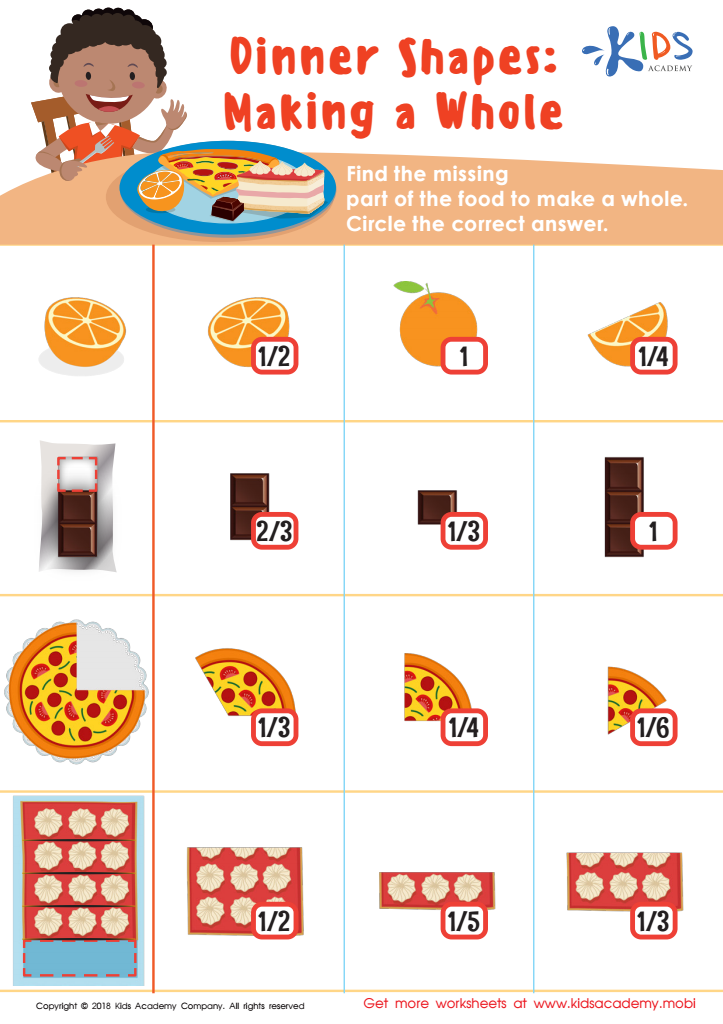
Dinner Shapes: Making a Whole Worksheet
 Assign to My Students
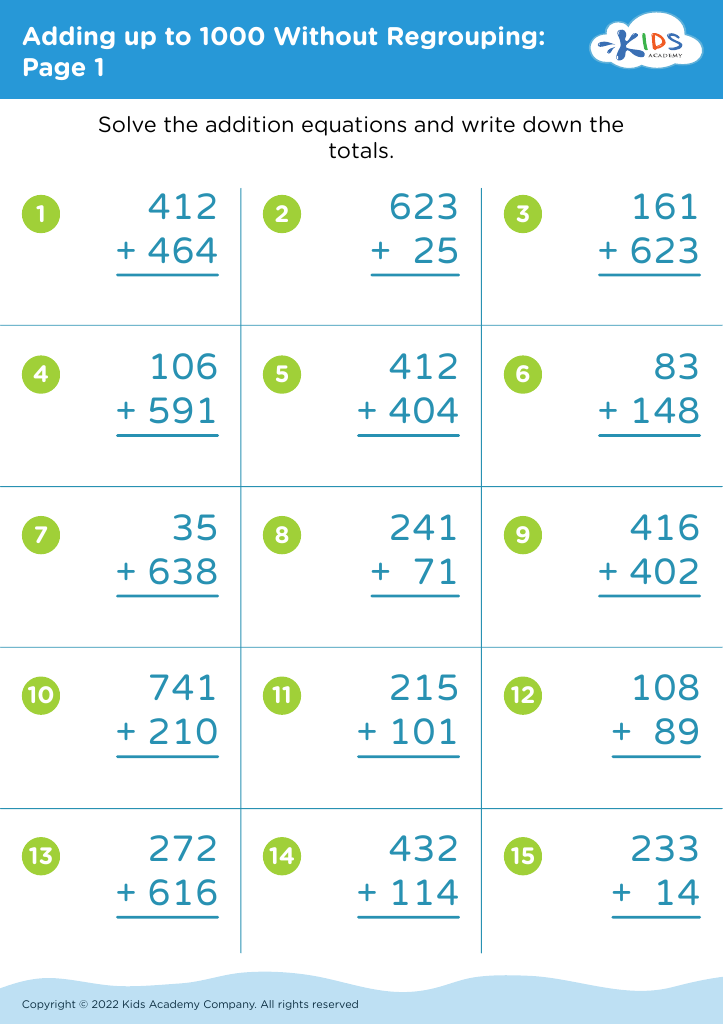
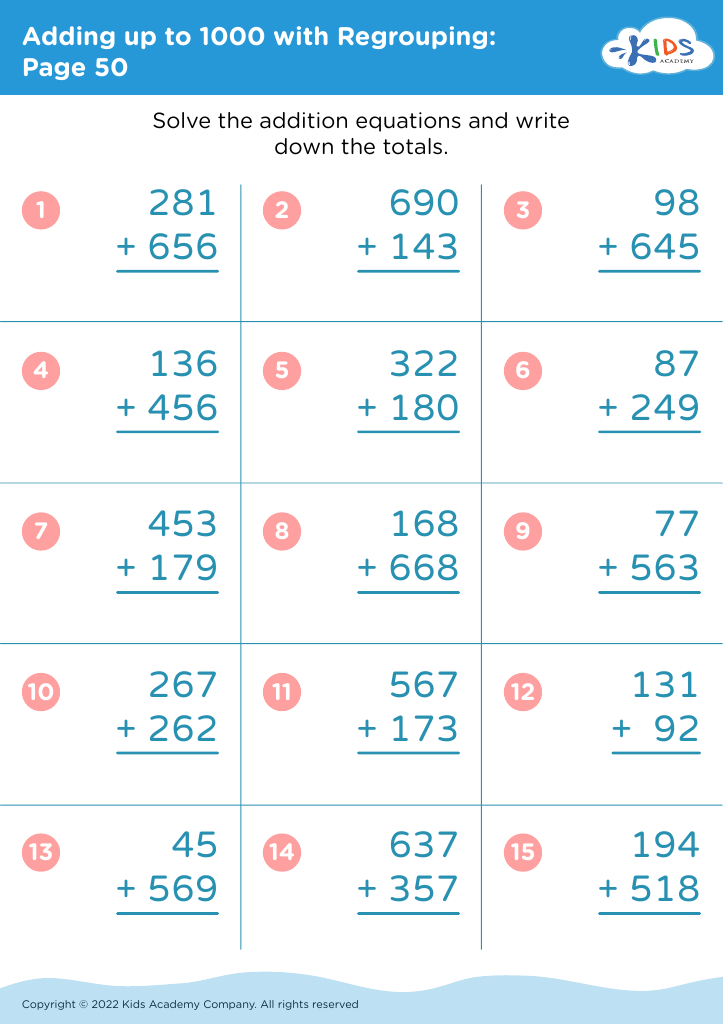
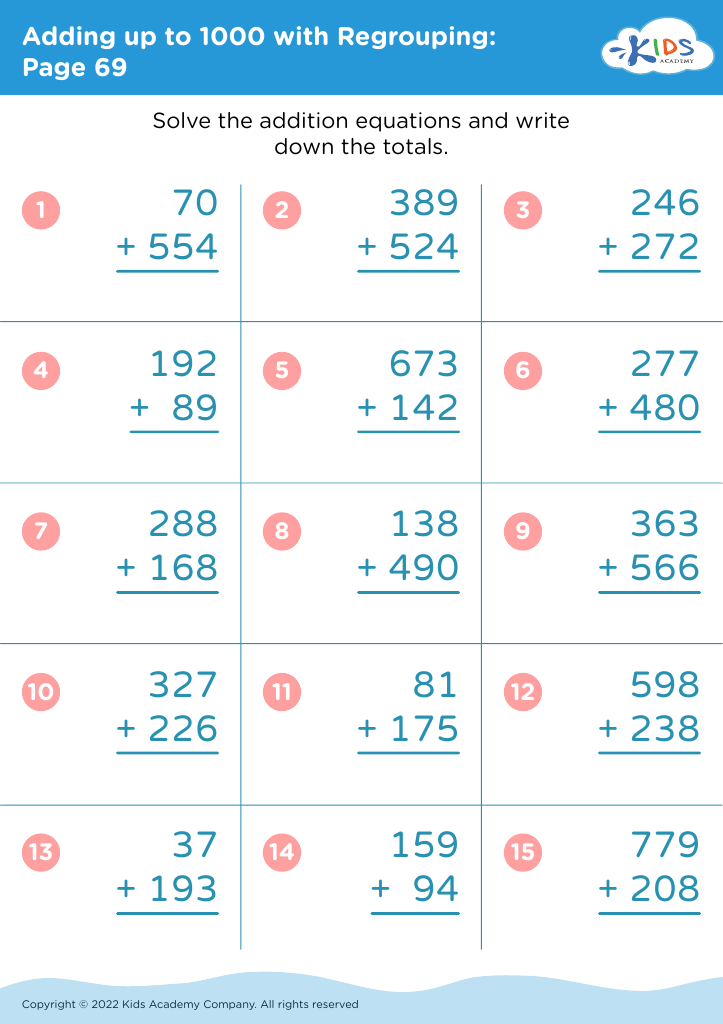
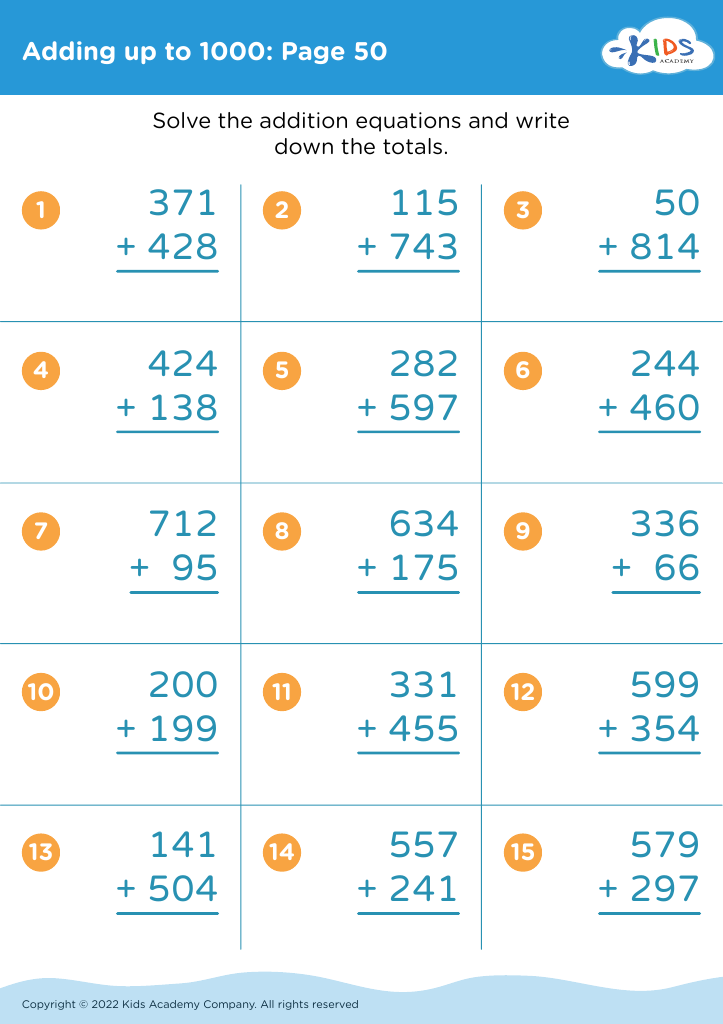
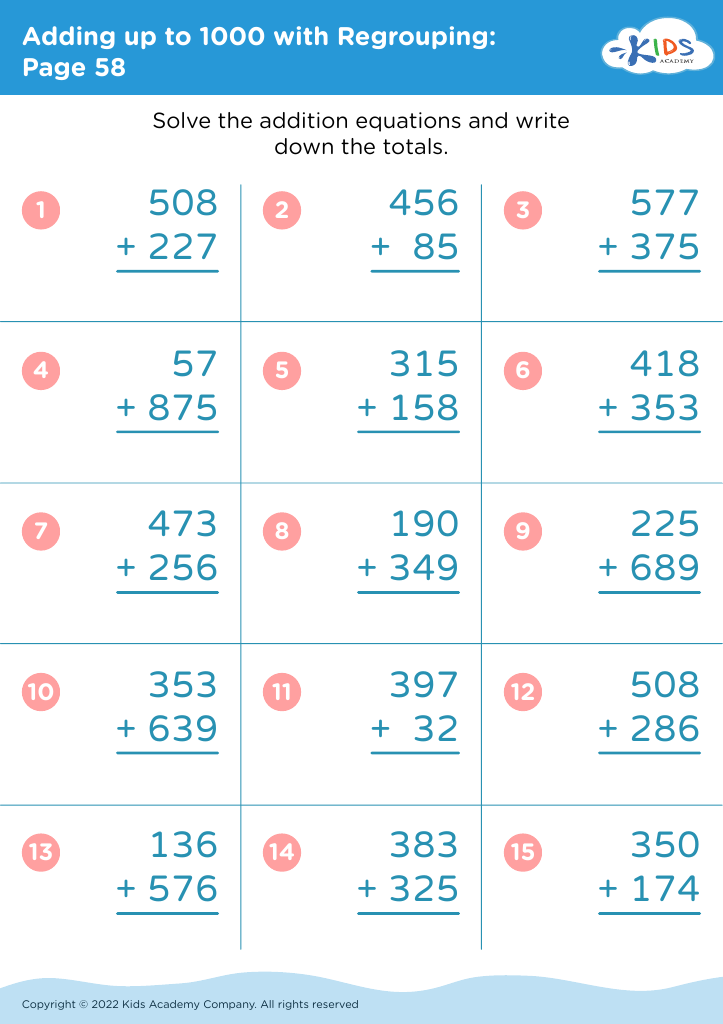
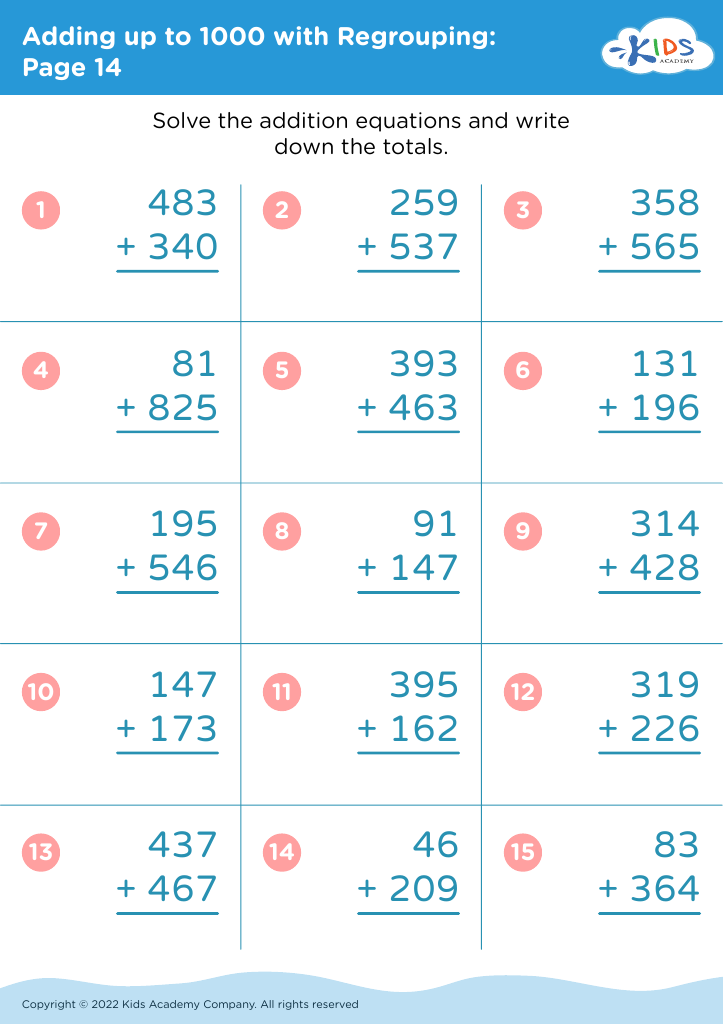
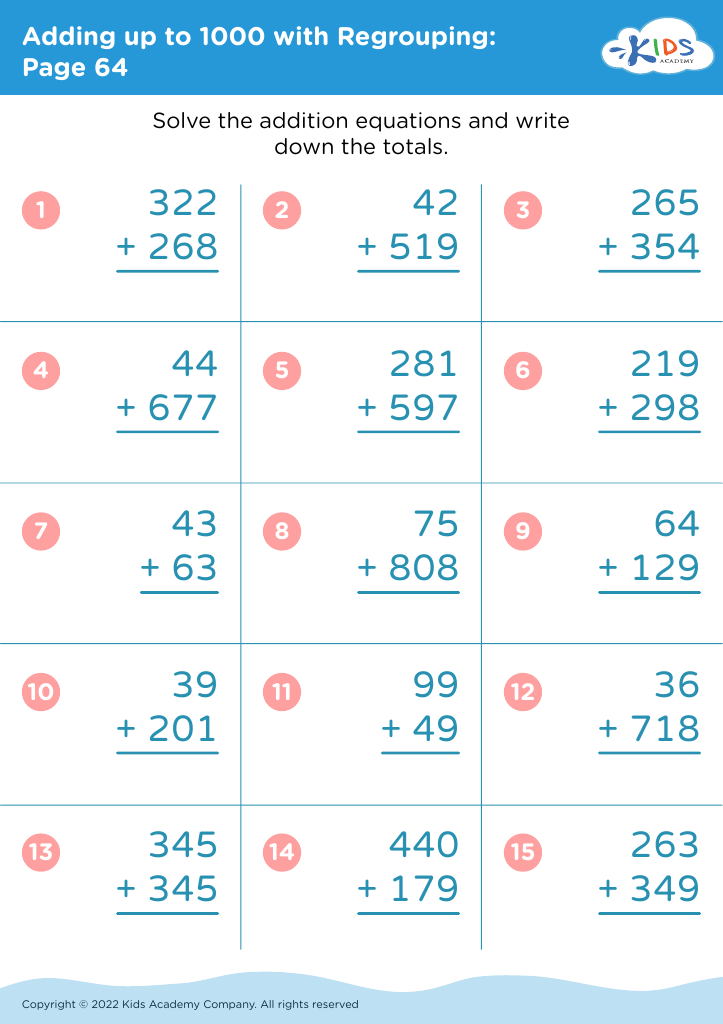
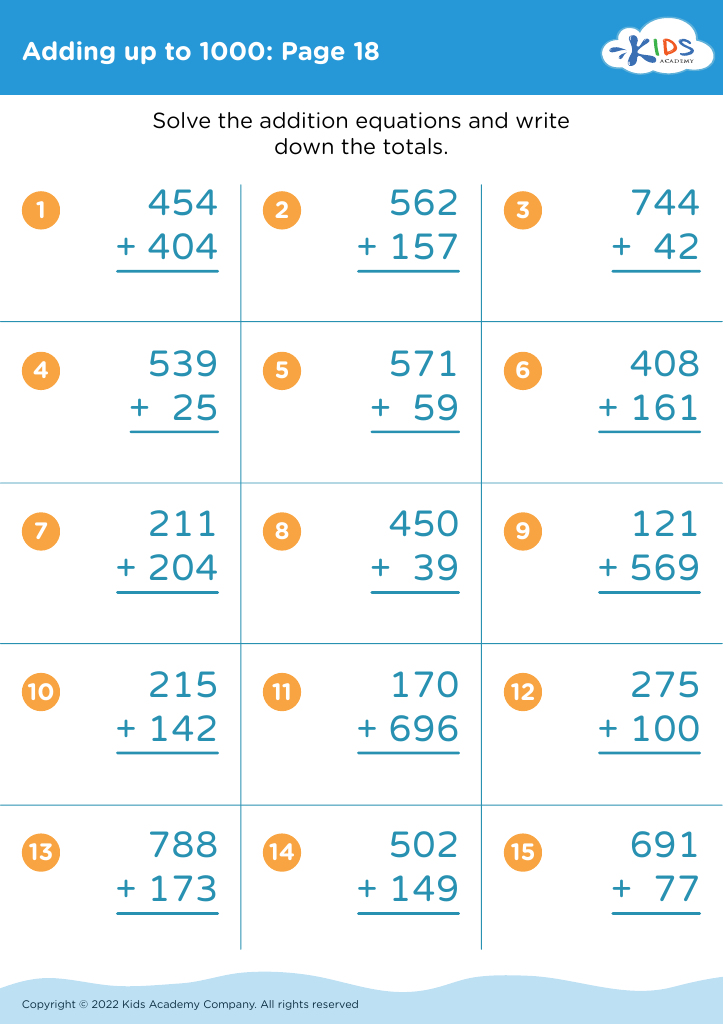
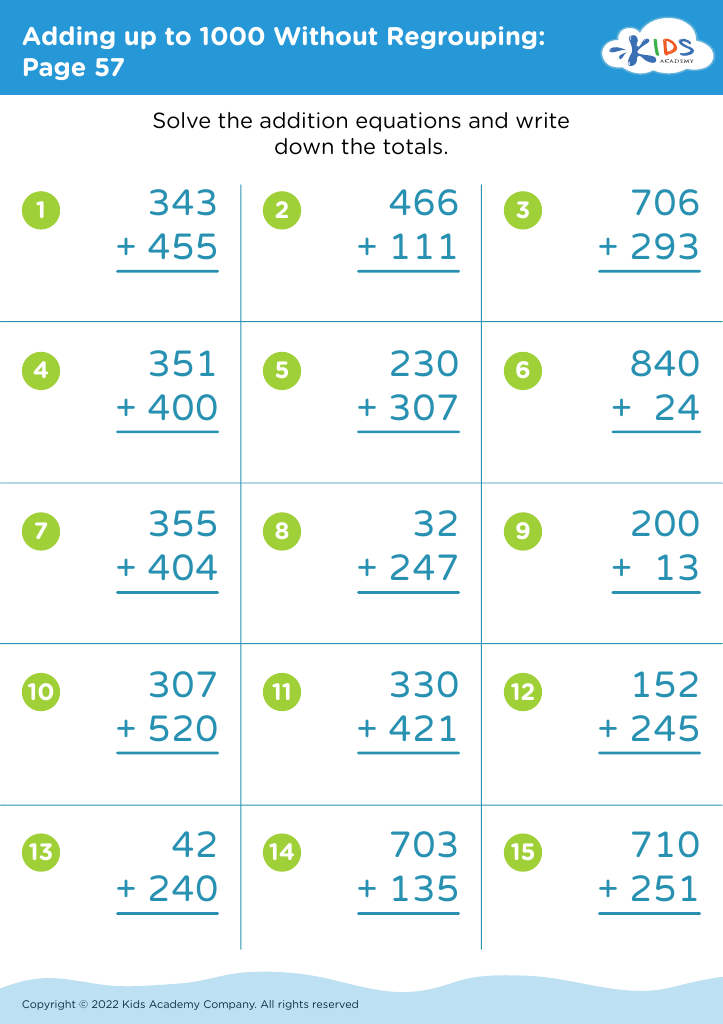








Shape recognition and Grade 3 addition are foundational skills that significantly impact a child's mathematical understanding and overall cognitive development. Parents and teachers should care about these concepts for several reasons.
First, shape recognition enhances spatial reasoning, an essential skill not only in mathematics but also in everyday problem-solving and future subjects such as geometry and sciences. By mastering shape recognition, children can better understand their environment, leading to increased confidence in handling real-world situations.
Moreover, strong addition skills are crucial for building a solid mathematical foundation. Grade 3 is pivotal as students transition from learning basic concepts to applying them in more complex problems. Proficiency in addition boosts a child's ability to tackle more advanced operations like multiplication and division. It also supports critical thinking and analytical skills, as children learn to solve problems and make connections between numbers.
Lastly, when parents and teachers emphasize these skills, they foster a supportive learning environment. This encourages children to be curious, engage in learning activities, and seek help when needed. Ultimately, skillful shape recognition and addition are key components in fostering a lifelong love for learning and mathematics in children.