Fraction comparison Grade 3 Math Worksheets
14 filtered results
-
From - To
Explore our comprehensive collection of Grade 3 Math Worksheets focused on fraction comparison! Perfect for young learners, these engaging and interactive worksheets help students develop essential skills in comparing and understanding fractions. Each worksheet is designed to reinforce concepts through visual aids, hands-on activities, and clear instructions, allowing children to confidently distinguish between greater than, less than, and equal fractions. With a variety of exercises, including word problems and real-life applications, students will enhance their mathematical reasoning. Encourage your child’s growth in mathematics with our fun and educational fraction comparison worksheets — a perfect resource for home or classroom learning!
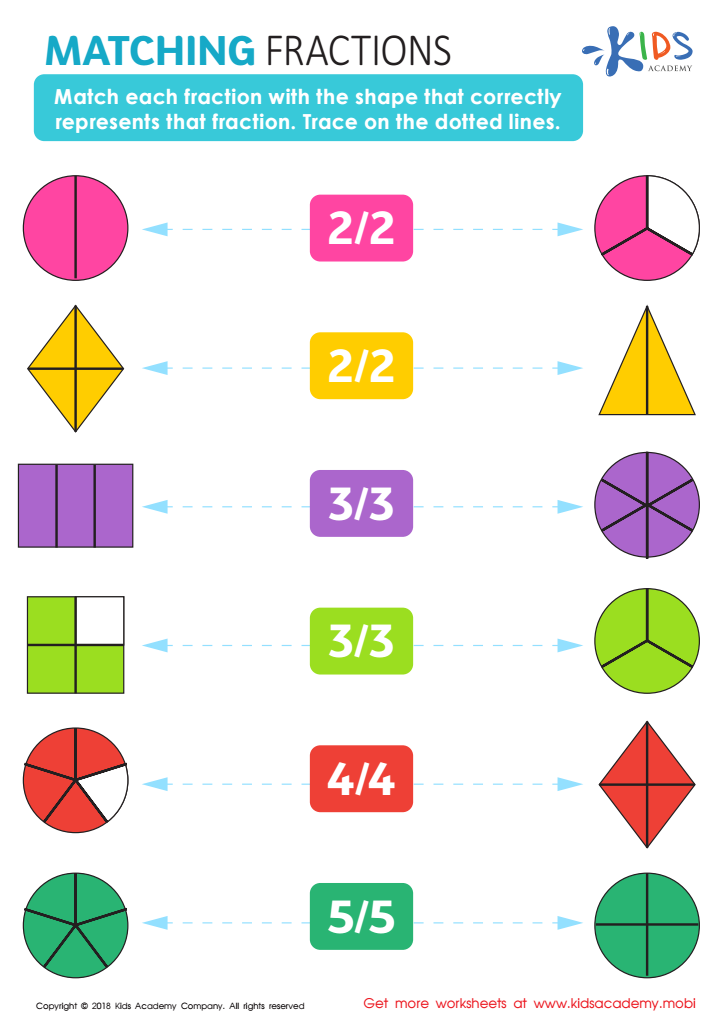
Matching Fractions Worksheet
 Assign to My Students
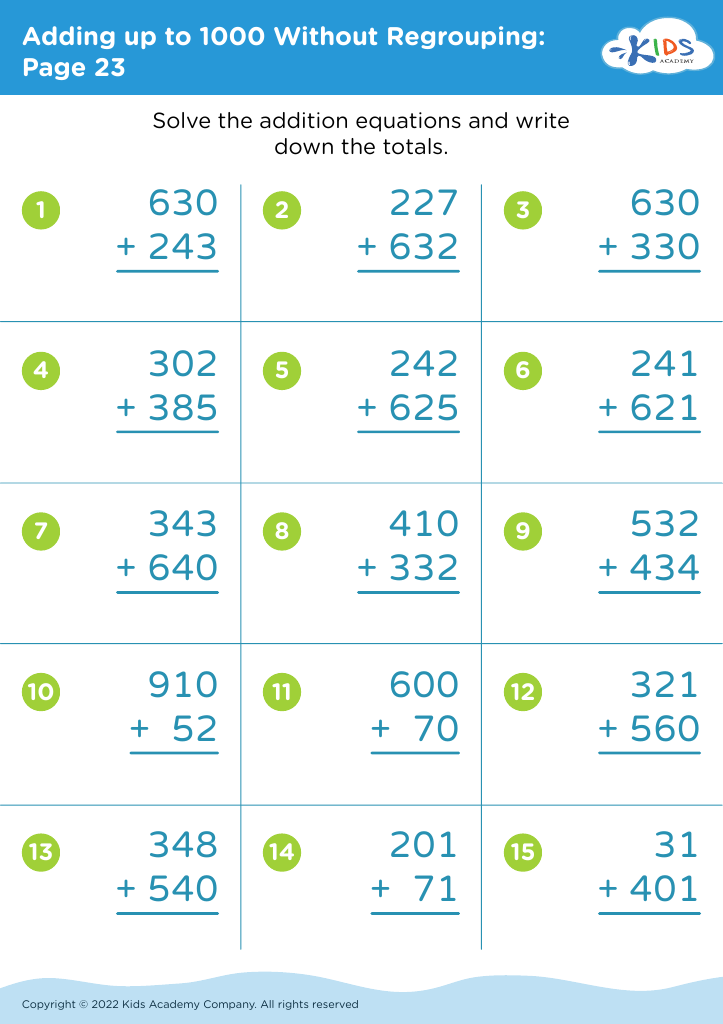
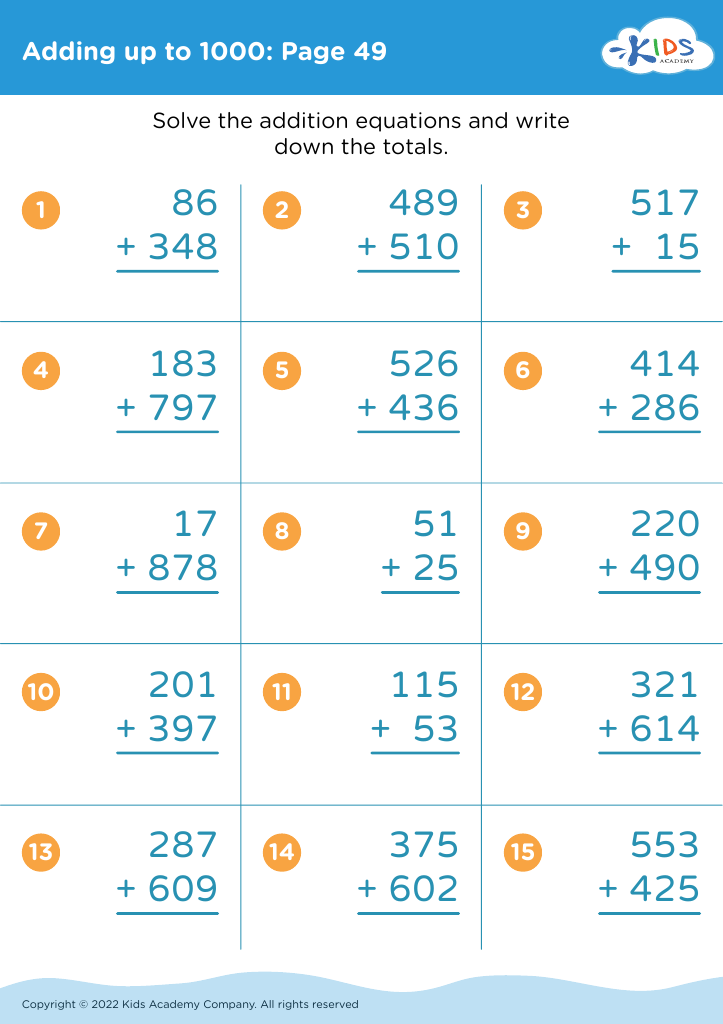
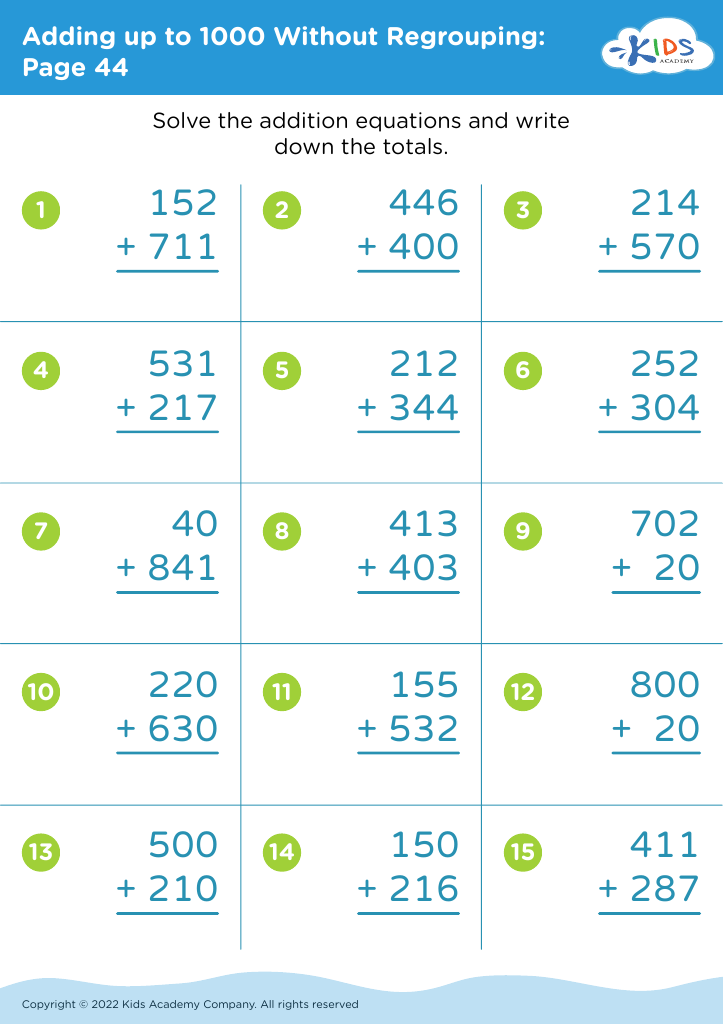
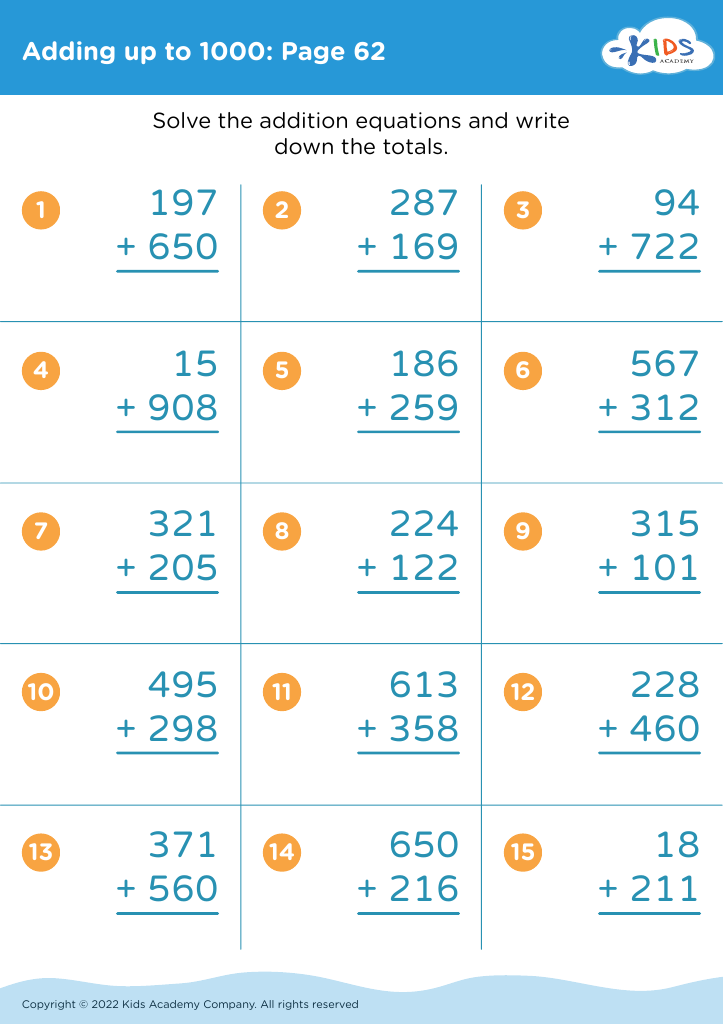








Fraction comparison is a fundamental skill in Grade 3 math that lays the groundwork for understanding more complex mathematical concepts in the future. Parents and teachers should care about this topic for several reasons.
Firstly, fractions are not just abstract concepts; they represent real-life situations, such as sharing food or dividing resources. Understanding how to compare fractions equips children with the ability to make sense of their everyday experiences. This foundation develops critical thinking and problem-solving skills.
Secondly, the ability to compare fractions enhances not only math skills but also reinforces understanding of ratios and percentages, essential for future educational progression. In later grades, students encounter these concepts in various subjects, including science and economics. Strong foundational knowledge helps ease future learning challenges.
Moreover, engaging with fractions helps improve children’s confidence in math. When students grasp how to compare fractions, they gain the skills to tackle broader mathematical challenges, fostering a positive attitude towards numbers.
Ultimately, early attention to fraction comparison benefits students academically and personally, empowering them to navigate their educational pathways more effectively. Parents and teachers play a vital role in guiding this essential learning journey, ensuring that children appreciate and enjoy mathematics.