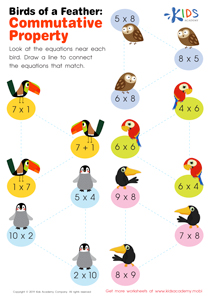
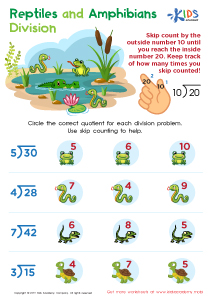
Logical thinking development Grade 3 Math Worksheets
7 filtered results
-
From - To
Enhance your child's logical thinking skills with our engaging Grade 3 Math Worksheets! Designed specifically for third graders, these worksheets encourage critical problem-solving and analytical skills through fun and interactive math challenges. Students will tackle puzzles, pattern recognition, sequences, and sequential reasoning exercises that foster deeper understanding and retention of mathematical concepts. Each worksheet focuses on building logical reasoning in a supportive learning environment, ensuring your child develops confidence in their abilities. Printable and easy to use, these resources are perfect for classroom activities, homeschooling, or extra practice at home. Boost your child’s intellect while making math enjoyable and rewarding!
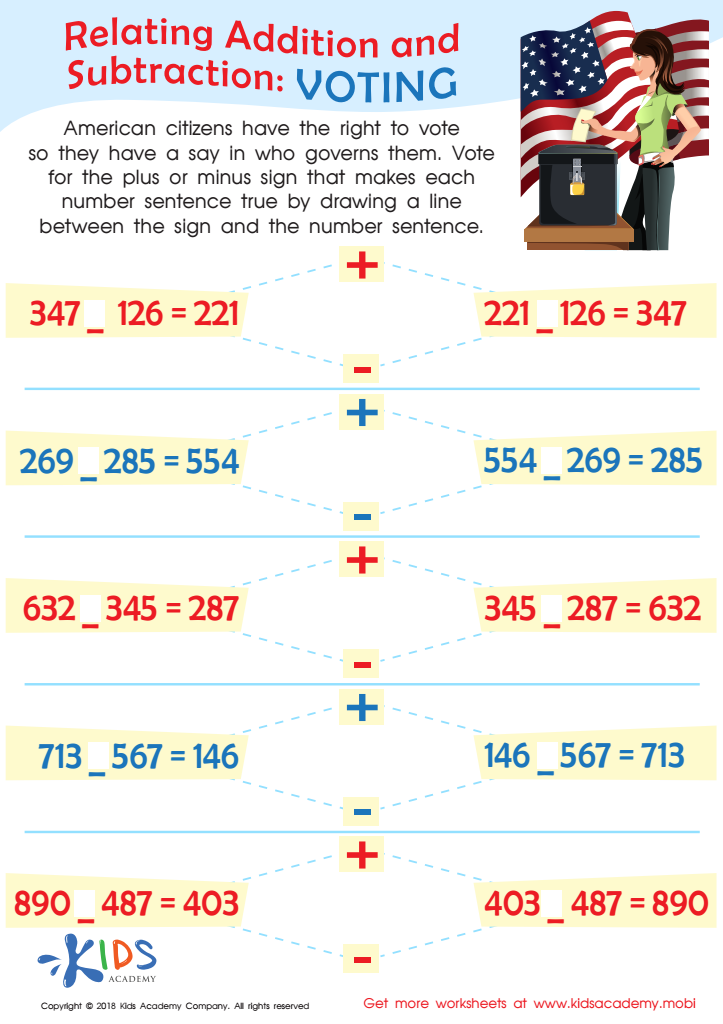
Voting Worksheet
 Assign to My Students
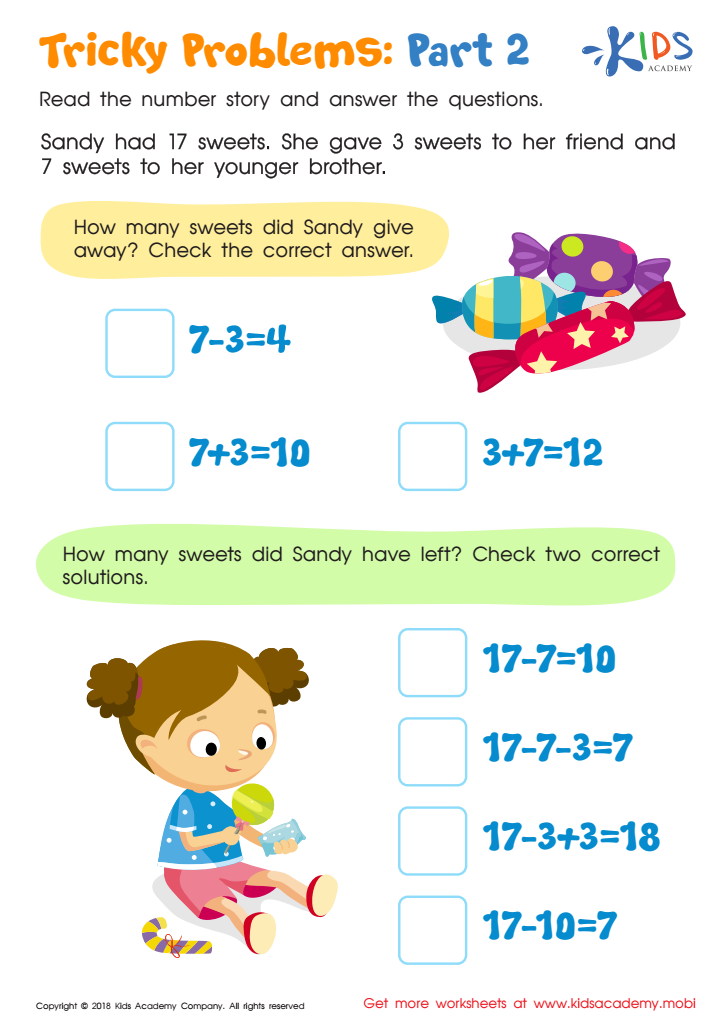
Tricky Problems Worksheet: Part 2
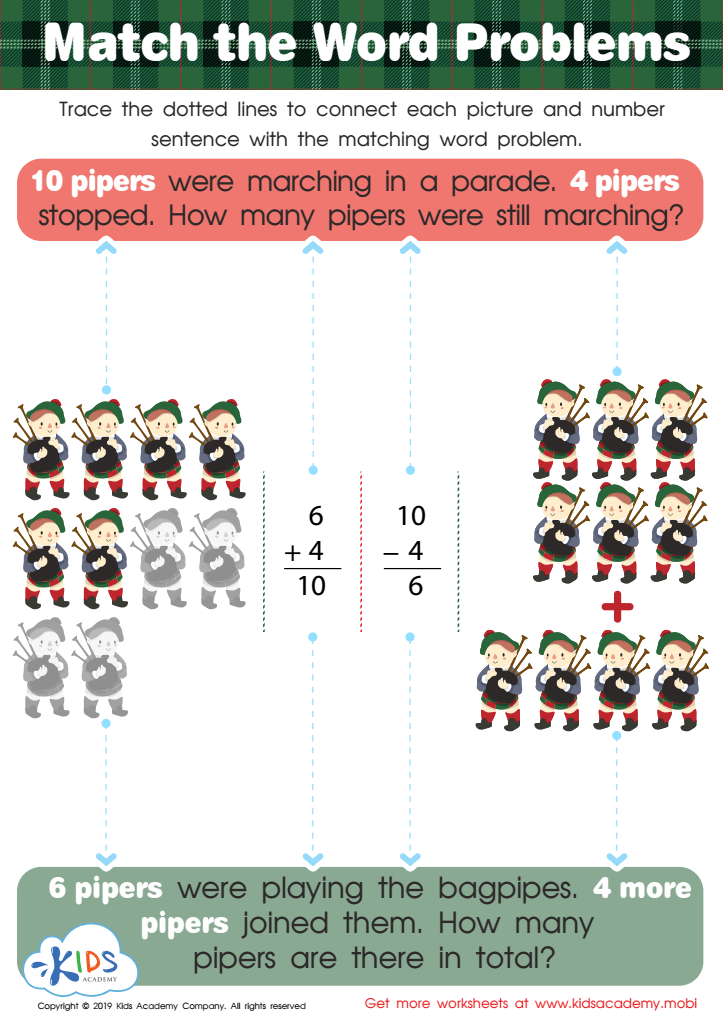
Match the Word Problems Worksheet
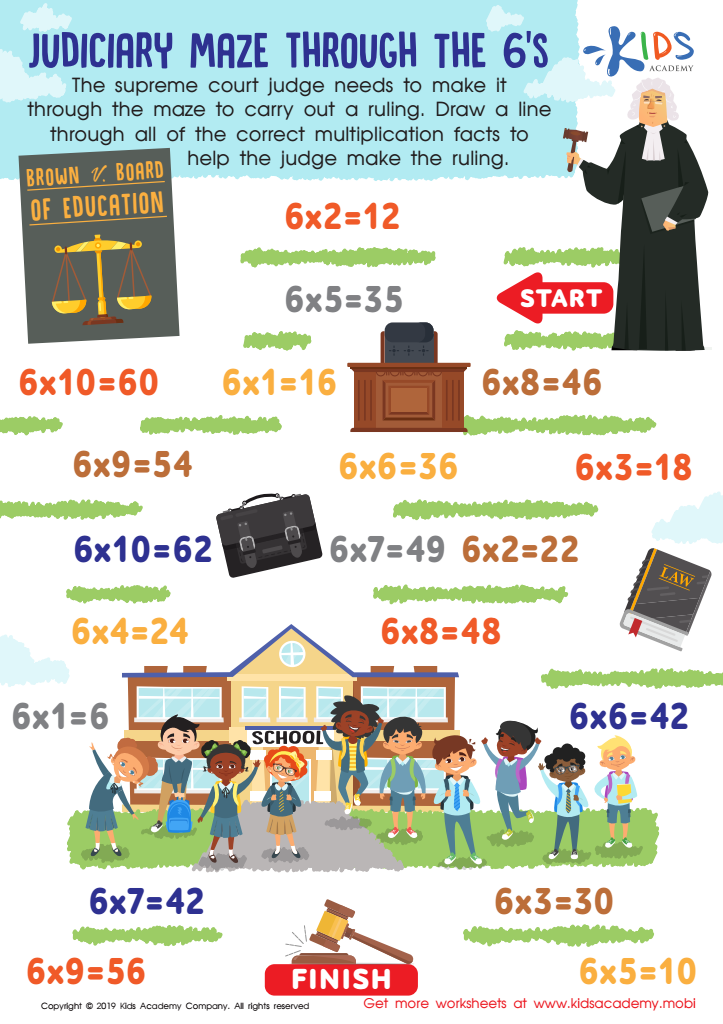
Judiciary Maze Through The 6’s Worksheet
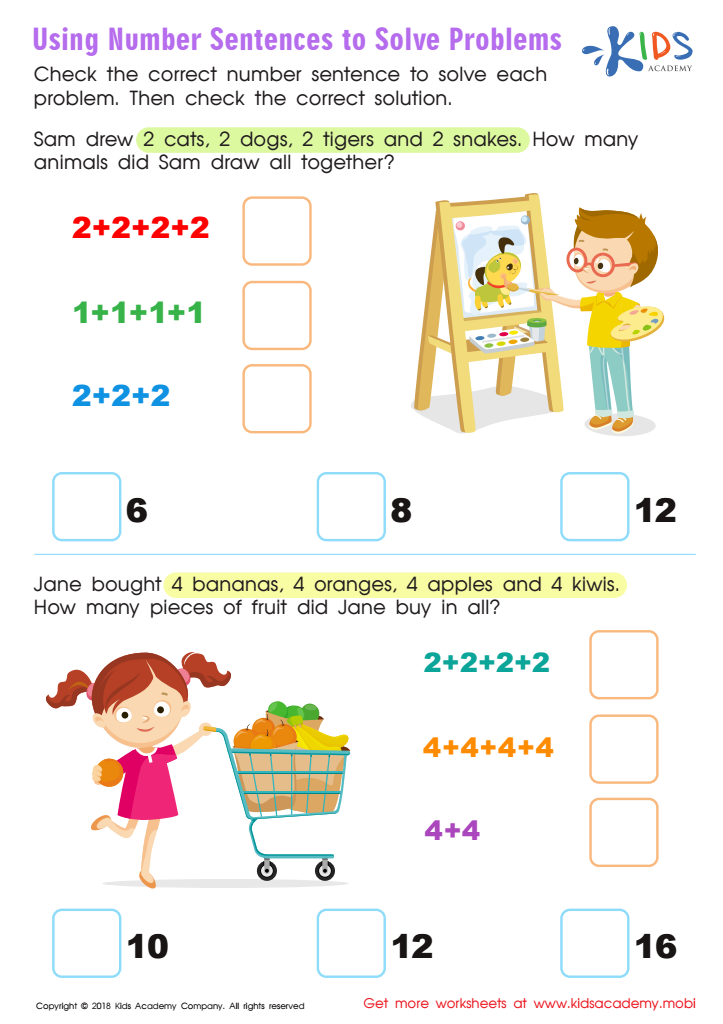
Using Number Sentences to Solve Problems Worksheet
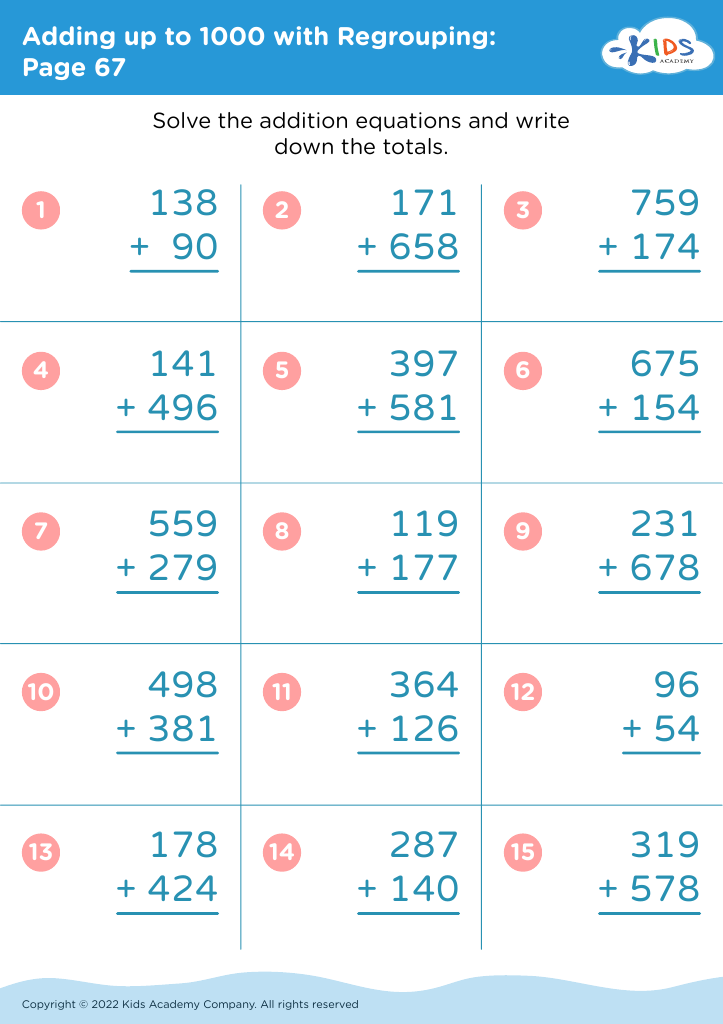
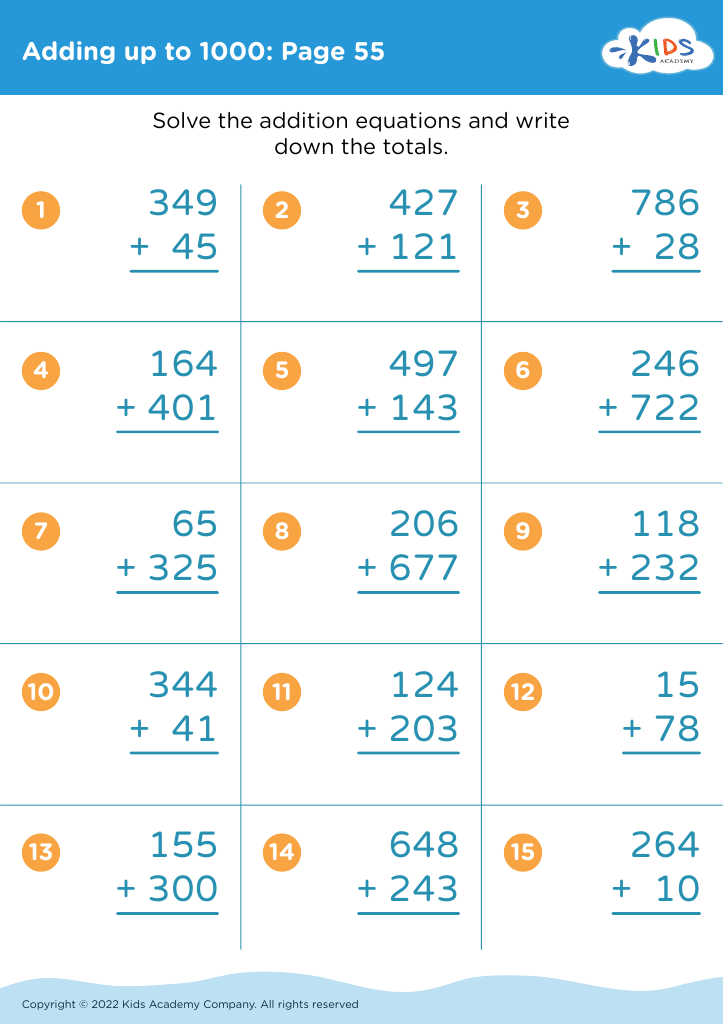








Logical thinking development in Grade 3 math is crucial for several reasons. First, it's a foundation for critical thinking skills that students will need throughout their educational journey and in everyday problem-solving. In Grade 3, children are introduced to more complex mathematical concepts, such as multiplication, division, and the beginnings of geometry. Engaging them in logical reasoning helps them understand relationships between numbers and the rationale behind mathematical processes.
Furthermore, developing logical thinking fosters a positive attitude towards math. When students can logically deduce answers, they gain confidence in their abilities, reducing math anxiety and increasing their willingness to tackle challenging concepts. This confidence often translates to improved performance.
Logical thinking skills are also applicable beyond mathematics. They enhance a child’s ability to analyze situations, make decisions, and articulate their reasoning in various contexts, paving the way for success in other subjects.
Parents and teachers play a vital role in nurturing logical thinking by encouraging discussions about problem-solving approaches, asking open-ended questions, and facilitating hands-on activities. By prioritizing logical thinking development, they contribute significantly to their child's overall cognitive growth and future academic success.