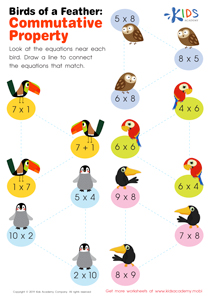
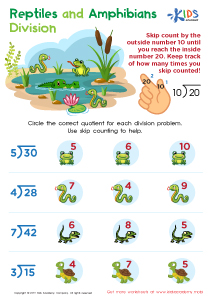
Recognize shapes Grade 3 Math Worksheets
4 filtered results
-
From - To
Our "Recognize Shapes Grade 3 Math Worksheets" are expertly crafted to enhance your child’s geometric skills. Tailored for 3rd graders, these engaging worksheets cover the identification and classification of various shapes, honing both foundational skills and advanced concepts. Students will explore the properties of different polygons, quadrilaterals, and 3D shapes through enjoyable activities. Ideal for classroom use or extra practice at home, these worksheets boost visual-spatial reasoning and deepen understanding in a fun, interactive way. Designed by educational professionals, our printable worksheets ensure your child masters shape recognition while developing a love for math.
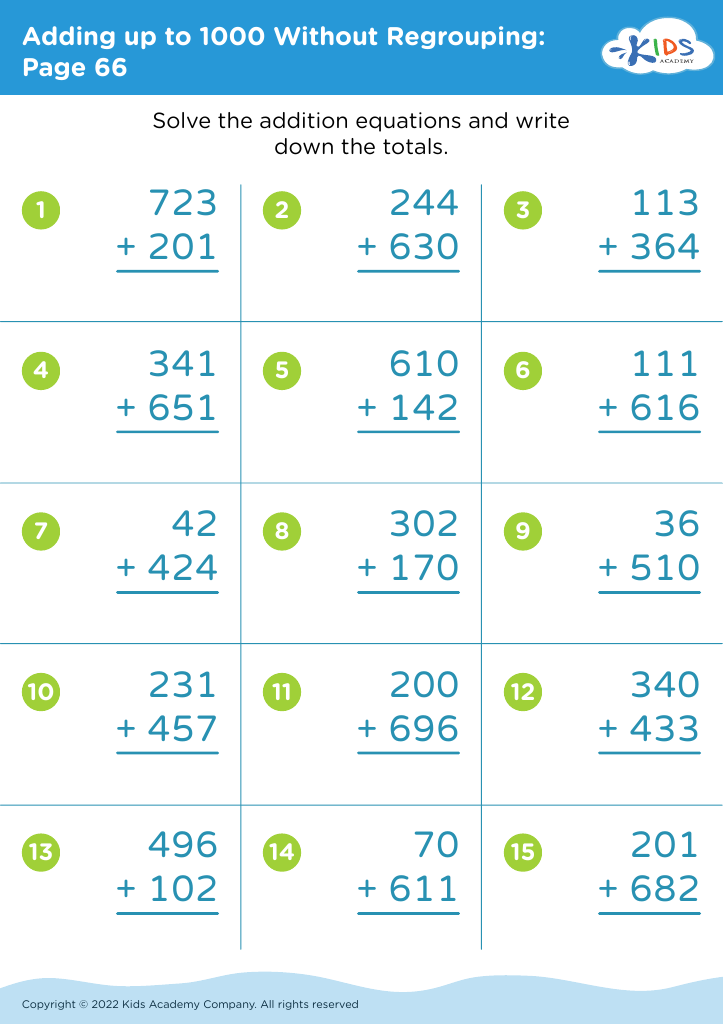
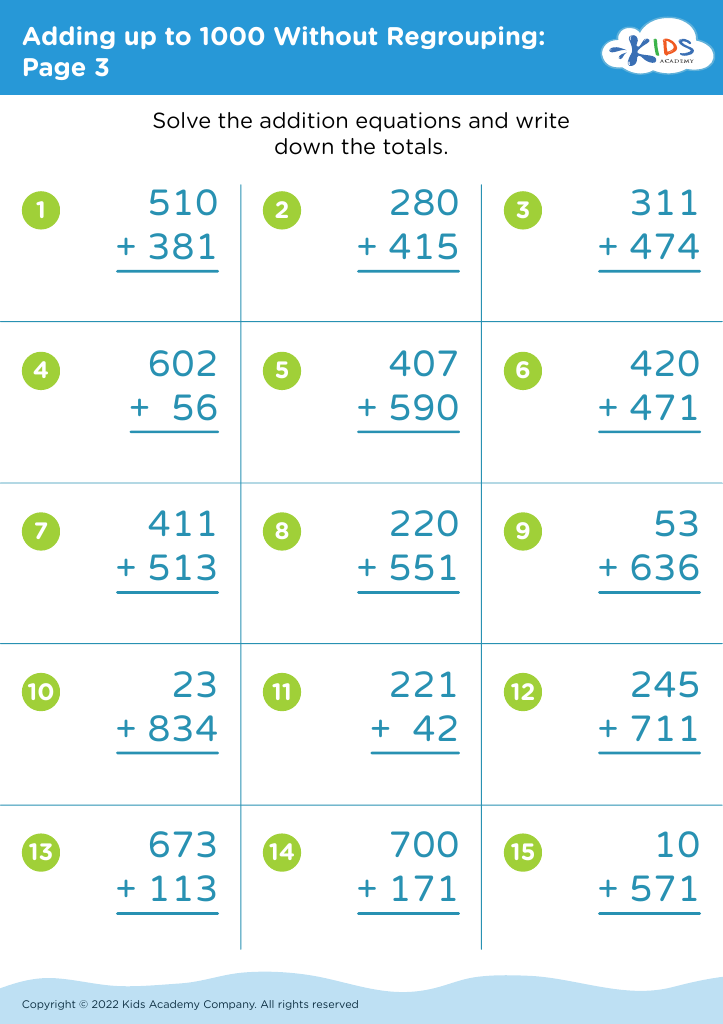







Understanding and recognizing shapes in Grade 3 math is fundamental for children's cognitive development and is essential for building foundational skills in geometry and spatial awareness. When parents and teachers emphasize the importance of shapes, they are fostering a child's ability to understand and organize the world around them. This understanding is not only crucial for future math skills but also for everyday problem-solving and reasoning tasks.
Shapes help children to develop critical thinking and logic skills as they learn to identify, compare, and contrast different geometric figures. Recognizing similarities and differences, sorting shapes, and comprehending attributes like the number of sides and angles can significantly enhance a child's analytical abilities. Furthermore, shapes are intertwined with other areas of learning; for instance, grasping the dimensions and properties of shapes assists in understanding more complex math concepts such as area, volume, and symmetry.
Additionally, shapes play a vital role in improving fine motor skills and hand-eye coordination as children engage in activities involving drawing or building shapes. For parents and teachers, providing engaging, shape-related educational activities helps create a stimulating learning environment that encourages curiosity and enthusiasm for mathematics, setting children up for greater academic success in the future.