Cognitive Development Grade 3 Building Vocabulary Worksheets
4 filtered results
-
From - To
Our Cognitive Development Grade 3 Building Vocabulary Worksheets are expertly crafted to boost your child's language skills and cognitive growth. Tailored for third graders, these engaging sheets focus on expanding vocabulary through interactive activities and fun word games. Each worksheet aims to enhance logical thinking, comprehension, and reading fluency. Ideal for classroom use or at-home practice, our resources provide a solid foundation for vocabulary mastery. Empower your child’s learning journey with creative exercises designed to make language development both educational and enjoyable. Visit us to nurture eager young minds with tools that foster lifelong literacy skills!
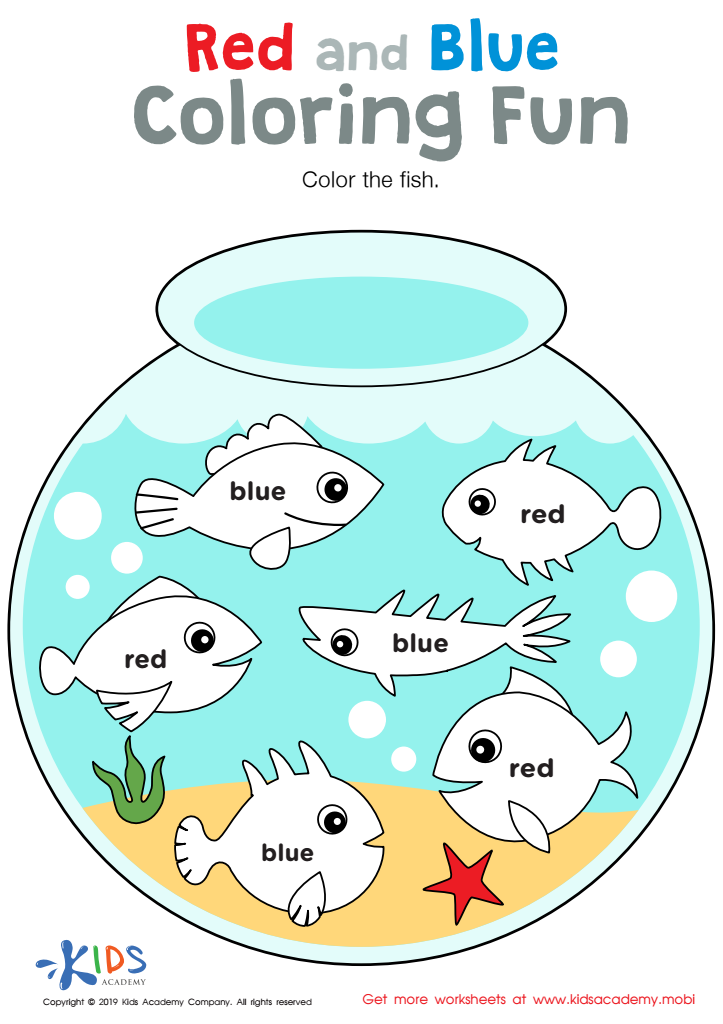
Red and Blue Coloring Fun Worksheet
 Assign to My Students
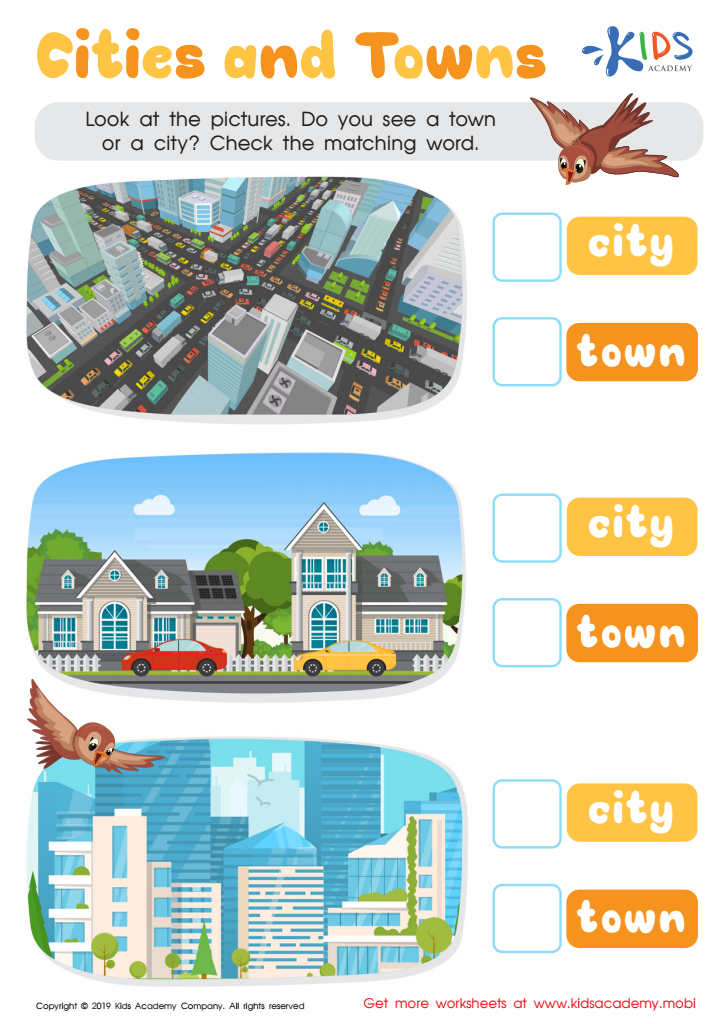
Cities and Towns Worksheet
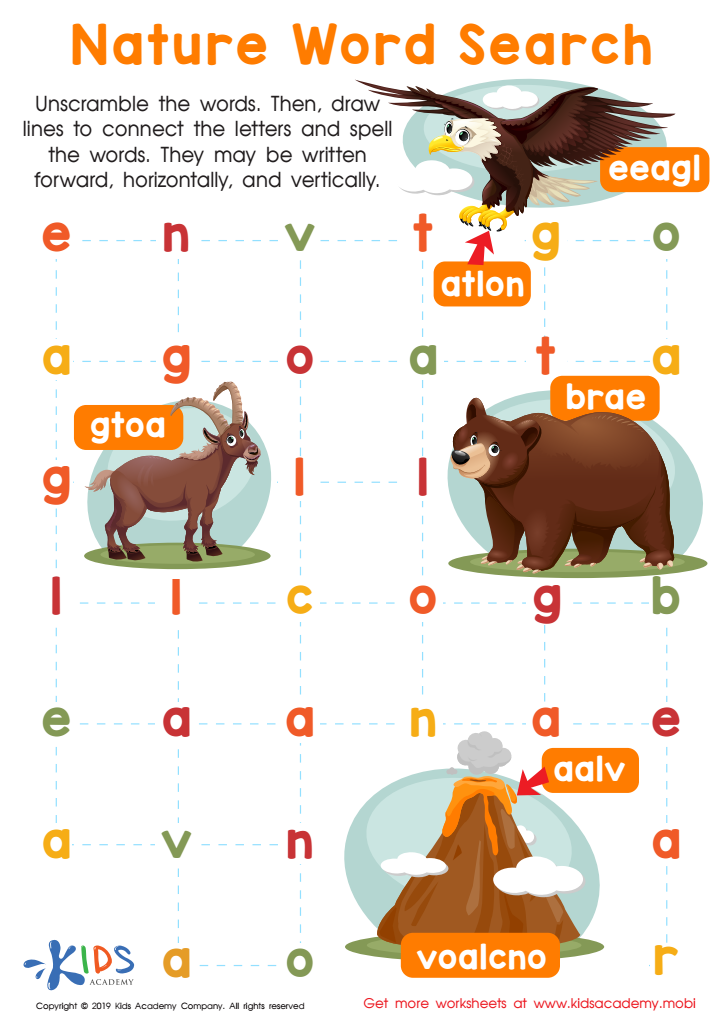
Nature Word Search Worksheet
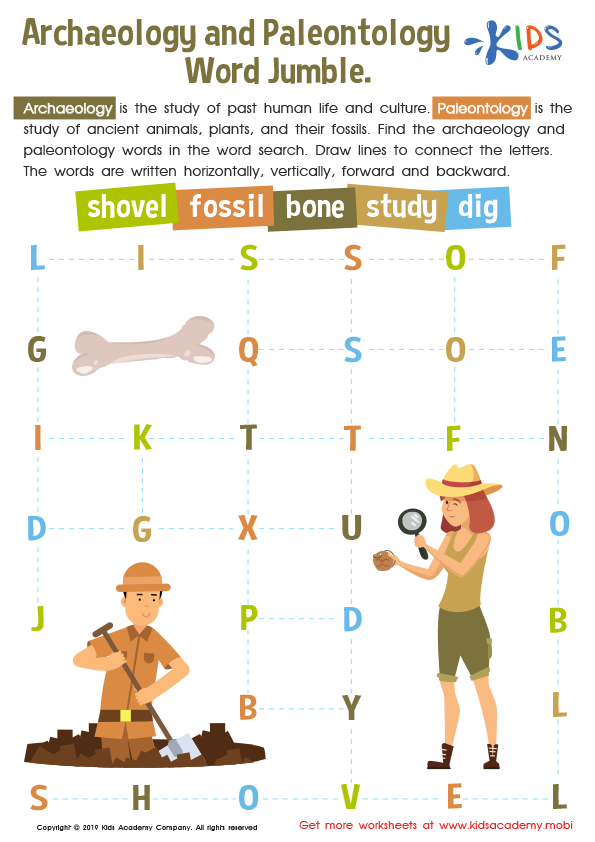
Archaeology and Paleontology Word Jumble Worksheet








Parents and teachers should care passionately about cognitive development, particularly in building vocabulary during Grade 3, because these critical years set the foundation for academic success and lifelong learning. At this stage, children are transitioning from learning to read to reading to learn, a shift that heavily relies on a robust vocabulary. Students with strong vocabularies can comprehend texts better, participate more fully in class discussions, and express their thoughts more clearly. This not only bolsters their reading skills but also enhances their overall cognitive abilities including critical thinking, problem-solving, and understanding complex concepts.
Moreover, a rich vocabulary aids in emotional development by enabling children to articulate their feelings and navigate social interactions more effectively. This is particularly important for building confidence and self-esteem. In a broadened context, vocabulary growth prepares children to engage with increasingly complex subjects across various domains, from science to social studies, fostering a well-rounded education.
Furthermore, research indicates that vocabulary development in early years is a strong predictor of later academic achievement. By focusing on vocabulary in Grade 3, educators and parents can help close achievement gaps, promote equity in education, and support every child's right to reach their full potential.
Investing in vocabulary building is, therefore, not just confined to language skills, but is pivotal for holistic intellectual and personal development.