Reading comprehension Grade 3 Building Vocabulary Worksheets - Page 2
30 filtered results
-
From - To
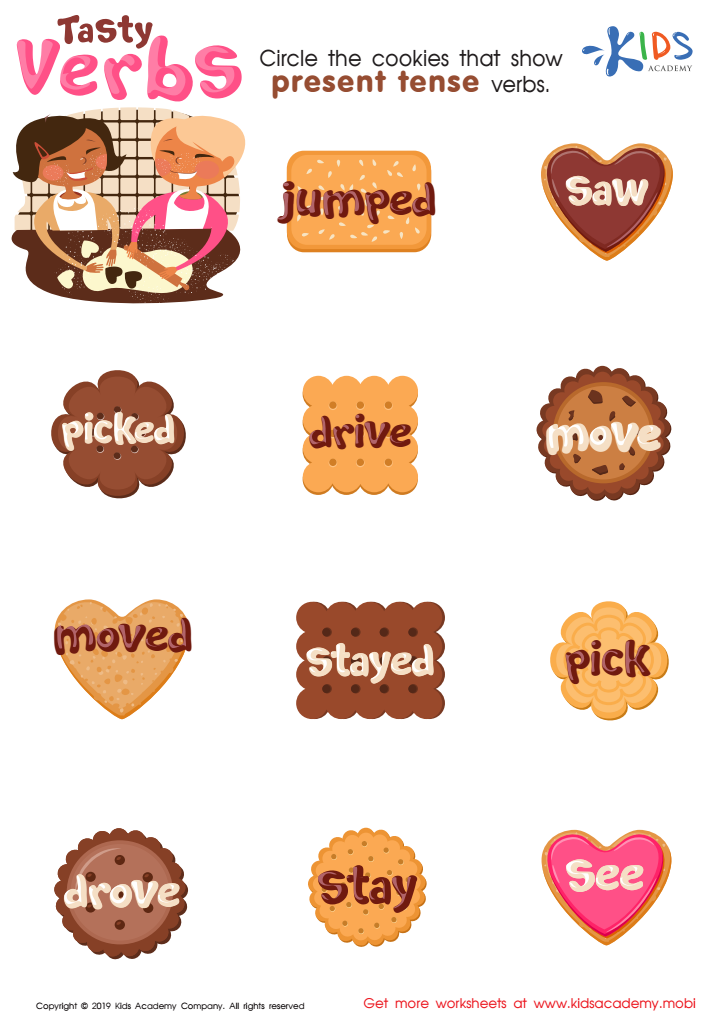
Tasty Verbs Worksheet
 Assign to My Students
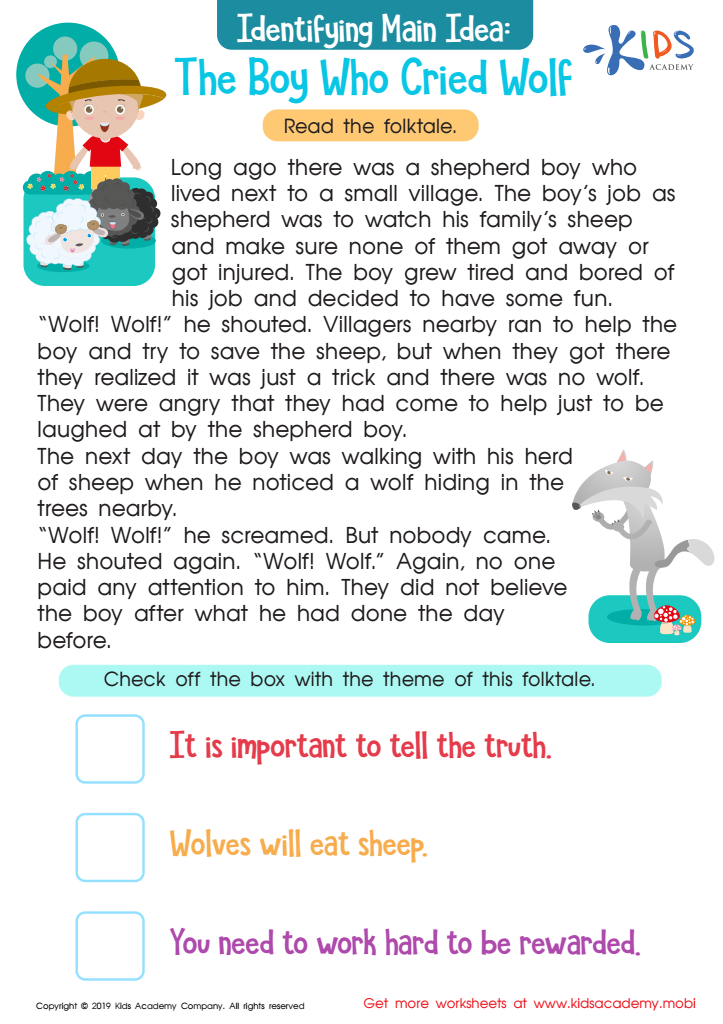
The Boy Who Cried Wolf Part 2 Worksheet
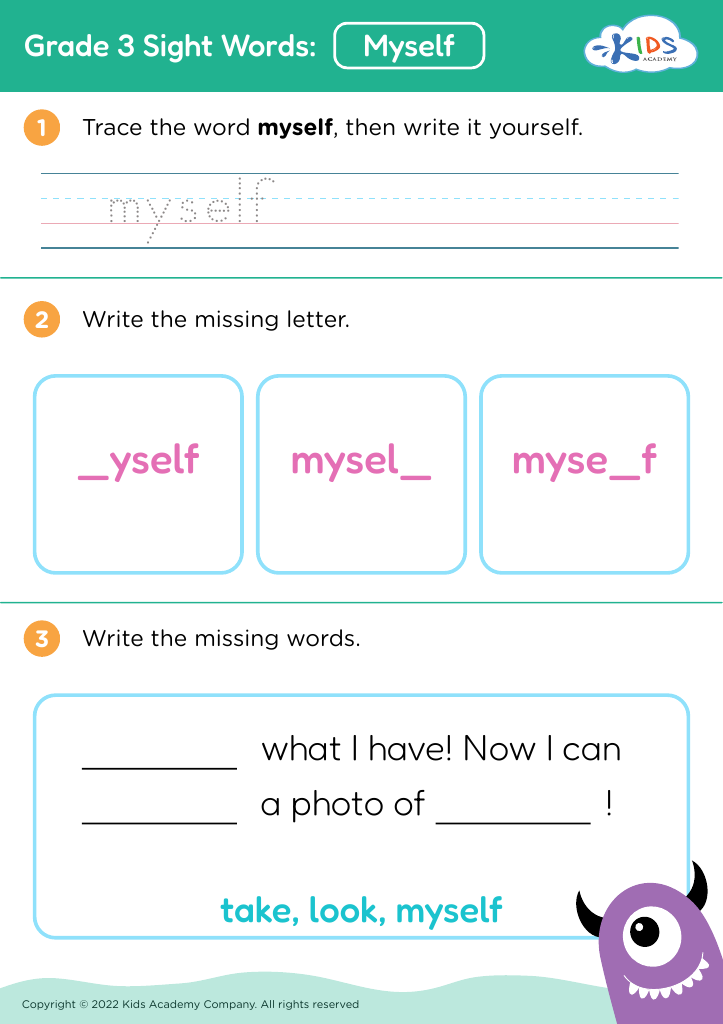
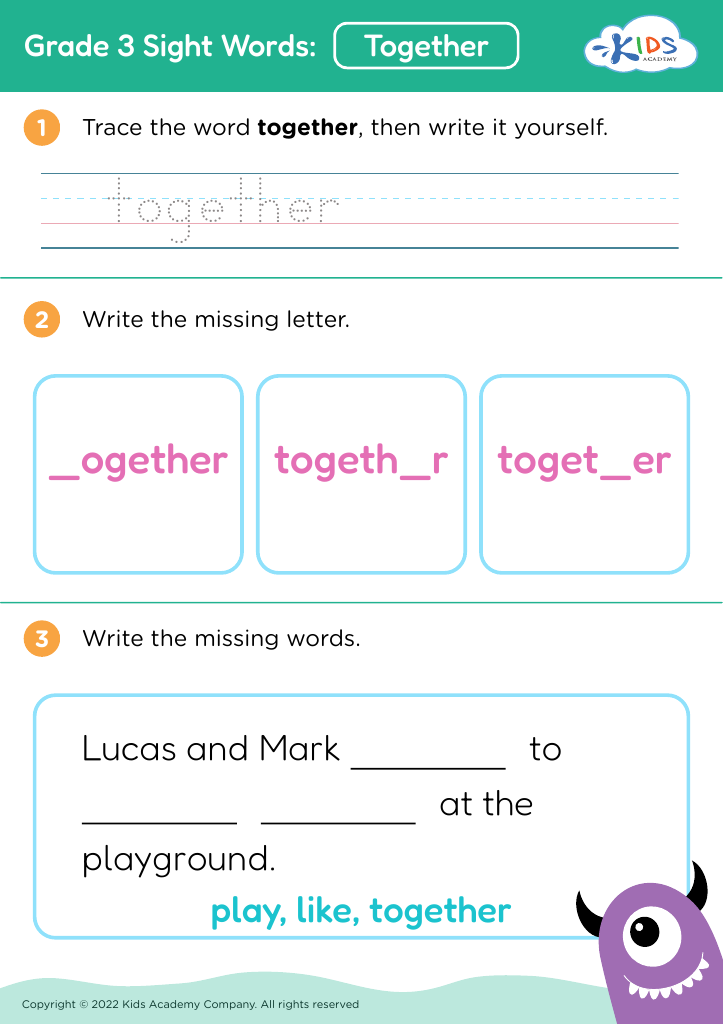
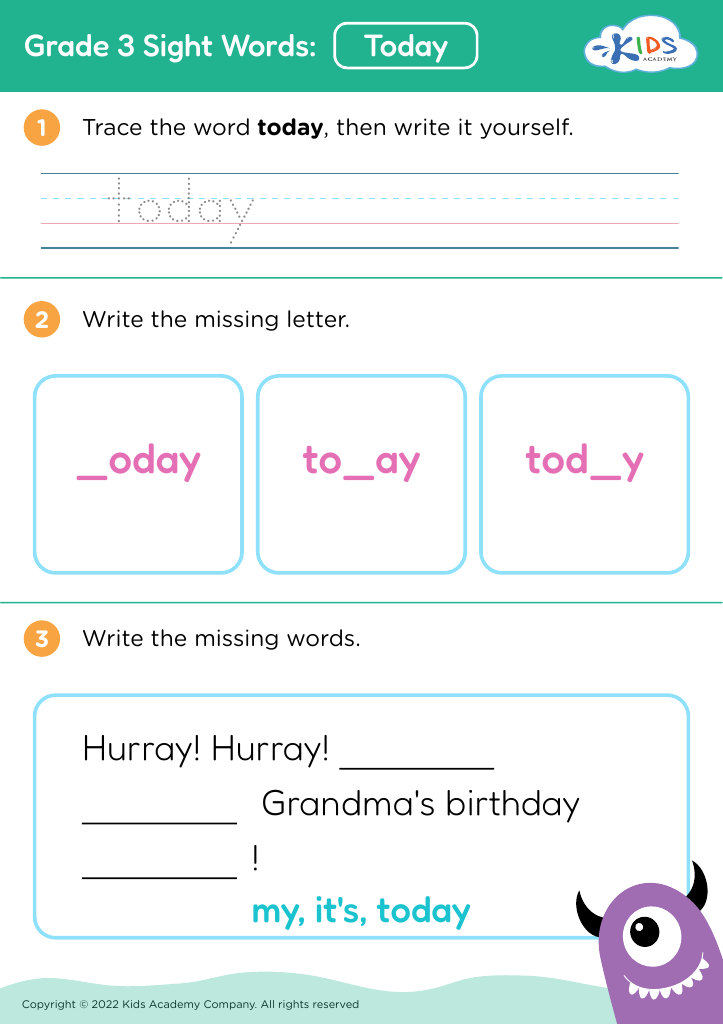






Reading comprehension is fundamental for third graders, as it lays the groundwork for future academic success. By building vocabulary at this stage, parents and teachers can significantly enhance a child's understanding and retention of what they read. A robust vocabulary helps children decode unfamiliar words, grasp nuanced meanings, and comprehend complex texts fully.
In Grade 3, students transition from learning to read to reading to learn. This shift requires a solid vocabulary foundation to engage successfully with diverse subjects, enhancing their reasoning and critical thinking skills. Children with strong vocabulary skills are more likely to excel academically, as they can express themselves clearly and understand curriculum concepts.
Parents and teachers can foster vocabulary growth through interactive read-alouds, discussions about word meanings, and engaging activities that encourage exploration of new words. This focus not only improves comprehension but also boosts confidence and a love for reading. Furthermore, children with better reading comprehension tend to perform well in all subjects, paving the way for lifelong learning. Ensuring that students develop their vocabulary at this early stage is a collective responsibility that will yield lasting benefits for their educational journey.