Critical Thinking Grade 3 Reading Worksheets
11 filtered results
-
From - To
Enhance your third grader's reading skills with our Critical Thinking Grade 3 Reading Worksheets. Designed to foster analytical and critical thinking in young minds, these worksheets incorporate engaging texts and thought-provoking questions. Each activity encourages students to make inferences, draw conclusions, and connect ideas, promoting deeper comprehension and problem-solving abilities. Perfect for classroom use or supplemental home study, these printable resources help children develop crucial skills necessary for academic success and everyday reasoning. Elevate your child's learning journey with our expertly crafted worksheets that make reading not just educational, but also enjoyable.
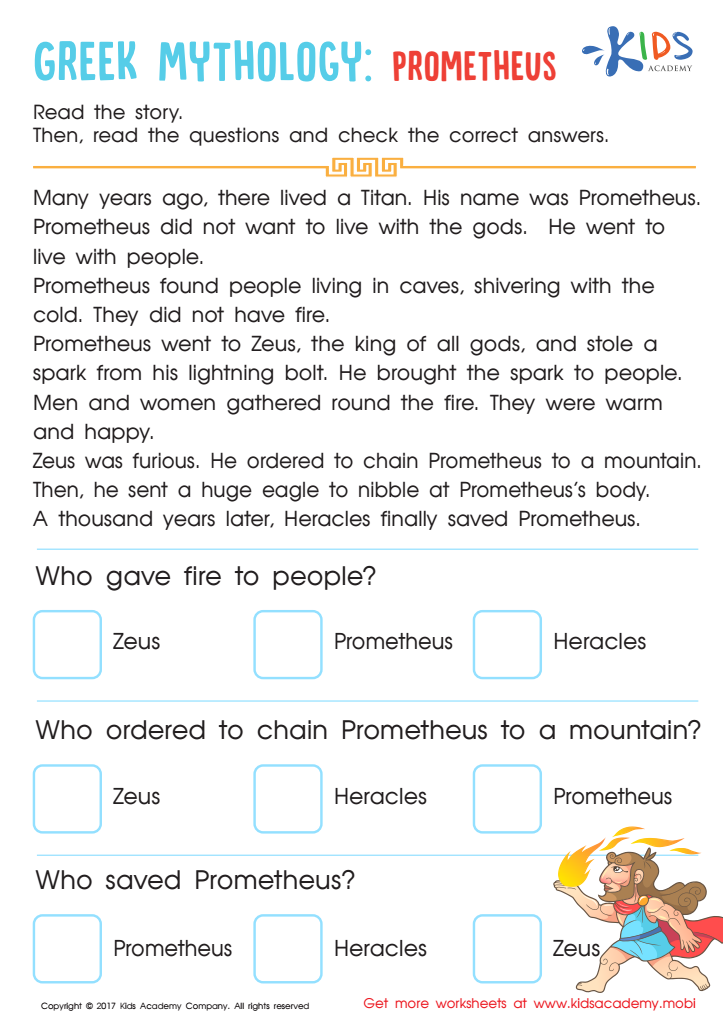
Prometheus Story Worksheet
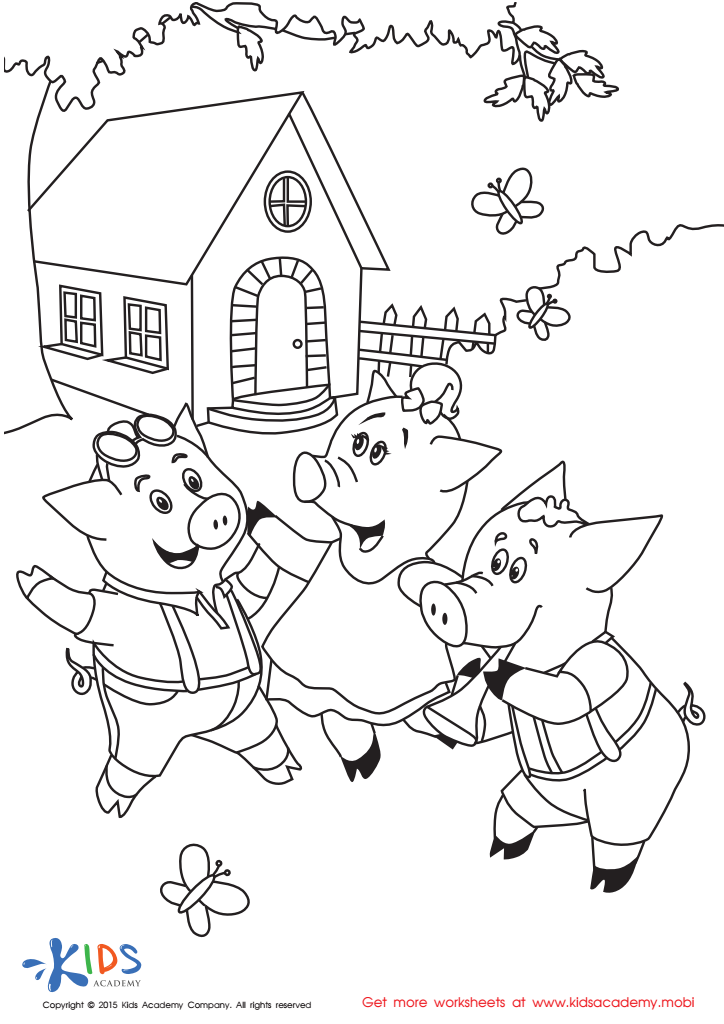
Folktales Printable PDF Worksheet: The 3 Little Pigs
 Assign to My Students
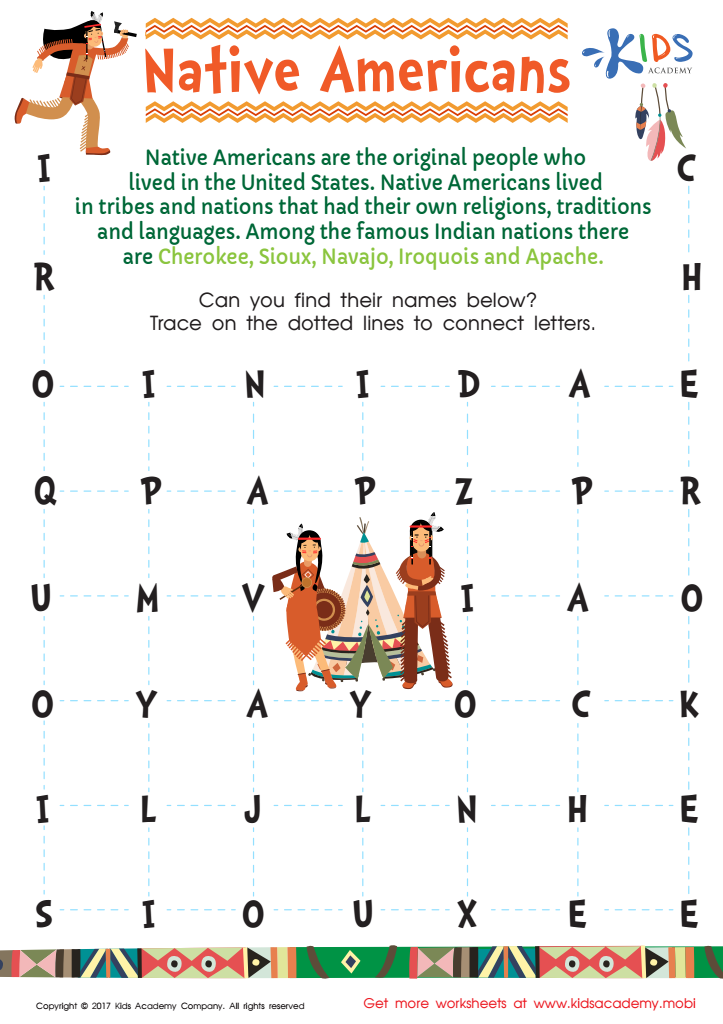
Native American Word Search Printable
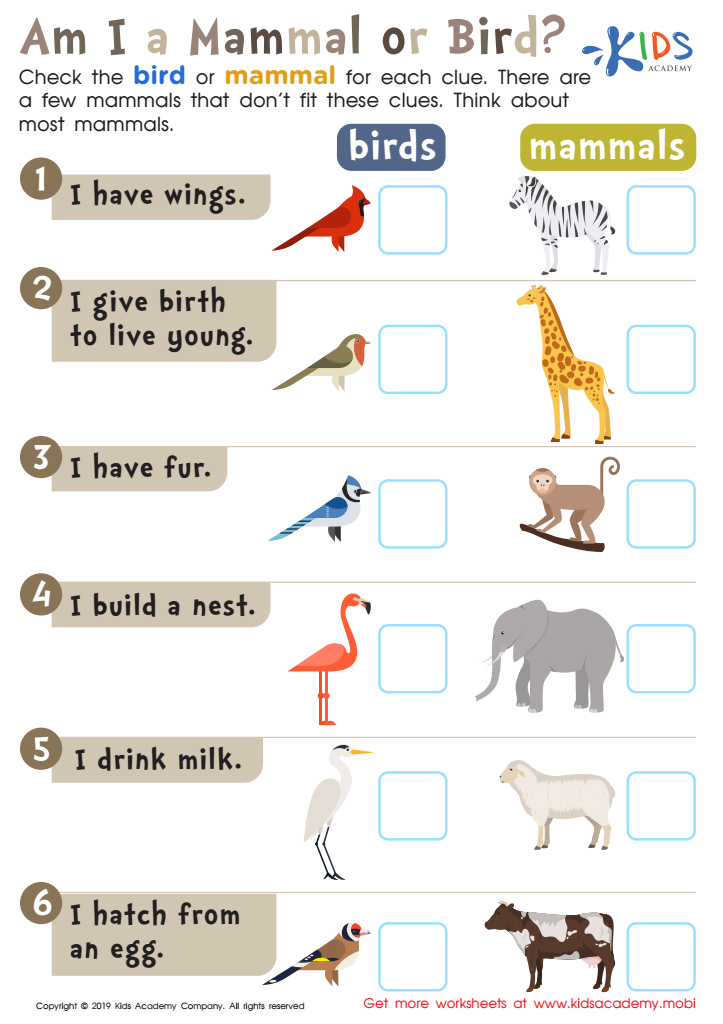
Am I a Mammal or Bird? Worksheet
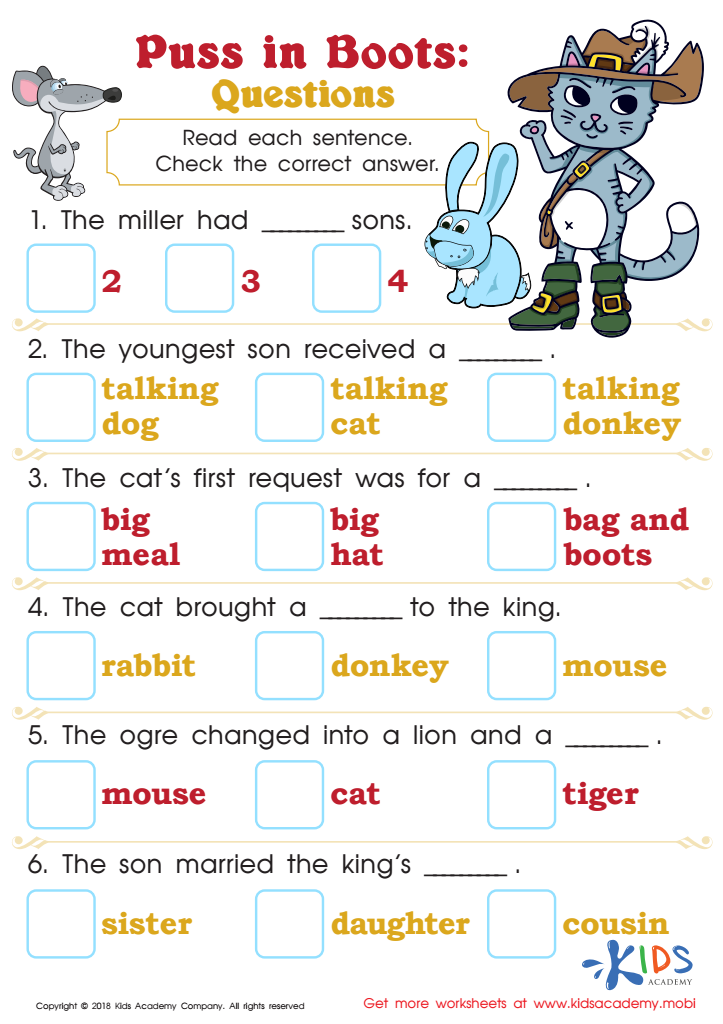
Puss in Boots: Questions Worksheet
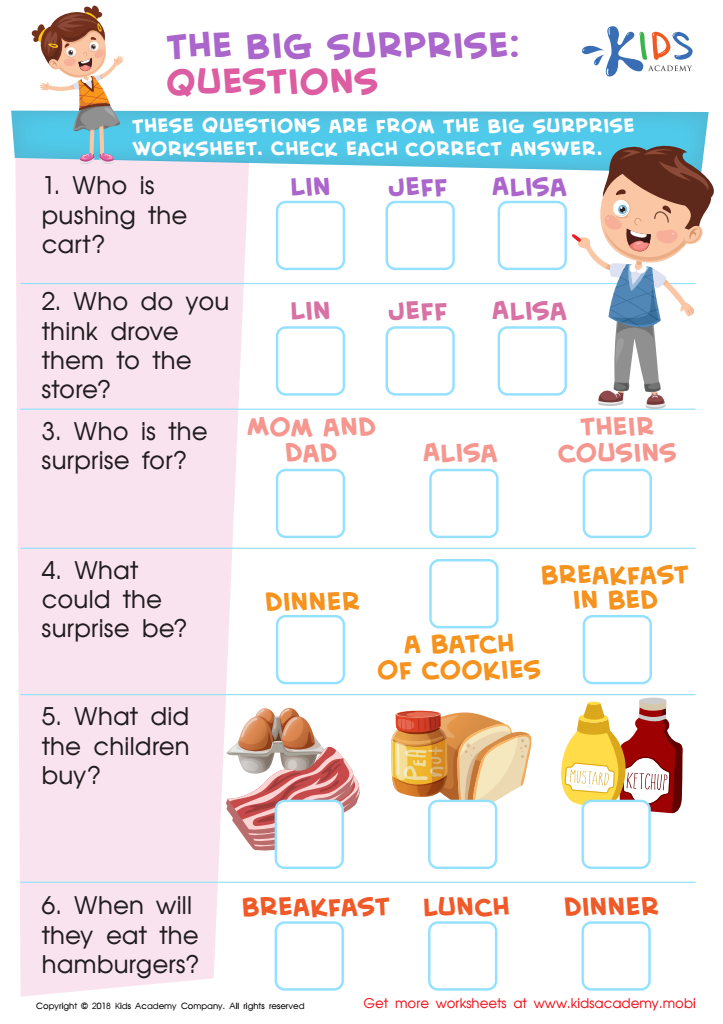
The Big Surprise: Questions Worksheet
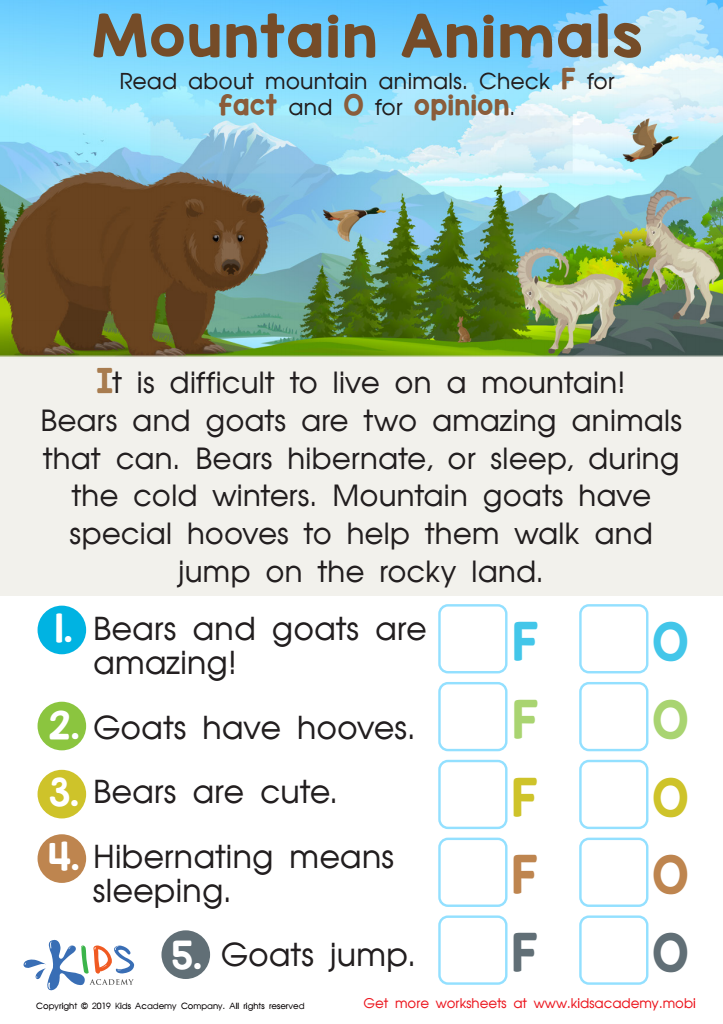
Mountain Animals Worksheet
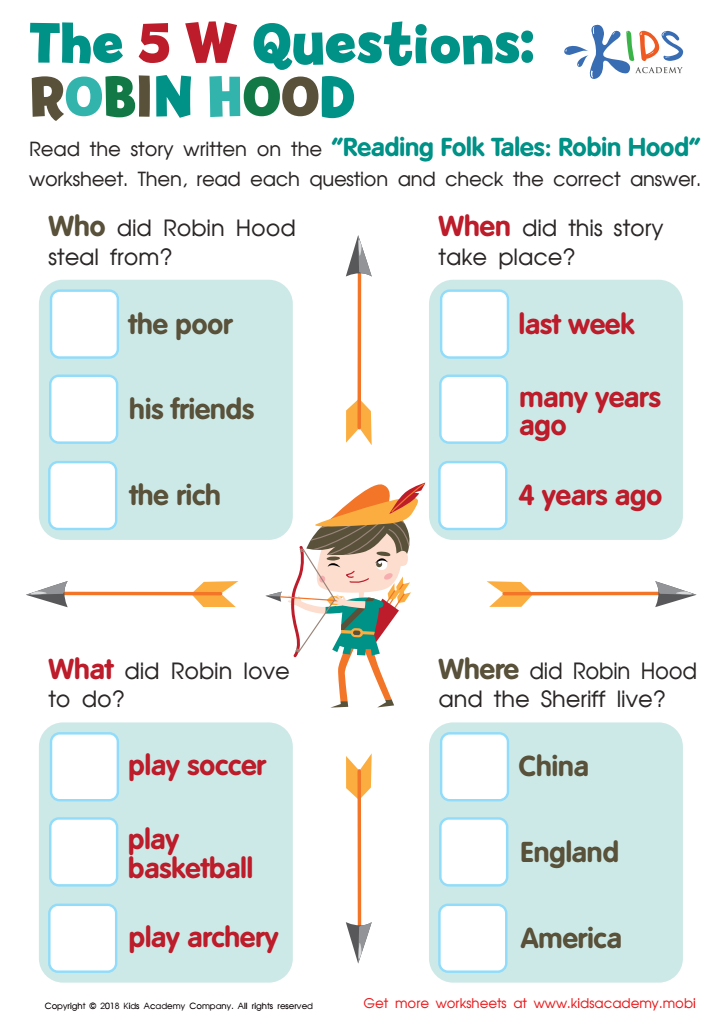
The 5 W Questions: Robin Hood Worksheet
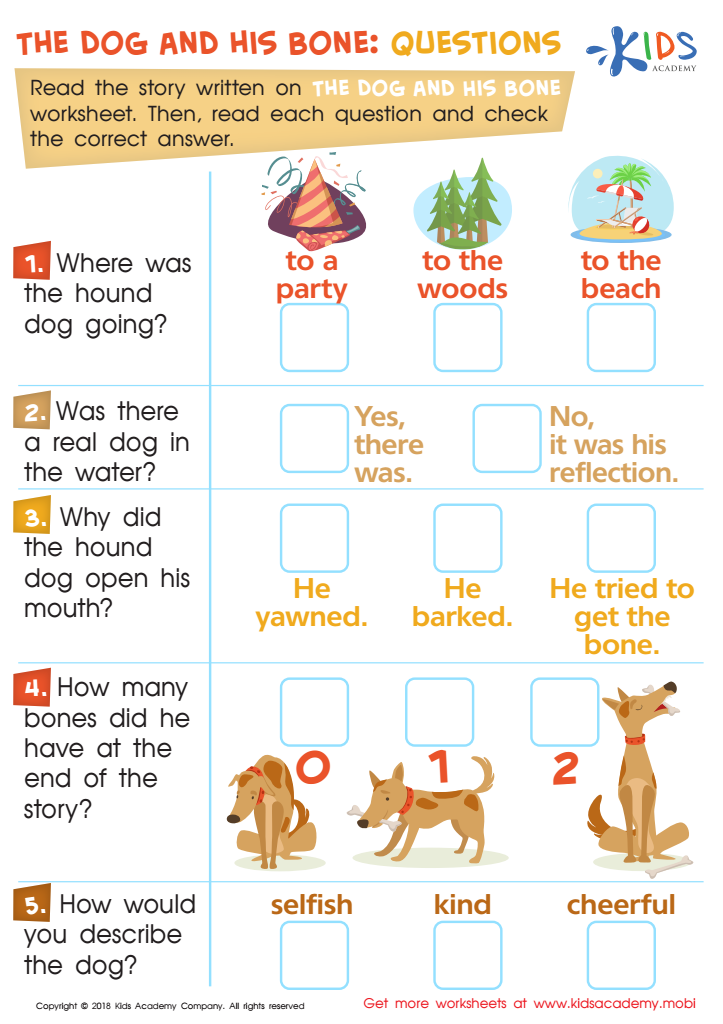
The Dog and His Bone: Questions Worksheet
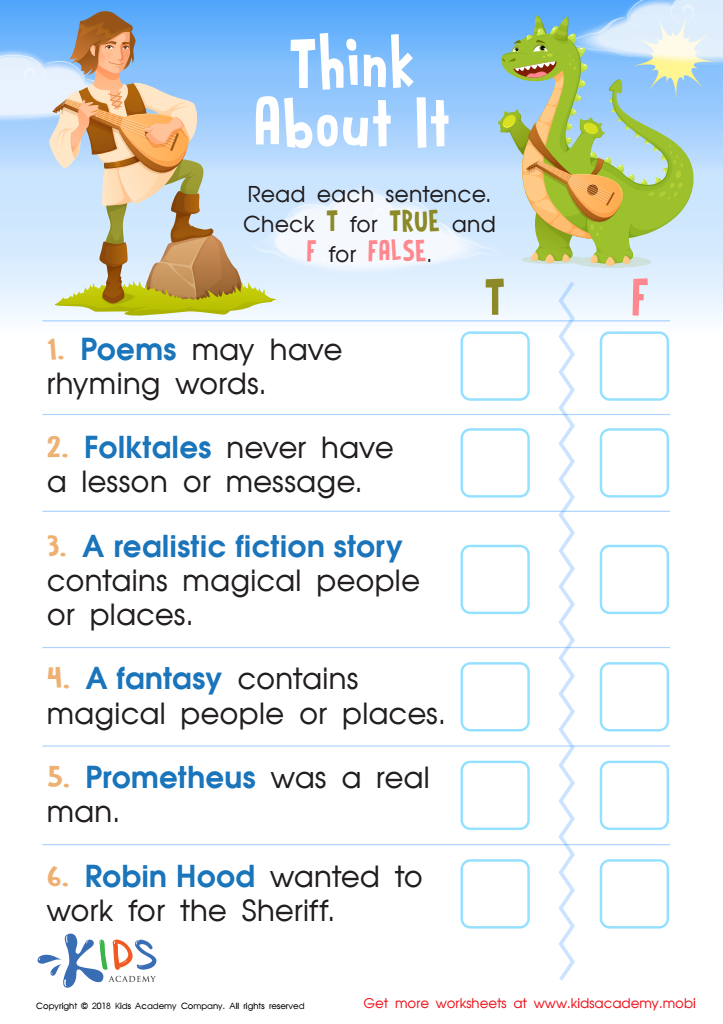
Think About It: Assessment Worksheet
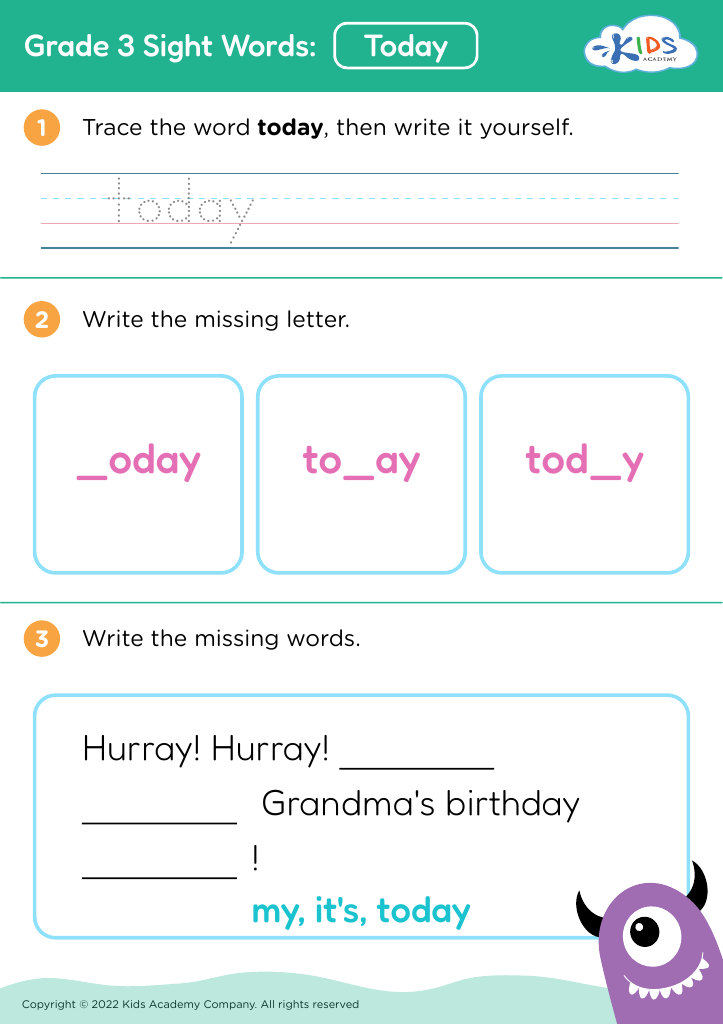







Critical thinking in Grade 3 reading is a fundamental building block for a child’s intellectual development, which shapes how they interpret the world around them. At this stage, children are transitioning from learning to read to reading to learn. Encouraging critical thinking ensures they don't just passively absorb information but engage with it actively. When parents and teachers emphasize critical thinking, children learn to ask questions, make connections, and infer meanings, which fosters deeper comprehension.
For parents, supporting their child’s critical thinking in reading helps improve not just academic outcomes but also everyday problem-solving skills. By discussing stories, asking open-ended questions, and encouraging curiosity, parents contribute to their child's ability to think independently and approach challenges creatively.
Teachers benefit from nurturing critical thinkers as these students are better equipped to understand and engage with complex texts, preparing them for more advanced grades. Moreover, critical thinkers tend to excel because they can reason, analyze, and synthesize information from different sources, making learning more meaningful and less about rote memorization.
Investing in critical thinking for Grade 3 reading sets a foundation for lifelong learning. Children become more inquisitive, thoughtful, and prepared to navigate the vast information landscape they will encounter, both in school and in their future lives.