Learning about ecosystems Grade 3 Animals Worksheets
3 filtered results
-
From - To
Discover the wonders of ecosystems with our engaging Grade 3 Animals Worksheets! Designed specifically for third graders, these worksheets provide a fun and interactive way for students to explore various animal habitats and their interdependence within ecosystems. Through activities that promote critical thinking and creativity, young learners will gain valuable insights into food chains, environmental roles, and conservation. Printable and easy to use, our worksheets align with educational standards, making them perfect for classroom or at-home learning. Foster curiosity about nature and wildlife—help your students become eco-conscious citizens today! Visit us to access these exciting resources and nurture a love for science!
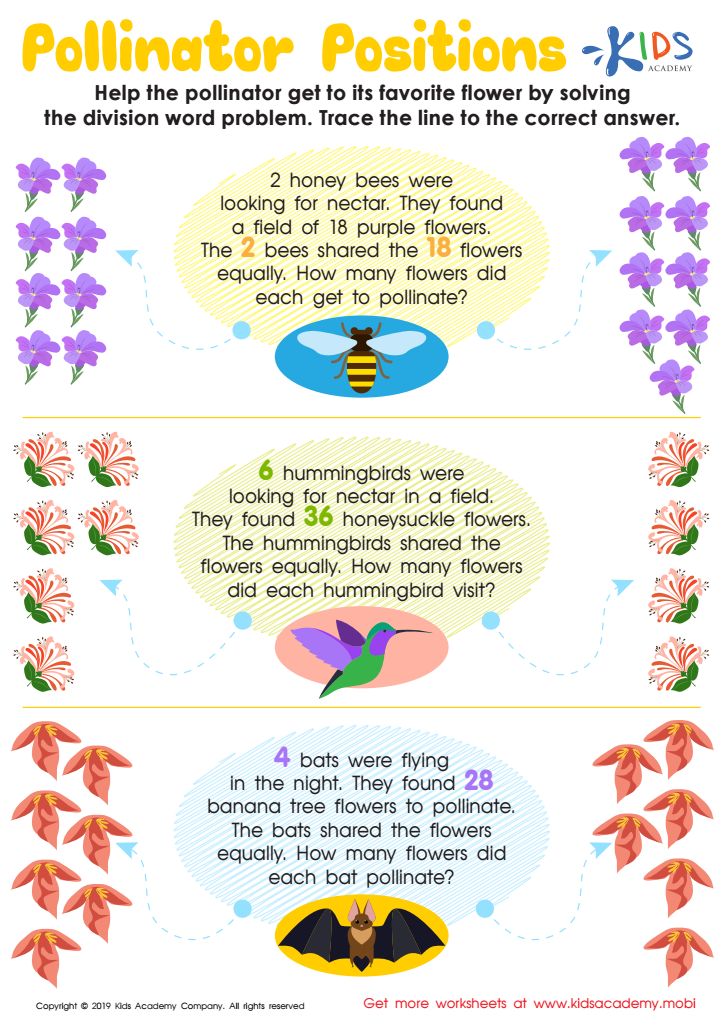
Pollinator Positions Worksheet
 Assign to My Students
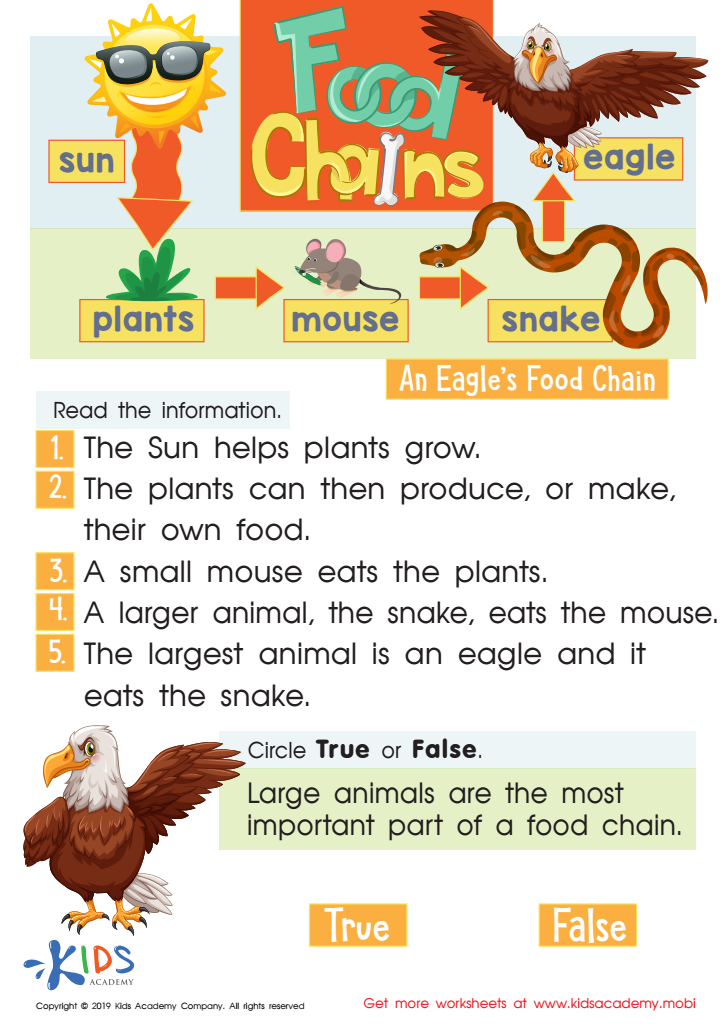
Food Chains Worksheet
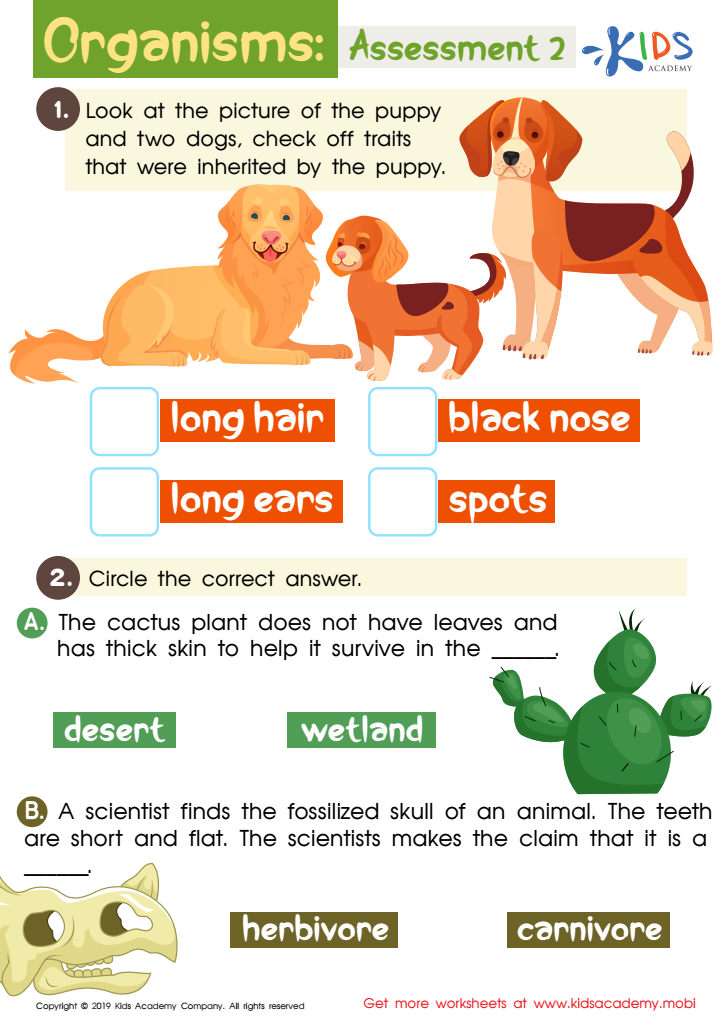
Organisms: Assessment 2 Worksheet







Understanding ecosystems is essential for third graders, as it lays the foundation for their awareness of the natural world and biodiversity. When teachers and parents engage students in learning about ecosystems and animals, they help foster curiosity and a sense of responsibility towards the environment. Through exploring different habitats and the relationships between organisms, children develop critical thinking skills, as they learn about food chains, interdependence, and the impact of human activities on wildlife.
By understanding ecosystems, students gain insights into the importance of conservation and sustainability. This knowledge empowers them to make informed choices about protecting animals and their natural habitats. Parents and teachers can leverage this learning to instill values of empathy and respect for all living creatures, encouraging children to advocate for environmental issues.
Moreover, incorporating ecosystem study into everyday learning can enhance literacy and scientific inquiry skills, as students engage in research, discussions, and hands-on activities. Ultimately, fostering an appreciation for ecosystems cultivates a new generation of environmentally-conscious citizens, ready to take action and be stewards of their planet. This connection to biological concepts not only enriches their academic journey but also promotes emotional intelligence and global awareness in young learners.