Categorization skills World Around Us Worksheets
3 filtered results
-
From - To
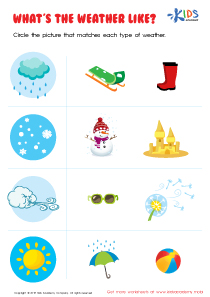
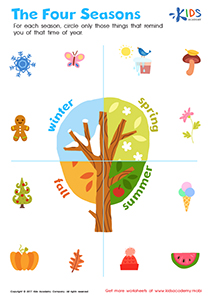
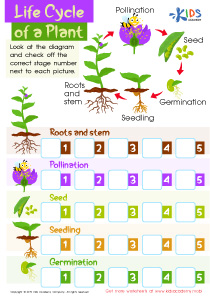
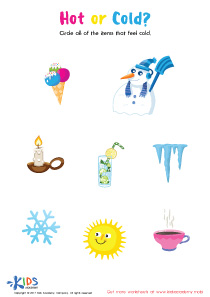
Discover our engaging "Categorization Skills: World Around Us Worksheets" designed to enhance children's ability to sort and organize information in a fun way. These worksheets help young learners explore their environment by categorizing various objects, animals, and concepts. Fostering critical thinking, these activities promote cognitive development while aligning with educational standards. Perfect for early grade classrooms or at-home learning, our worksheets are simple to understand and implement, making learning enjoyable for both teachers and students. Encourage your child’s observational and analytical skills today with these interactive resources and watch them thrive as they make sense of the world around them!
 Assign to My Students
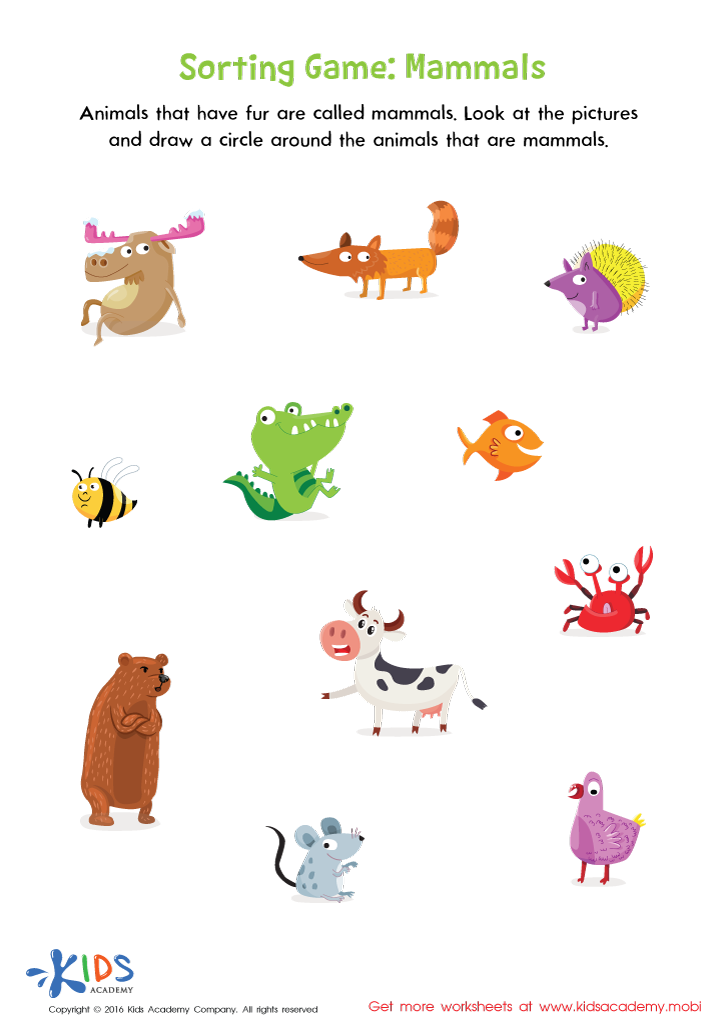
Mammals Sorting Worksheet
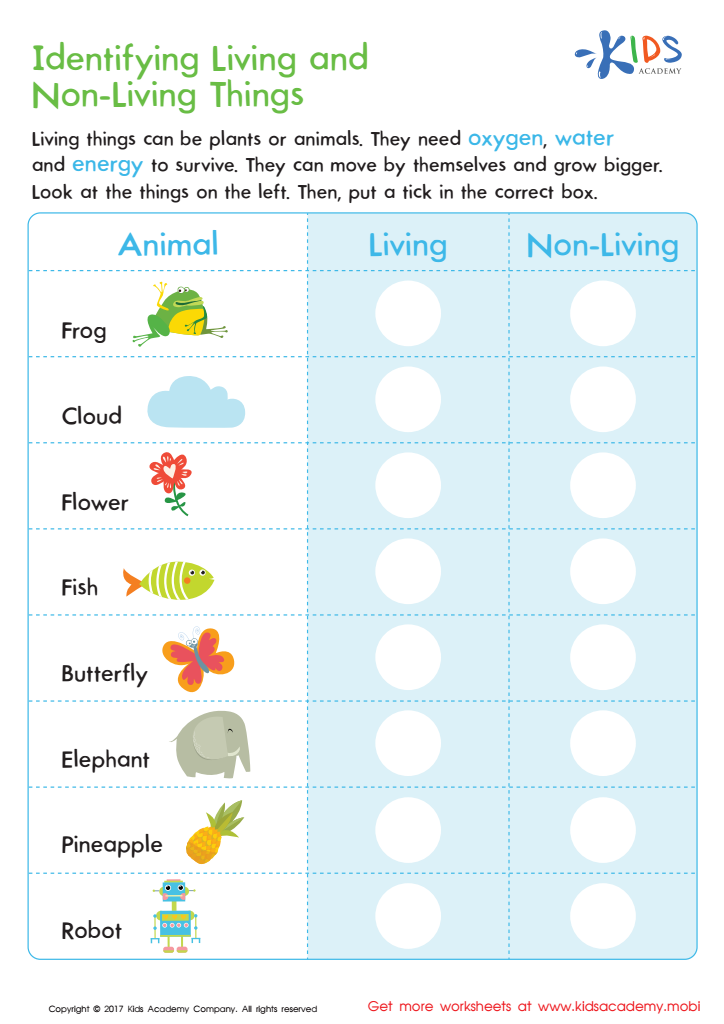
Identifying Living or Non–living Worksheet





.jpg)
Categorization skills are fundamental for children's cognitive development, particularly in their understanding of the world around them. These skills involve grouping objects, ideas, or information based on shared characteristics, promoting critical thinking and language development. Parents and teachers should prioritize these skills because they pave the way for effective organization and comprehension of complex information, facilitating better learning outcomes.
When children categorize, they learn to recognize patterns and relationships, enhancing their problem-solving abilities. This skill is crucial for subjects like science and mathematics, where classification can lead to deeper insights. Furthermore, categorization aids in social development; children learn to navigate social norms and interactions by grouping people or events with similar attributes.
Encouraging categorization also boosts children's autonomy and confidence. As they make connections and draw comparisons, they become empowered learners who can express ideas and opinions clearly. Therefore, parents and teachers should provide opportunities for children to practice these skills through engaging activities, games, and discussions. By nurturing categorization skills, we equip children with essential tools for effective communication, academic success, and lifelong learning—fundamental components for navigating the world around them.