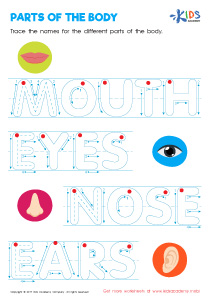
Weather Vocabulary World Around Us Worksheets
3 filtered results
Difficulty Level
Grade
Age
-
From - To
Subject
Activity
Standards
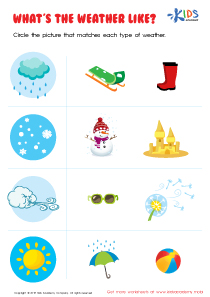
Explore our "Weather Vocabulary World Around Us Worksheets," designed to introduce young learners to essential weather-related terms! Each worksheet is filled with engaging activities and illustrations that make learning fun. From sunny skies to stormy weather, these resources help kids understand and use weather vocabulary confidently. Perfect for early grade teachers or homeschooling parents, our worksheets align with educational standards while sparking curiosity about the natural world. Enhance your child's meteorological knowledge today with our vibrant, user-friendly collection. With our worksheets, kids will not only learn new words but also develop a greater appreciation for the weather and its impacts on the world around us.
Favorites
With answer key
Interactive
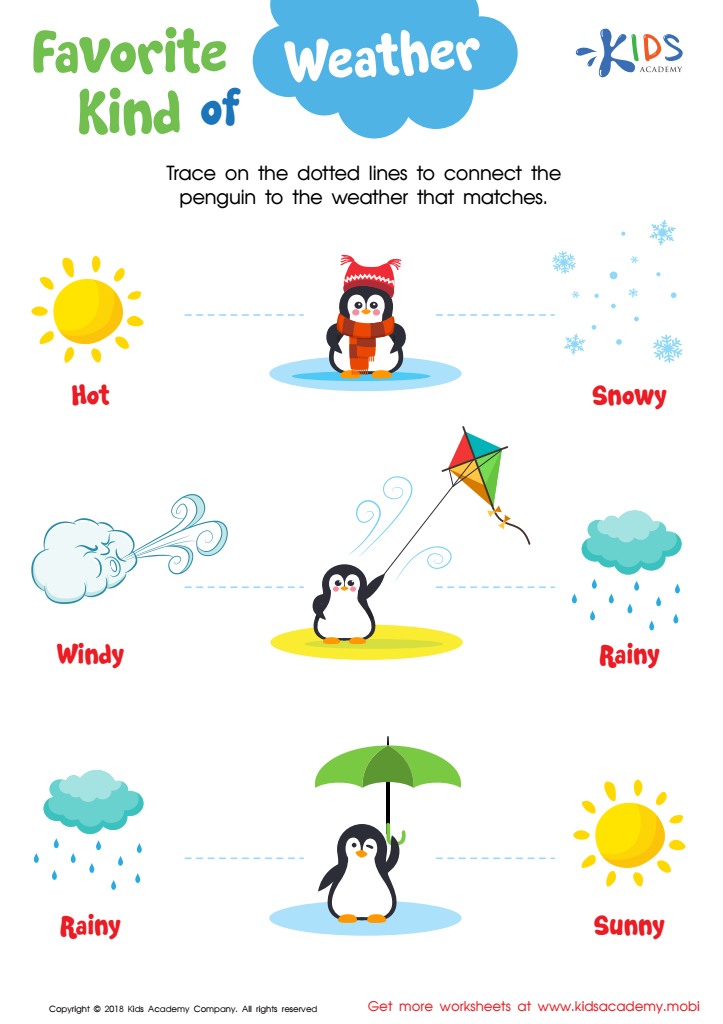
Favorite Kind of Weather Worksheet
!
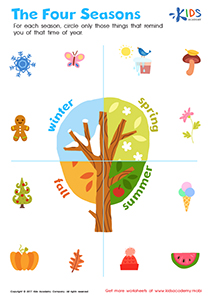
Help your child understand weather and seasons with this fun worksheet featuring a cute penguin. They'll learn to recognize types of weather and associate them with seasons. To practice their fine motor skills, they'll trace lines to select the right seasons and weather. Kids will make a new friend while broadening their knowledge of nature.
Favorite Kind of Weather Worksheet
Worksheet
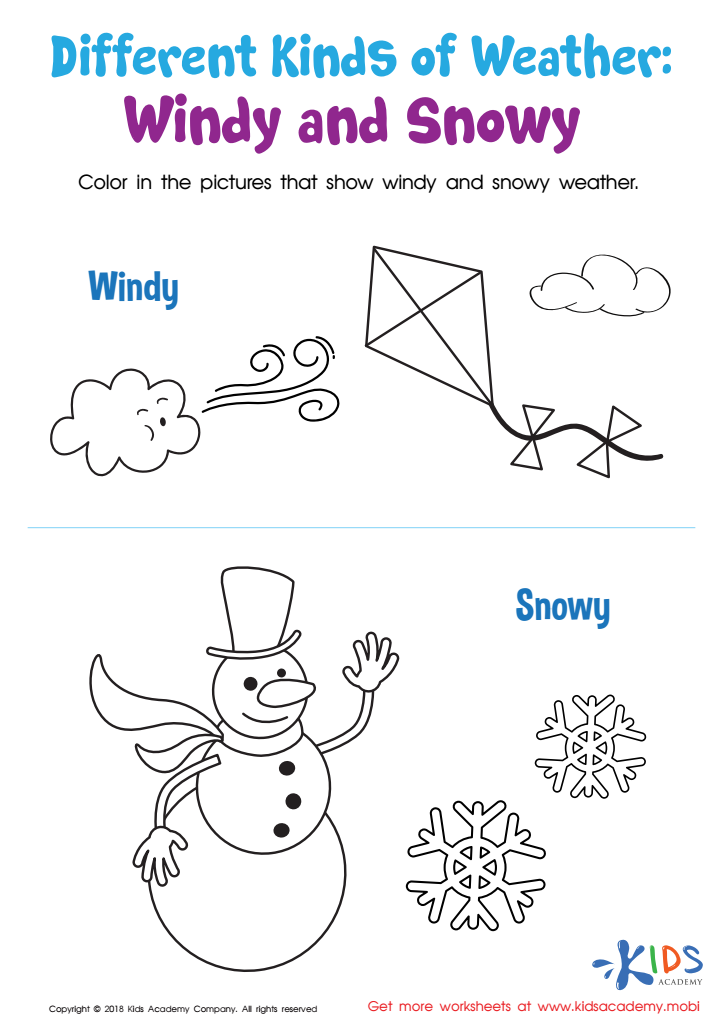
Different Kinds of Weather: Windy and Snowy Worksheet
Invite your little learner to practice their fine motor skills and learn about nature with this fun and charming PDF worksheet! Reinforce weather patterns and examine their environment as they color, giving them a foundation for understanding how weather affects them. No matter the weather, your learner will have a blast!
Download (PDF)
 Assign to My Students
Assign to My Students
Different Kinds of Weather: Windy and Snowy Worksheet
Worksheet
Join Kids Academy for Free
Who is primarily going to use this learning content?








Understanding weather vocabulary is essential for young learners as it expands their awareness and helps them engage meaningfully with the world around them. Weather, a constant and impactful part of daily life, directly influences various activities, from choosing appropriate clothing to planning outdoor events.
For parents, instilling weather-related knowledge fosters children's sense of security and preparedness. By identifying terms like "sunny," "cloudy," "rainy," or "snowy," children can better understand and anticipate changes in their environment. This awareness helps them make informed decisions and follow safety measures, such as wearing a raincoat during a storm or applying sunscreen when it's sunny.
Teachers play a crucial role by integrating weather vocabulary into the curriculum. This integration enhances language development as students broaden their vocabulary, learn to articulate observations, and engage in description-based activities. Discussing weather also bolsters cognitive skills, as children recognize patterns, make predictions, and draw scientific conclusions.
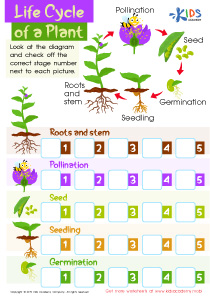
Moreover, weather studies connect seamlessly with other subjects. For example, in science, learning about the water cycle and seasonal changes ties to weather terms. In geography, students understand how different climates affect regional cultures and lifestyles. This interdisciplinary approach cultivates curiosity and holistic learning, illustrating the importance of weather vocabulary in comprehending and appreciating the world.