How to Create a Beneficial Home Environment for a Child with ADHD
May 14, 2026
According to the NHS most recent figures, 741,000 children and young people in the UK (aged 5-24) have been diagnosed with ADHD. The study also noted that 549,000 people were currently awaiting an ADHD assessment, with new referrals for assessments at an increase of 13.5% from March 2024. In the US, according to CDC quoted figures, an estimated 7 million children and young people between the ages of 3-17 have been diagnosed with ADHD.
One of the challenges for those living with ADHD is processing and managing stimuli, which can often lead to overstimulation. According to the UK organisation ADHDZone, those with ADHD can experience overstimulation as a flooding sensation due to specific sensory input. This can be from a variety of noises, lighting, too many people, fatigue, different emotions or mental overload.
In a time of rising reliance on digital devices, which can lead to sensory overload in much shorter timeframes, it is an extremely challenging time for families and caregivers with children diagnosed with ADHD to ensure they are calm and content.
This article will dive a little deeper into the causes of overstimulation in children with ADHD, and explore key techniques to reduce it during home life. If you're a teacher and want to learn how to create beneficial conditions for children with ADHD in class, read this article.
Specific Stressors for children with ADHD
As noted above, children with ADHD are already predisposed to be more easily overloaded by specific sensory input than those without ADHD. UK charity, ADHD UK says ADHD is defined by the characteristics of inattention, hyperactivity and impulsivity.
Excessive Screen Time
A 2023 study quoted by Scientific Reports of 4000 Canadian high school students, over a five year period, found that increases in screen time in a given year exacerbated ADHD symptoms “over and above common vulnerability.” The study found that impulsivity was worsened by this interaction with screens.

Alongside exacerbating ADHD symptoms and triggering overwhelm, excessive screen times also negatively impacts children’s social development and can lead to struggles with communication, bonding and social interactions. Child Psychiatry Today shares how youngsters spending too much time on screens, have less time to practice reading social cues from body language and facial expressions, which can inhibit their ability to respond appropriately in social situations.
A Lack of Structure
Another stressor which can lead to overstimulation for children with ADHD is unclear boundaries, and a lack of structure. Children of all ages, and all varieties crave routine. It is what makes them feel safe. Children have incredibly curious minds, and even within structured frameworks, educators and parents alike know how much they love to ask questions about the day's activities.
It therefore makes complete sense that without a sense of structure, children, especially those with ADHD, can more quickly become overstimulated and struggle to emotionally regulate. Without guidance, a loose outline of what to expect today, children can feel lost and out of control.
Poor Sleep Hygiene
Another stressful thing for families including a child with ADHD can be a consistent sleep routine. According to Children’s Sleep Australia, youngsters with ADHD can struggle with fragmented sleep, difficulty falling asleep and daytime sleepiness. This is affected by the neurological differences that cause hyperactivity and impulsivity which leads to an “on” state that can make it hard to drift off.
Techniques to Support Youngsters with ADHD
Let’s explore tools to support consistency, creativity and calm in the home environment.
Mindful, active, creative activities away from screens
Children spending excessive time connected to screens are missing out on key in-person social bonding experiences, as well as crucial time to learn to occupy themselves in a more creative, imaginative way. These more mindful activities allow children, especially those with ADHD, to regulate overwhelm and reduce the likelihood of overstimulation.

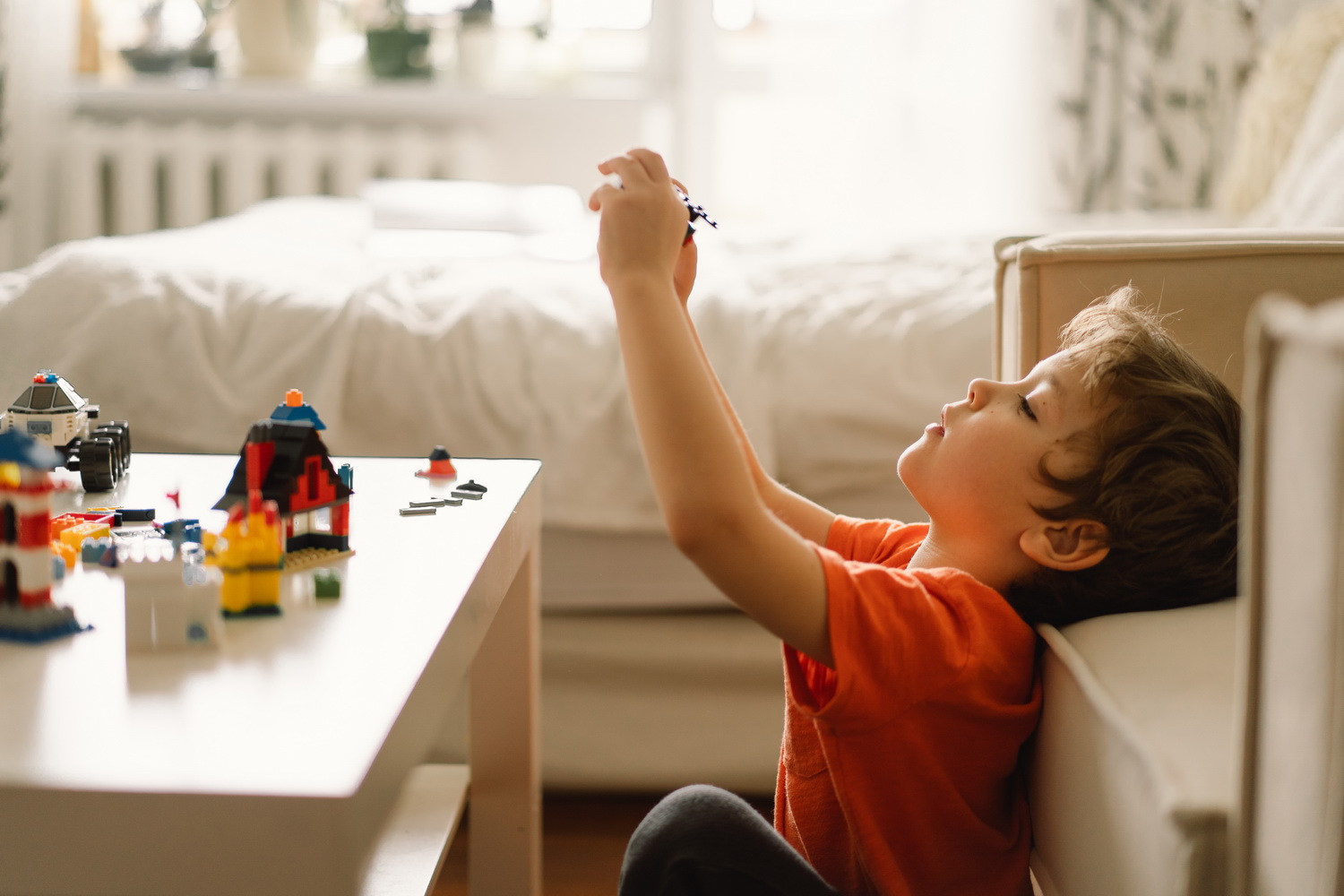
Introducing regular time outside is crucial to dispel built up energy that may accumulate when static. Also introducing games that focus on creativity and expressive play, allow children to focus and channel their energy into something that can expel energy and produce an end result (drawing, craft or project) can boost children’s mood and provide tangible, mindful activities to focus attention on throughout the day.
Encouraging children to play with others also enables them to develop teamwork and collaborative skills that are crucial for their social development.
Boundaries in the Home
The need for boundaries and routine,as mentioned above, is imperative for all children, not just those youngsters with ADHD. Try making a daily schedule with your child to outline what you will do at different times, through from wake up time to bed. Once created, stick the visual schedule somewhere visible in your home and the child’s room so they know what to expect and are less caught off guard.
This should also incorporate established device or screen time which should be consistently followed to ensure clear expectations are outlined in the home.
Sleep Routine
Another way to establish routine is through a stable and relaxing sleep time routine. This can include booktime before sleep and breathing exercises to show your child it is nearing time to wind down. Making sure the space is set up for sleep is also important, ensuring there are dimmed lights, a comfortable temperature and noise levels that can encourage restfulness.

Ensuring medications, if taken, are regularly monitored to support sleep is important, as is ensuring physical activities are consistent during the day. Keep things calm at bedtime to ensure the day ends in a restful, clear way.
Encouraging children to focus on what they love
A final tip, which is encouraged by ADHD NZ, is to really support your child to explore what they love. If they show an interest in dinosaurs, drawing, or the solar system, allow them to focus on that.
There are lots of attributes of having ADHD that can be effectively channeled into specific areas, and can support your child to be content and successful. Don’t be afraid to let them follow their focus.
I hope this offers useful advice to make home a calm, creative and consistent environment to support your child’s growth! Read more informative articles about children's development, learning and well being in our Parents' Blog.
References:
ADHD Management Information - May 2025 - NHS England Digital
Screen Time's Impact on Children's Social Skills: A Must-Read
Sleep in Children with ADHD — Children's Sleep Australia
ADHD NZ - Succeeding with ADHD