Our Planet and Environment worksheets activities for Ages 3-8
5 filtered results
-
From - To
Discover our engaging "Our Planet and Environment" worksheets, designed specifically for children ages 3-8! These fun and interactive activities introduce young learners to essential concepts about nature, sustainability, and ecosystems. Kids will explore topics such as recycling, wildlife, and biomes through colorful illustrations and exciting exercises. The worksheets are perfect for enhancing critical thinking and fostering a love for our planet, while also developing foundational skills in reading, writing, and problem-solving. Ideal for home or classroom use, these resources make learning about the environment enjoyable and impactful. Join us in nurturing a generation of environmentally conscious kids!
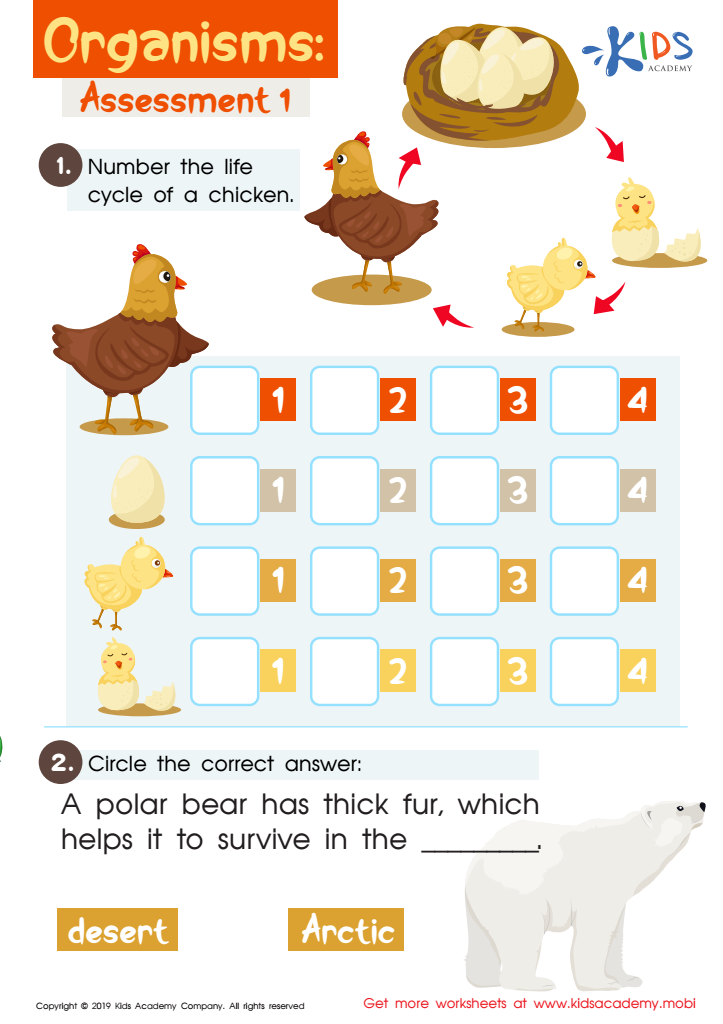
Organisms: Assessment 1 Worksheet
 Assign to My Students
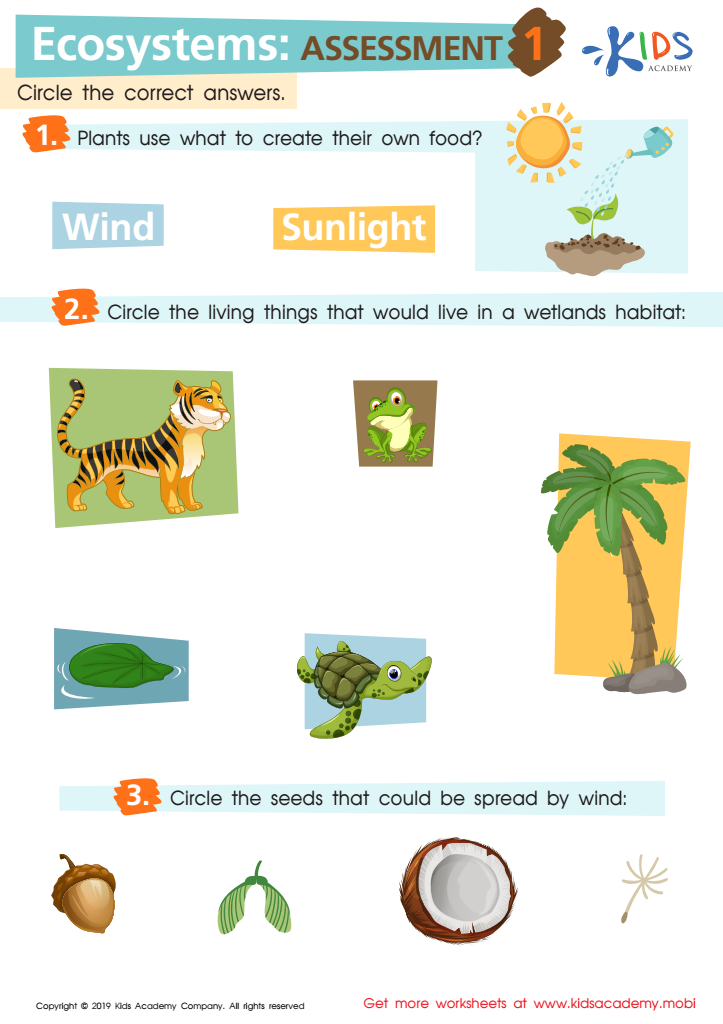
Ecosystems: Assessment 1 Worksheet
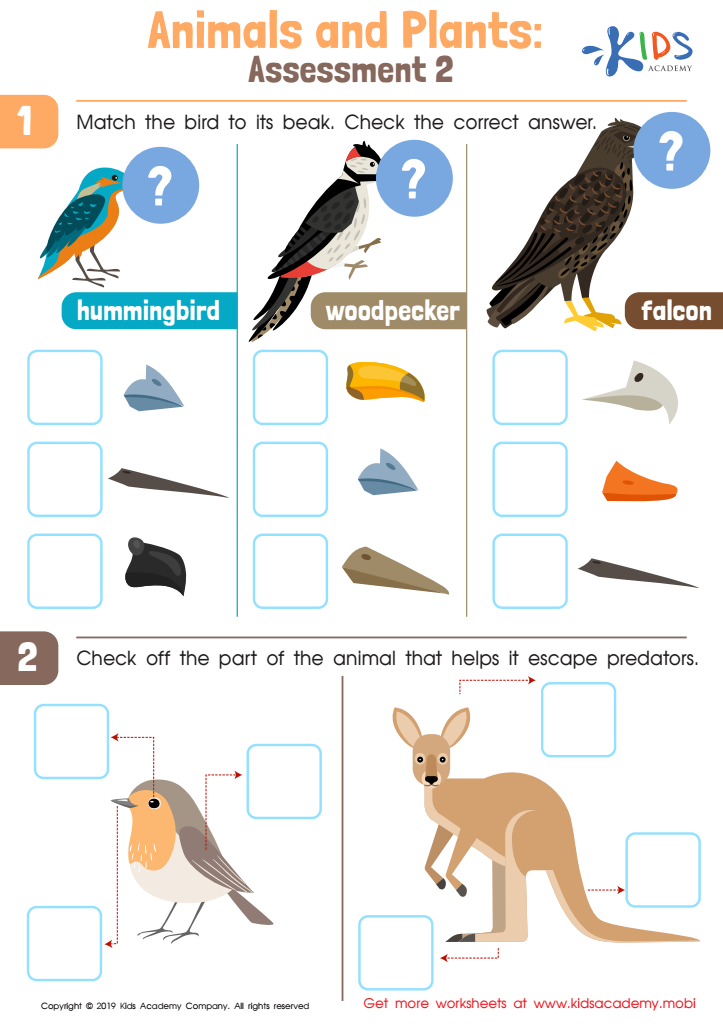
Animals and Plants: Assessment 2 Worksheet
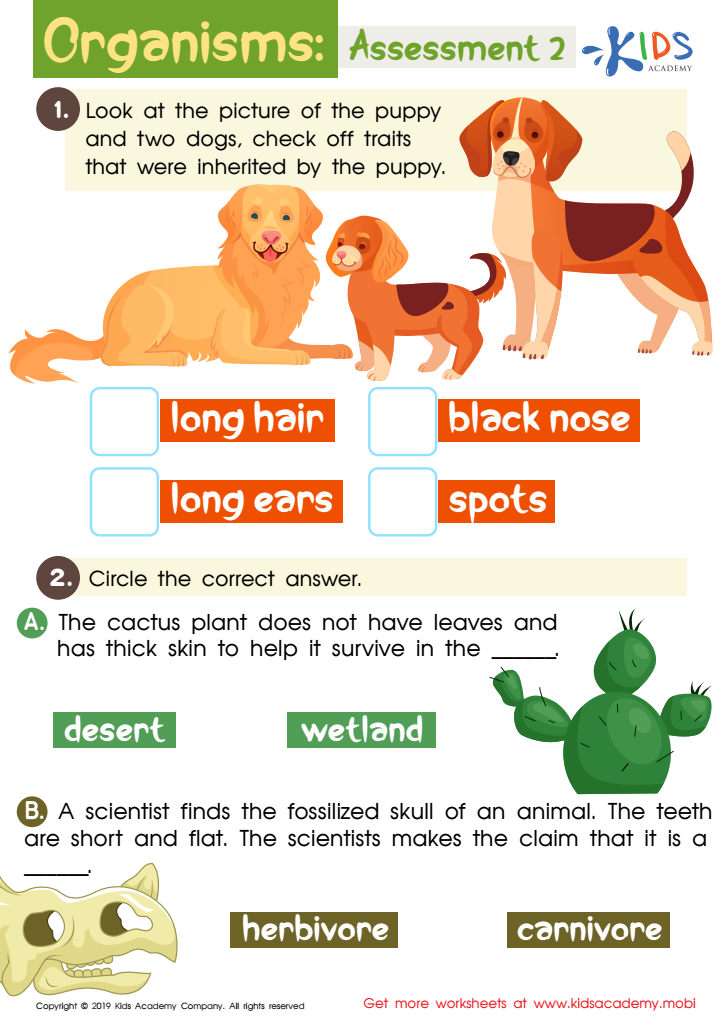
Organisms: Assessment 2 Worksheet
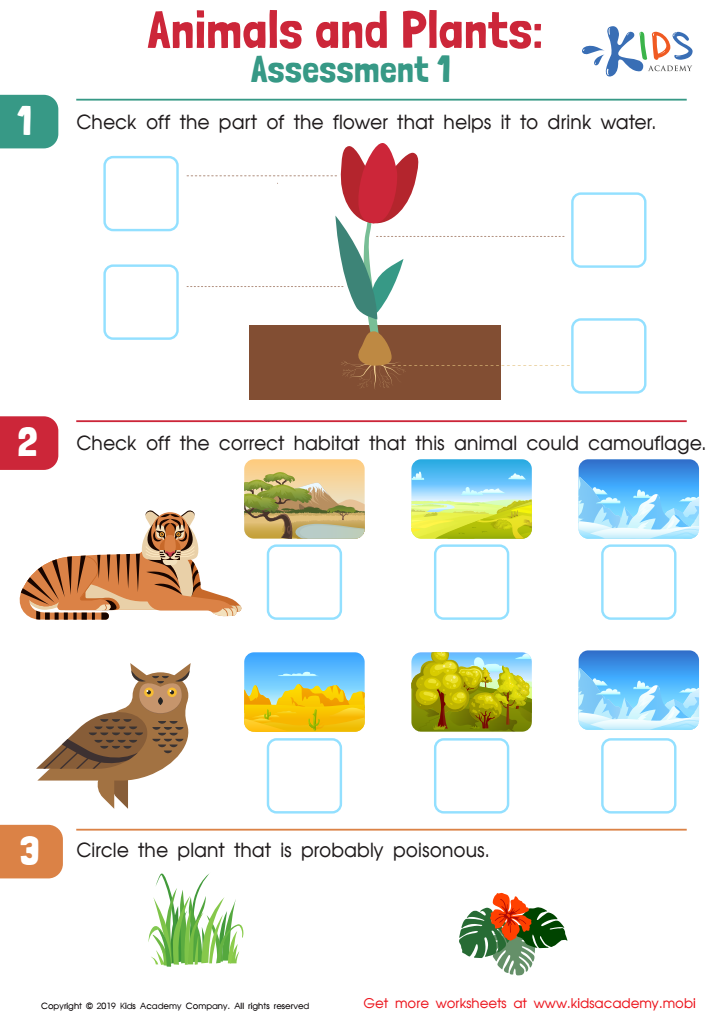
Animals and Plants: Assessment 1 Worksheet



.jpg)


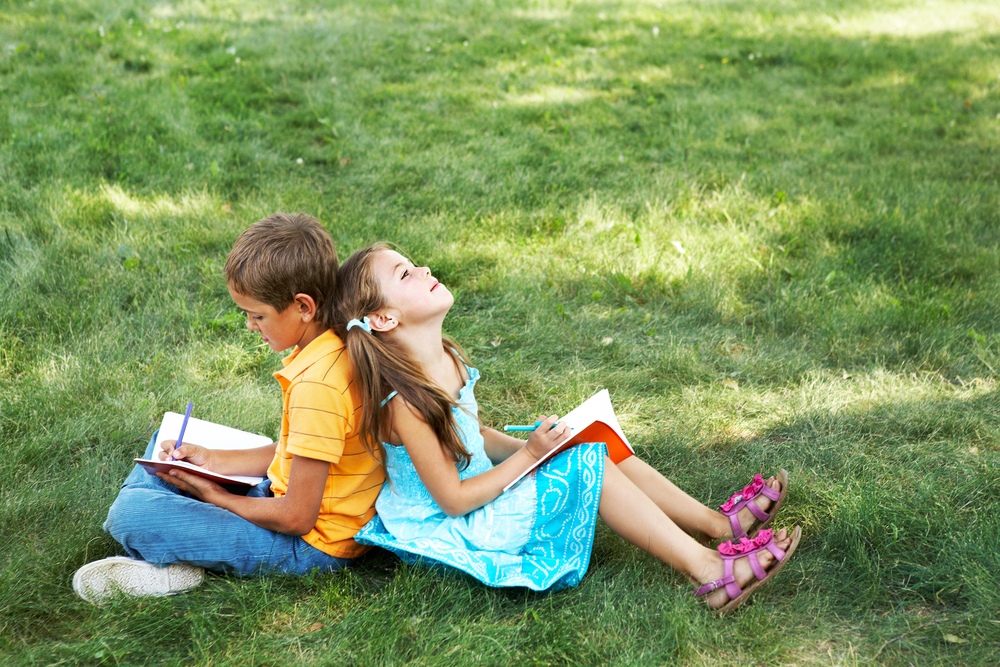
Parents and teachers should care about Our Planet and Environment activities for children aged 3-8 because these early years are crucial for fostering a sense of responsibility and connection to the environment. Engaging in nature-related activities helps young children develop a deeper understanding of the world around them. It encourages curiosity and promotes critical thinking about ecosystems, sustainability, and conservation from an early age.
These activities also nurture emotional intelligence by helping children express their feelings about nature and understand their role in protecting it. When children play outside, explore wildlife, or learn about recycling, they form positive memories and associations with the environment, making them more likely to be environmentally conscious as they grow older.
Furthermore, environmental education can promote social skills and collaboration in group activities, as children work together on projects like planting a garden or collecting litter. These experiences teach valuable lessons about teamwork and caring for shared resources. Ultimately, instilling a love and respect for nature in young children lays the foundation for a healthier planet and empowers the next generation to tackle pressing environmental challenges with empathy and innovation.








